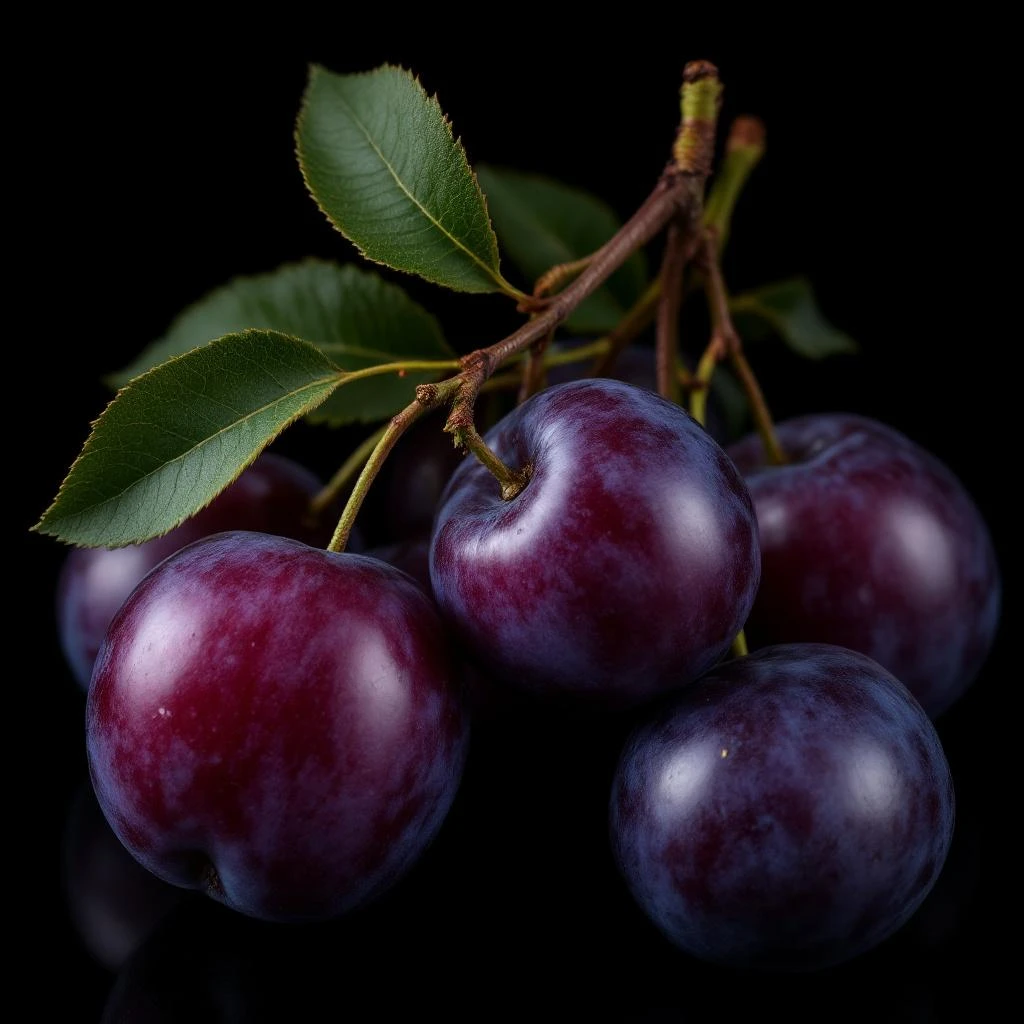
Plum
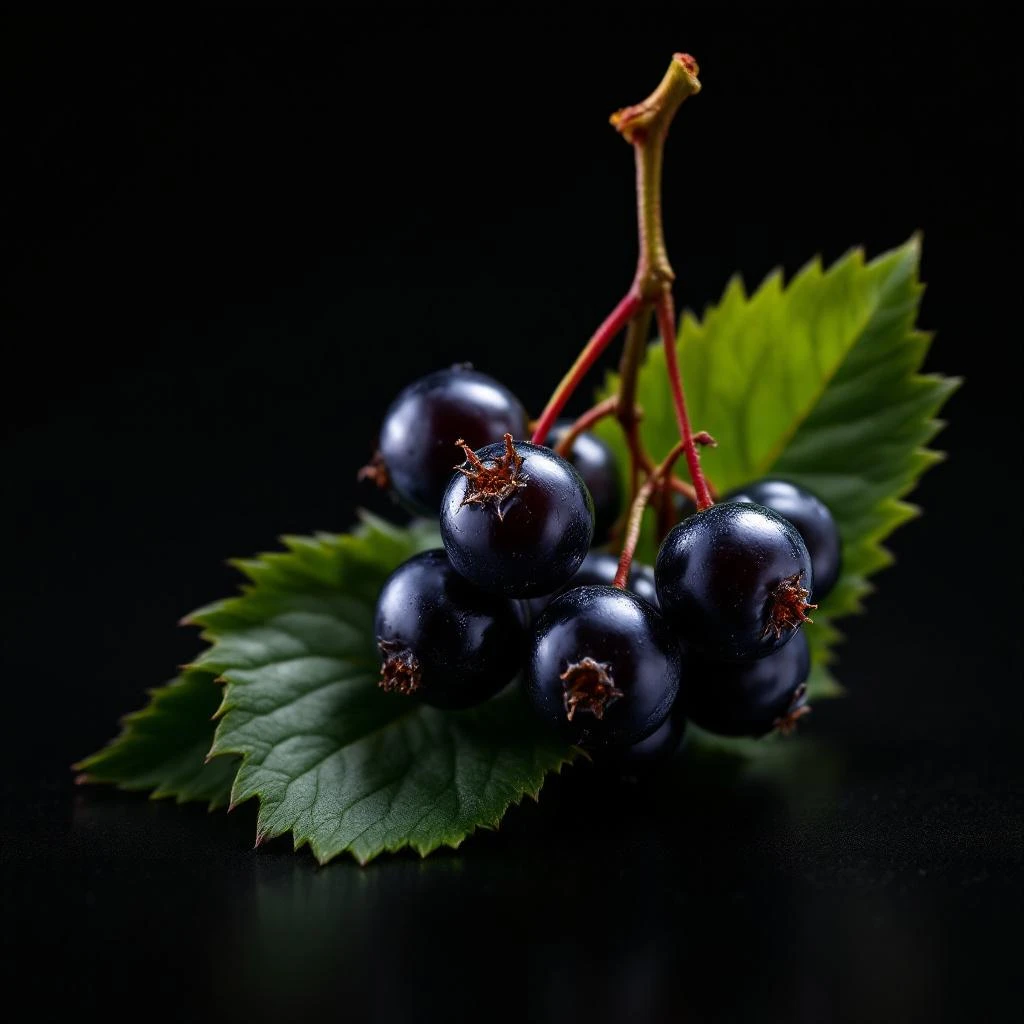
Plum brings a syrupy, wine-like depth to perfumery, capturing the stone fruit at its ripest moment. The note reads as dark, jammy, and almost medicinal at times, balanced by a natural tartness that keeps it from cloying.
Character
How it smells
Dark fruit with a wine-stained heart
True plum rarely appears in perfumery as a direct extract. Most "plum" notes are built from synthetic molecules like gamma-undecalactone, which mimics the fruit's lactonic, skin-like sweetness.








Origin
China
Plum holds one of the oldest cultivation histories of any tree fruit, with archaeological evidence placing its domestication in China over 4,000 years ago. From there it spread along trade routes into Japan, where varieties like the sumomo became central to seasonal culture and cuisine. European plums, Prunus domestica, arrived later through the Middle East, prized by Romans and Byzantines for both eating and medicinal purposes.
In perfumery, plum became a functional note rather than a literal extraction for much of modern history. François Coty's work in the early 20th century demonstrated how fruity, aldehydic compositions could carry entire fragrance structures, paving the way for synthetic reconstruction of fruit notes that resisted traditional extraction. Japanese plums, particularly the intensely aromatic sumomo, have influenced niche perfumery since the 1990s, where brands build accords around the fruit's distinctive tart-tart-sweet balance.
The note signals warmth and indulgence in mainstream launches, while in artisan work it often carries cultural specificity tied to East Asian fragrance traditions.
Wears it best
Fragrances featuring Plum





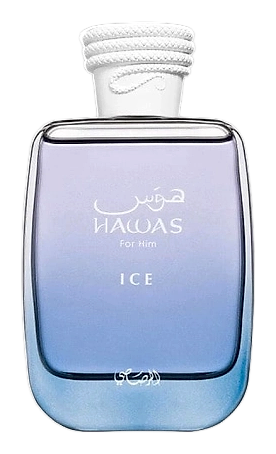

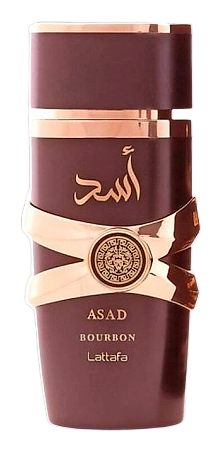
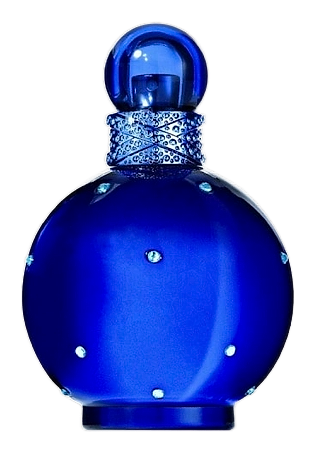
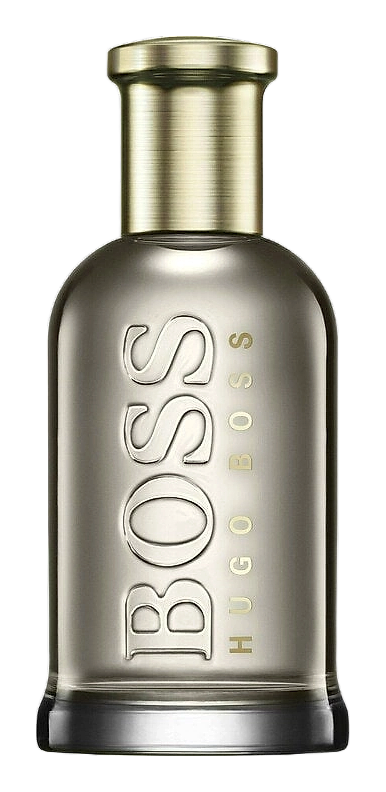

Brands
Brands known for Plum
Good to know
Questions, answered
The essentials on Plum in perfumery: how it smells, where it comes from, and how it behaves on skin.
What does plum smell like in perfume?
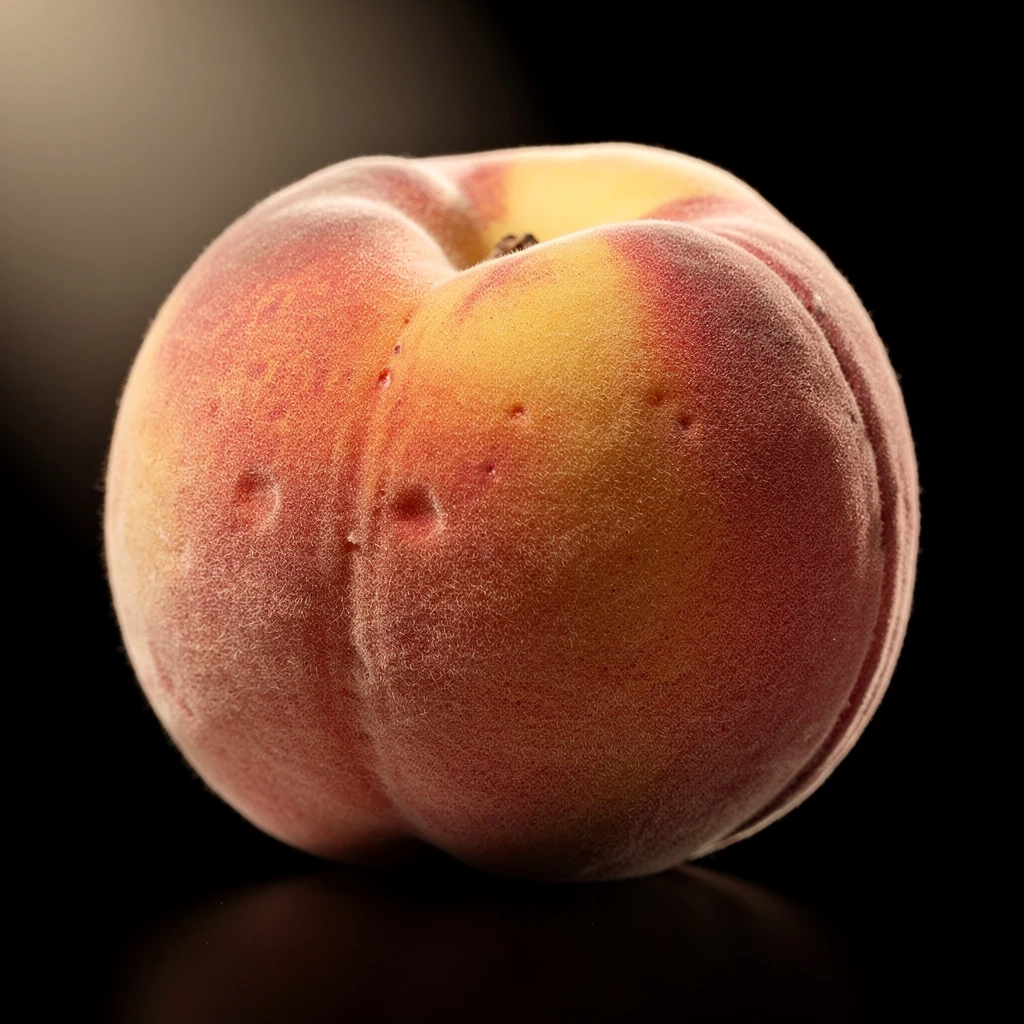
Plum in perfumery smells dark, jammy, and slightly wine-like, with a syrupy sweetness tempered by tartness. The note often carries lactonic, almost creamy undertones resembling peach skin rather than fresh fruit.
Is plum a natural or synthetic note?
Most plum notes in commercial fragrance are synthetic reconstructions. Natural plum absolute exists but is uncommon due to the fruit's high water content, which complicates traditional extraction methods.
What molecule smells like plum?
Gamma-undecalactone, also known as aldehyde C-14, is the primary aroma chemical behind the plum note. It provides a creamy, fruity, slightly skin-like lactonic character that reads convincingly as ripe plum.
What fragrance families feature plum?
Plum appears most often in oriental, gourmand, and fruity-floral compositions. It pairs especially well with rose, amber, cinnamon, and vanilla, where its jammy depth adds richness without overwhelming.
Where do plum fragrance ingredients originate?
Plum's aromatic character draws from cultivated varieties originating in China over 4,000 years ago. Japanese sumomo plums and European Prunus domestica both contribute distinct aromatic profiles used in modern composition.
How is natural plum extract made?
Natural plum extract is produced through solvent extraction. The fruit pulp is macerated in a volatile solvent, which dissolves the aromatic compounds before being evaporated to yield a concentrated absolute.
Can you extract plum oil through steam distillation?
Steam distillation is impractical for plum due to the fruit's high water content. The aromatic compounds degrade during the heating process, making solvent extraction or synthetic reconstruction the standard methods.
Why is plum popular in niche perfumery?
Plum's tart-sweet complexity offers depth that single-note fruits like apple cannot match. Japanese plum varieties in particular carry cultural resonance in artisan fragrance, where the note signals sophistication and seasonal warmth.