Coconut
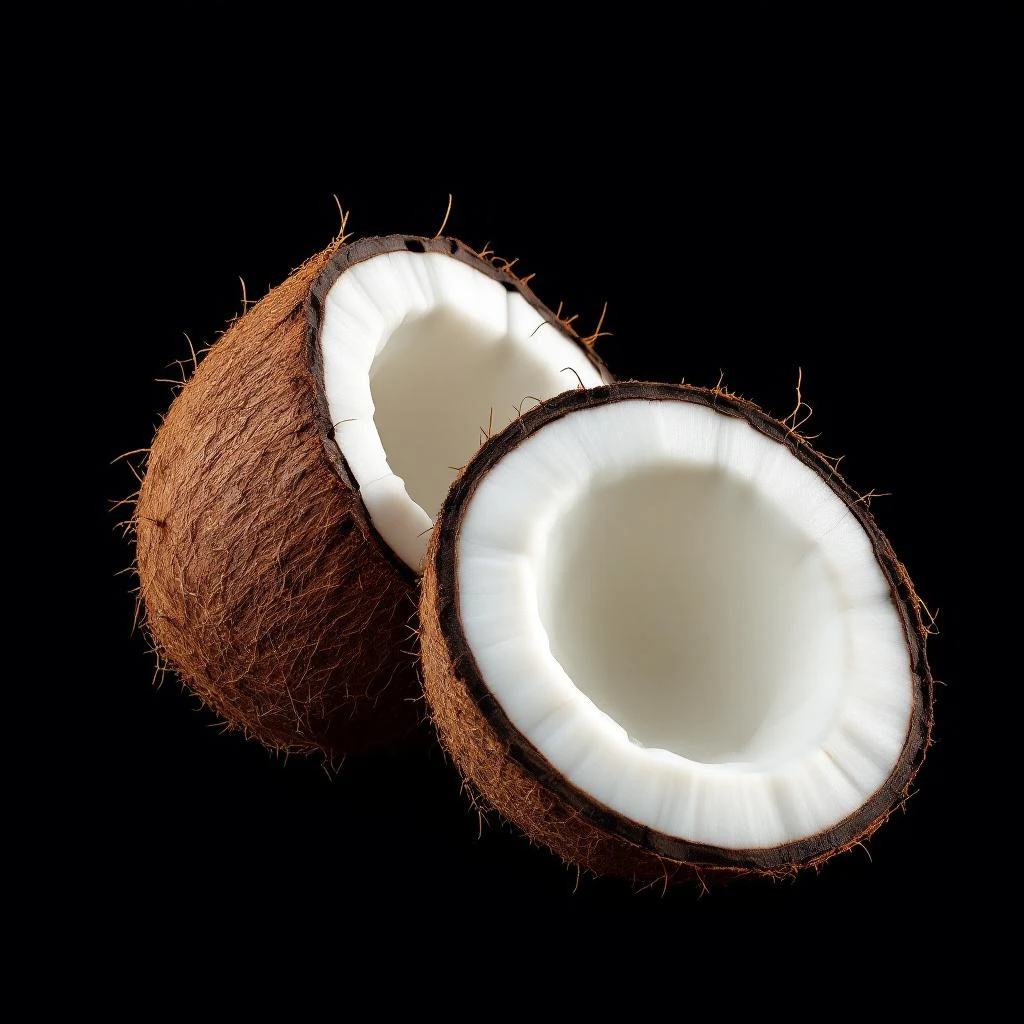
Coconut brings tropical warmth to fragrance, evoking sun-drenched beaches and lazy summer afternoons. In perfumery, coconut absolute captures the creamy, sun-ripened facets of the fruit without the foody associations you might expect from the kitchen.
Character
How it smells
Tropical cream captured in fragrance form.
Fresh coconut has almost no odor. The characteristic sweet scent only develops once the inner flesh dries into copra, making the drying process essential to perfumery use.








Origin
Philippines
Coconut palms spread across tropical regions thousands of years ago, carried by ocean currents and human migration. Ancient cultures in Southeast Asia and the Pacific used coconut for food, construction, and ritual oils, but perfumery applications developed much later.
The fruit remained primarily culinary until modern extraction techniques emerged in the twentieth century. When fragrance chemists developed solvent extraction methods, coconut flesh became viable for fragrance use.
The tropical associations already embedded in Western culture made coconut an instant hit when it appeared in seasonal fragrances and beach-inspired scents. Today coconut appears across mass-market and luxury lines, valued for its ability to transport wearers somewhere warmer regardless of actual geography.
Wears it best
Fragrances featuring Coconut
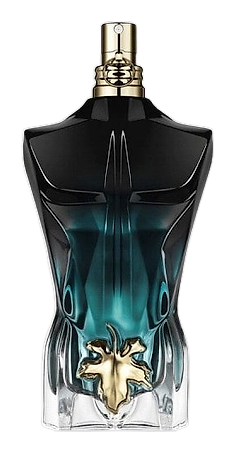


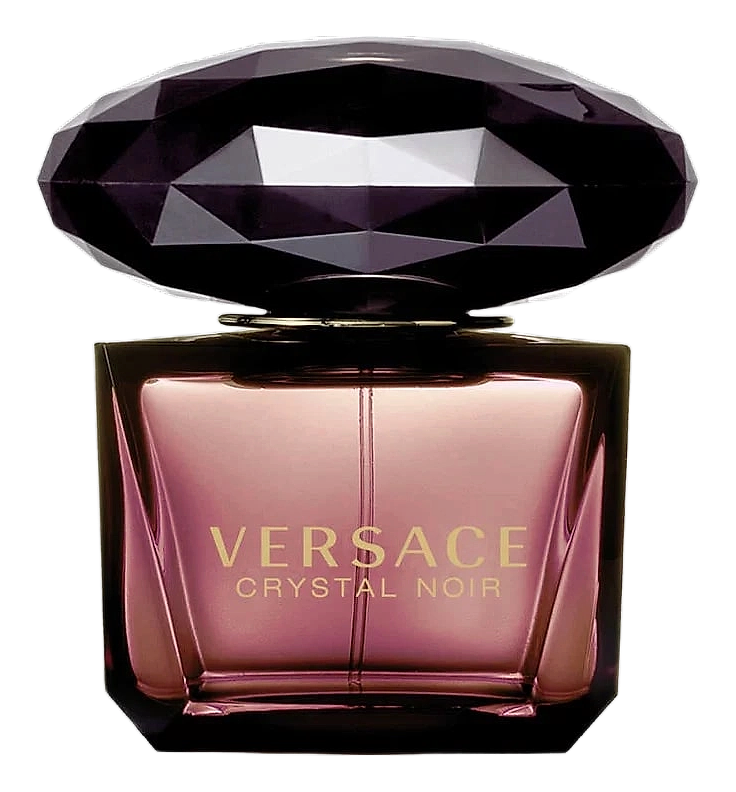
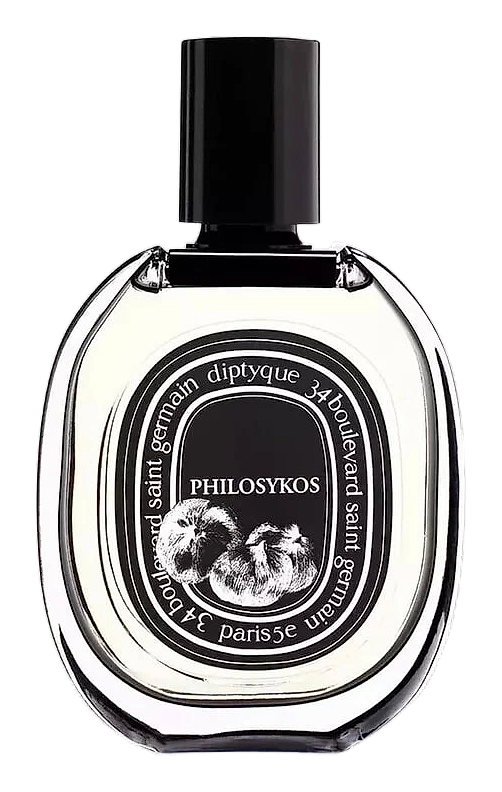
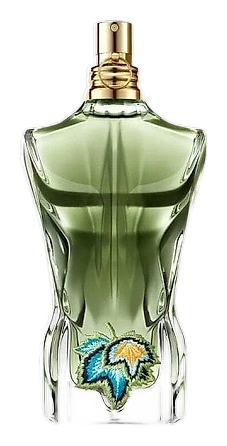
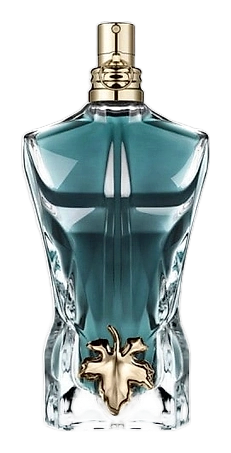


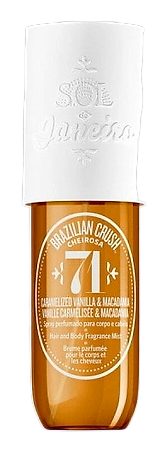
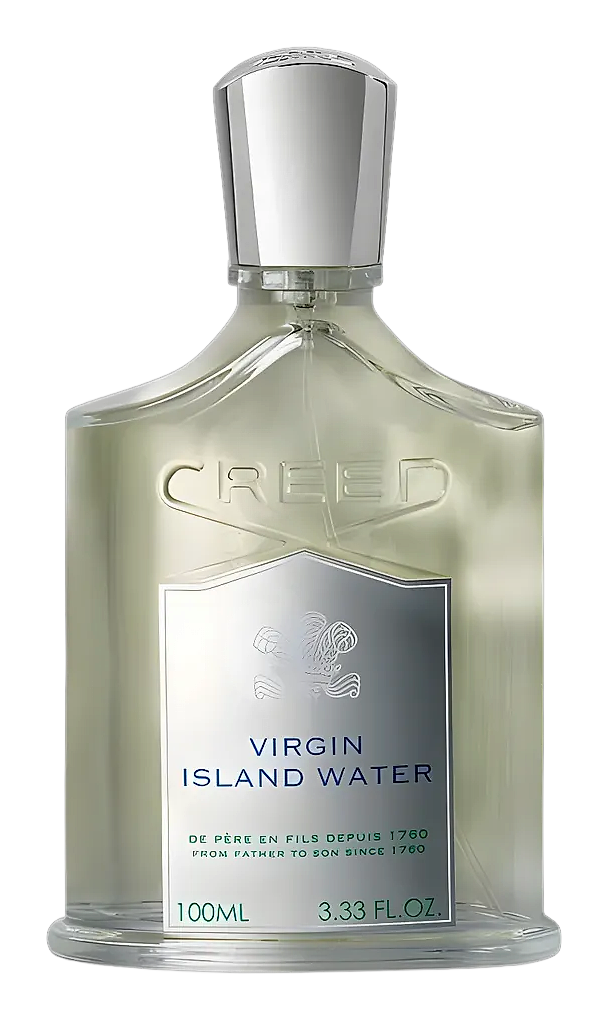
Brands
Brands known for Coconut
Good to know
Questions, answered
The essentials on Coconut in perfumery: how it smells, where it comes from, and how it behaves on skin.
Does coconut in perfume come from real coconuts?
Yes, coconut absolute is derived from real coconut flesh. Manufacturers dry fresh coconut meat into copra, then use solvent extraction to obtain the aromatic concentrate. Synthetic coconut aroma compounds also exist for stability purposes, but natural coconut absolute remains widely available.
Why does coconut smell different in perfume than in my kitchen?
Fresh coconut has minimal odor. The characteristic sweet scent develops only during drying, when enzymatic reactions create new aromatic compounds. Perfume extracts capture these developed notes, producing a creamier, more complex aroma than raw coconut.
What type of fragrance uses coconut most often?
Coconut appears frequently in summer florals, tropical fruity compositions, and gourmand scents. It also shows up in skin-close fragrances like body mists and hair products, where its warmth creates an intimate, comforting feel without projecting strongly into a room.
Is coconut absolute the same as coconut oil?
No. Coconut oil is pressed from fresh or dried flesh and remains nearly odorless. Coconut absolute requires solvent extraction specifically to capture aromatic compounds that simple pressing cannot yield. The two smell entirely different and serve different purposes in perfumery.
Can coconut absolute be used in natural or organic fragrances?
Yes. Solvent-extracted coconut absolute qualifies as a natural ingredient because it uses physical separation rather than chemical synthesis. Look for certifications specifying natural origin if you need verification for a particular formulation standard.
What countries produce coconut absolute for perfumery?
The Philippines, Indonesia, and India dominate global coconut production. The Philippines alone produces roughly 14.7 million metric tons annually, making it the primary source for coconut-derived fragrance materials worldwide.
What fragrance families pair well with coconut?
Coconut works alongside marine notes for tropical freshness, vanilla for gourmand depth, white florals like gardenia and frangipani for creamy florals, and sandalwood for warm, skin-like drydown. It also bridges fruity and sweet compositions by adding textural warmth.
Does coconut cause allergic reactions in perfume?
Coconut-derived ingredients can trigger sensitivities in rare cases, as with most natural materials. International fragrance regulations require disclosure of specific allergens. Those with coconut allergies should check ingredient lists before purchase.