The Story
Why it exists.
The beginning
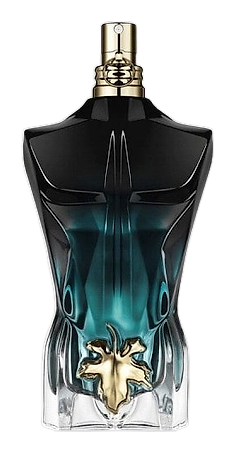
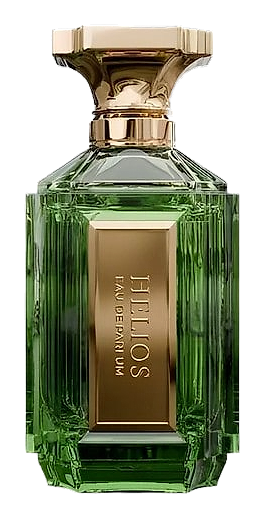
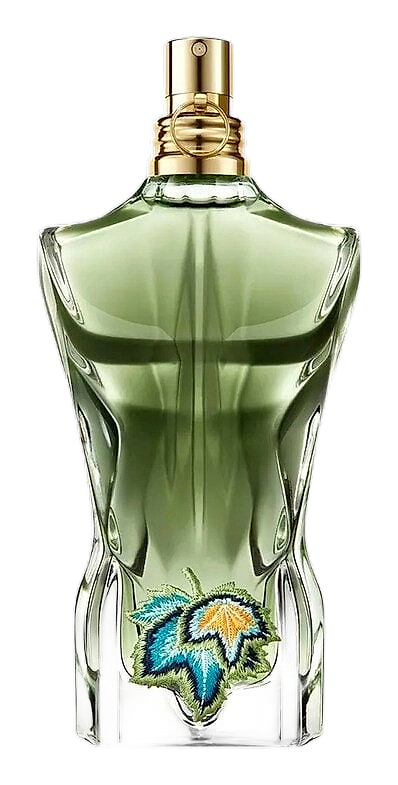
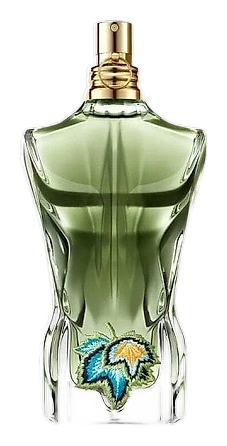
Le Beau Paradise Garden arrived in 2024 as a declaration: sensuality in all its complexity, promising a voyage of discovery. Perfumer Quentin Bisch drew from the Autumn/Winter fashion collection of 2010-2011, where Gaultier imagined a lush garden named Paradise, a haven of intense delights and fervent desires. The bottle tells that story before you even spray. Emerald-green glass, ornate with a vibrant vine leaf embroidery, couture-styled and impossible to overlook. The vessel itself is unclothed, naked in the secret garden it represents, and it refuses to be anything but noticed.
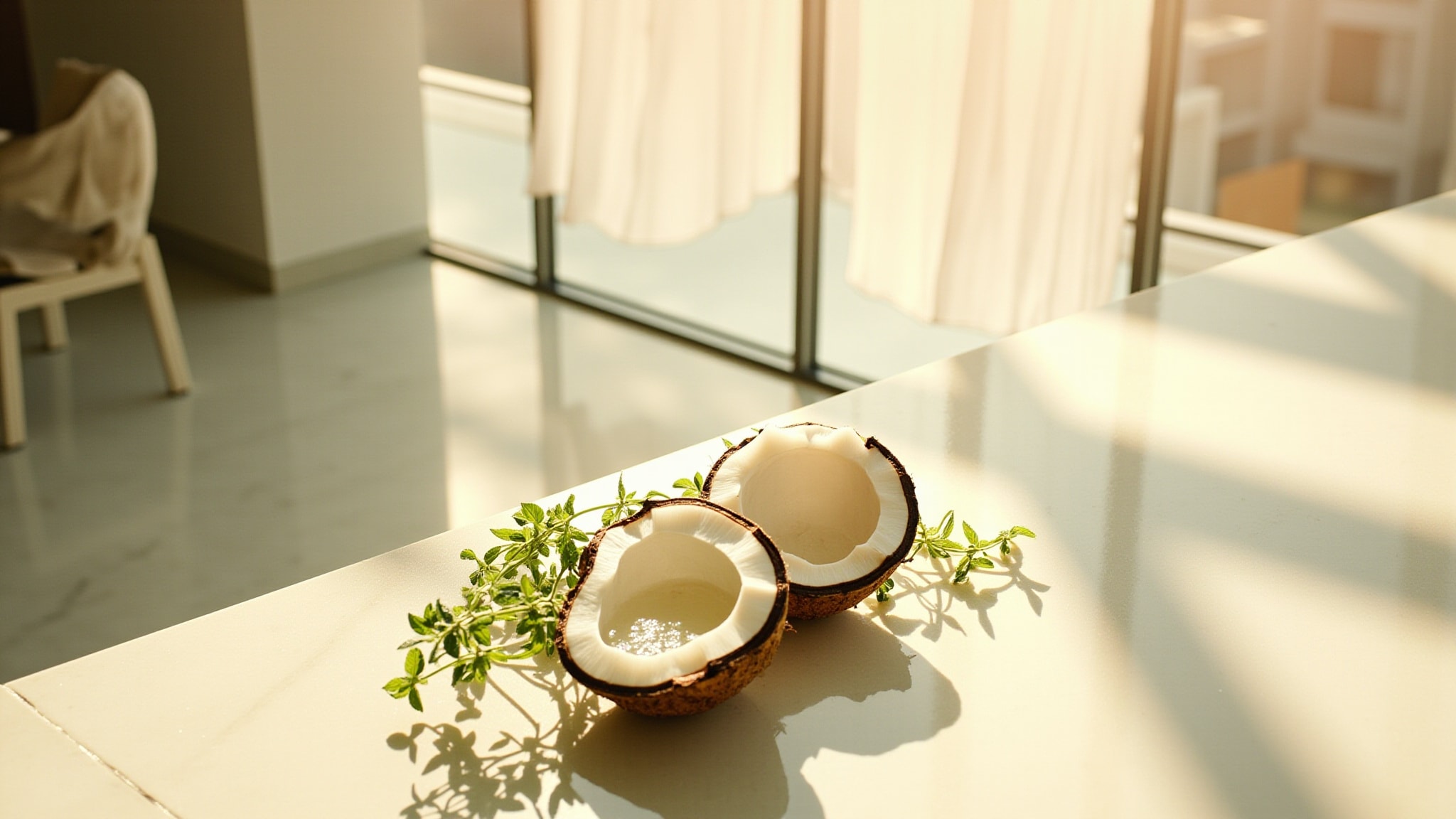
The heart of this fragrance is coconut water and green fig, a pairing that sounds dessert-like on paper but reads entirely different on skin. The salt amplifies the coconut, making it read as the real thing: the smell of sun-warmed flesh at the edge of the sea. Sandalwood and tonka bean in the base add depth and warmth, creamy and close. What makes this structure interesting is how the green notes and mint at the top don't fight the sweetness, they delay it. You get that cool, herbal opening first, then the garden arrives.
The evolution
The opening announces green notes and mint with an herbal brightness that feels like stepping into a garden after rain. The mint cuts clean and cool, almost spa-like, and it's the first signal that this isn't a straightforward tropical fragrance. Ginger adds warmth underneath, a spice that lifts rather than burns. This bright, cool phase gradually gives way as the coconut water takes over and the whole character shifts. The heart is where Le Beau Paradise Garden earns its name. Coconut water rises sweet and almost lactonic, tempered by green fig's fruity, slightly vegetal quality. The salt is the surprise, it keeps the coconut mineral and real, not synthetic or sunscreen-adjacent. This is the phase that reads as distinctively 2024, fresh and sweet without being childish. The drydown belongs to sandalwood and tonka bean.
Cultural impact
JPG fragrances have always been characters, not background noise. Le Beau Paradise Garden is one of the house's fresher expressions, green and tropical rather than sweet-fougère or vanilla-heavy. For wearers who want a JPG that doesn't announce itself from across the room but still holds its own, this offers a distinctive choice. The coconut and fig here have a contemporary, elevated quality rather than a literal interpretation. It's a fragrance that works for the wearer who wants tropical without the cliché, bringing a sense of sun-drenched relaxation and effortless style to any occasion.