Moss
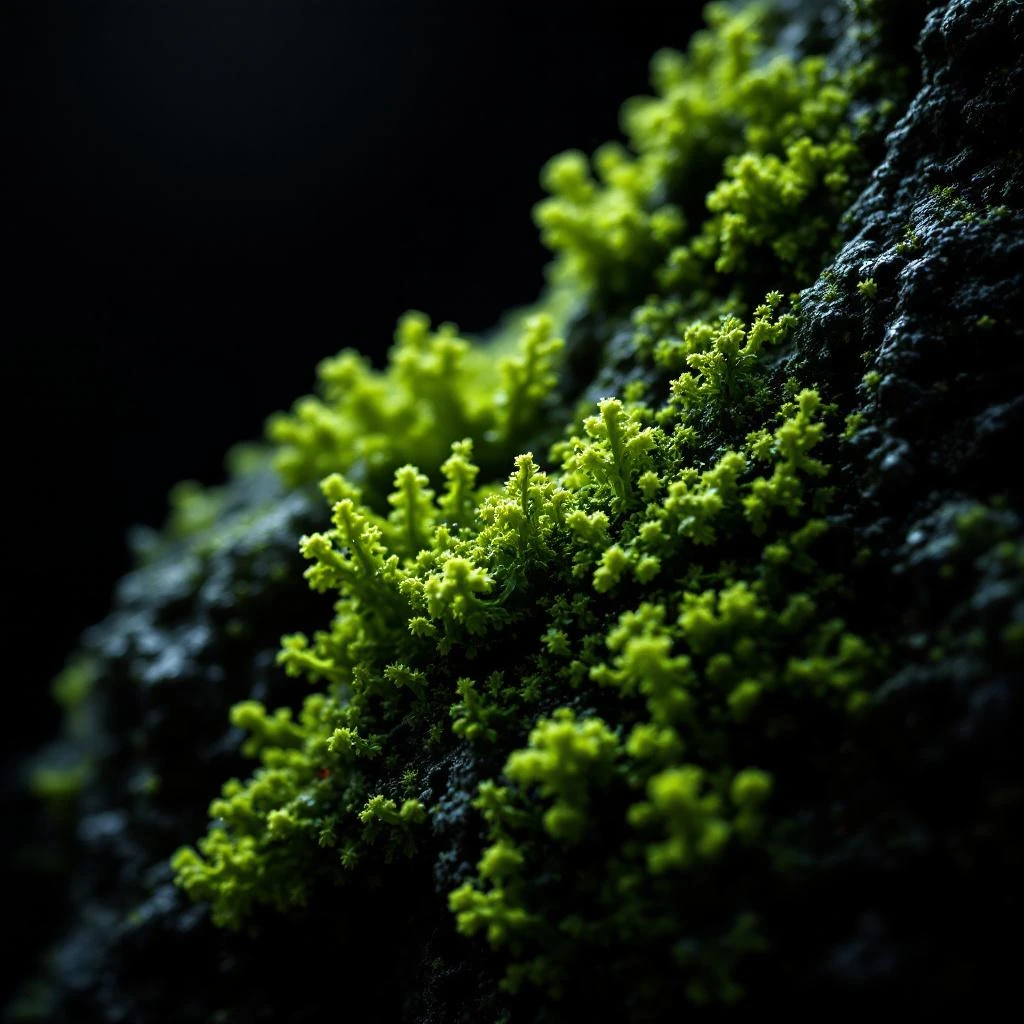
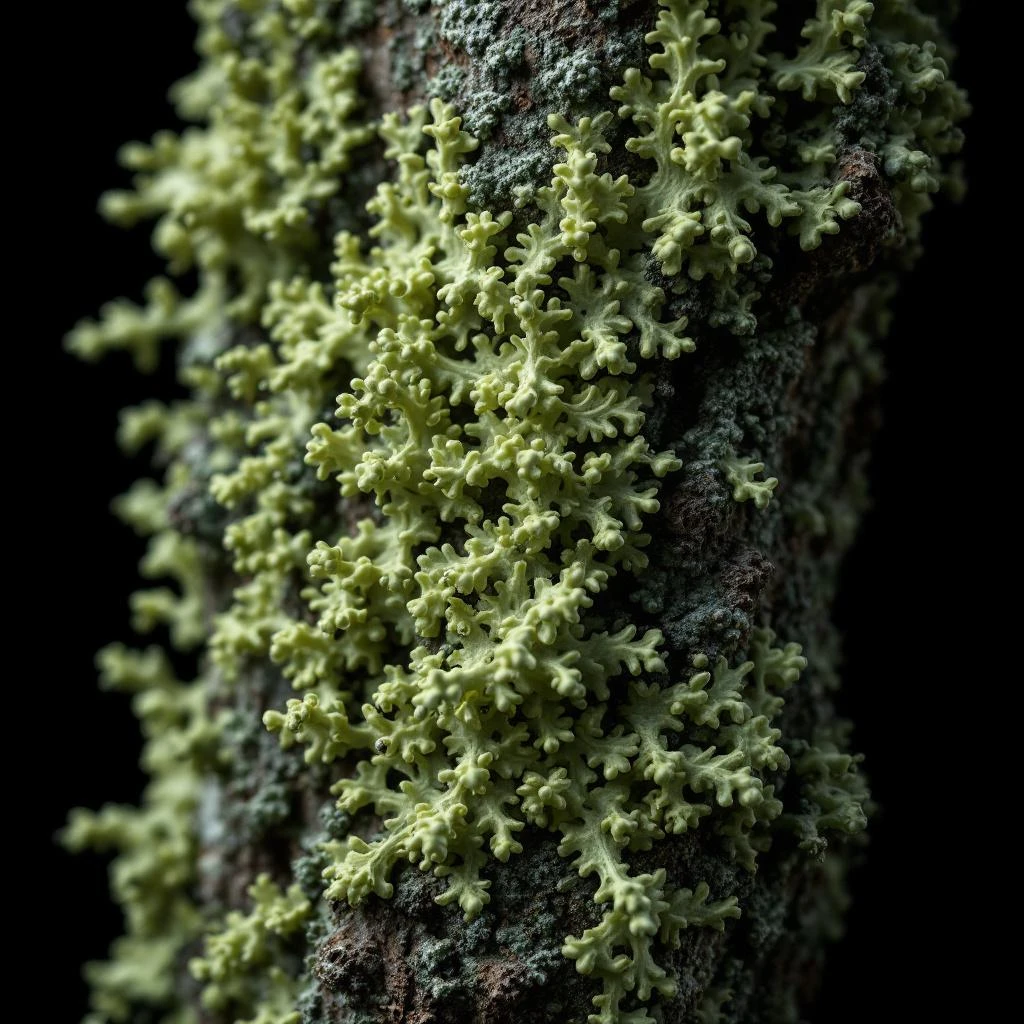
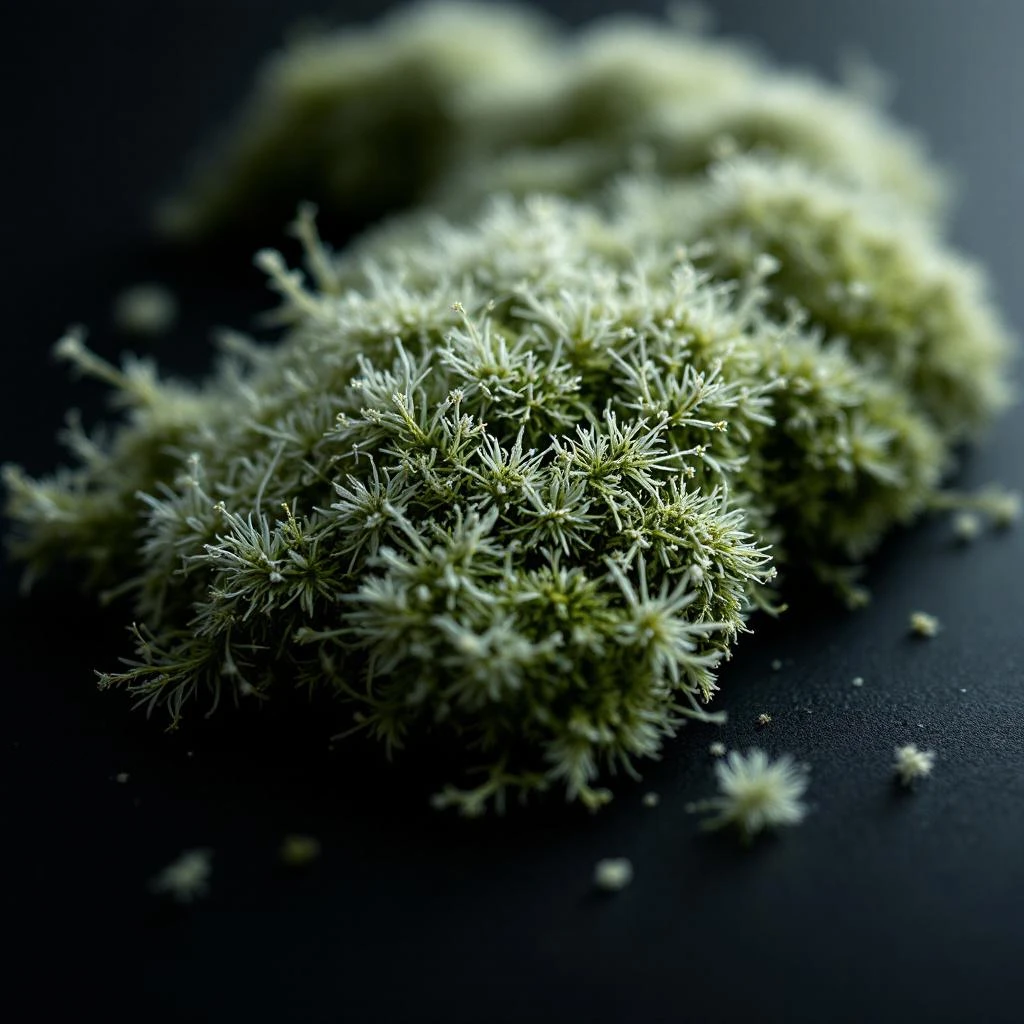
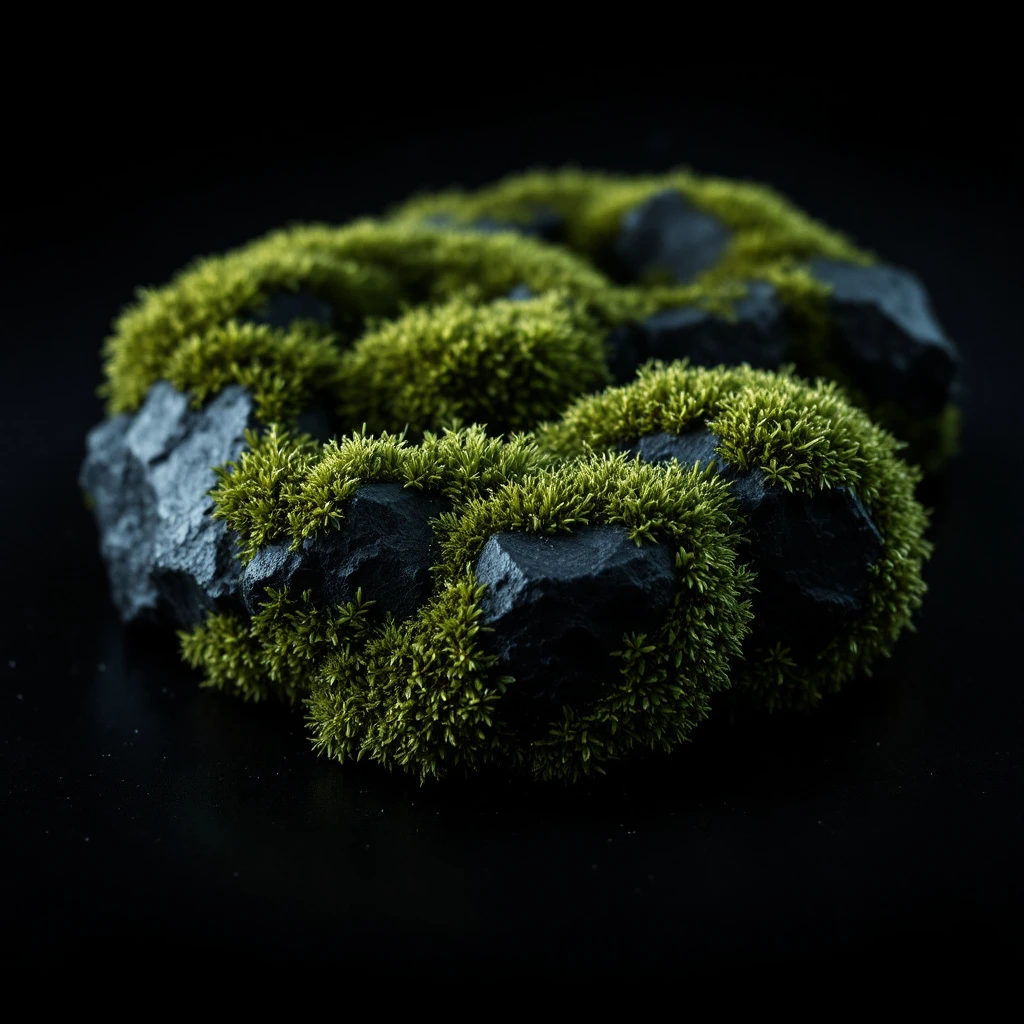
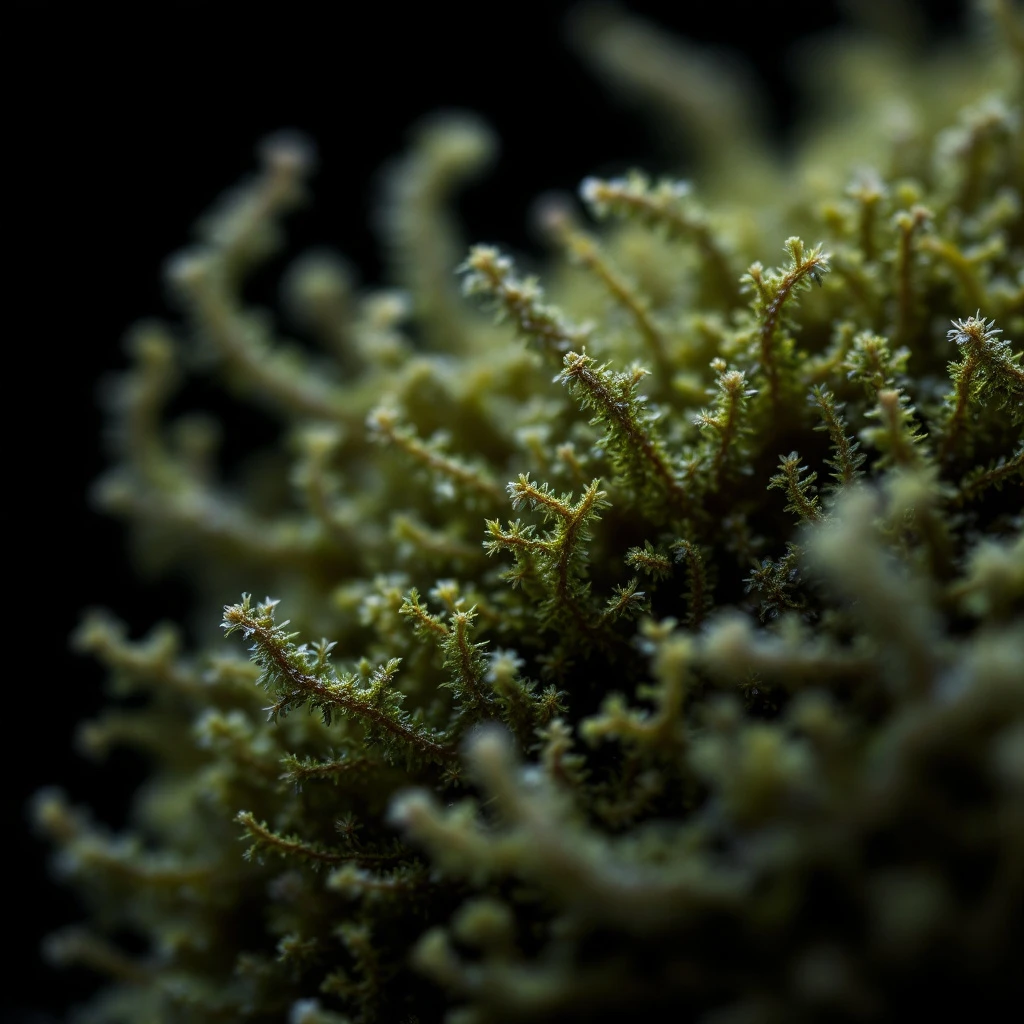
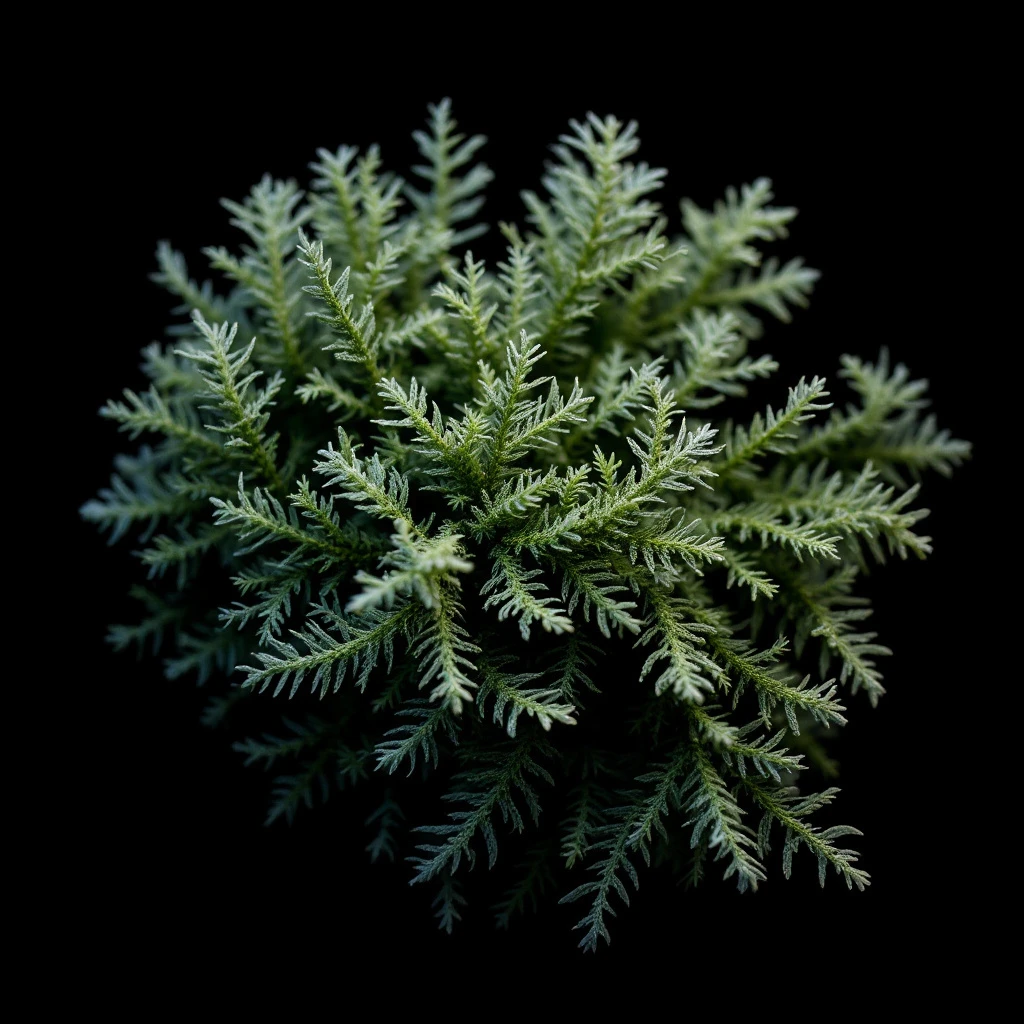
Oakmoss anchors fragrance compositions with a forest-floor character. Its damp, earthy signature creates depth and mystery in countless classic and modern perfumes, serving as an essential foundation note that evokes rain-soaked woodlands and ancient trees.
Character
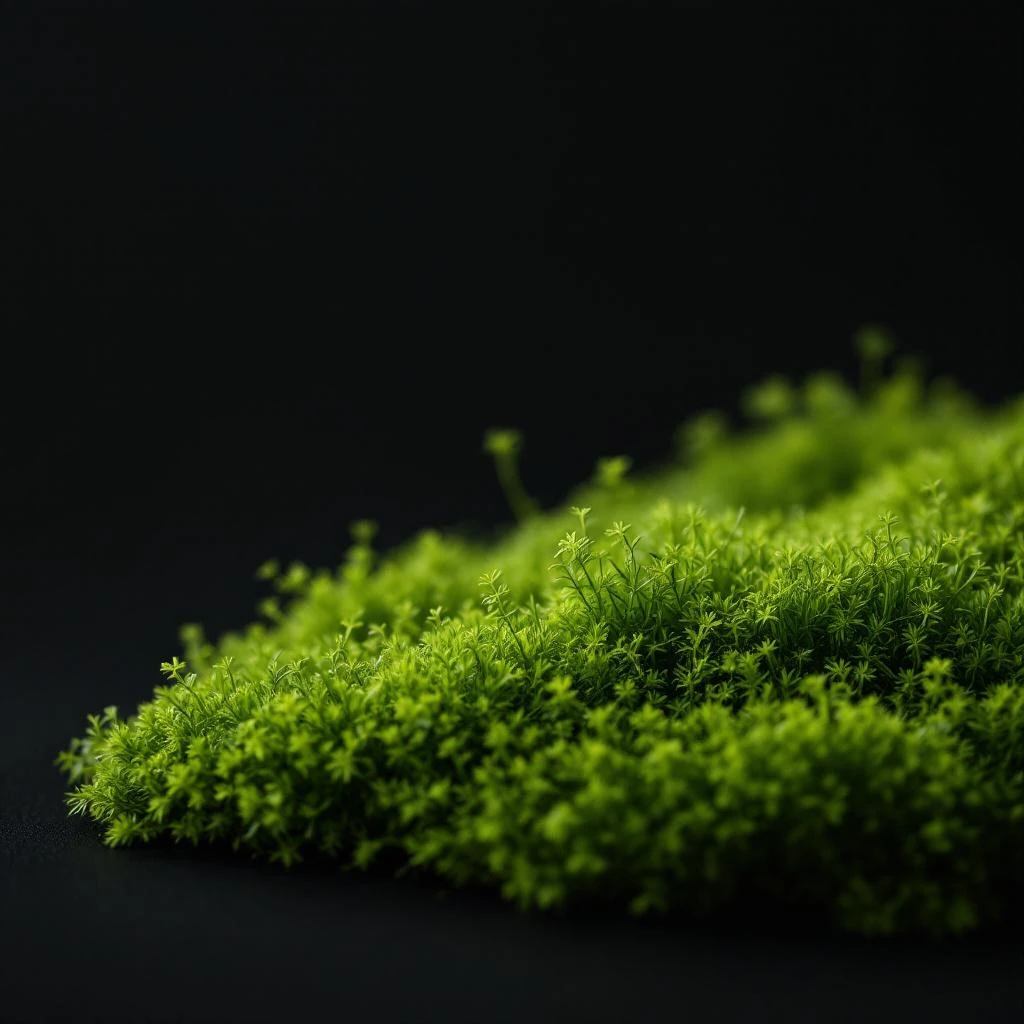
How it smells
The damp soul of the forest floor.
Oakmoss absolute is so potent that perfumers dilute it to just 1-10% before blending, yet it still profoundly shapes a fragrance's character.









Origin
France
Oakmoss has shaped perfumery for centuries, particularly in Europe where temperate forests provided abundant growth. Medieval Europeans stuffed sachets with dried lichen to fragrance garments and ward off unwanted odors. The ingredient came into its own during the nineteenth century when modern perfumery emerged, quickly becoming a cornerstone fixative that prolonged fragrance longevity on skin.
Grasse, the historic French perfumery capital, became synonymous with quality oakmoss handling. The lichen reached iconic status through Chanel No. 5 in 1921, where it provided the mysterious, powdery depth that made the scent legendary.
This prominence led to unexpected consequences when dermatological research in the 1990s revealed oakmoss as a significant skin sensitizer. The International Fragrance Association subsequently restricted its concentration in consumer products, fundamentally changing how perfumers work with this material. Contemporary houses now balance natural oakmoss with carefully regulated用量, preserving its irreplaceable character while ensuring safety.
Wears it best
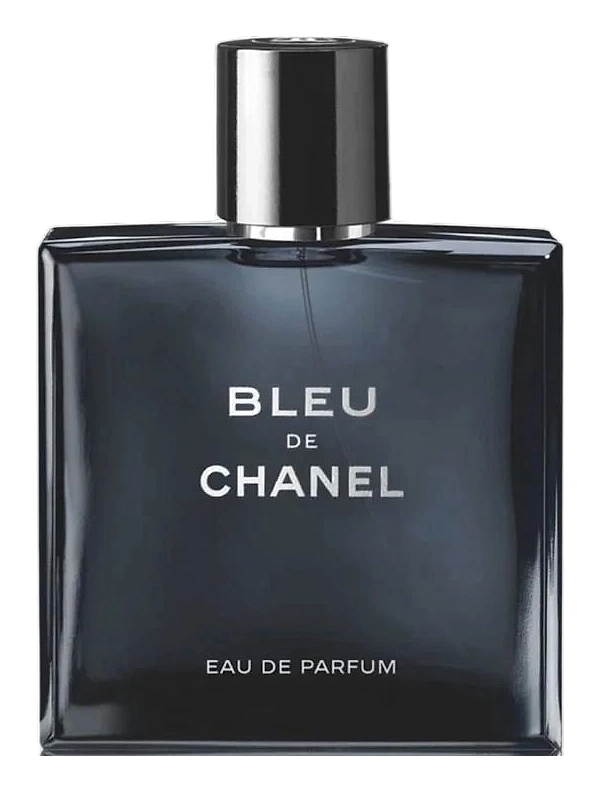
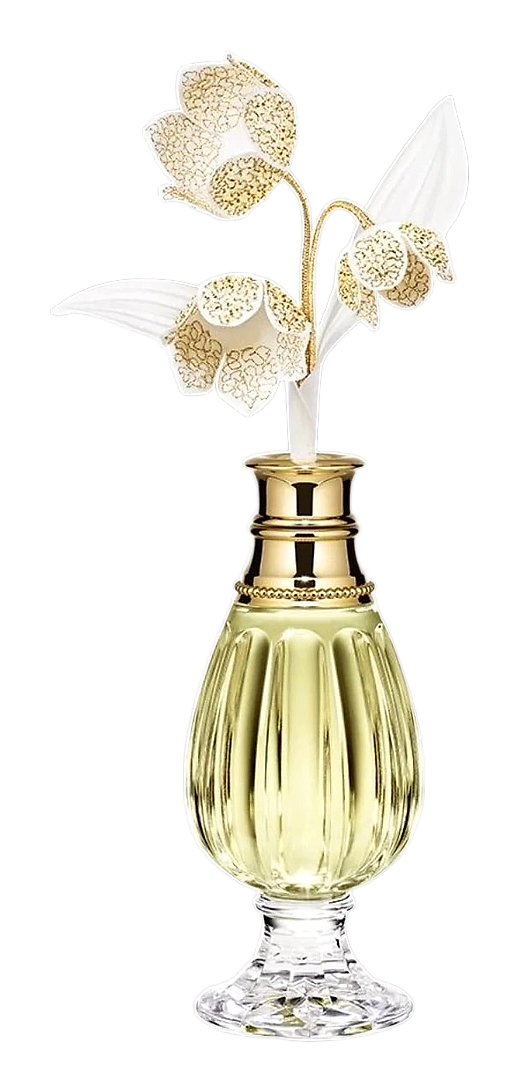
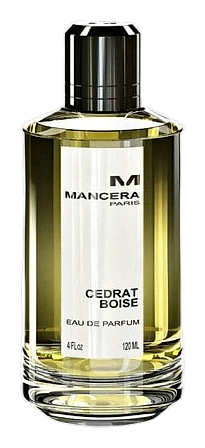
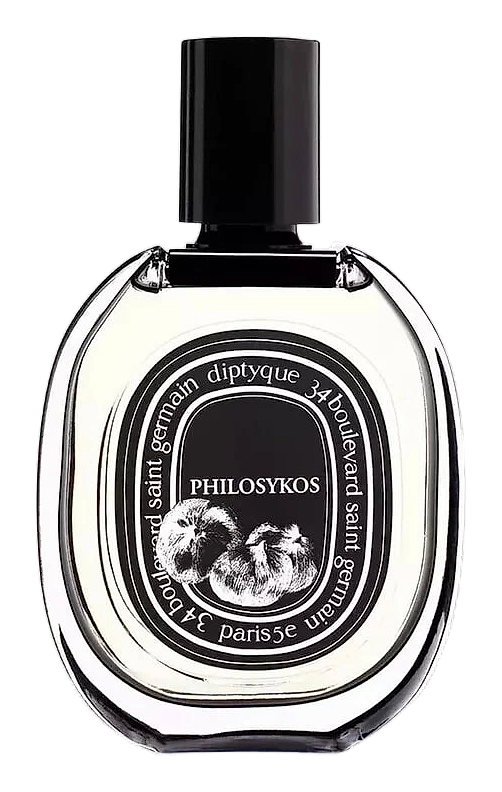
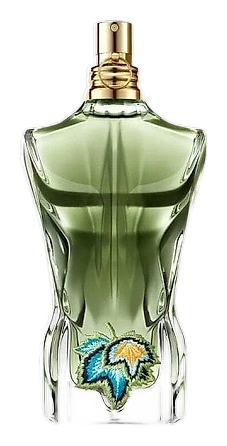
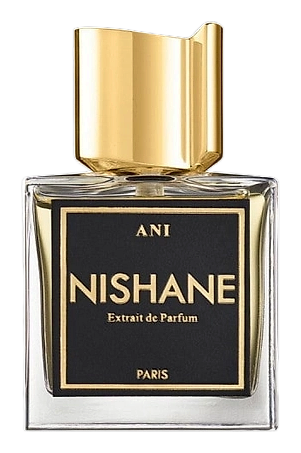
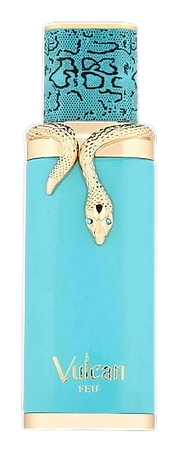
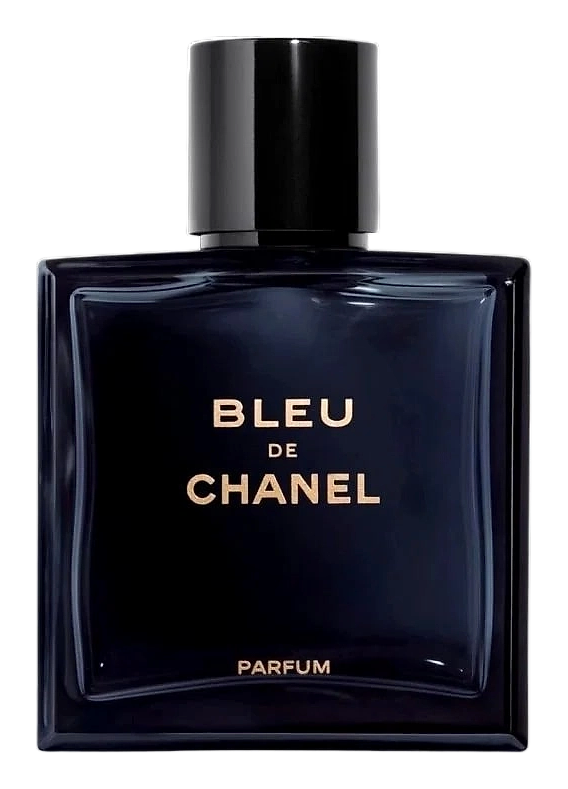
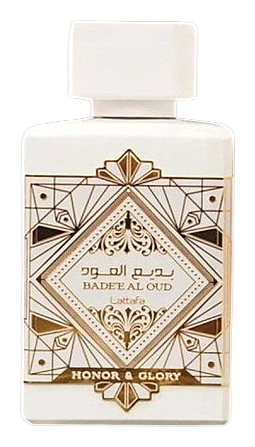
Fragrances featuring Moss

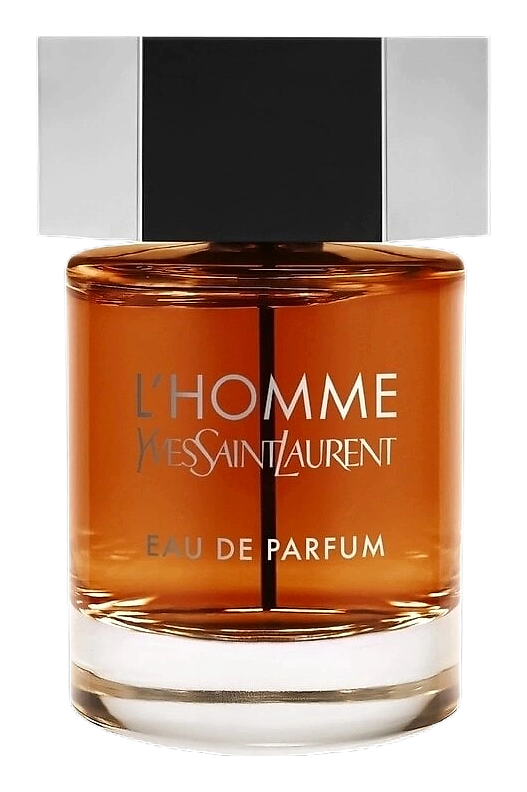
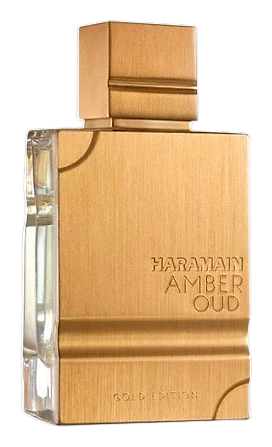
Brands
Brands known for Moss
Good to know
Questions, answered
The essentials on Moss in perfumery: how it smells, where it comes from, and how it behaves on skin.
What does oakmoss smell like?
Oakmoss smells earthy and forest-like, with damp soil, moss, and tree bark notes. It carries a slightly medicinal, leathery quality with a dry, powdery drydown that resembles dried leaves in autumn.
Why is oakmoss restricted in perfume?
Research identified oakmoss as a skin sensitizer that can cause allergic reactions. IFRA regulations now limit its concentration in consumer fragrances to protect buyers with sensitive skin.
Can synthetic alternatives replace oakmoss?
Biotechnology has produced oakmoss-like aroma molecules like evernyl and usnic acid. While useful, these synthetic versions capture only parts of the complex natural scent profile.
Where does oakmoss grow?
Oakmoss thrives in temperate forests across Europe, particularly France, Germany, and Eastern Europe. It grows on oak bark but also colonizes other trees like spruce and pine.
How is oakmoss used in perfumery?
Perfumers use oakmoss absolute as a fixative and base note. It slows evaporation of lighter fragrance components, helping scents linger on skin for hours.
What extraction method produces oakmoss absolute?
Solvent extraction using volatile solvents yields oakmoss absolute. Hexane or ethanol dissolves aromatic compounds from the harvested lichen, producing a highly concentrated material.
Why do perfumers dilute oakmoss?
Oakmoss absolute is extremely potent. Perfumers typically dilute it to 1-10% concentration before blending, making it easier to work with and ensuring regulatory compliance.
Is natural oakmoss still used today?
Yes, natural oakmoss remains in use despite restrictions. Perfumers value its irreplaceable complexity and employ it at compliant concentrations in many fine fragrances.