
The Story
Why it exists.
The beginning
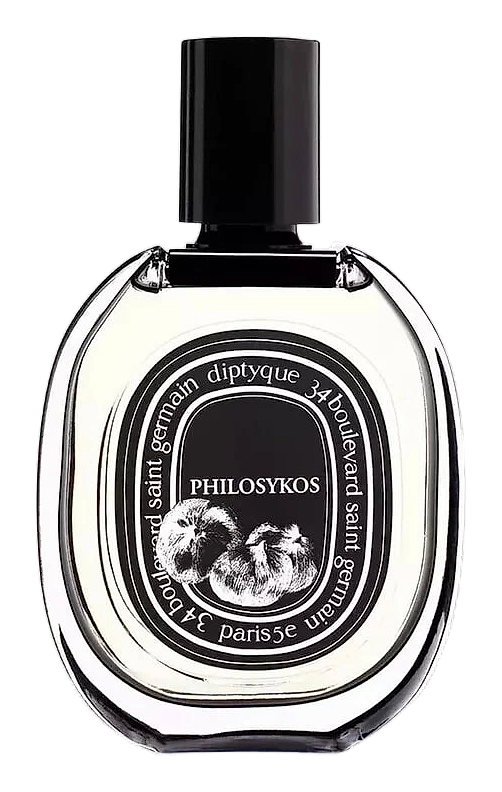
In 1996, Diptyque approached Olivia Giacobetti with a simple yet specific request: capture the experience of walking through a fig grove on Mount Pelion on the way to the sea. The brief was sensory, not technical. Giacobetti focused not on the fruit alone but on the entire organism: the Fig Tree, its leaves, bark, and the milky sap within. The result was Philosykos, named for the Greek word for lover of the fig. Giacobetti translated a landscape into a wearable composition, using Fig Leaf and Fig in the opening to establish immediacy, then allowing Green Notes and Coconut to develop the heart before settling into the woody permanence of Fig Tree and Cedarwood.
Philosykos is built on a single idea: the fig tree as a complete sensory object. Giacobetti understood that Fig Leaf carries the same volatile compounds as the fruit itself, making the distinction between opening and drydown less about variety and more about concentration and context. The addition of Coconut in the heart adds a tropical dimension that feels earned rather than imposed, a natural extension of the fig's creamy interior. Cedarwood in the drydown grounds the composition, preventing it from floating away entirely. The result is a fragrance that smells complete, like the tree it was named for.
The evolution
The opening of Philosykos hits like stepping from sunlight into shade: Fig Leaf and Fig create an immediate, almost vegetable freshness, slightly lactonic and undeniably green. As the minutes pass, Green Notes rise and the Coconut in the heart adds a quiet creaminess, as if the air itself has thickened. The transition to the drydown is where Philosykos reveals its discipline. Fig Tree takes over with a resinous, almost medicinal warmth, while Woody Notes and Cedarwood provide structure. The progression is less a transformation than a deepening, the fragrance growing more internal as it ages on skin.
Cultural impact
Since its 1996 debut, Philosykos has become a reference point for fig-centric fragrances, often cited by enthusiasts as the benchmark of green realism. Its ability to evoke a specific place has inspired countless niche houses to explore single-ingredient narratives, cementing its status as a cult classic among both casual wearers and dedicated collectors.