Fig Tree
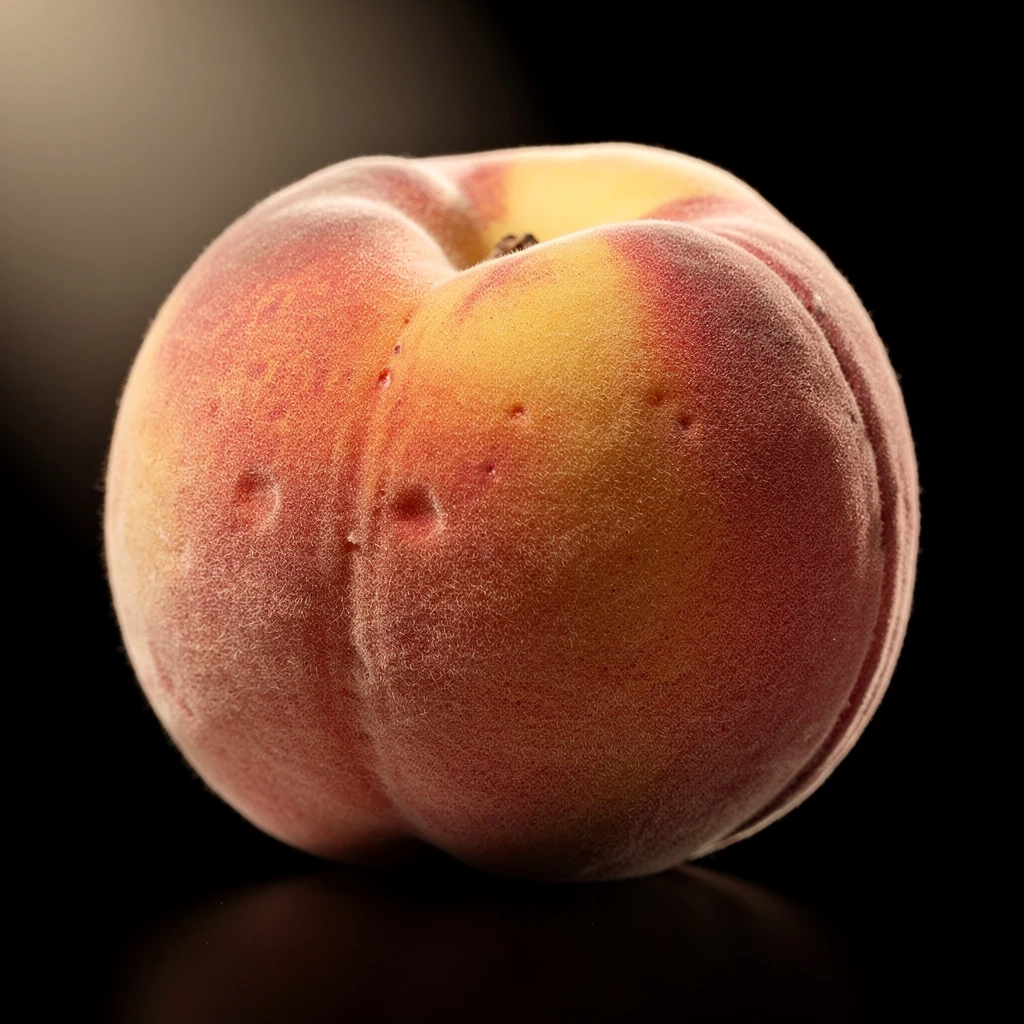
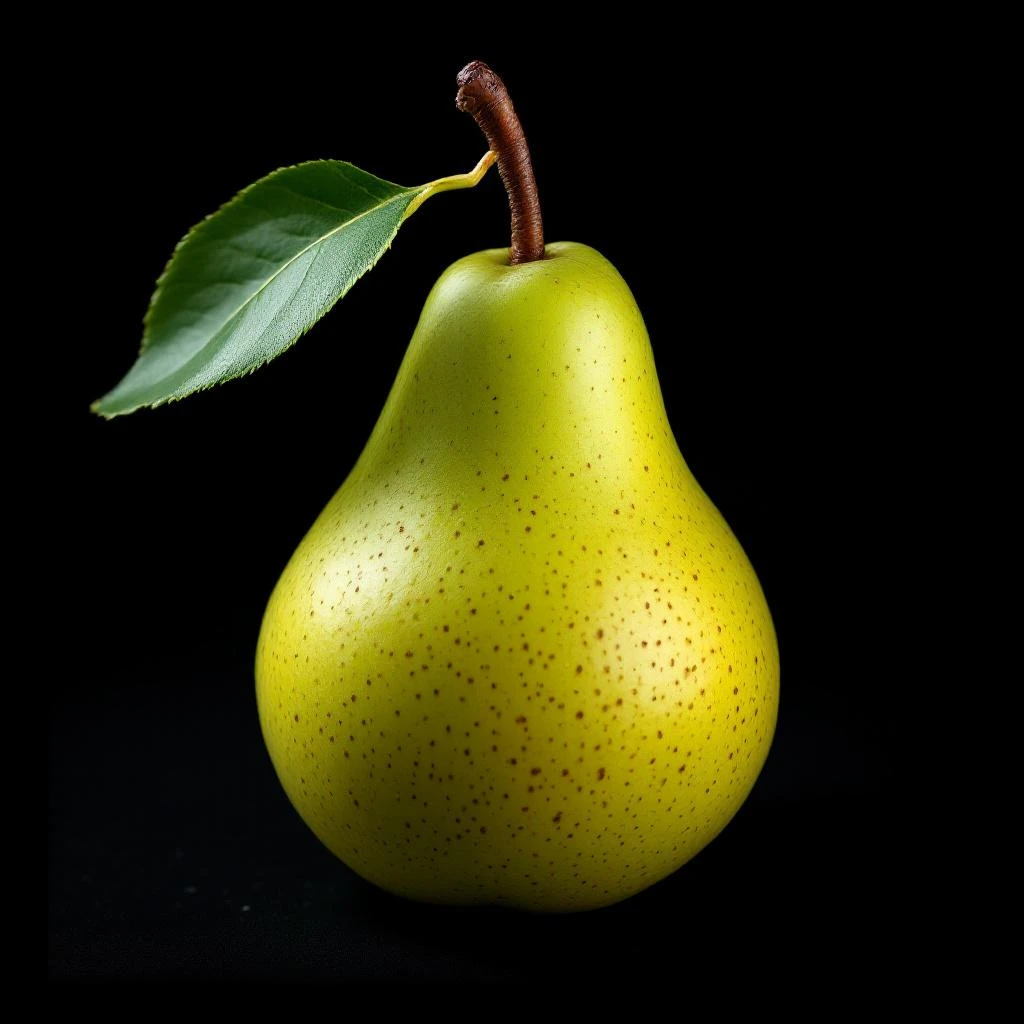
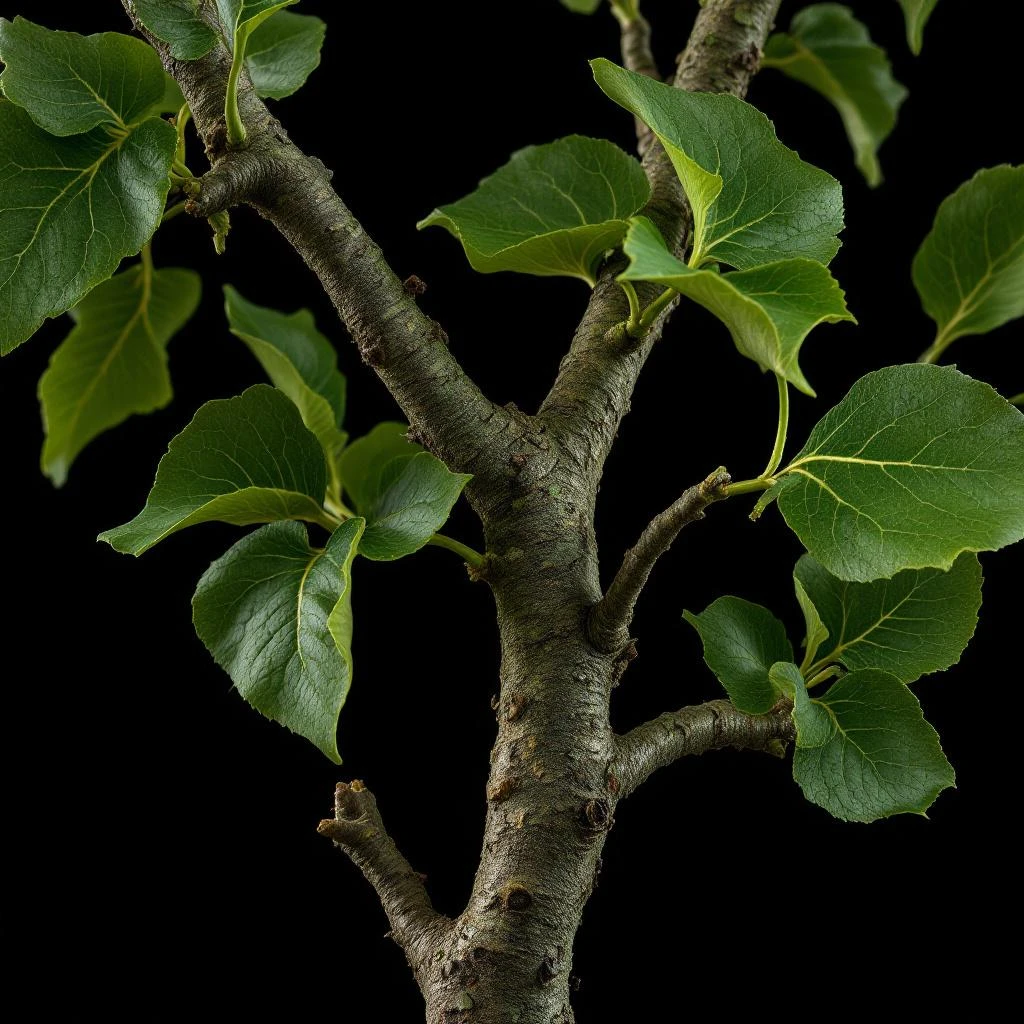
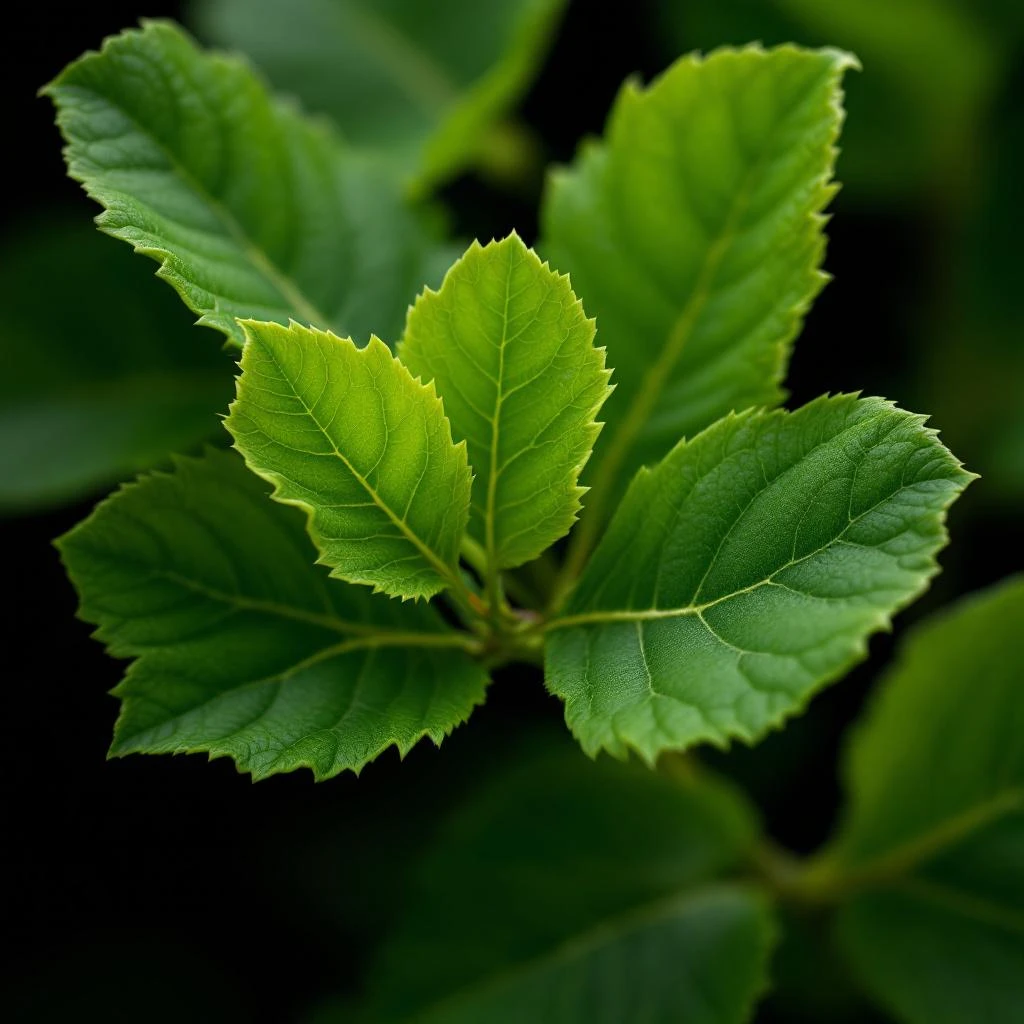
Fig Tree offers perfumery a rare duality: crisp green freshness from the leaves paired with warm, milky creaminess from the fruit and woody depth from the bark. This combination bridges earthy, creamy, and green scent families, creating a natural, quietly luxurious effect that avoids overt sweetness.
Character
How it smells
Mediterranean groves captured: green, creamy, and quietly grounding
Archaeological evidence suggests figs were among the first fruits cultivated by humans, with subfossils dating to 9400 BC found in a Neolithic village.






Origin
Mediterranean region (Western Asia)
The fig tree carries one of the oldest relationships with human civilization. Subfossils from a Neolithic village in the Near East, dating to 9400-9200 BC, suggest figs were among the first fruits ever deliberately cultivated by humans. Ancient Greeks linked the fig to Dionysus and fertility, while Romans developed dozens of varieties for food and trade.
The tree appears prominently in religious texts, including the biblical story of Adam and Eve, where fig leaves became humanity's first garments. Despite centuries of use in food, medicine, and ritual, fig remained absent from Western perfumery until relatively recently. The breakthrough came in 1994 when perfumer Olivia Giacobetti created Premier Figuier for L'Artisan Parfumeur.
Rather than focusing solely on the fruit, she captured the entire tree experience, from verdant leaf to sun-warmed wood. This solifruit approach transformed fig from an obscure note into a signature ingredient celebrated for its complexity and Mediterranean character.
Wears it best
Fragrances featuring Fig Tree
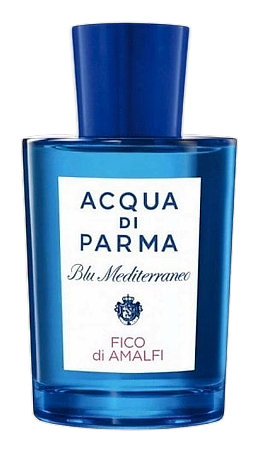

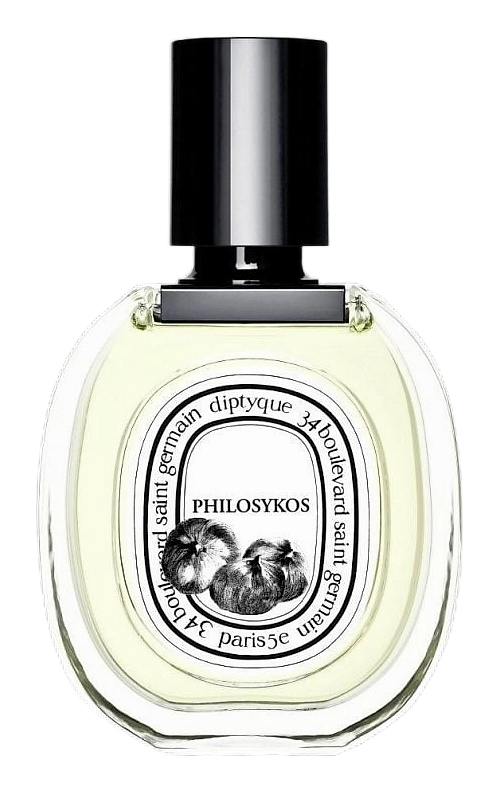



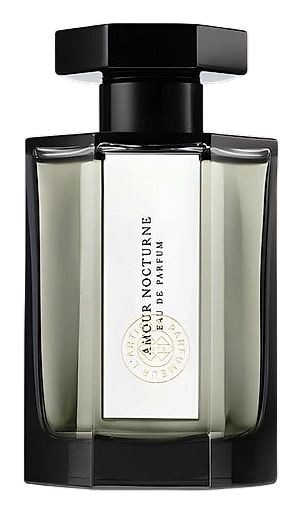
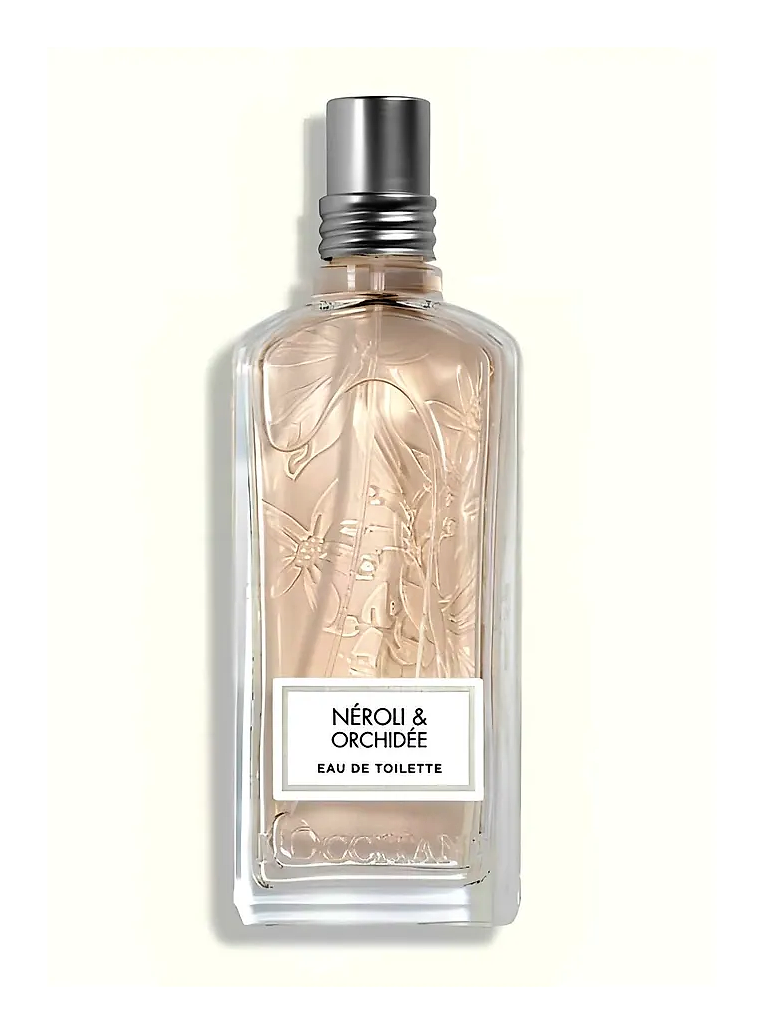
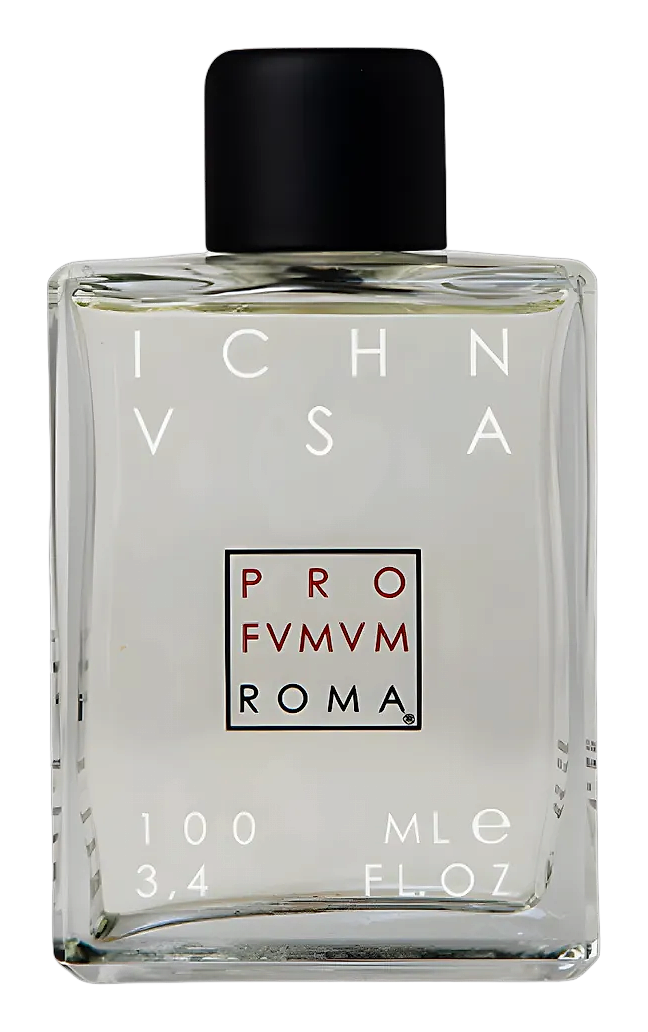
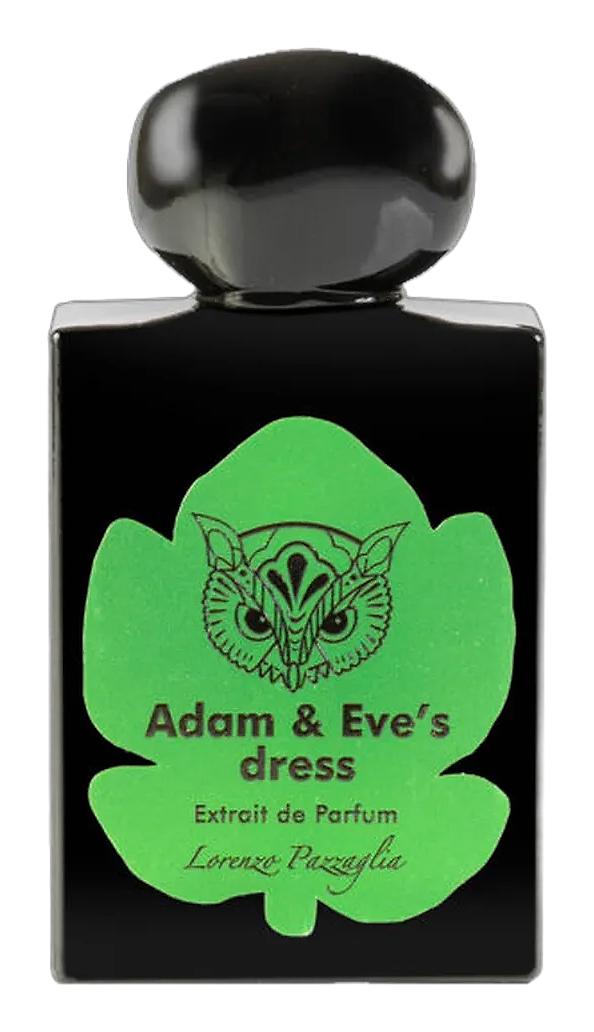
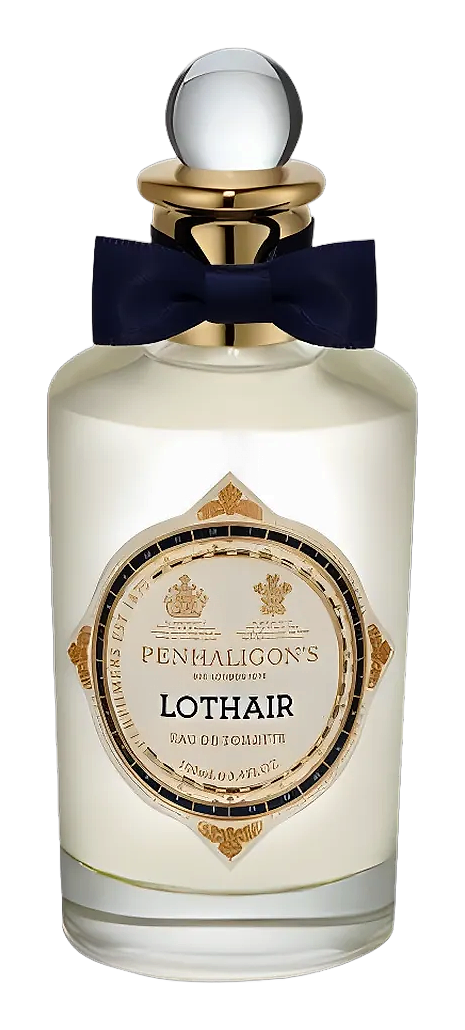
Brands
Brands known for Fig Tree
Good to know
Questions, answered
The essentials on Fig Tree in perfumery: how it smells, where it comes from, and how it behaves on skin.
What does Fig Tree smell like in perfume?
Fig Tree combines three distinct scent layers. The leaves provide fresh, slightly bitter greenness like snapped twigs. The fruit adds creamy, honeyed lactonic notes with coconut and marzipan undertones. The bark contributes warm, powdery woody depth. Together they create a clean, serene effect described as quietly luxurious.
Why is Fig Tree used in perfumery?
Fig Tree occupies a unique olfactory space between green freshness and creamy warmth. It provides natural depth without heavy sweetness, making it ideal for compositions that aim for understated elegance. The note also bridges multiple scent families, allowing perfumers to create complex, layered effects.
Is Fig Tree in perfume natural or synthetic?
Fig Tree in perfumery is primarily synthetic or accord-based. Direct extraction is impractical because figs do not yield essential oils through conventional methods, and IFRA prohibits fig leaf absolute due to phototoxicity concerns. Perfumers recreate the scent using combinations of natural extracts and synthetic aroma molecules including lactones and green notes.
What famous perfumes contain Fig Tree?
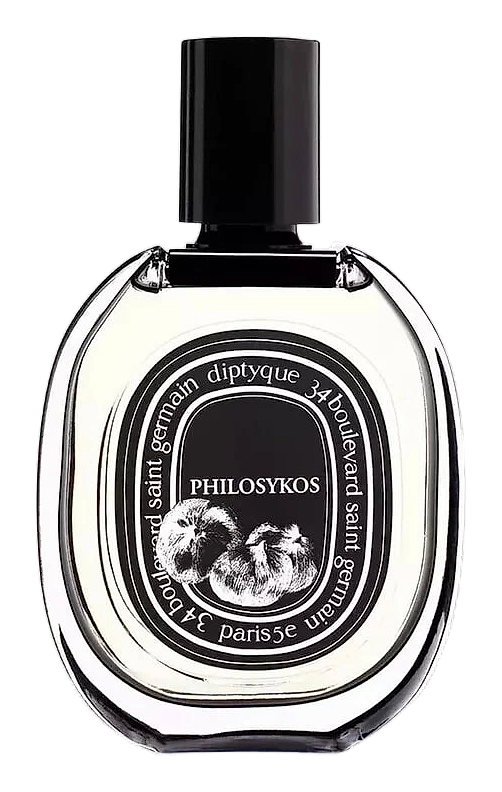
Premier Figuier by L'Artisan Parfumeur (1994) pioneered the fig soliflore genre. Other notable fig fragrances include Philosykos by Diptyque, Ninfeo Mio by Annick Goutal, and Figuier Electronique by Gainsbourg. The note appears across niche and mainstream brands.
Is Fig Tree a top note, heart note, or base note?
Fig Tree functions as both top and heart note depending on composition. The green leaf character appears immediately as a top note, while the creamy fruit accord develops in the heart phase. The woody bark provides grounding in the base, though fig rarely dominates drydown.
What notes pair well with Fig Tree in perfume?
Fig Tree pairs well with citrus, florals like jasmine and neroli, and woody notes including cedar and sandalwood. Coconut and almond enhance its lactonic creaminess. Aquatic or marine accords can evoke the Mediterranean origins of Ficus carica trees.
Where does Fig Tree come from?
Ficus carica originates from the Mediterranean basin and Western Asia. The species has been cultivated since approximately 9400 BC. Major producing regions today include Turkey, Greece, Italy, and Spain, where the warm, dry climate produces the sweetest fruit.
Is Fig Tree used in men's or women's fragrances?
Fig Tree appears across all fragrance genders. The note's versatility allows it to work in masculine compositions (often paired with vetiver or cedar), feminine scents (combined with florals or soft musks), and unisex fragrances that emphasize its natural, gender-neutral character.