
The Story
Why it exists.
The beginning
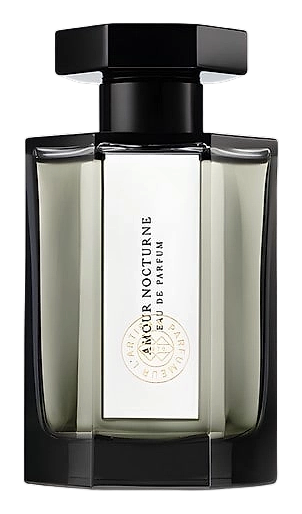
Bertrand Duchaufour built Amour Nocturne around a deliberate tension: the explosive and the intimate, colliding. Gunpowder and fig milk. Smoke and cream. The name says it plainly, nocturnal love, the hours when tenderness turns urgent. What arrives first is the gunpowder: mineral, metallic, unapologetically sharp. But it doesn't stay. It softens into the lactonic warmth underneath, the fig milk and vanilla taking over like a slow exhale. The concept wasn't about balance, it was about contrast that holds.
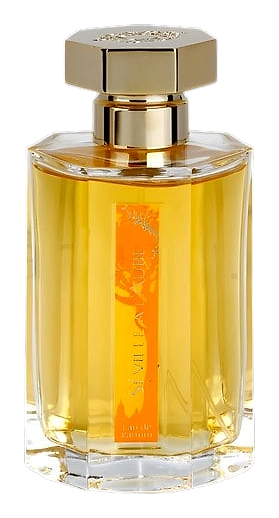
The composition works because gunpowder and fig milk don't cancel each other out. They're placed in opposition deliberately, and that tension gives the fragrance its depth. Duchaufour, known for Séville à l'aube, has never played it safe, and Amour Nocturne is proof. It opens like a lit match and becomes something you want to fall asleep in.
The evolution
The opening arrives like an explosion: gunpowder, aldehydes, the sharp mineral clarity of labdanum. Thirty minutes in, the white orchid shows up, creamy, not sweet, a counterweight to the metallic edge. The gunpowder doesn't disappear. It deepens, becomes part of the composition rather than the announcement of it. The drydown is where this fragrance earns its name. Caramel and vanilla take over, not replacing the smoke but weaving into it. Charred wood holds the base with a quiet smokiness. Heliotrope adds that powdery softness, the trace, the memory. This is intimacy: warm skin, the last ember, the hour after. Longevity sits comfortably in the 8-10 hour range on most skin. The sillage stays moderate, close, intimate, never forcing itself into a room.
Cultural impact
Launched in 2013 within the Explosions d'Émotions collection, Amour Nocturne has built a loyal following as a cult fragrance, particularly notable for its gunpowder note. It's become a reference point for those exploring lactonic-smoky compositions in niche perfumery, making it a benchmark for understanding how sweet and smoky elements interact in contemporary perfumery.
The House
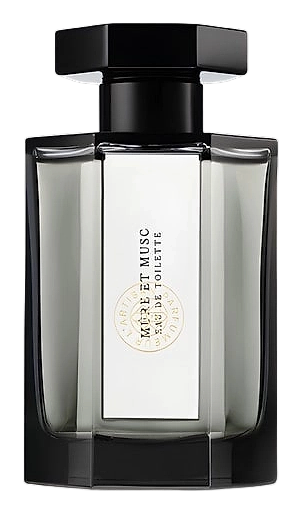
L'Artisan ParfumeurL'Artisan Parfumeur arrived in 1976 with a quietly radical idea: perfume should feel personal, not mass-produced. Founded by chemist Jean Laporte in Paris, the house became one of the first true niche fragrance houses, championing natural ingredients and artisanal craft at a time when blockbuster launches dominated the market. Its Mûre et Musc, launched in 1978, paired blackberry and musk in a way no one had attempted before, and it became a sensation. Over nearly five decades, the house has continued to create unusual fragrances with distinguished noses, never following trends but trusting instead in beautiful materials and imaginative composition.
The Creator
Bertrand DuchaufourDuchaufour is the master of smoke and shadow, of incense rendered with painterly depth rather than theatrical force. Where many perfumers treat frankincense as a single note, he builds incense as a tonal range, capable of austerity or warmth depending on what the fragrance dem…