Heliotrope
Heliotrope delivers a powdery sweetness reminiscent of warm vanilla and marzipan, with delicate floral whispers that have enchanted perfumers since the 19th century.
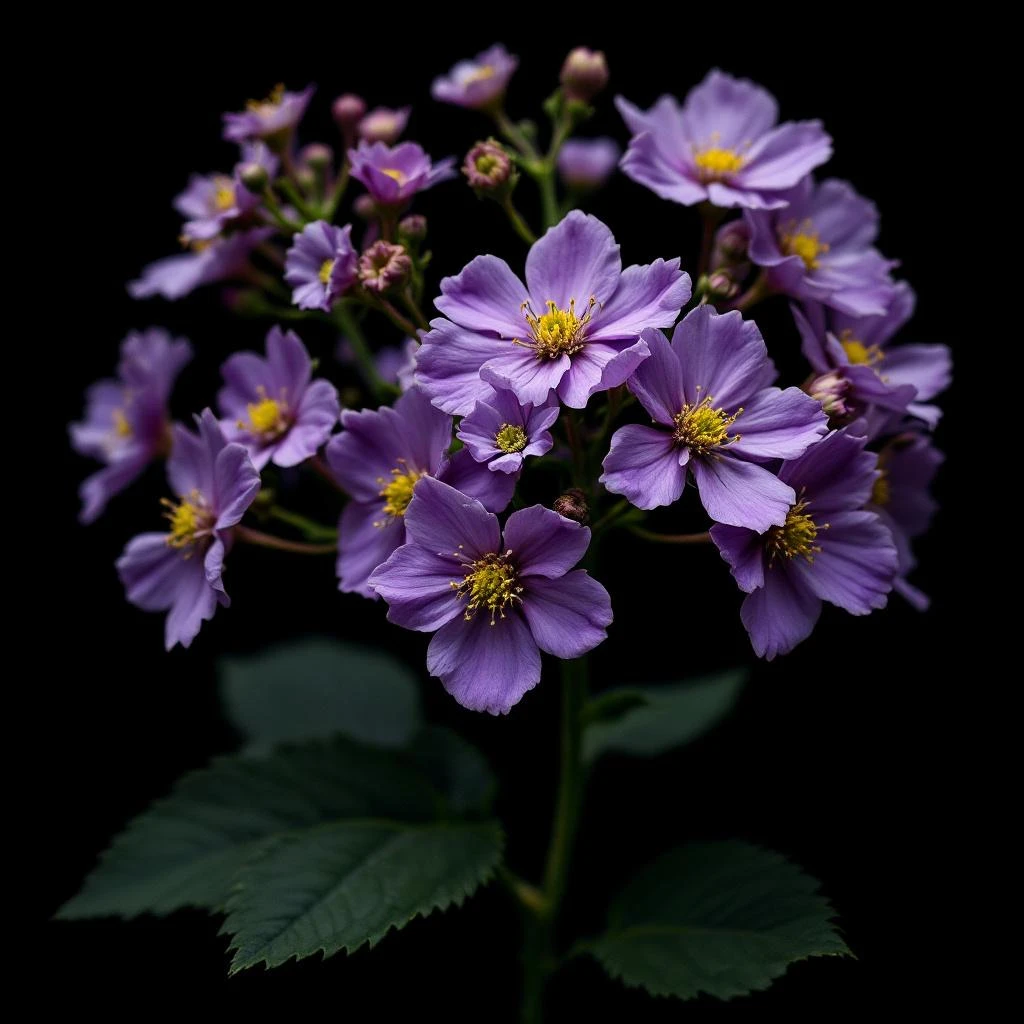
Character
How it smells
Powdery sweetness with marzipan warmth.
The molecule responsible for heliotrope's scent was first isolated in 1869 from sassafras oil, not the flower itself.








Origin
Peru
While the heliotropin molecule entered perfumery in the 19th century, the purple heliotrope flower itself has ancient roots. Egyptians used the flower in ceremonial contexts, placing it among offerings alongside resins and botanicals.
The transition from whole-flower use to molecular perfumery came in 1869 when chemists Fittig and Mielck isolated piperonal from sassafras oil. This discovery unlocked a century of creative possibilities, as perfumers could now access the distinctive sweet, powdery, marzipan-like note without relying on delicate flower extractions.
Peru remains the flower's native heartland, where Andean populations traditionally appreciated its fragrance. The synthetic molecule brought heliotrope into mass-market fragrances while preserving the intimate connection to its botanical origins.
Wears it best
Fragrances featuring Heliotrope
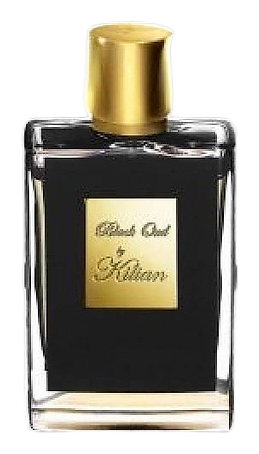
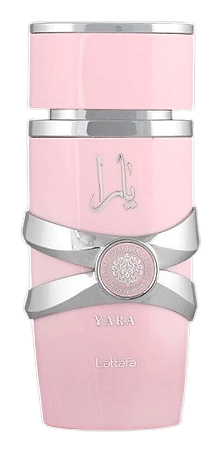
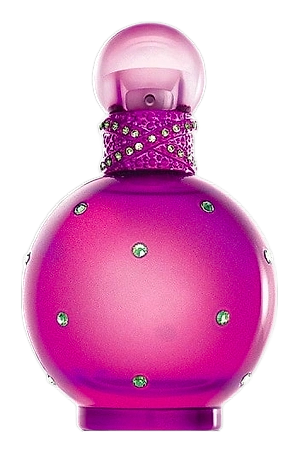



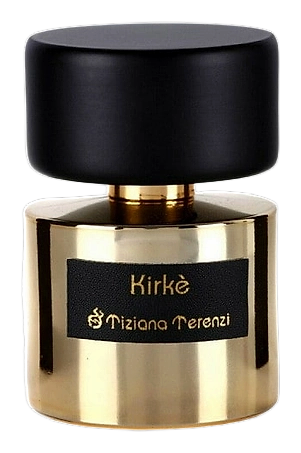
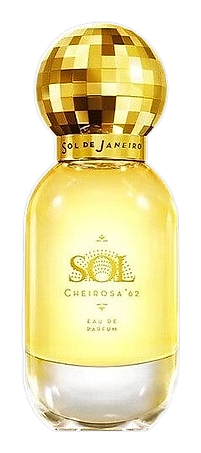
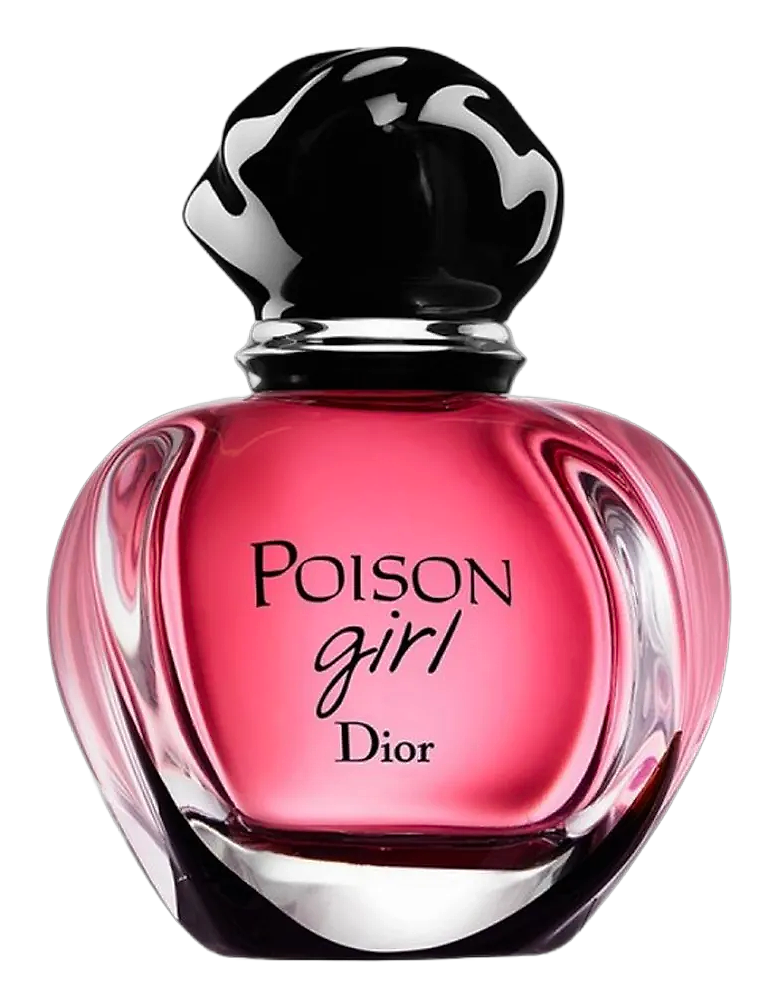
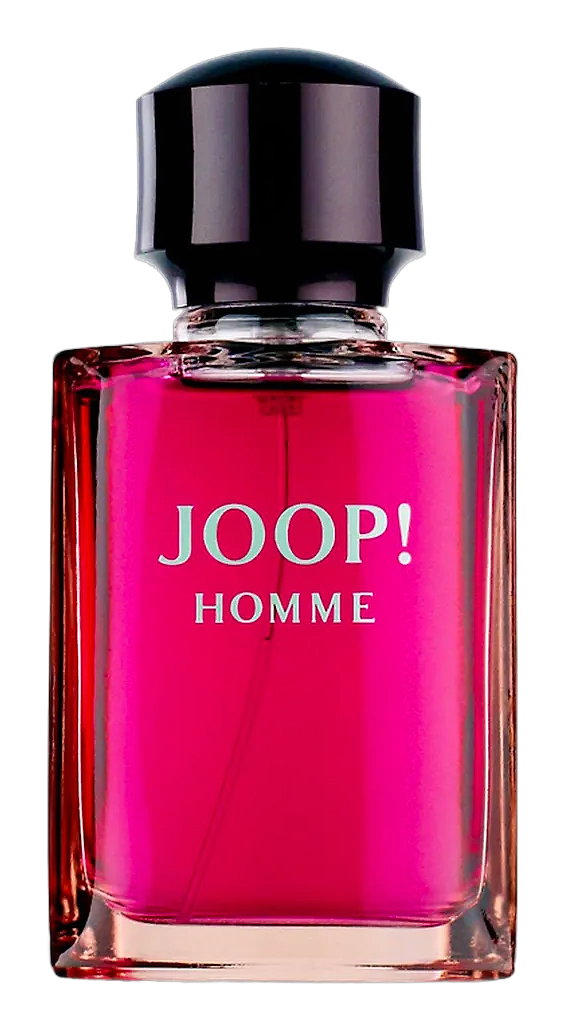
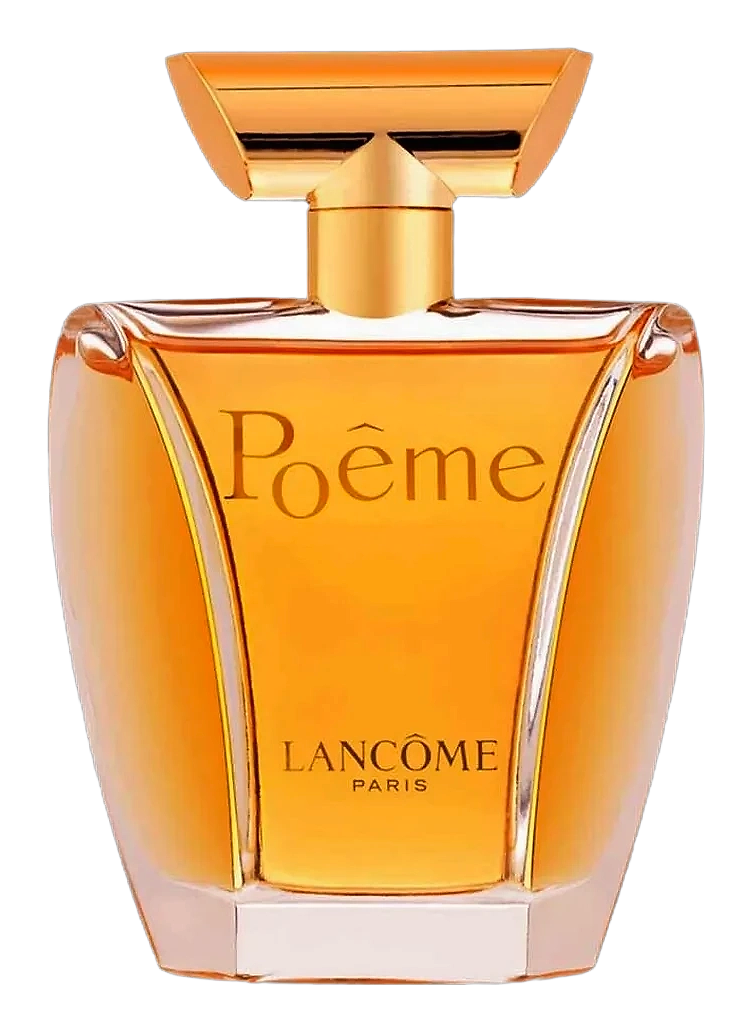
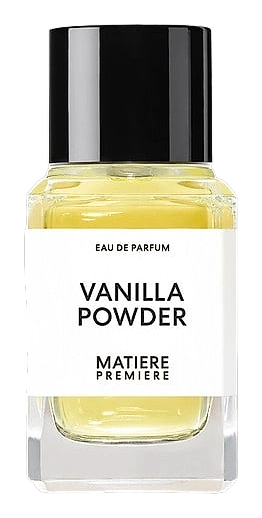
Brands
Brands known for Heliotrope
Good to know
Questions, answered
The essentials on Heliotrope in perfumery: how it smells, where it comes from, and how it behaves on skin.
Is heliotrope a natural or synthetic ingredient?
Modern perfumery uses primarily synthetic heliotropin (piperonal). While heliotrope flowers were used historically, the molecule itself is now chemically synthesized for consistency and sustainability.
What does heliotrope smell like?
Heliotrope reads as sweet, powdery, and slightly nutty, evoking warm vanilla and marzipan with a delicate floral undertone. The effect is intimate and comforting rather than loud.
When did perfumers first use heliotrope?
The flower appeared in perfumery centuries ago, but heliotropin was not isolated until 1869. Commercial synthetic production began roughly 60 years later, in the early 20th century.
Is heliotrope used as a natural extract in perfumery?
Almost no modern fragrances use natural heliotrope extract. Extracting the molecule from flowers yields too little material, making synthetic heliotropin the practical choice for perfumers.
What fragrance families pair well with heliotrope?
Heliotrope belongs in oriental and floral compositions. It blends naturally with tonka, vanilla, jasmine, and sandalwood, adding warmth and a powdery softness to the heart notes.
How long does heliotrope last in a fragrance?
Heliotropin acts as a heart-to-base note with moderate tenacity. In a well-formulated fragrance, its presence remains detectable for four to six hours on skin, depending on concentration.
What ingredients can substitute for heliotrope?
Tonka bean provides a similar sweet, coumarin-like warmth. Vanilla and benzoin add the creamy sweetness, while synthetic options like ambrette reproduce the powdery effect.
How long has heliotrope been in perfumery?
The heliotrope flower has ancient origins in perfumery, with documented use in Ancient Egypt. However, the specific aromatic molecule was only discovered in 1869, launching its modern perfumery career.



