The Story
Why it exists.
The beginning
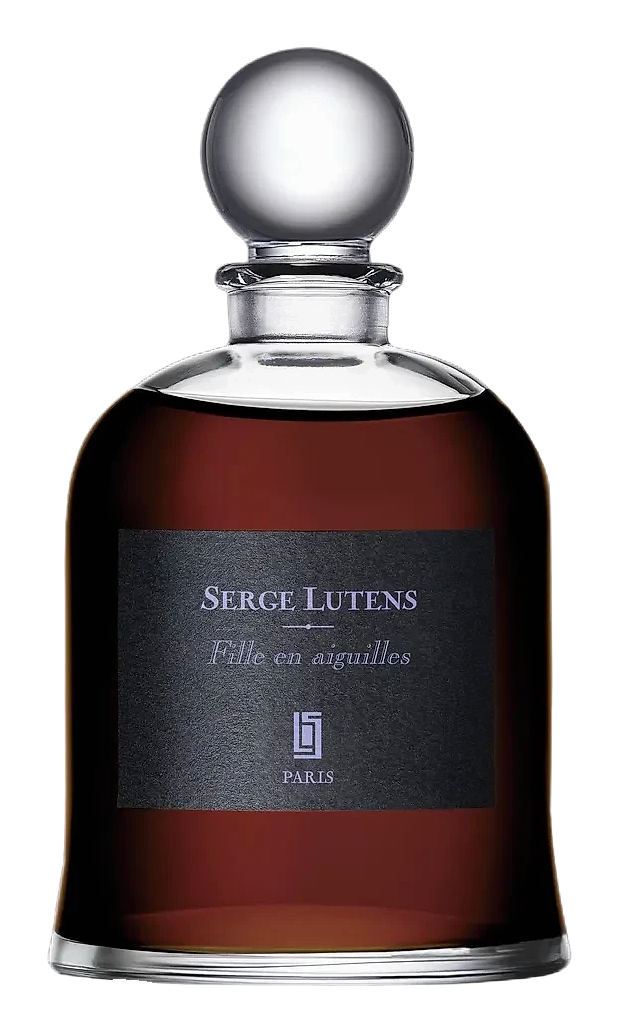
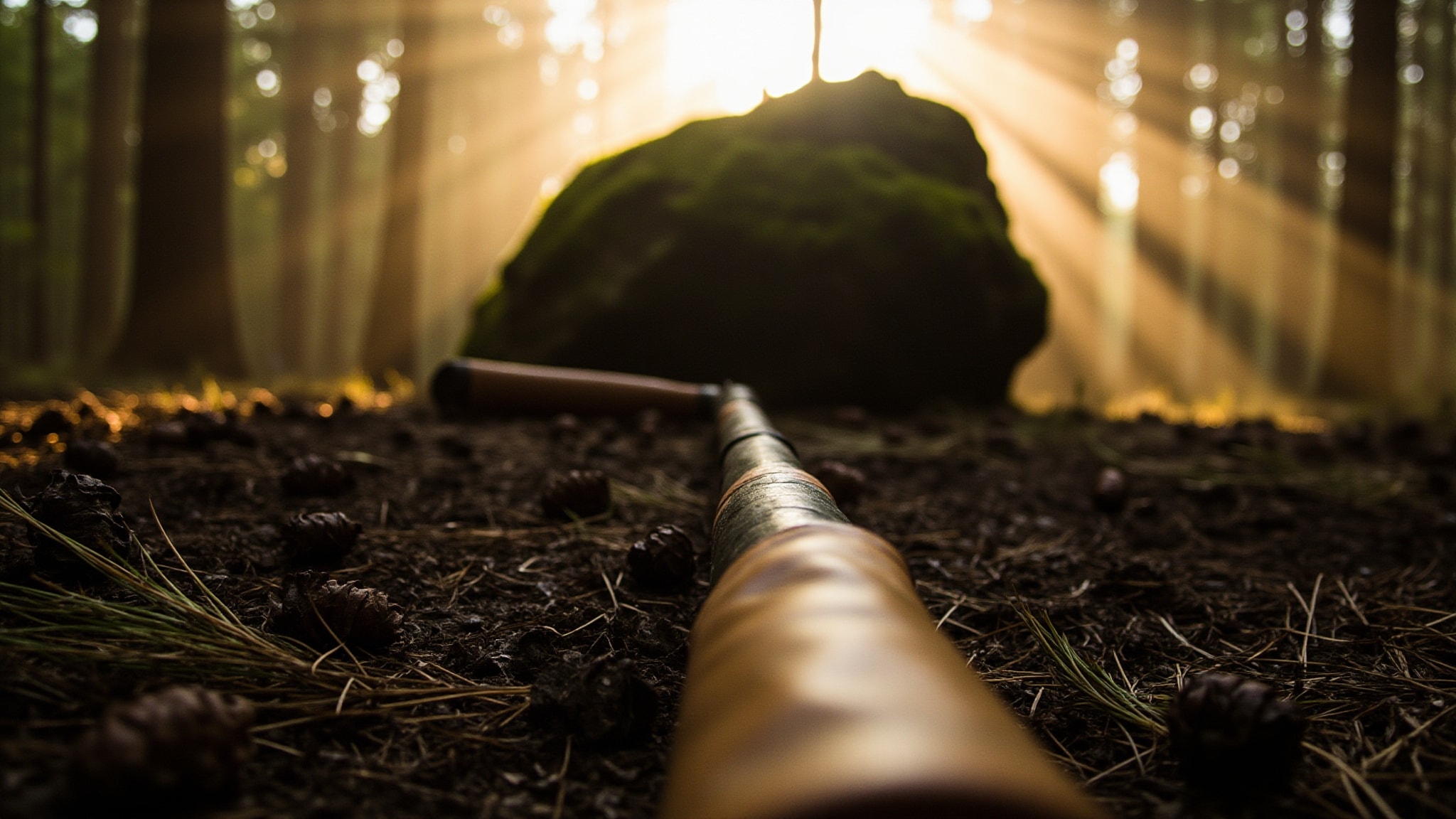
Serge Lutens carries forests in his mind, and Fille en Aiguilles emerged from that internal landscape. Christopher Sheldrake translated the image of pine needles caught in summer sun into a fragrance that refuses to soften its conifer identity. The name itself carries an image of delicacy meeting sharpness, a girl on pins, and the composition mirrors that tension.
The note selection reflects a philosophy of contrasts: sharp against soft, smoke against sweetness, green against resinous. Each element serves a purpose in rendering that internal forest. The dried fruits and incense prevent the pine from becoming purely masculine or austere, while the herbaceous notes and bay leaf add dimension that rewards attention.
The evolution
The fragrance moves from sharp pine needles and balsam fir into a warmer territory where incense and dried fruits temper the conifer brightness. As bay leaf and herbaceous notes emerge, the composition takes on an almost edible quality before vetiver draws everything toward an earthy, grounding close. Solar notes persist as a quiet warmth underneath, like sunlight filtering through canopy.
Cultural impact
Fille en Aiguilles occupies a distinctive space for those who want the depth of conifer without the sharpness of cleaning products and without tipping into full forestry immersion. The scent captures the experience of standing in a pine forest on a warm afternoon, not the tourist postcard version, but the real thing, needles crunching underfoot, resinous air heavy with heat. The pine-forward character stays bright and green throughout the drydown, never softening into something polite or generic. You might find yourself catching whiffs of it hours later, a reminder of something half-remembered.