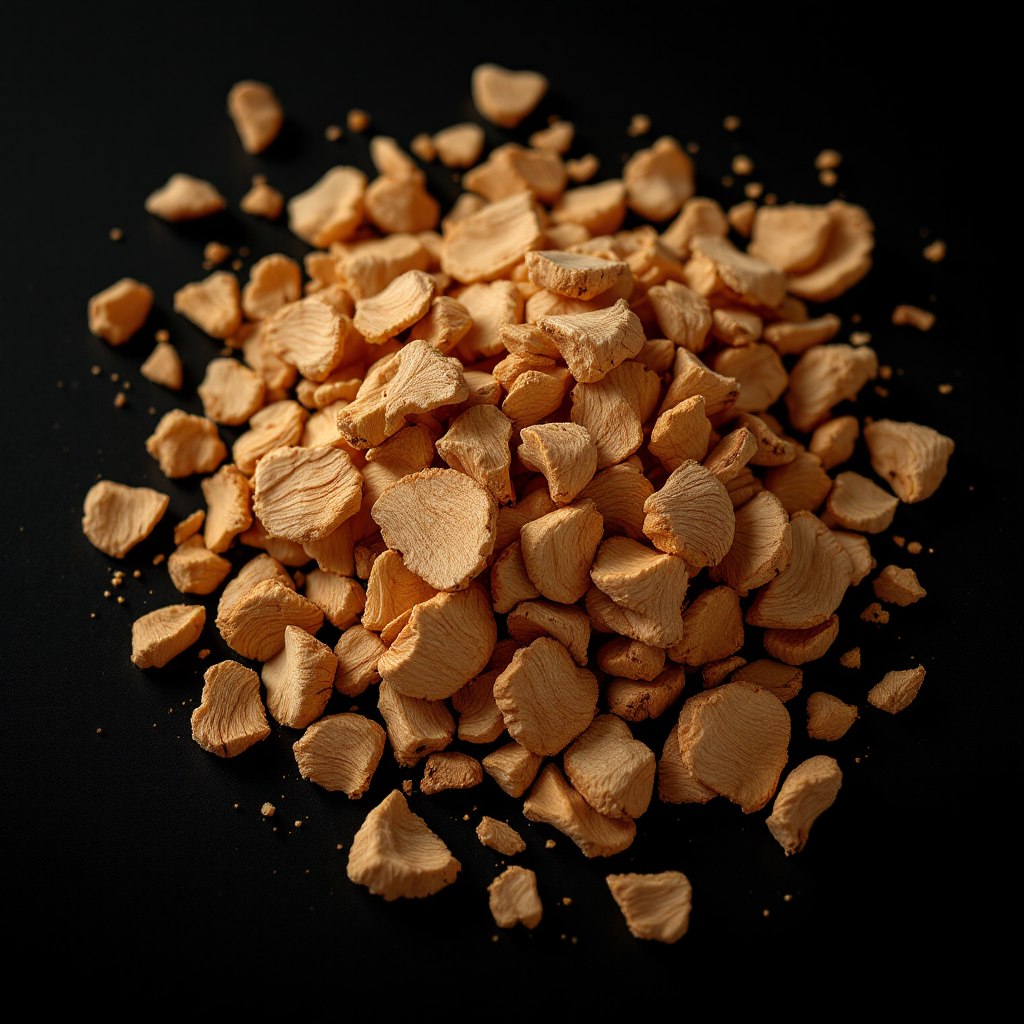
Pine Needles
Pine needles essential oil delivers a crisp, evergreen fragrance with sharp conifer character and a fresh, resinous backbone. Steam distilled from Pinus sylvestris needles, it bridges aromatic and woody fragrance families while providing natural antiseptic properties. A staple in masculine colognes, forest-inspired compositions, and seasonal winter fragrances.
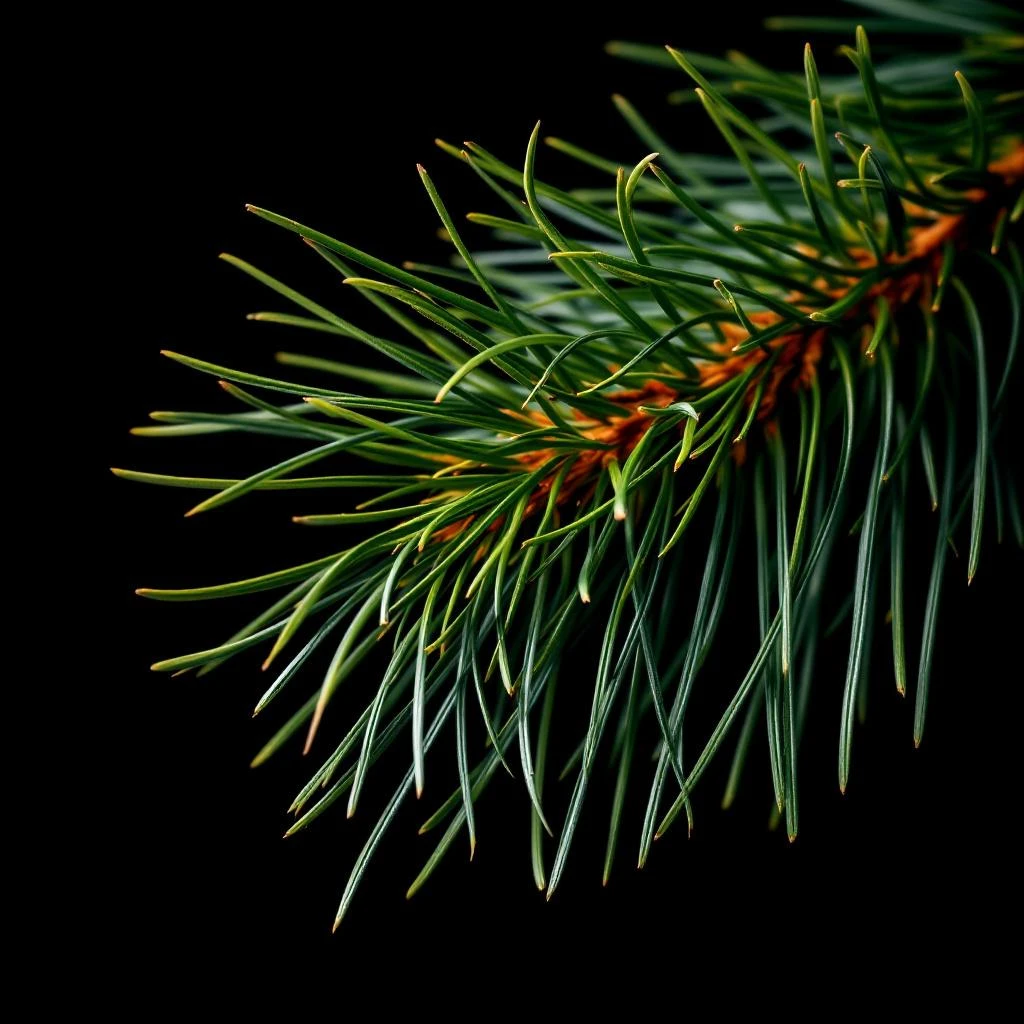
Character
How it smells
The crisp evergreen of northern forests, captured in a single drop.
Pinus sylvestris has the widest natural distribution of any pine species, growing from Scotland across northern Europe to Siberia, and individual trees have survived temperatures as low as -83 degrees Fahrenheit in eastern Siberia.







Origin
France
The word pine derives from the Latin pinus, meaning resinous tree, a designation that has remained unchanged for millennia. Ancient Egyptian texts document pine resin use in embalming and religious ceremonies, while Greek and Roman physicians prized the essential oil for its antiseptic properties. Soldiers carried pine resin into battle for wound treatment, and the Greeks burned pine needles in sacred rituals.
Medieval Europeans faced persistent urban odors from inadequate sanitation, and pine oil served the practical function of masking these smells. Monastic herbalists cultivated pine trees specifically for medicinal preparations that treated respiratory ailments. By the eighteenth century, perfumers began systematically incorporating pine needle oil into masculine fragrances, establishing an aromatic tradition that continues today.
Pinus sylvestris holds the distinction of being the only pine native to Britain and northern Europe. The tree has demonstrated remarkable adaptability, naturalizing across an extraordinary geographic range from Scotland to the Pacific coast and from Scandinavian Arctic regions to the Mediterranean. This widespread presence ensured multiple cultures developed independent relationships with the tree, leaving distinct marks on regional traditions from Native American smoke ceremonies to Scandinavian winter festivals.
Contemporary perfumers return to pine needle oil for its authenticity as a natural ingredient and its alignment with consumer demand for sustainable, botanical fragrance components over synthetic alternatives.
Wears it best
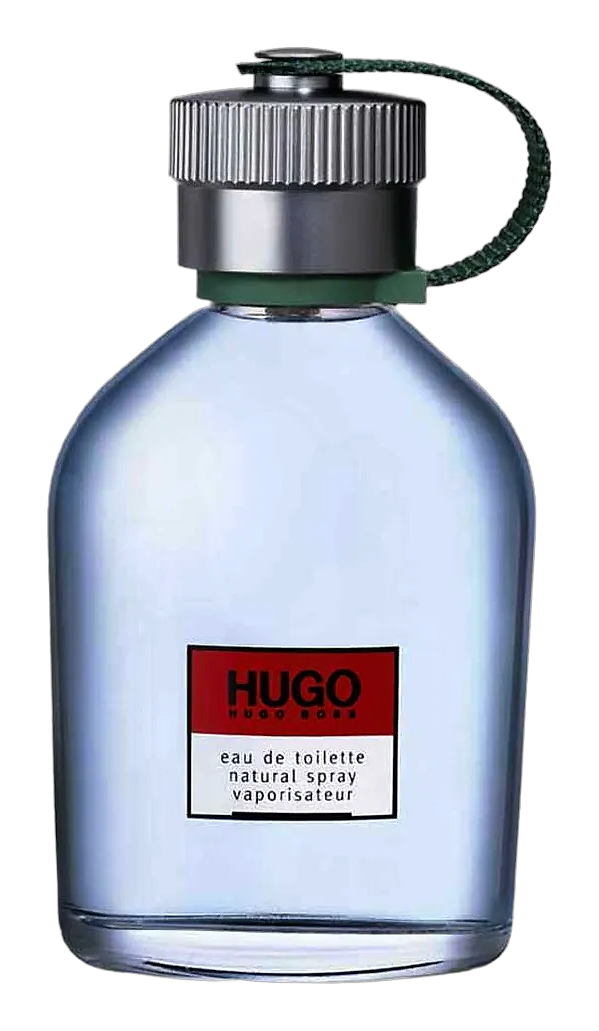
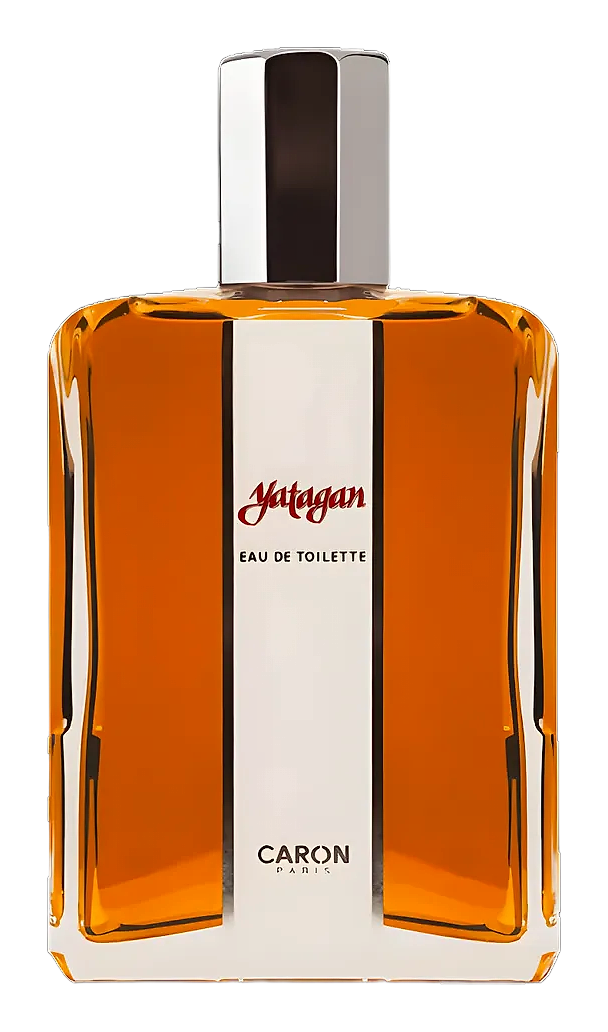
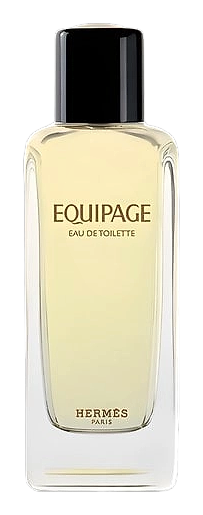
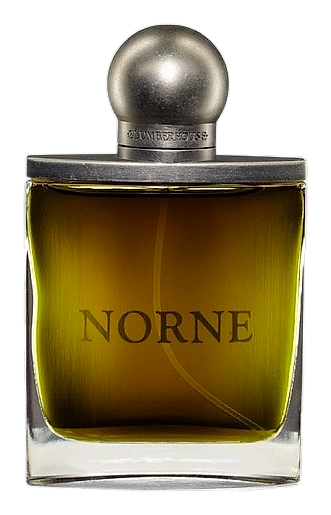
Fragrances featuring Pine Needles
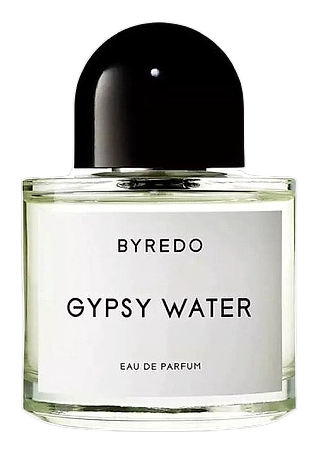
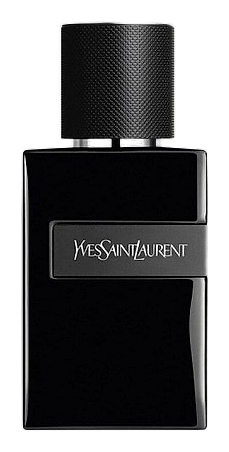
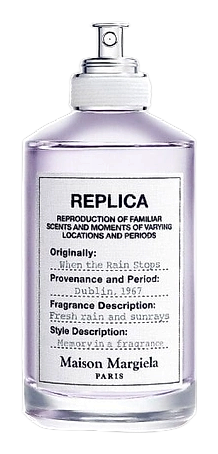
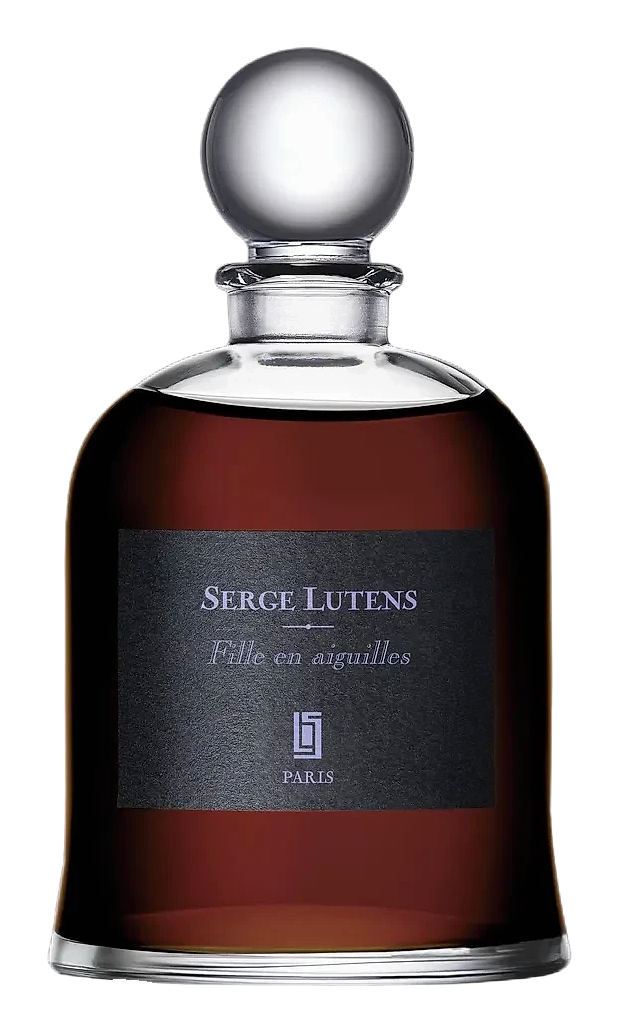


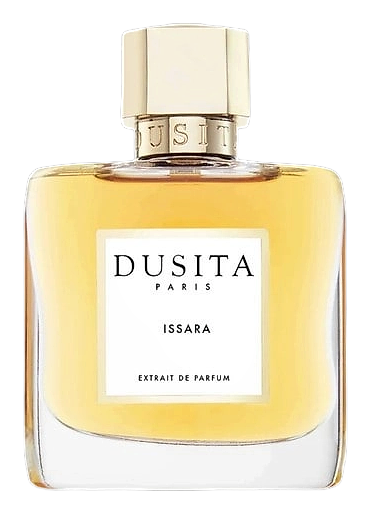

Brands
Brands known for Pine Needles
Good to know
Questions, answered
The essentials on Pine Needles in perfumery: how it smells, where it comes from, and how it behaves on skin.
What does Pine needles smell like in perfume?
Pine needle oil smells like a crisp, freshly cut evergreen forest. The fragrance is sharp and penetrating with balsamic sweetness, subtle citrus undertones, and a clean, resinous drydown. The characteristic freshness comes from dodecanal, an aliphatic aldehyde that creates the recognizable conifer aroma in forest fragrances.
Why is Pine needles used in perfumery?
Pine needles provide an authentic evergreen character that bridges aromatic, fougère, and chypre fragrance families. Beyond the distinctive scent, the oil offers natural antiseptic properties and satisfies growing consumer demand for sustainable botanical ingredients over synthetic alternatives.
Is Pine needles in perfume natural or synthetic?
Pine needle oil is typically natural, extracted via steam distillation from Pinus sylvestris needles. However, the broader market includes synthetic reproductions and various conifer species marketed under the pine name. Natural pine needle oil contains approximately 40 percent bornyl acetate along with multiple terpenes that synthetic versions often fail to replicate fully.
What famous perfumes contain Pine needles?
Pine needle oil appears in numerous masculine fragrances including Dior Fahrenheit, Chanel Allure Homme Sport, and Bleu de Chanel. The ingredient also features in seasonal winter collections and forest-inspired fragrances across both masculine and unisex categories.
Is Pine needles a top note, heart note, or base note?
Pine needle oil functions primarily as a heart note in traditional perfumery, providing sustained aromatic presence throughout the wear. The initial impression is sharp and immediate, but the conifer character lingers through the mid-development phase with a clean, evergreen presence.
What notes pair well with Pine needles in perfume?
Pine needles blend naturally with other conifer oils like cedarwood and juniper. Complementary notes include citrus (bergamot, lemon), herbal aromatics (lavender, rosemary), and spices (black pepper, cardamom). Warmer combinations pair well with incense, amber, and vanilla for seasonal autumn and winter fragrances.
How is Pine needles extracted?
Steam distillation is the industry standard method for pine needle oil extraction. Fresh pine needles enter a stainless steel still where high temperature steam vaporizes aromatic compounds. Vapors condense to liquid form, and because oil and water do not mix, the essential oil separates and floats to the surface for collection.
Is Pine needles used in men's or women's fragrances?
Pine needle oil has historically anchored masculine fragrance traditions and remains prevalent in men's colognes, aftershaves, and grooming products. Contemporary perfumers increasingly incorporate the note in unisex fragrances seeking an authentic, bold evergreen character for broader appeal.