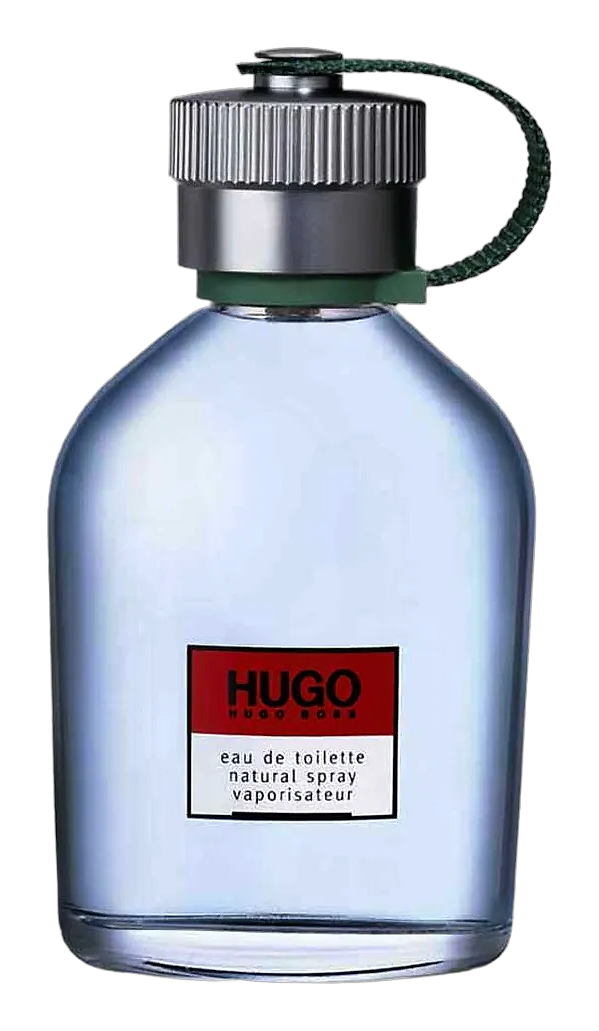

The Story
Why it exists.
The beginning
Hugo landed in 1995 with a brief that focused on the modern professional man. Perfumer Bob Aliano understood the assignment. The green apple and herb combination was deliberate, bringing a crisp, aromatic quality to the composition. Aliano built something that smelled clean and fresh, with an energy that felt contemporary. The fragrance was designed to be appropriate for every day but never boring. The apple note provides an immediate sweetness that feels bright and energizing, while the herbs add an aromatic complexity that keeps the scent from feeling too simple. There's a natural quality to the blend that makes it feel effortless rather than constructed.
What makes Hugo work is the discipline under the complexity. The green apple and mint open bright and sharp, but the herb heart is where the fragrance finds its identity. Sage, geranium, and cedar create an aromatic structure that gives the scent its character. It's the difference between smelling clean and smelling like a product. The green apple brings a crisp sweetness that opens the fragrance, while mint adds a cool, refreshing quality that lifts the blend. The herb heart is dominated by sage, which provides an aromatic complexity that anchors the composition.
The evolution
The opening announces itself in full: green apple's sweetness, the mentholated cool of mint, grapefruit lifting everything into brightness. A herbaceous wave follows immediately, basil, thyme, a whisper of rum. Ten minutes in, the sweetness fades and the real structure reveals itself. The heart arrives as a slow handshake between aromatic herbs and green florals. Carnation adds a slight spicy edge that catches you off guard. It's the phase that rewards patience, there's complexity here that the bright opening undersells. The drydown is where Hugo earns its reputation for intimacy. Fir and moss take over, adding a green-woody backbone that feels almost damp. Suede and sandalwood soften the edges, creating a skin-like warmth that lingers close. The suede is the tell, that's what survives the longest, what your collar catches when you've already forgotten you applied it.
Cultural impact
Hugo is a masculine fragrance with a green-herbal character that has been part of the designer fragrance landscape. The scent offers a distinct alternative to heavier masculine compositions, with a freshness that sets it apart. Its blend of aromatic herbs and bright top notes creates a fragrance that feels both contemporary and timeless. The composition appeals to those who appreciate complexity without overwhelming intensity, making it a notable entry in the Hugo Boss fragrance collection. It's the kind of scent that can become a signature for those who appreciate its particular character.