Sage
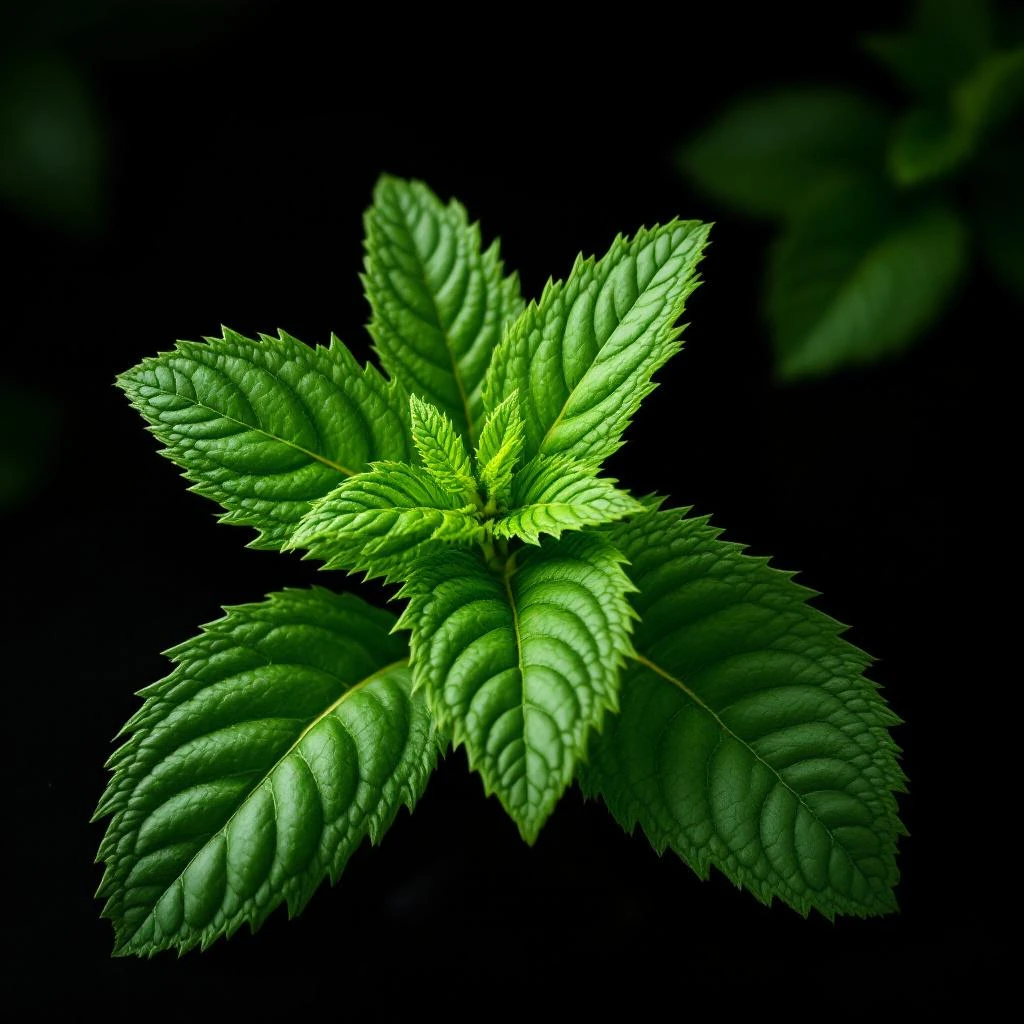
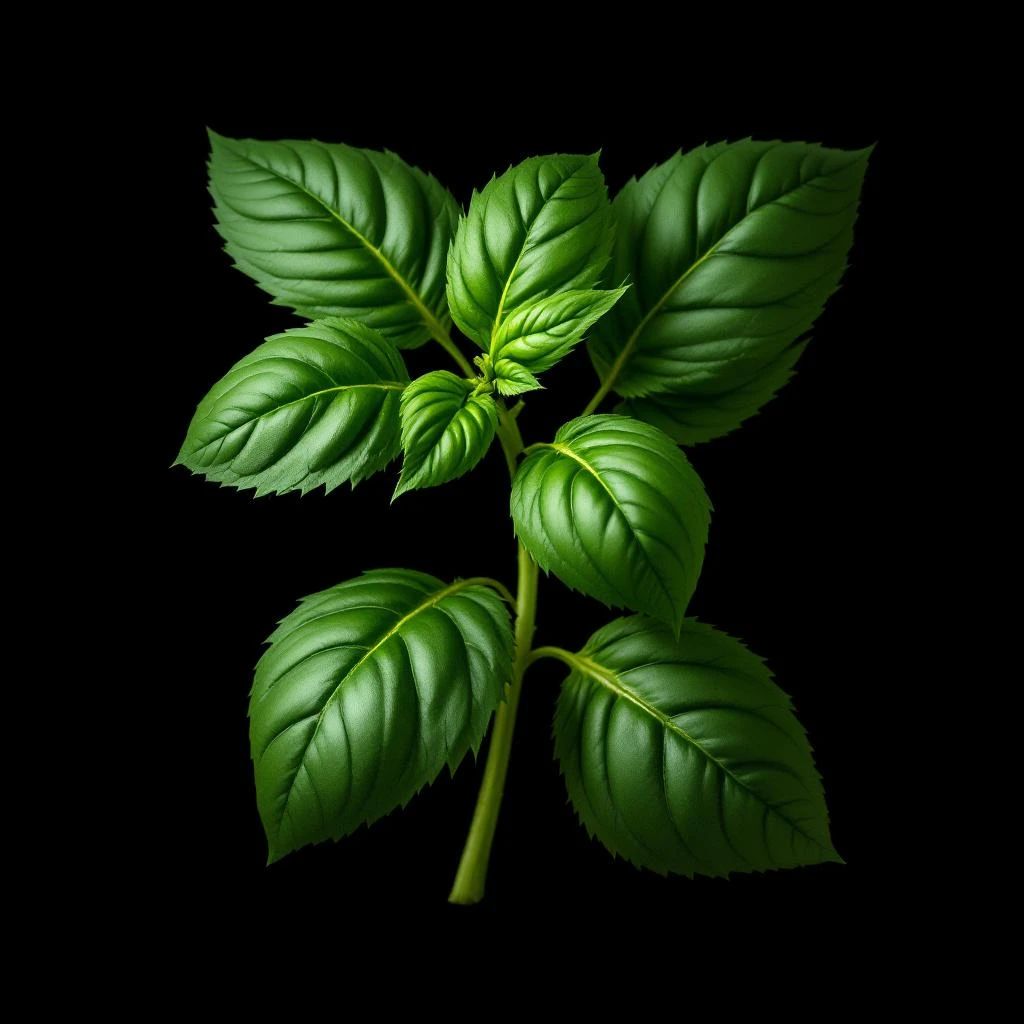
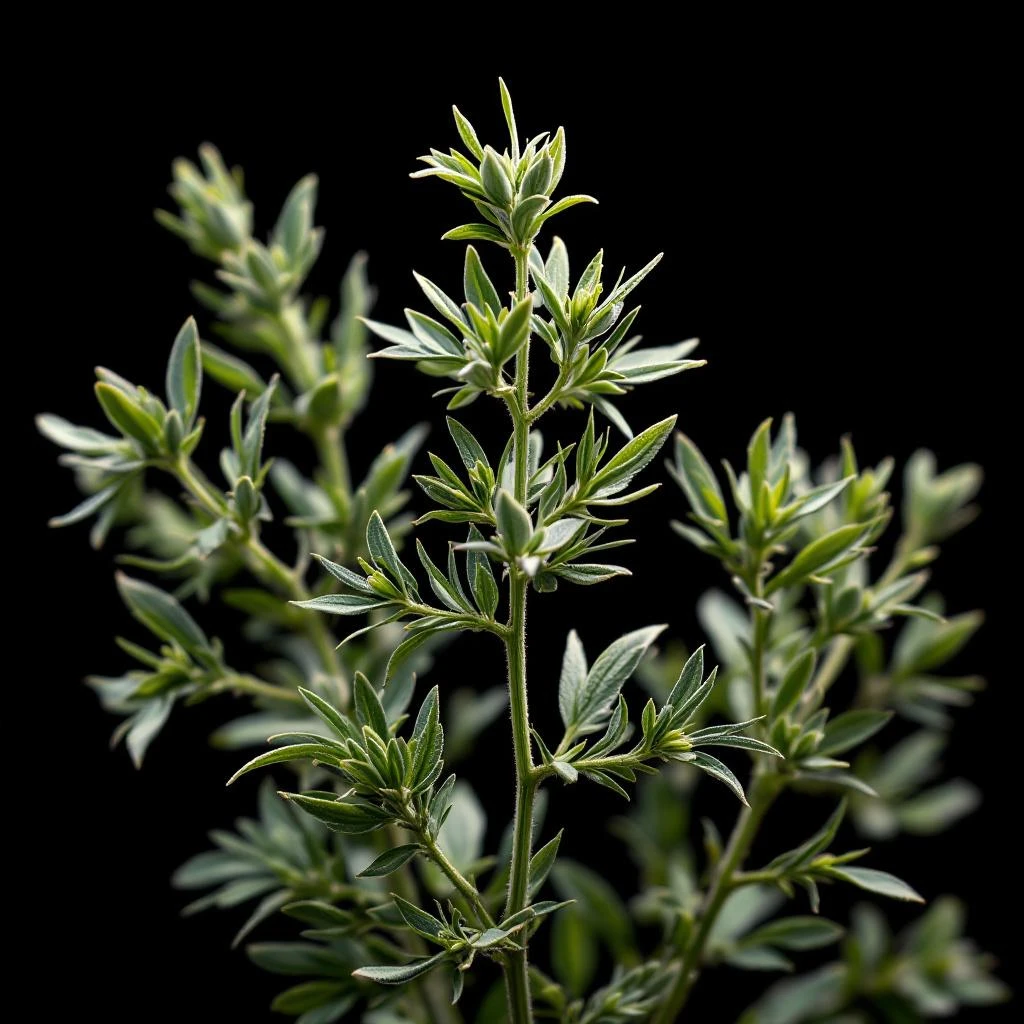
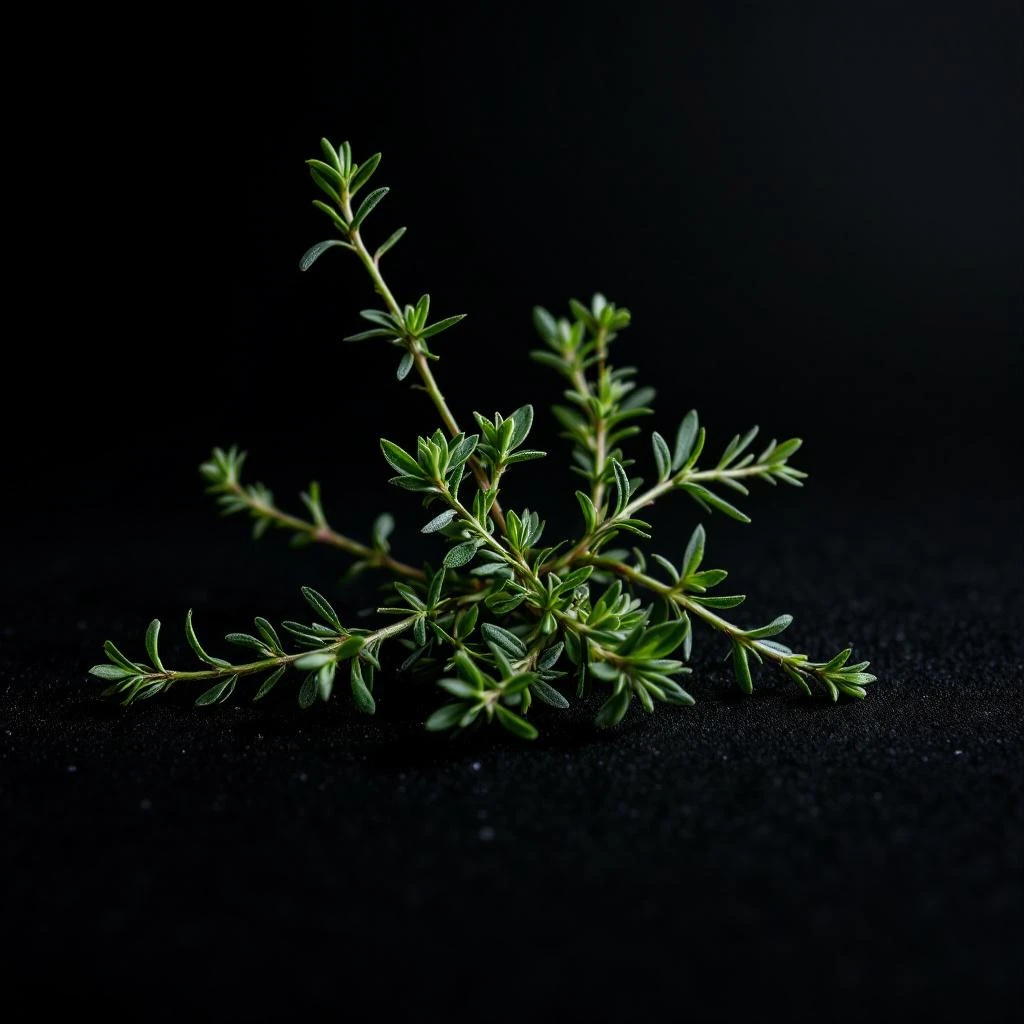
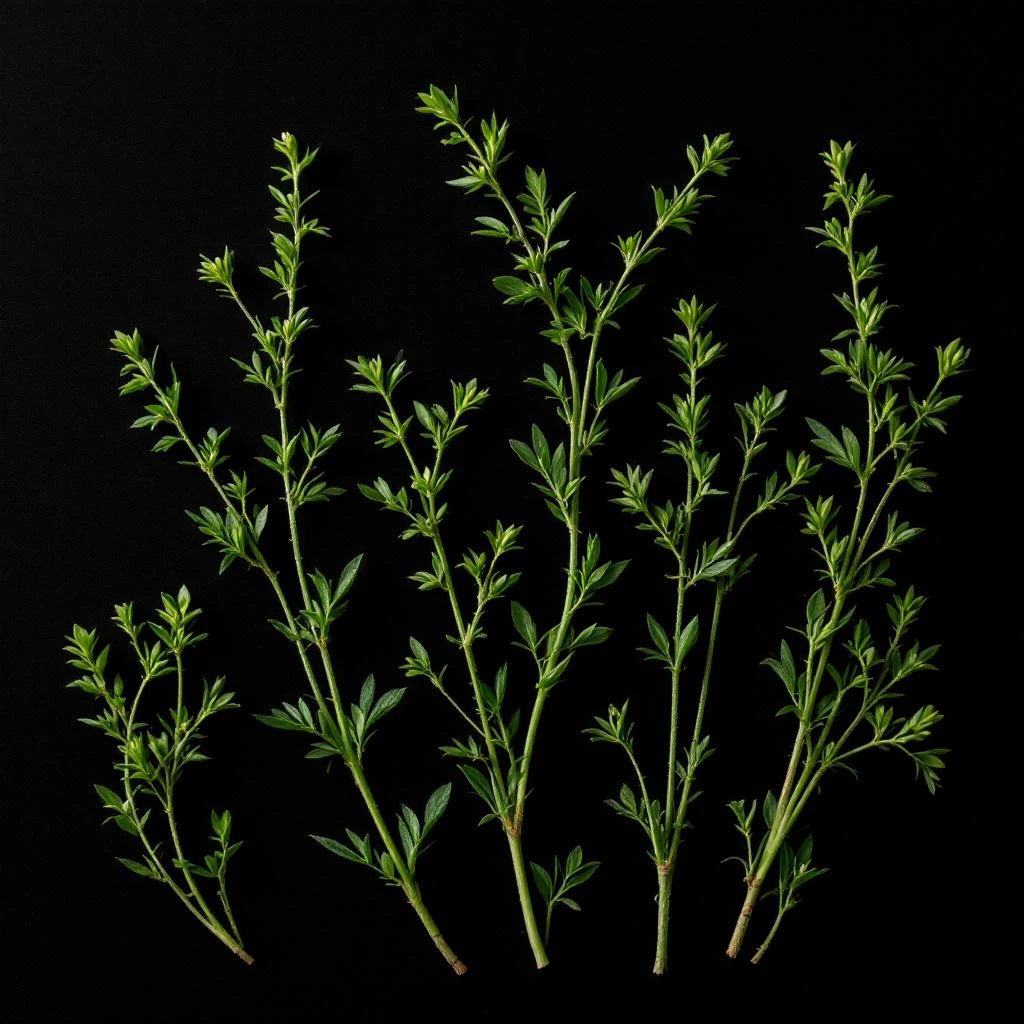
Sage brings herbaceous clarity to fragrances. This Mediterranean native delivers crisp, slightly camphorated freshness that grounds floral compositions and adds structure to woody creations.
Character
How it smells
Ancient herb. Modern refinement.
The genus name Salvia derives from the Latin 'salvare,' meaning to heal or save, reflecting centuries of medicinal use across cultures.







Origin
France
Sage has accompanied human civilization since antiquity. The Romans considered it sacred, believing it promoted immortality, while Greek physicians prescribed it for everything from snakebites to cognitive clarity. The plant's Latin name Salvia comes directly from 'salvare,' meaning to heal or save, a testament to its reputation across millennia.
Mediterranean cultures incorporated sage into religious ceremonies and medicinal preparations long before perfumery existed as a discipline. When perfumers began systematically sourcing natural ingredients during the 19th century expansion of the fragrance industry, sage joined the palette of accepted aromatic materials. Its herbaceous character offered perfumers something distinct: a green, clean quality that could anchor compositions or provide sparkling top-note clarity.
Today, sage remains a staple in aromatic and fougère fragrances, valued for its versatility and its connection to centuries of botanical tradition.
Wears it best
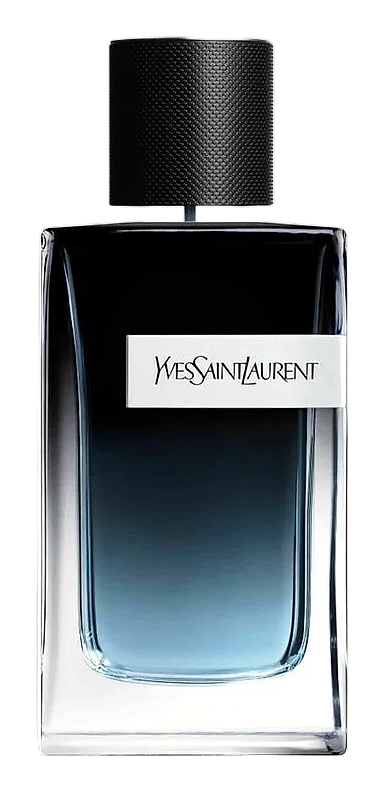
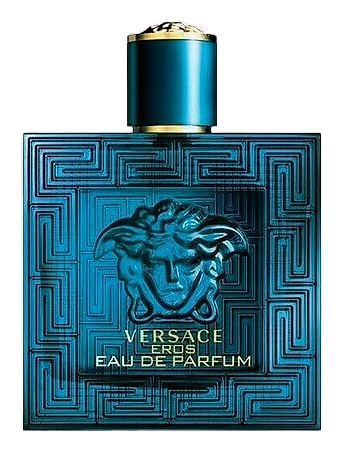
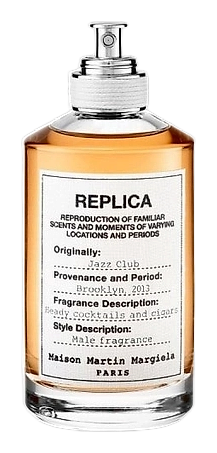
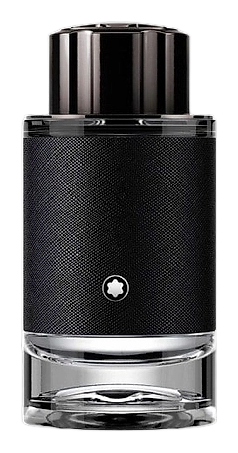
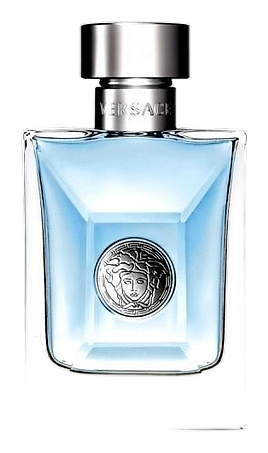
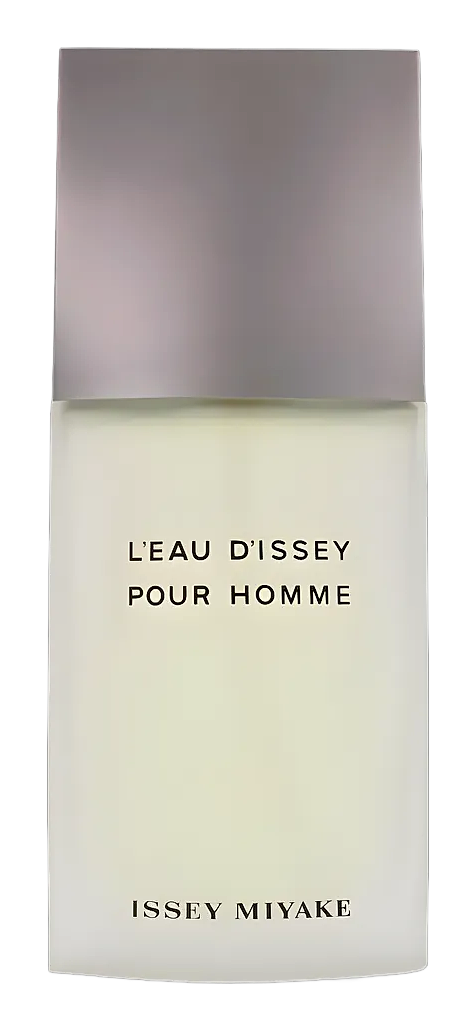
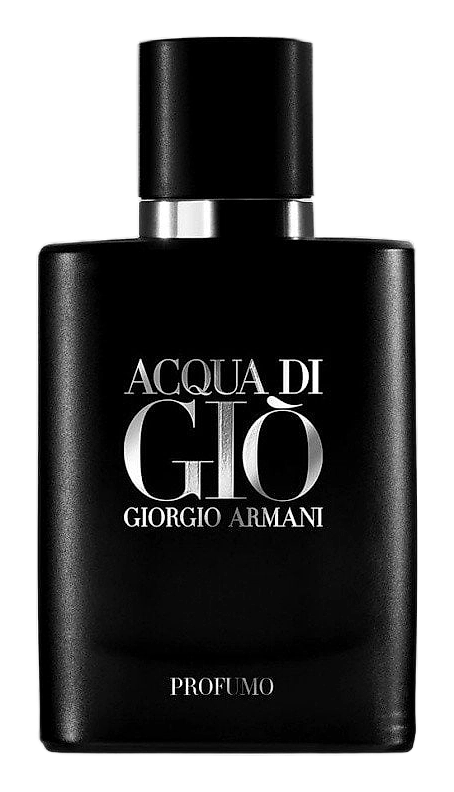
Fragrances featuring Sage

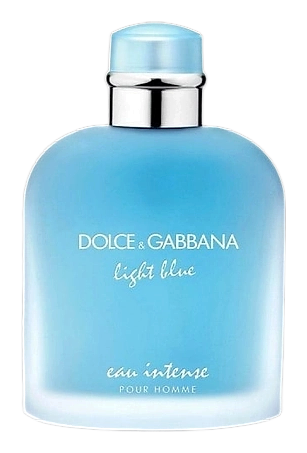
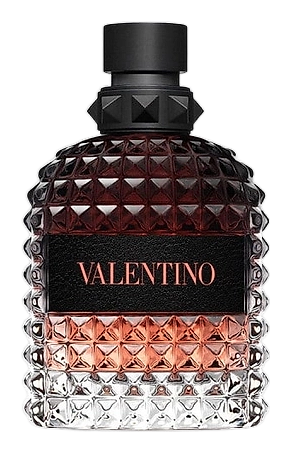


Brands
Brands known for Sage
Good to know
Questions, answered
The essentials on Sage in perfumery: how it smells, where it comes from, and how it behaves on skin.
What does sage smell like in perfume?
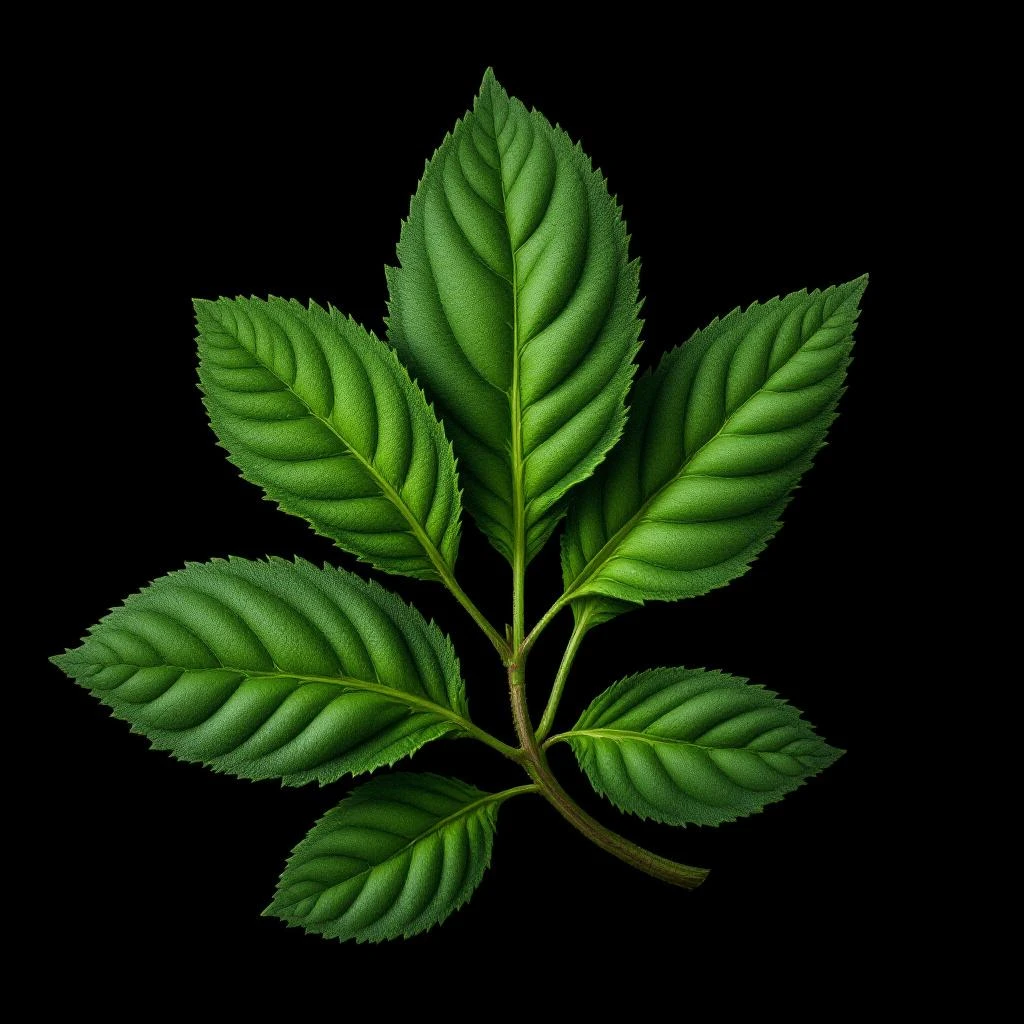
Sage delivers a crisp, herbaceous aroma with slightly camphorated freshness. The scent combines green, slightly medicinal notes with a natural, clean quality that evokes sun-warmed Mediterranean hillsides. Clary sage offers a softer, sweeter herbaceousness with musky undertones.
Is sage used more in men's or women's fragrances?
Sage appears across masculine and feminine fragrances equally. Its aromatic versatility suits herbal, aquatic, and floral compositions for women while anchoring woody, spicy, and fougère мужские fragrances without gender bias.
What is the difference between common sage and clary sage in perfumery?
Common sage (Salvia officinalis) provides a sharper, more medicinal, camphorated character. Clary sage (Salvia sclarea) delivers a softer, sweeter herbaceous note with musky, slightly floral undertones that perfumers prefer for fine fragrance work.
How is sage oil extracted for perfumery?
Producers extract sage oil through steam distillation of flowering tops and leaves. The process separates aromatic compounds from plant material using controlled steam, producing essential oil with the characteristic herbaceous profile used in fine fragrances.
Which fragrance families commonly use sage?
Sage features prominently in aromatic, fougère, and herbal fragrance families. Perfumers also use it in chypre, woody, and fresh aquatic compositions where its green, clean character adds natural structure and clarity.
Where does commercial sage for perfumery originate?
France leads production of clary sage oil, particularly cultivated in Provence. Russia and the United States also produce significant quantities. Dalmatian sage originates from the Balkan peninsula and Adriatic coastal regions.
Does sage cause skin reactions in perfume?
Sage oil contains compounds that may cause sensitivity in some individuals. IFRA guidelines regulate its concentration in consumer products, and perfumers typically use it at levels that minimize risk while maintaining aromatic impact.
Can sage be combined with other herbal notes?
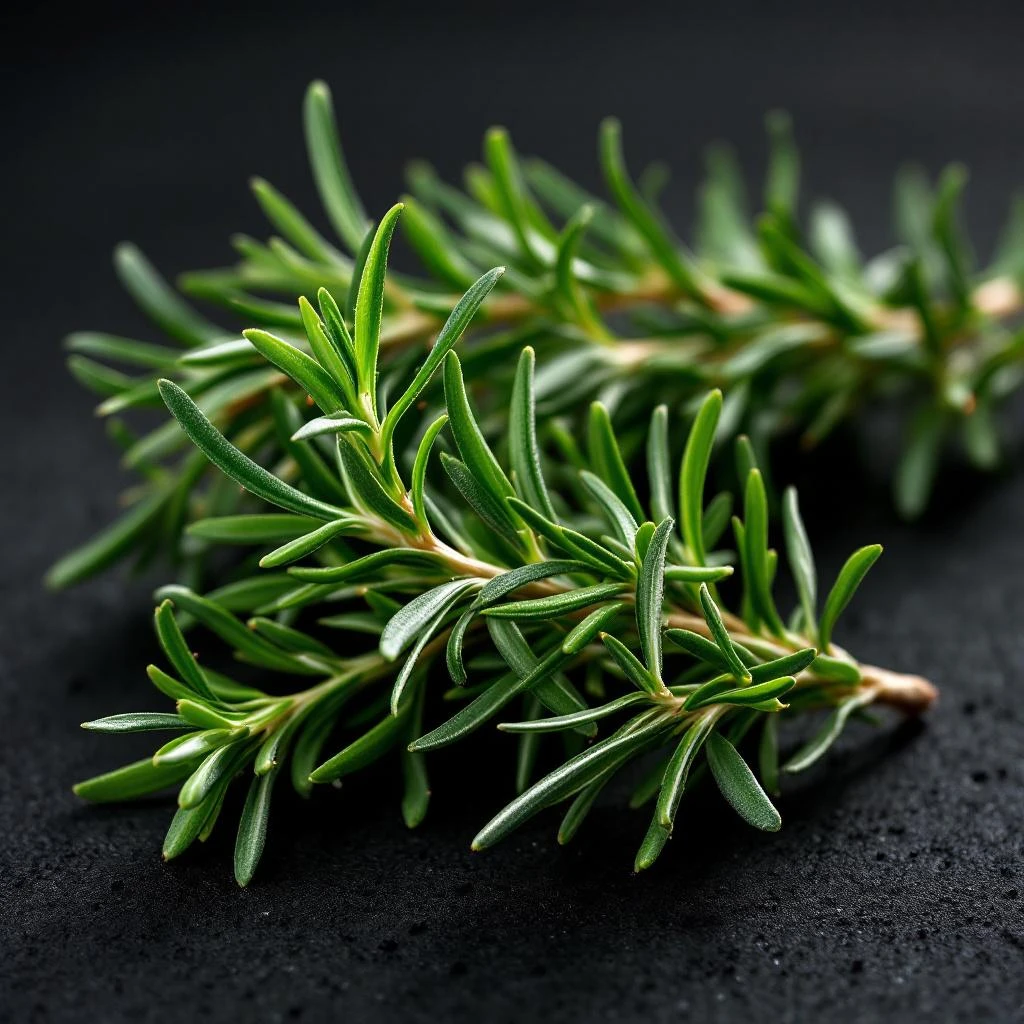
Sage harmonizes naturally with lavender, rosemary, and thyme within the Lamiaceae family. It also pairs well with citrus, geranium, and woody notes like cedarwood, creating aromatic combinations that feel cohesive and garden-fresh.