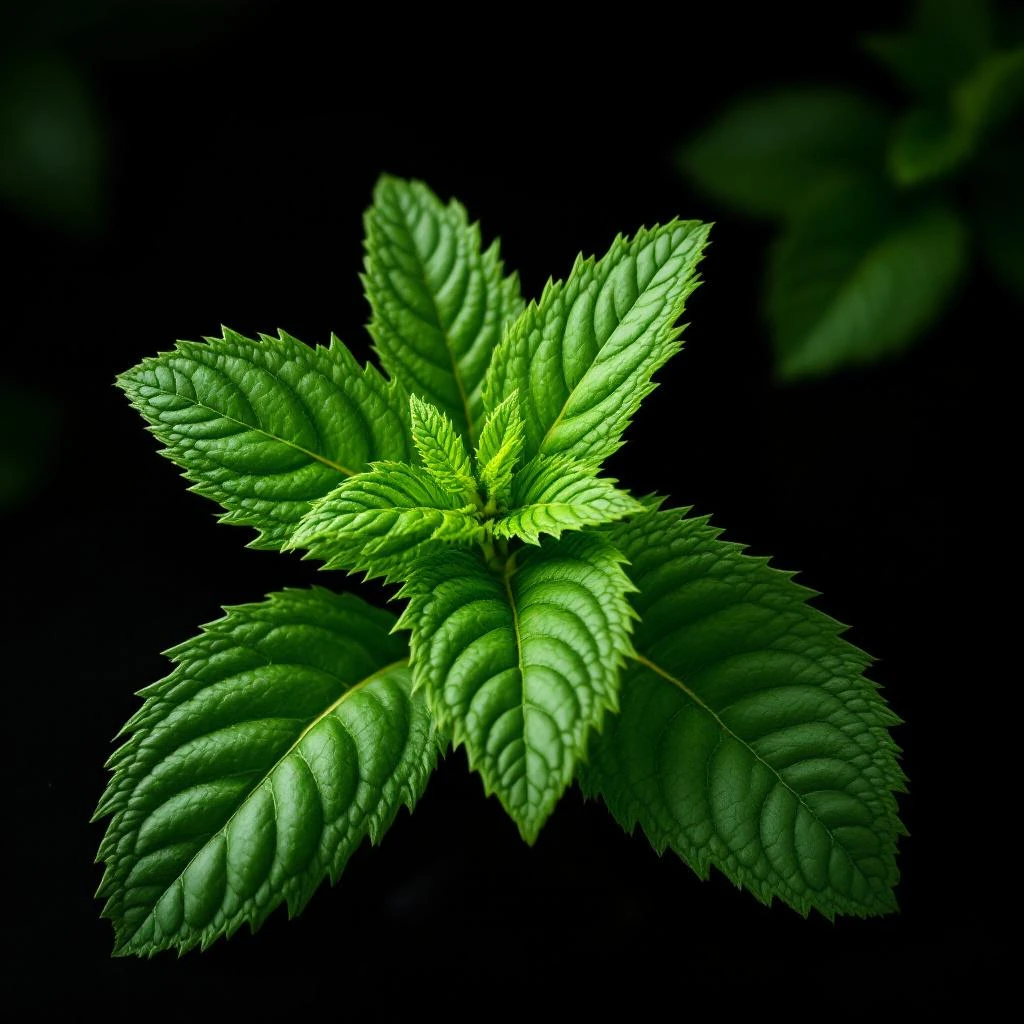
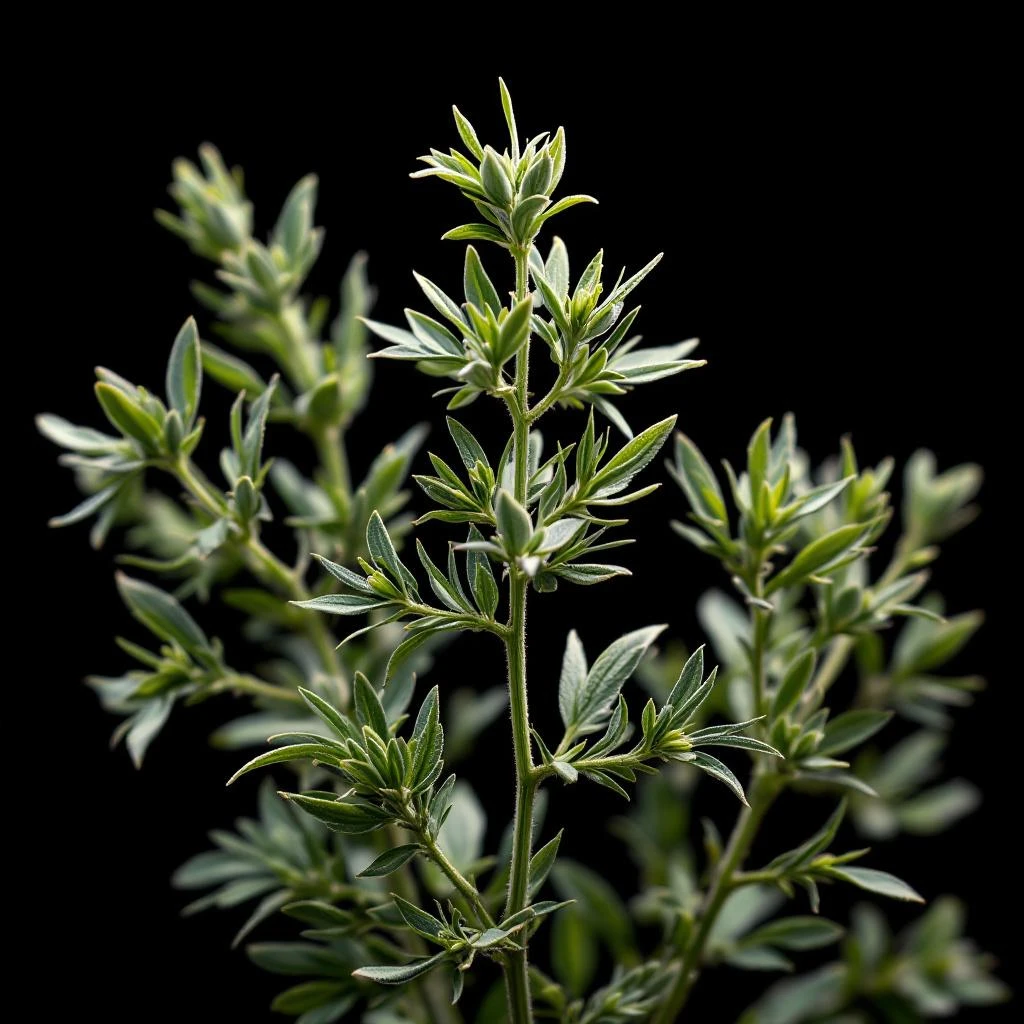
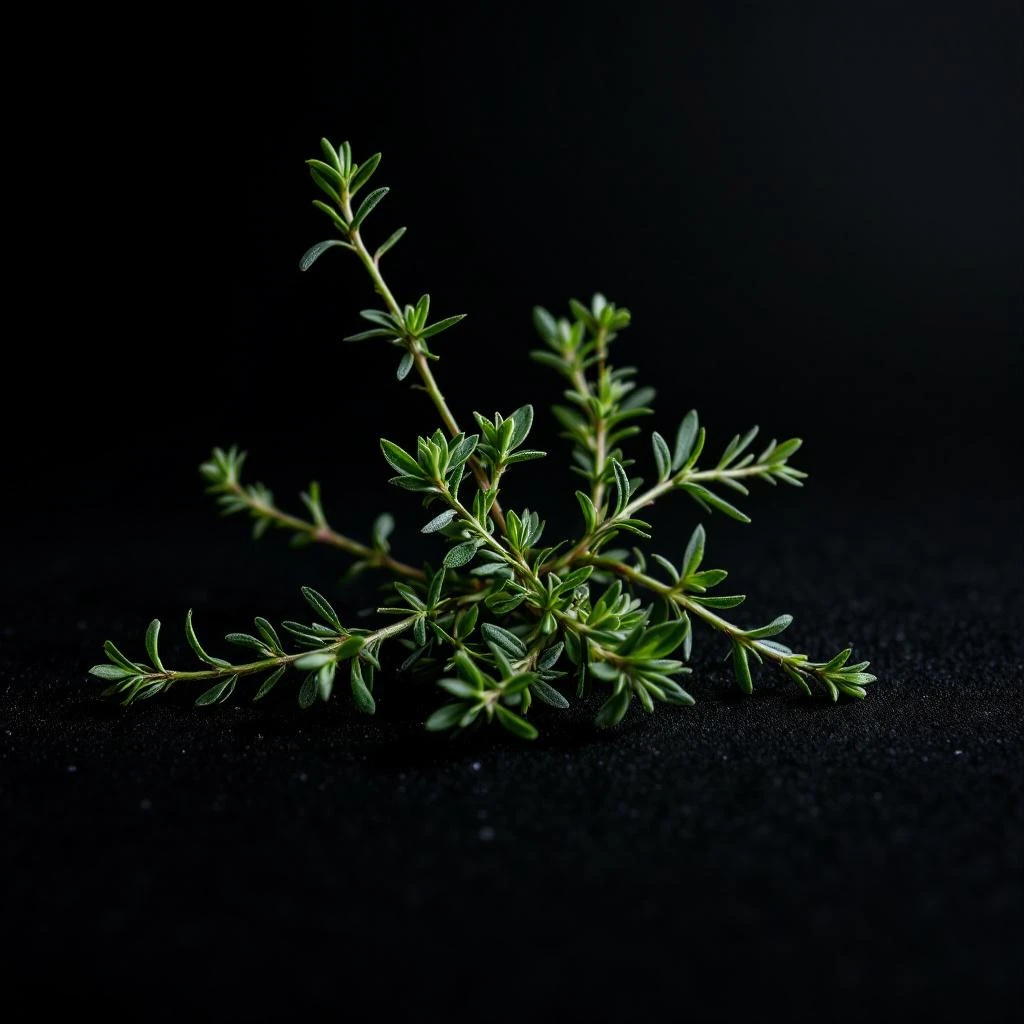
Clary Sage
Clary sage bridges the fresh and the sensual. Its herbaceous top note lifts compositions, while the warm, ambrette-like depth of sclareol gives fragrance staying power. Few ingredients wear so many roles so gracefully.
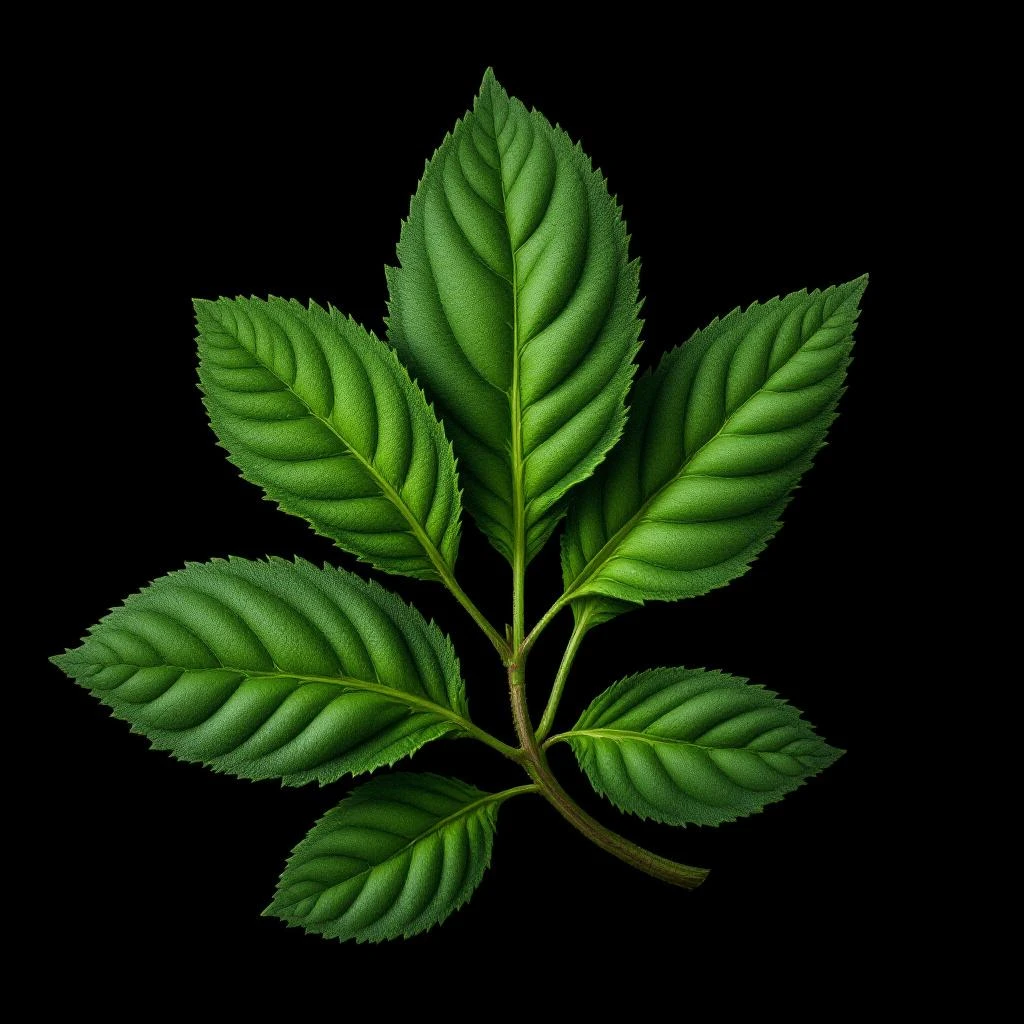
Character
How it smells
Herbaceous clarity with a warm, lingering soul.
One single clary sage plant contains over 250 identified aromatic compounds, creating layers that shift from leaf-green to honeyed in seconds.







Origin
France
Clary sage carries its name from the Latin clarius, meaning clear, referencing a centuries-old belief that the plant clarified vision when applied as a poultice. Native to the Mediterranean basin, it traveled through monastic herb gardens across Europe during the Middle Ages, where monks used it in healing preparations and ceremonial incense.
By the 19th century, French and German perfumers began systematically incorporating clary sage into bouquets, recognizing its rare ability to connect fresh and warm notes. It became a foundational material in the chypre and fougère families, where its herbal precision tempered heavier florals and musks.
The 20th century cemented its status as a gender-neutral ingredient, valued for the tension it creates between cool green notes and soft, almost ambrette-like warmth. Today, clary sage appears in the heart of masculine, feminine, and unisex compositions alike, prized for the dimensional contrast it lends to modern fragrance architecture.
Wears it best
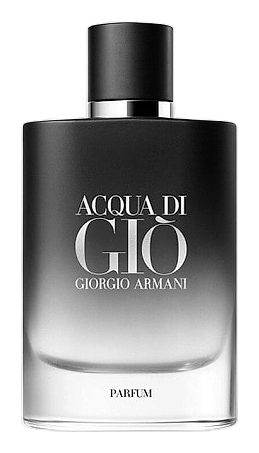
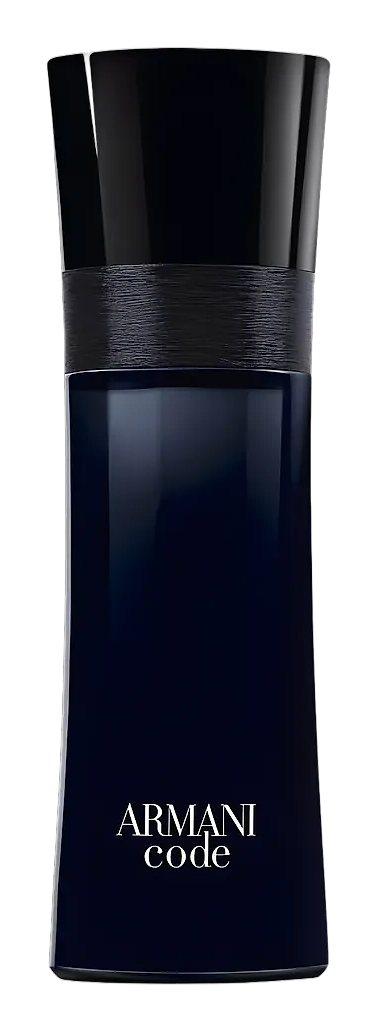
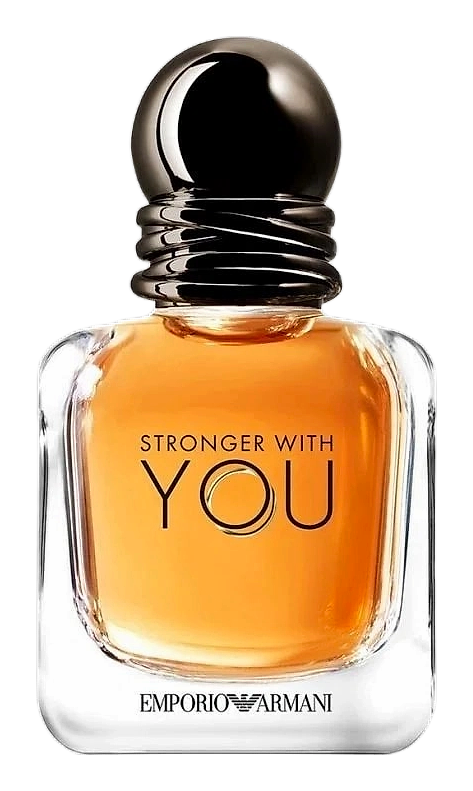
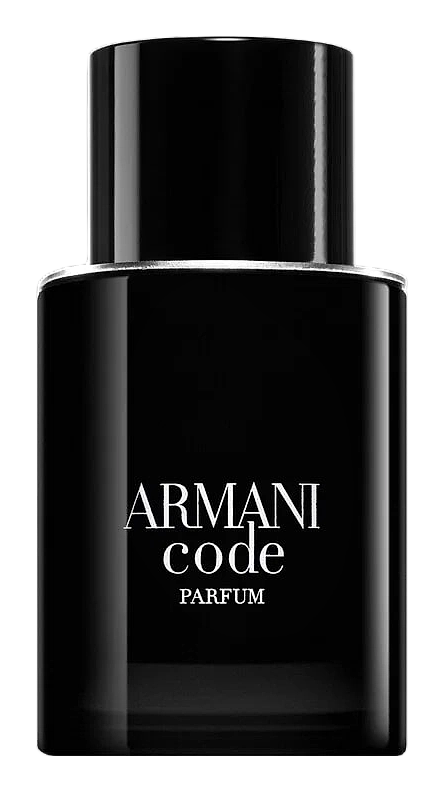
Fragrances featuring Clary Sage
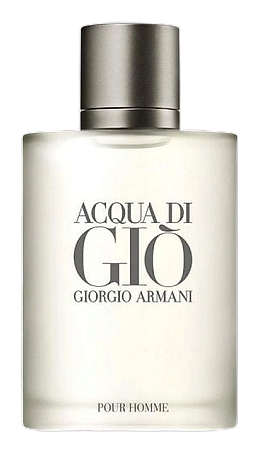
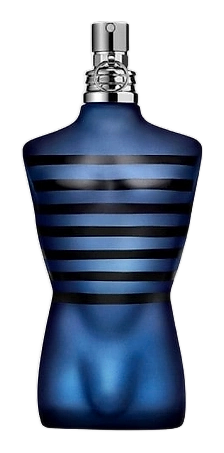
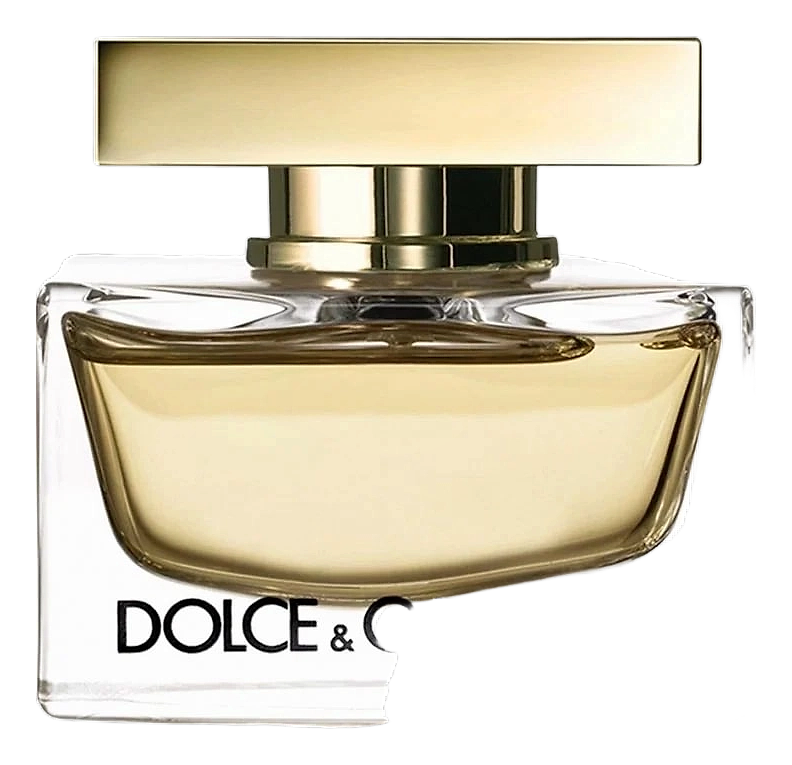
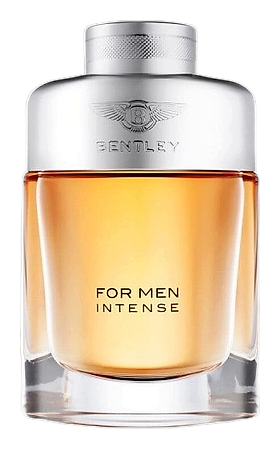

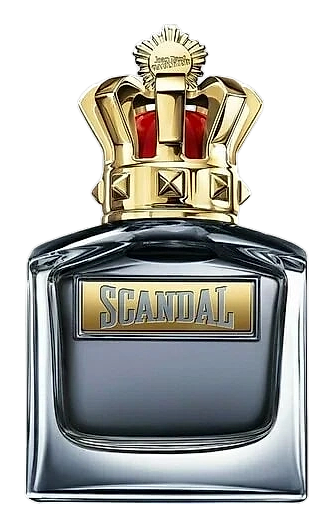
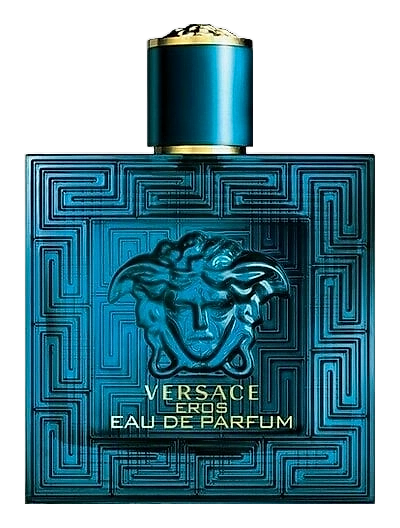
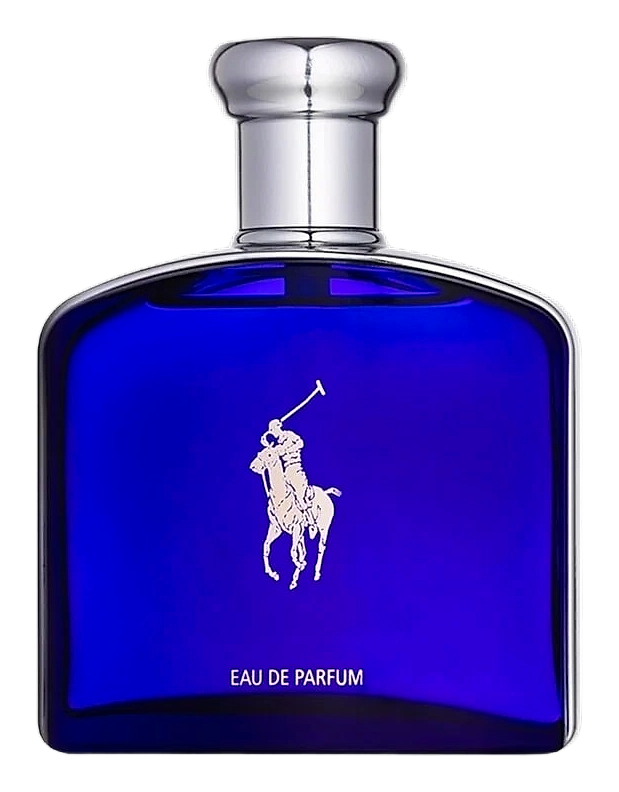
Brands
Brands known for Clary Sage
Good to know
Questions, answered
The essentials on Clary Sage in perfumery: how it smells, where it comes from, and how it behaves on skin.
What does clary sage smell like?
Clary sage opens with a crisp, herbaceous character reminiscent of fresh-cut stems and sun-warmed leaves. Beneath that cool top note, a sweet floral warmth emerges, driven by linalool and linalyl acetate. The drydown reveals a soft, ambrette-like roundness from sclareol, adding cream and a subtle musky trail that lingers on skin.
How does clary sage differ from common garden sage?
Garden sage (Salvia officinalis) contains thujone, which lends a sharp, almost camphoraceous bite unsuitable for perfumery. Clary sage is thujone-free, replacing that harshness with a sweeter, more rounded aromatic profile. Perfumers use clary sage for its warmth and floral nuance, while common sage appears rarely, and only in tiny doses, for a fleeting green effect.
Why is sclareol significant in perfumery?
Sclareol is a diterpene alcohol present in clary sage that behaves as a natural fixative, slowing how quickly a fragrance evaporates from skin. It also carries a warm, ambrette-like scent on its own. Fragrance manufacturers extract sclareol from clary sage to produce sclareolide, a synthesized base note that extends fragrance longevity across countless commercial products.
Where does clary sage grow best?
Clary sage thrives in calcareous soils at higher elevations where drainage is sharp and summers are warm. Southern France, central Europe, and the American Southeast produce the majority of commercial crops. Terroir visibly affects the oil: high-altitude soils produce a more aromatic, floral oil, while lower-elevation crops tend toward a greener, more herbaceous profile.
Is clary sage used in men's or women's fragrances?
Clary sage is among the most deliberately gender-neutral ingredients in perfumery. Its fresh top note reads as clean and assertive, while its warm, ambrette-like base reads as soft and sensual. This duality makes it equally at home in men's eau de colognes and in feminine florals, typically appearing in the heart note of chypres, fougères, and modern woody compositions.
What fragrance families use clary sage most often?
Clary sage is a defining material in the fougère family, where it contributes the characteristic herbal lift that tempers oakmoss and coumarin. It appears equally in chypre constructions, aromatic men's colognes, and contemporary woody-floral blends. Its versatility means it functions as both a top-note bridge and a body-note connector in fragrance pyramids.
Is clary sage oil natural or synthetic?
Clary sage oil is naturally derived via steam distillation, making it a fully natural perfumery material. However, sclareolide, a derivative, is often synthesized in laboratories from naturally extracted sclareol. Most luxury fragrances specify natural clary sage oil in the heart composition while relying on synthetic sclareolide in the base for cost-effective longevity.
When was clary sage first used in perfumery?
Monks in medieval Europe used clary sage in herbal preparations and incense during the 12th and 13th centuries, but its dedicated use in fine perfumery began in the early 1800s. French and German fragrance houses adopted it systematically by mid-century, and it appeared in landmark fougère and chypre compositions that defined 20th-century perfumery.