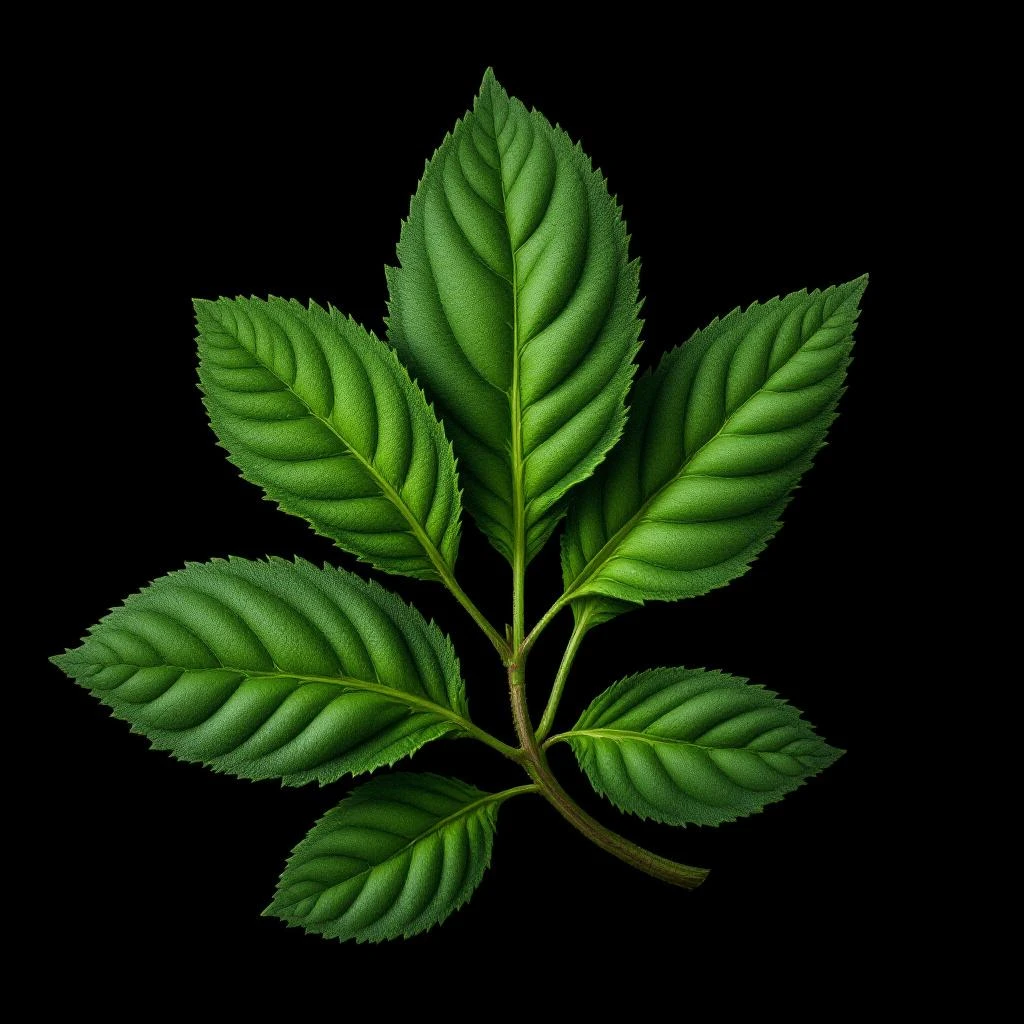
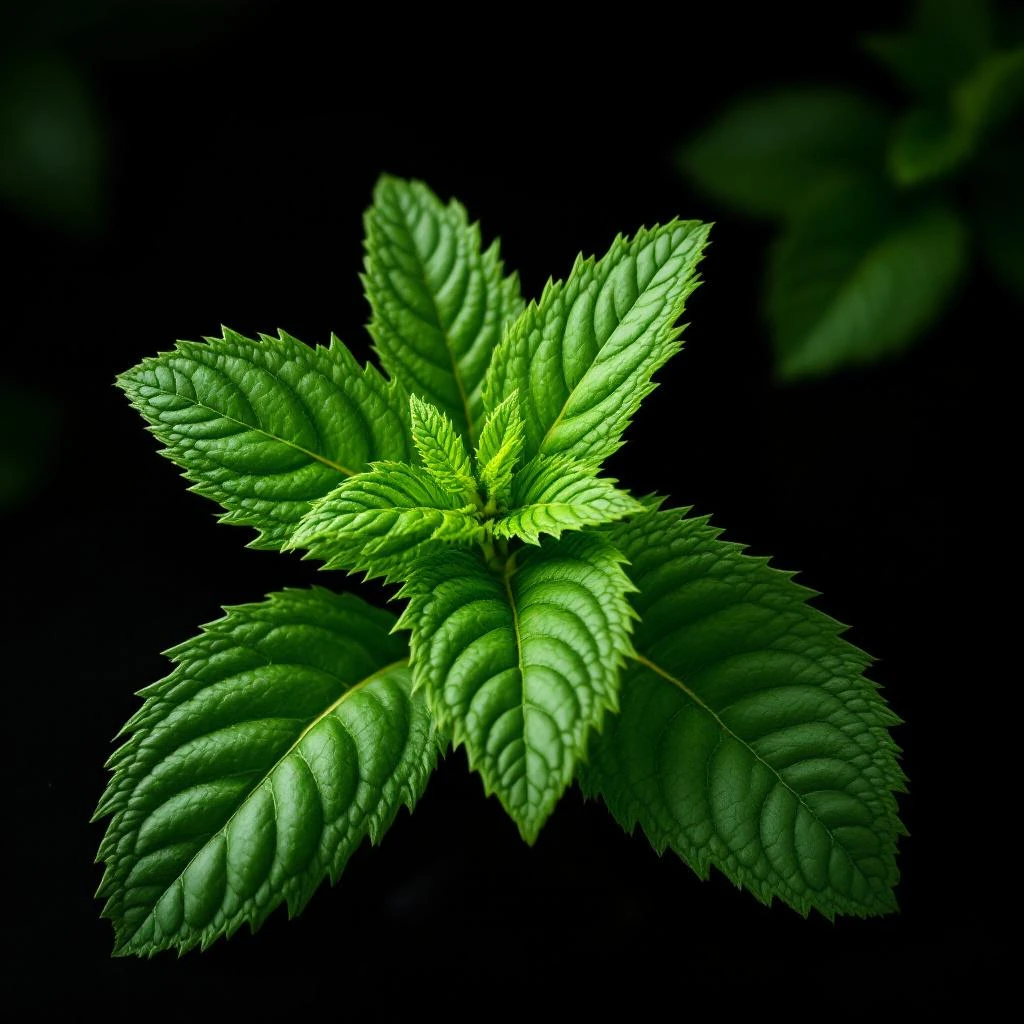
Basil
Basil cuts through compositions with a sharp, aromatic punch—green, slightly spicy, and unmistakably alive. This ancient herb brings clarity and lift that few ingredients can match.
Character
How it smells
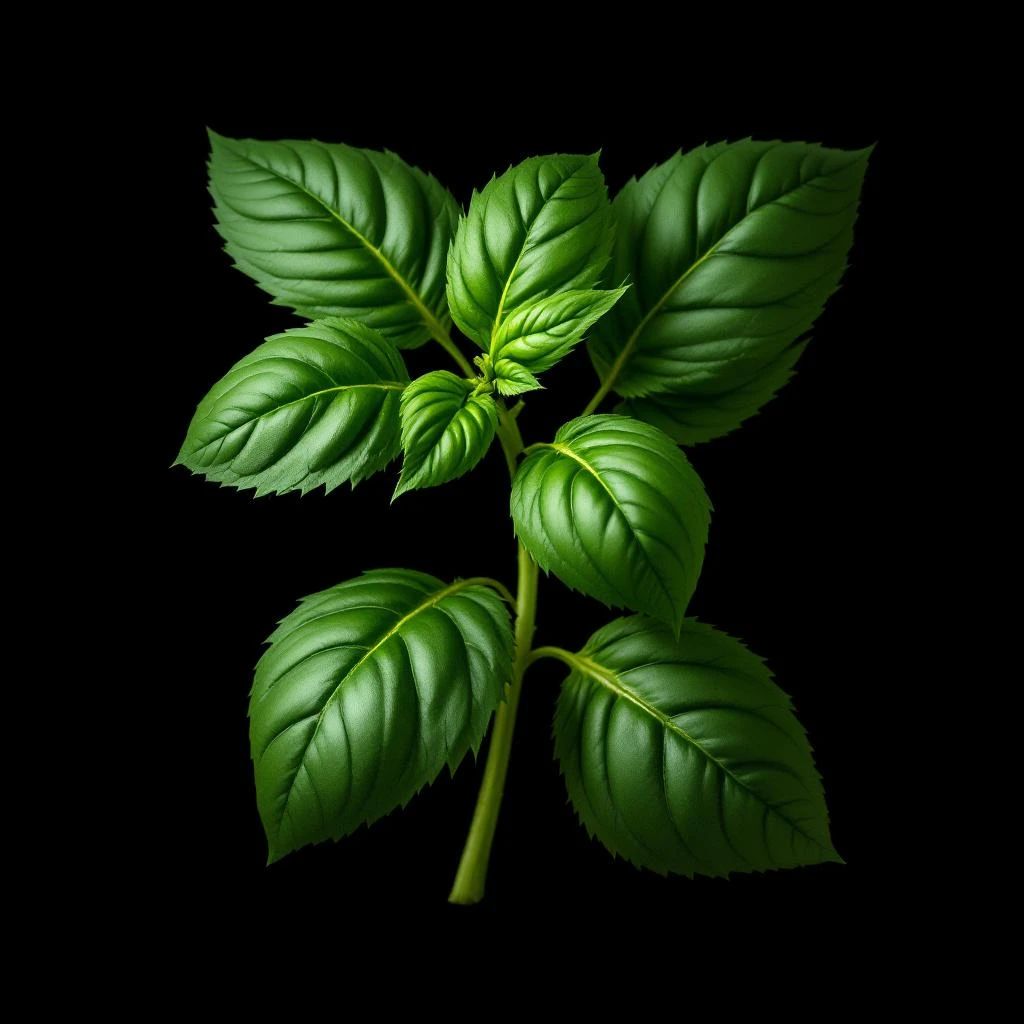
The royal herb that commands attention.
The name basil derives from the Greek basileus, meaning king—a nod to this herb's royal status in ancient medicine and cuisine.








Origin
India
Basil carries a legacy stretching back over 4,000 years to ancient Egypt, where priests incorporated it into funerary rites and medicinal preparations. The plant likely originated in India, where it has been cultivated for millennia as both a culinary staple and a sacred element in Hindu ceremonies, particularly those honoring Vishnu and Tulsi, the goddess form of the plant.
From India, basil spread along ancient trade routes to Persia and the Mediterranean. The Greeks adopted the herb enthusiastically, and the name itself reflects its perceived nobility. Basileus means king in Greek, earning basil titles like king of herbs. Pliny the Elder documented its use in Roman medicine, while later European herbalists employed it to treat nervous disorders, digestive complaints, and respiratory conditions.
The 16th century brought basil to France and the rest of Europe, carried by traders and physicians who valued its reputed healing properties. By the 19th century, when modern perfumery emerged in France, basil had already been a fixture in apothecary gardens across the continent. Perfumers recognized its unique ability to inject freshness and lift into heavy compositions, cementing its role as a cornerstone aromatic ingredient that remains as relevant today as it was centuries ago.
Wears it best
Fragrances featuring Basil
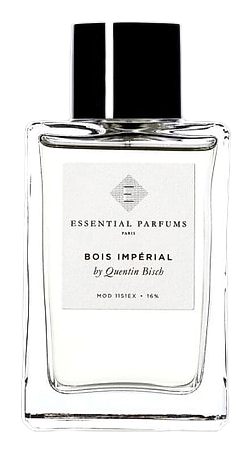
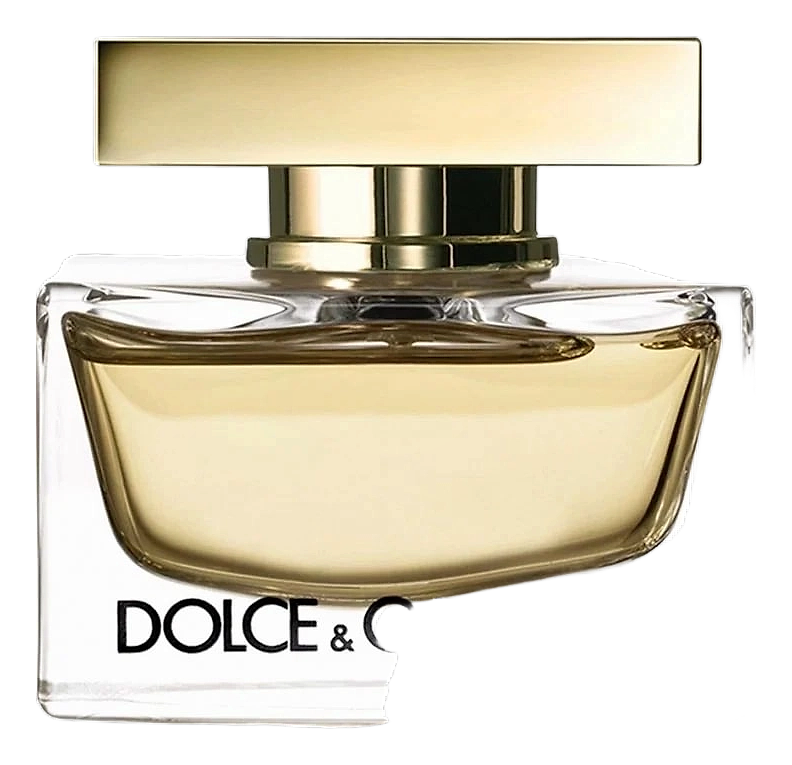
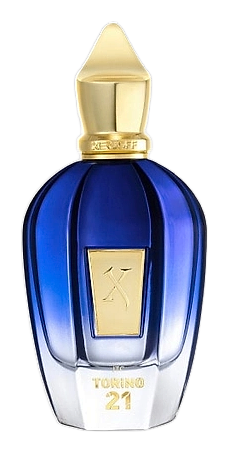
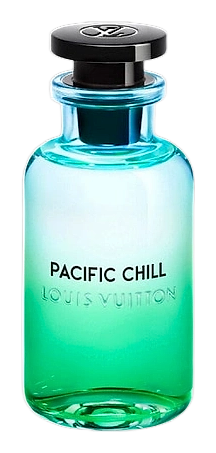
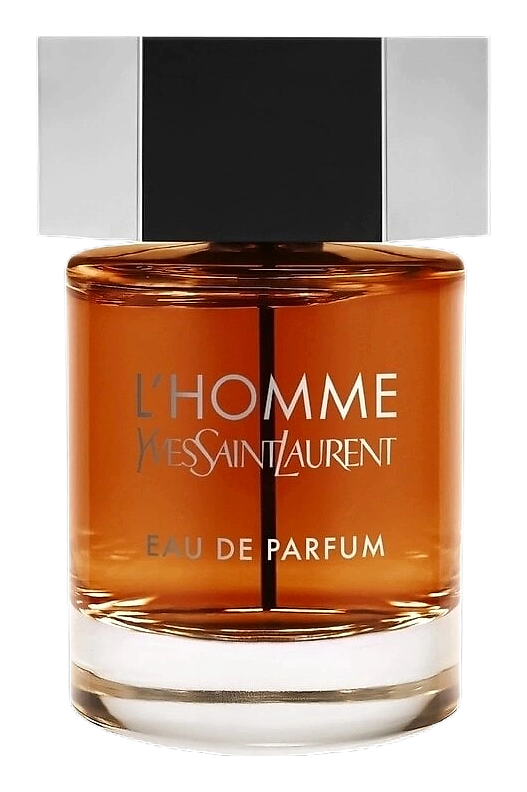

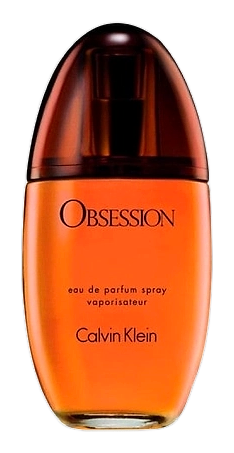

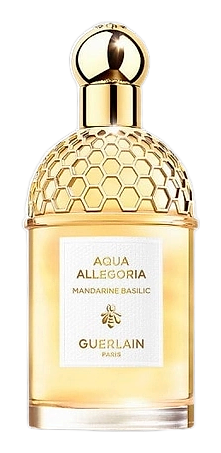
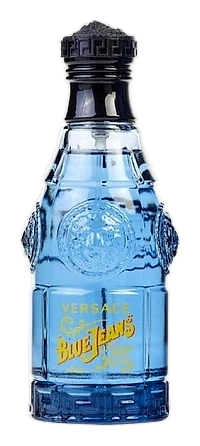
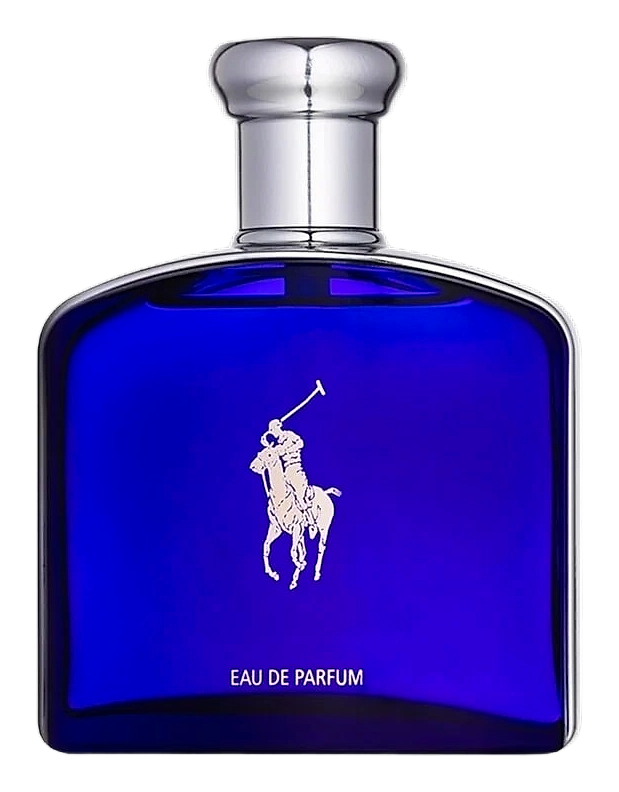
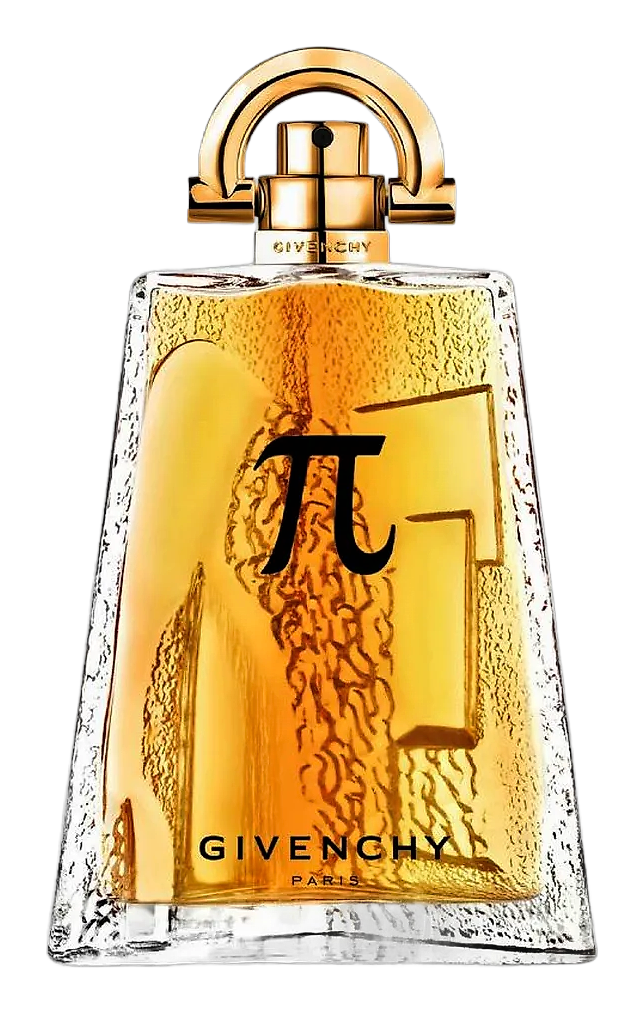
Brands
Brands known for Basil
Good to know
Questions, answered
The essentials on Basil in perfumery: how it smells, where it comes from, and how it behaves on skin.
What does basil contribute to a fragrance composition?
Basil adds bright, green, aromatic freshness with a natural spiciness. It acts as an effective bridge note, connecting top citrus or fruit elements with deeper base notes while providing immediate lift and clarity.
Where does the best basil for perfumery come from?
India, Egypt, and France are the primary sources. Egyptian basil typically offers the highest eugenol content, providing warm spiciness, while Indian tulsi basil delivers sharper, more camphoraceous character.
What is the difference between basil essential oil and basil absolute?
Steam distillation produces basil essential oil with bright, green character. Solvent extraction yields absolute, which is denser, darker, and contains more of the heavy aromatic molecules that give deeper, richer scent.
How does basil smell compared to similar herbs like lavender or mint?
Basil sits between lavender and mint in character. It shares lavender aromatic complexity but adds spicier, slightly anise-like warmth. Unlike mint, basil does not cool but instead provides herbal warmth with green brightness.
Is basil used more in masculine or feminine fragrances?
Basil appears frequently across gendered compositions, particularly in aromatic fougeres and fresh citrus fragrances marketed to men. It also features in feminine chypres and green florals where its clarity adds modern edge.
When is basil harvested for fragrance production?
Basil is harvested just before flowering, typically early morning, to capture maximum essential oil concentration. Timing matters greatly since oil content drops significantly once the plant begins flowering.
Are synthetic basil aroma compounds used in perfumery?
Synthetics like linalool and eugenol derivatives can replicate certain basil facets. However, natural basil materials retain superior complexity that synthetics struggle to fully reproduce.
What fragrance families most commonly feature basil?
Aromatic, fresh, fougere, and citrus compositions rely most heavily on basil. It also appears in green chypres and modern designer fragrances seeking natural, garden-fresh effects.