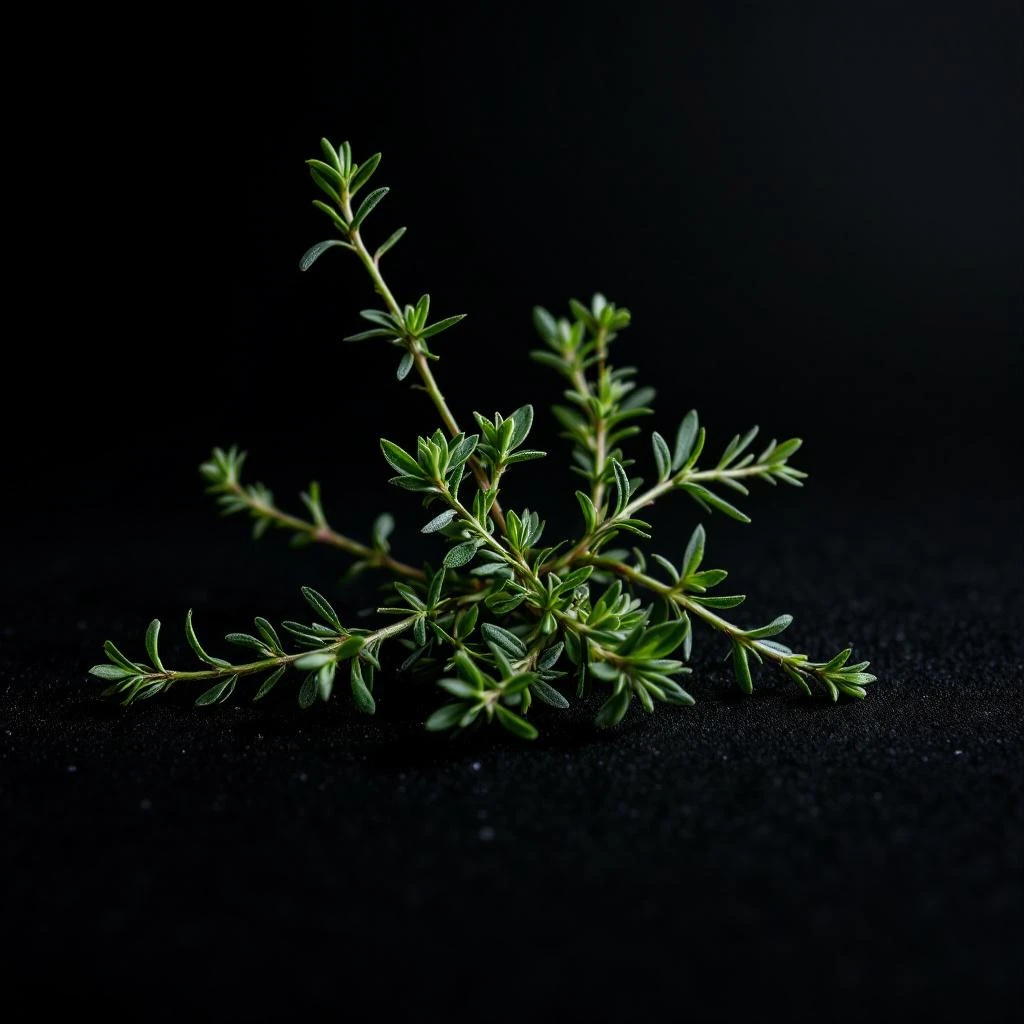
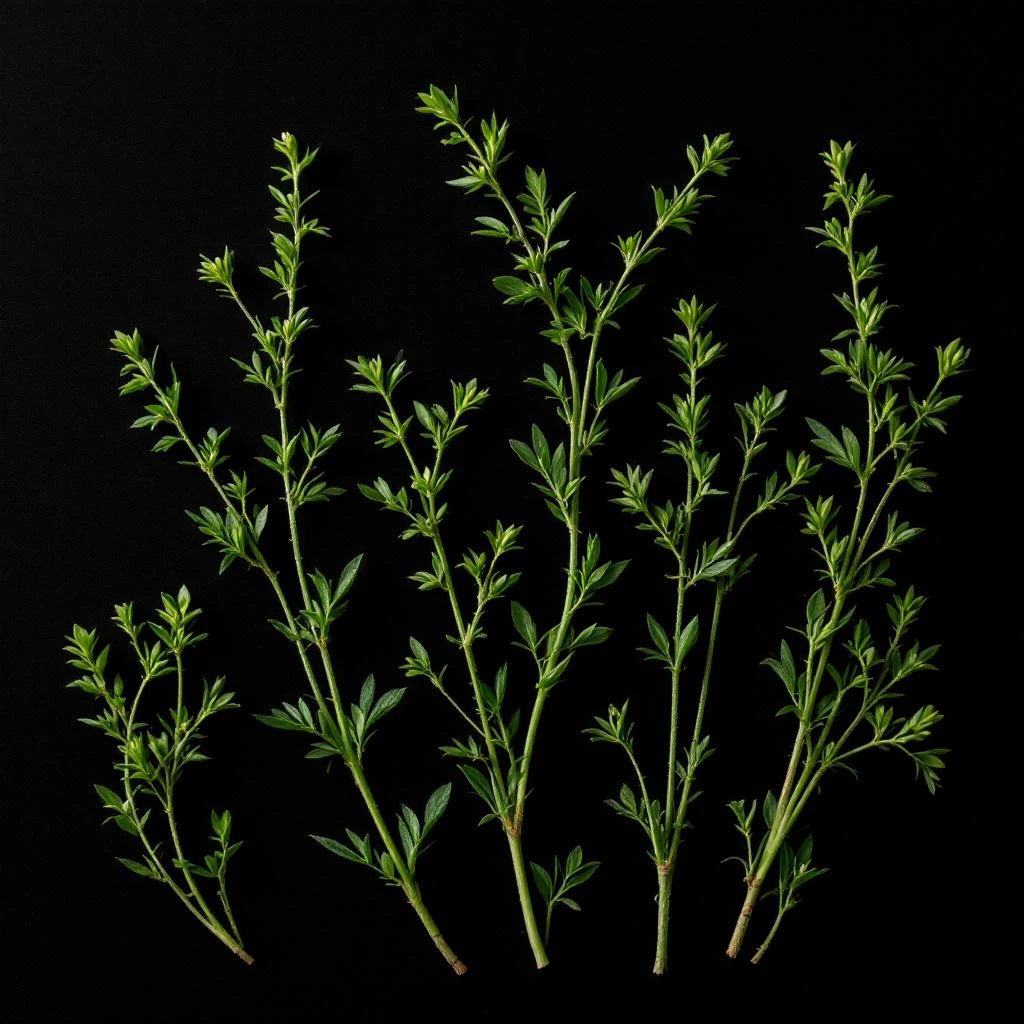
Artemisia
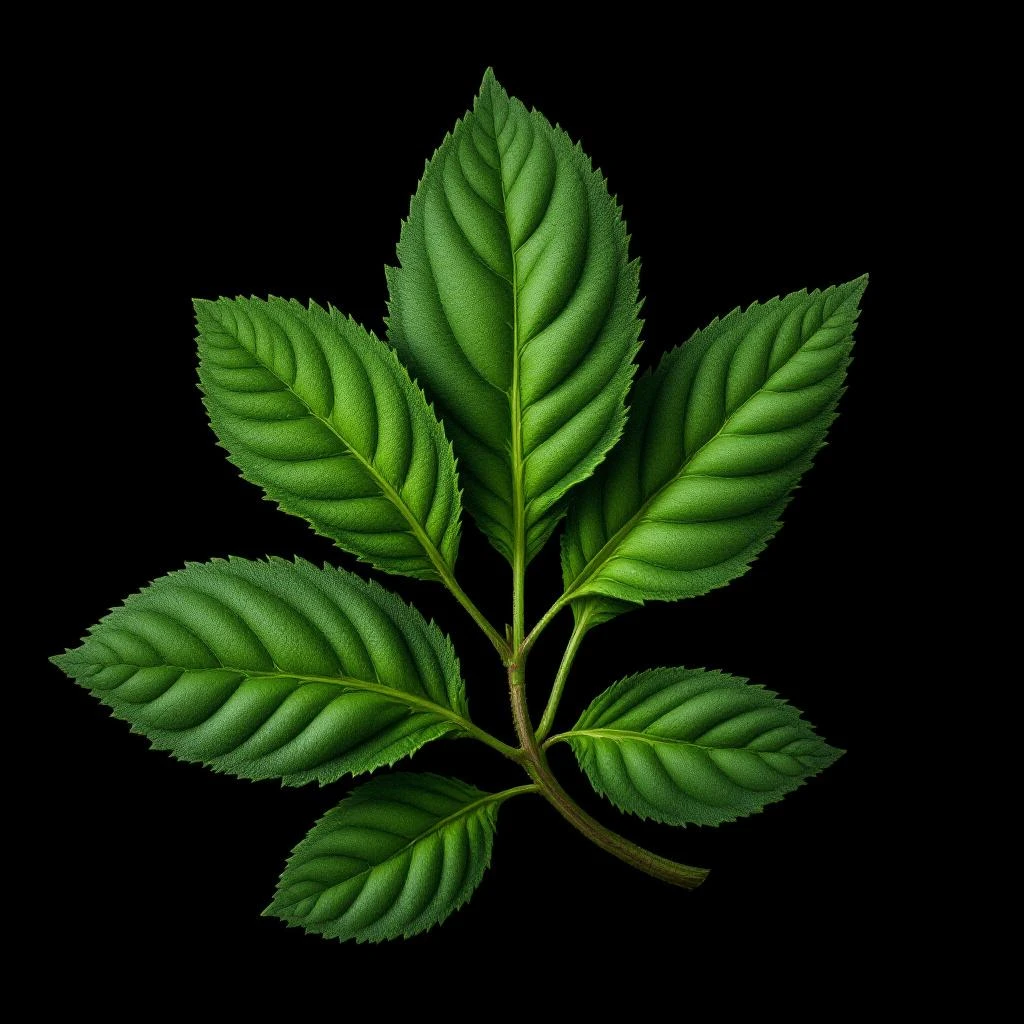
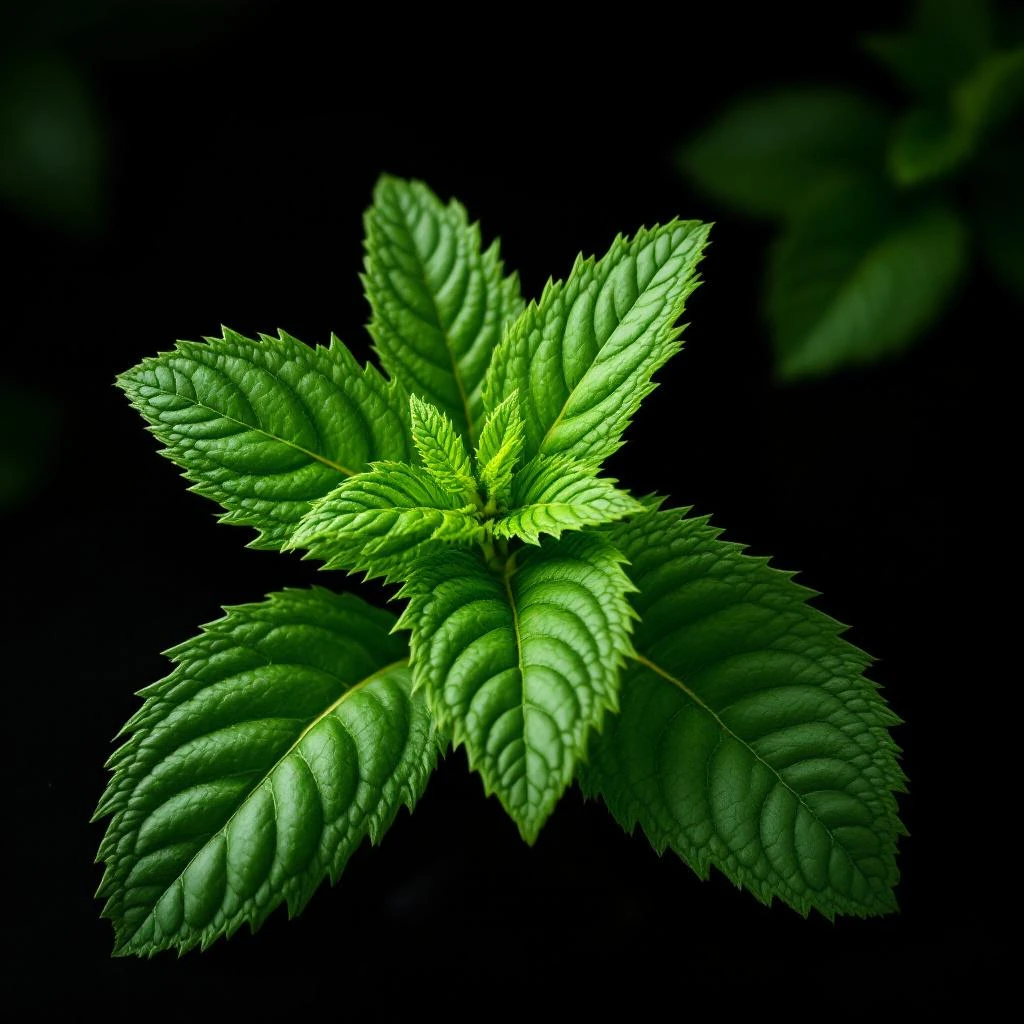
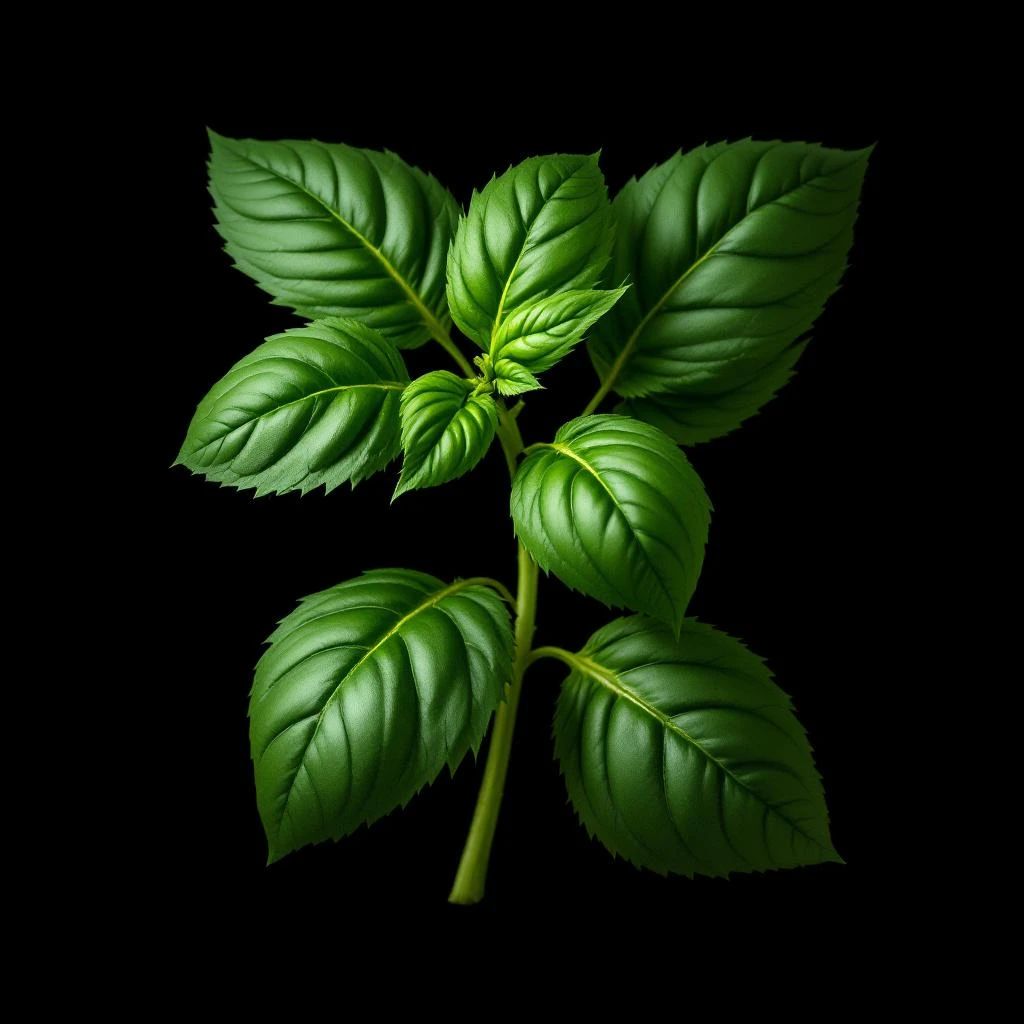
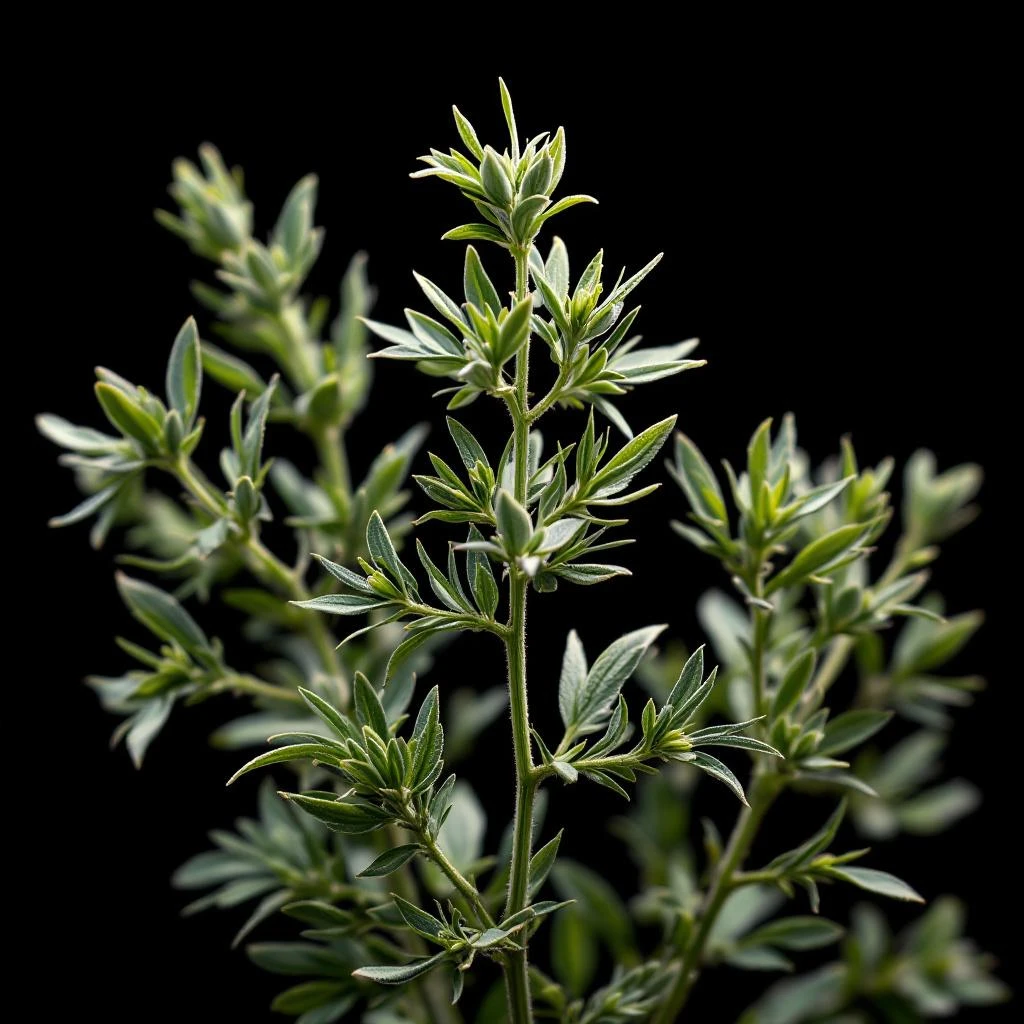
Artemisia brings a bitter, camphoraceous coolness to fragrance, a silver-green herbal note that cuts through sweetness and adds intellectual depth.
Character
How it smells
Bitter green with ancient roots
The Artemisia genus spans over 200 species, and chamazulene content in some essential oils varies from 3% to over 40% depending on geographic origin.






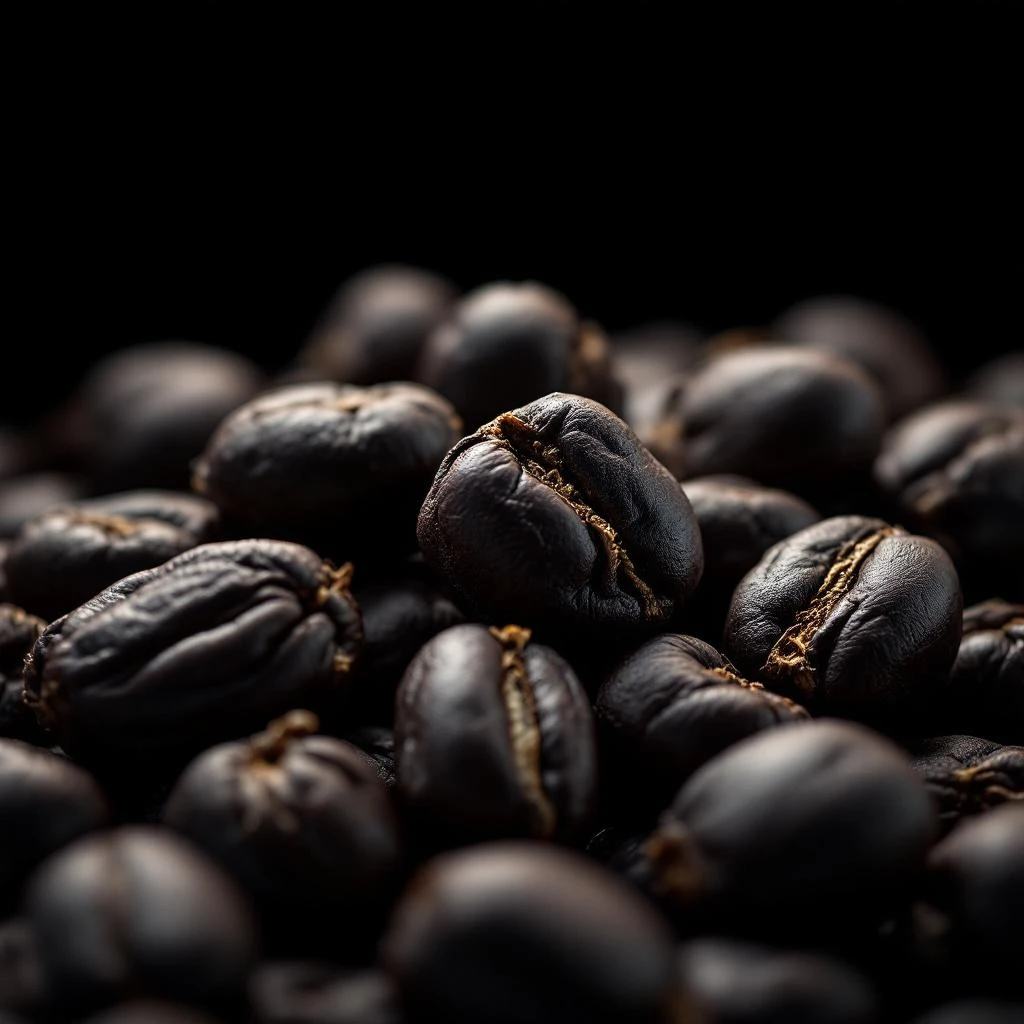

Origin
Morocco
Artemisia carries one of perfumery's oldest names, taken from the Greek goddess Artemis, protector of wilderness and women. The plant family has been woven into human ritual and medicine for thousands of years. Wormwood appears in ancient Egyptian medical papyri, while Roman and medieval European herbalists relied on it for digestion and protection against contagion.
The famous liqueur absinthe made wormwood notorious in 19th century France, fueling both artistic movements and eventual prohibition battles. In perfumery proper, armoise oil entered French compositions during the late 1800s, valued for the dry, slightly mentholated bitterness it contributes to fougère structures. Northern Morocco's A.
herba-alba, harvested from wild stands in the Atlas foothills, became a particular favorite of classical perfumers. The note remains a signature of refined masculine compositions, providing the cool, herbal backbone that distinguishes heritage colognes from their sweeter modern descendants.
Wears it best
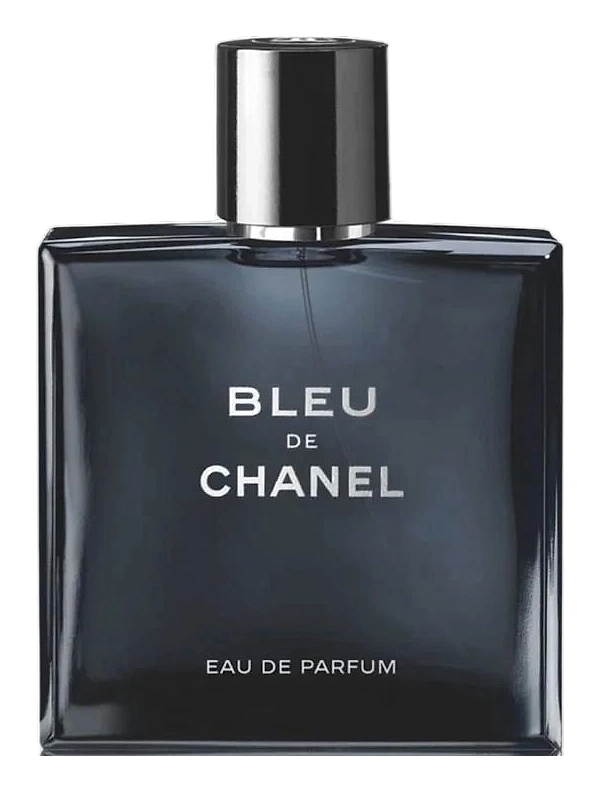
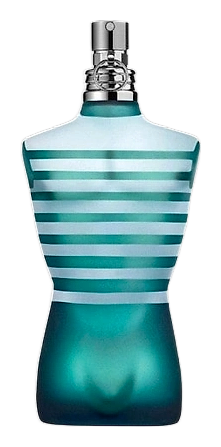
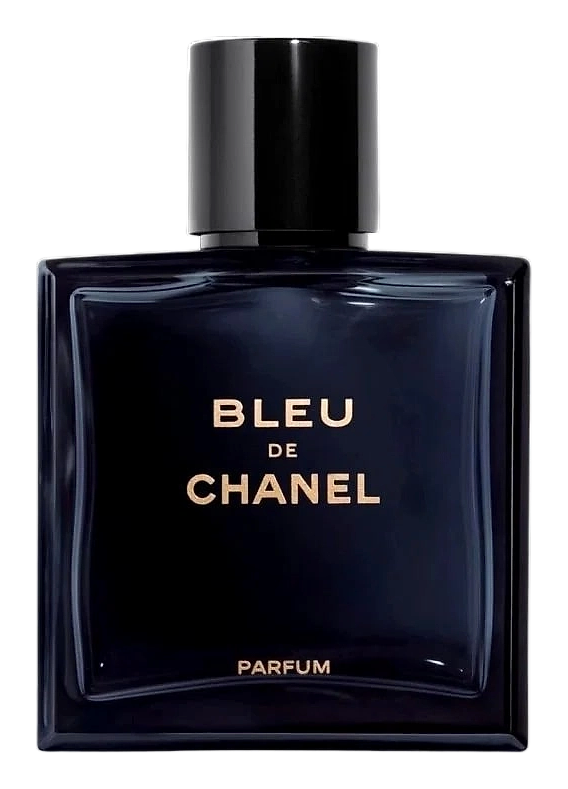
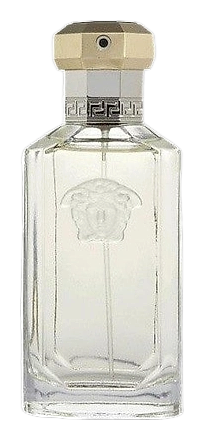
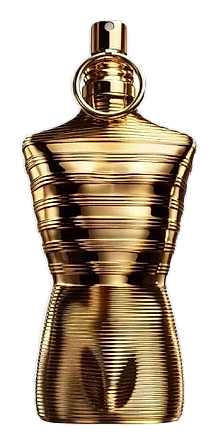
Fragrances featuring Artemisia



Brands
Brands known for Artemisia
Good to know
Questions, answered
The essentials on Artemisia in perfumery: how it smells, where it comes from, and how it behaves on skin.
What does artemisia smell like in perfume?
Artemisia smells bitter, herbal, and camphoraceous, with a cool silver-green character. Some species add a faint anise or menthol edge. The note reads dry rather than sweet, which is why perfumers use it to add sophistication and contrast to floral or citrus compositions.
Is artemisia the same as wormwood?
Wormwood (Artemisia absinthium) is one species within the broader Artemisia genus, which contains over 200 plants including mugwort, tarragon, and armoise. In perfumery, 'armoise' typically refers to oil from A. herba-alba, native to North Africa.
Why is artemisia used in fougère fragrances?
Artemisia provides the bitter-herbal backbone of the fougère structure, balancing lavender's sweetness and coumarin's warmth. Its cool, slightly medicinal edge creates the 'fern' accord that defines this classic masculine family, first established in 1882.
Where is artemisia essential oil produced?
Morocco is a leading source of A. herba-alba oil, harvested from wild Atlas Mountain stands. Southern Europe and Central Asia also produce significant quantities from related species. Wild harvesting makes annual yields variable and weather-dependent.
Is artemisia safe in perfume?
Artemisia oils are safe at typical fragrance concentrations. However, the thujone content in wormwood oil is regulated in food and drink applications; perfumery use falls well below any safety threshold for skin contact at normal dilution levels.
What is chamazulene in artemisia oil?
Chamazulene is a blue-colored sesquiterpene that forms during steam distillation from precursor compounds in certain Artemisia species. Its concentration varies dramatically by origin, from roughly 3% in Saudi Arabian samples to over 40% in some European chemotypes, affecting both color and aroma.
Does artemisia smell like absinthe?
Yes and no. Both share the bitter-anise character of wormwood, but absinthe the liqueur combines wormwood with anise, fennel, and other botanicals. Artemisia essential oil smells more purely herbal and camphoraceous, without the pronounced anise sweetness of the drink.
What perfumes feature artemisia prominently?
Artemisia anchors classic fougères such as Penhaligon's Endymion and various heritage colognes from the early 20th century. It also appears as a supporting note in many chypres and aromatic compositions where perfumers want a dry, bitter-green counterpoint to richer elements.