Rosemary
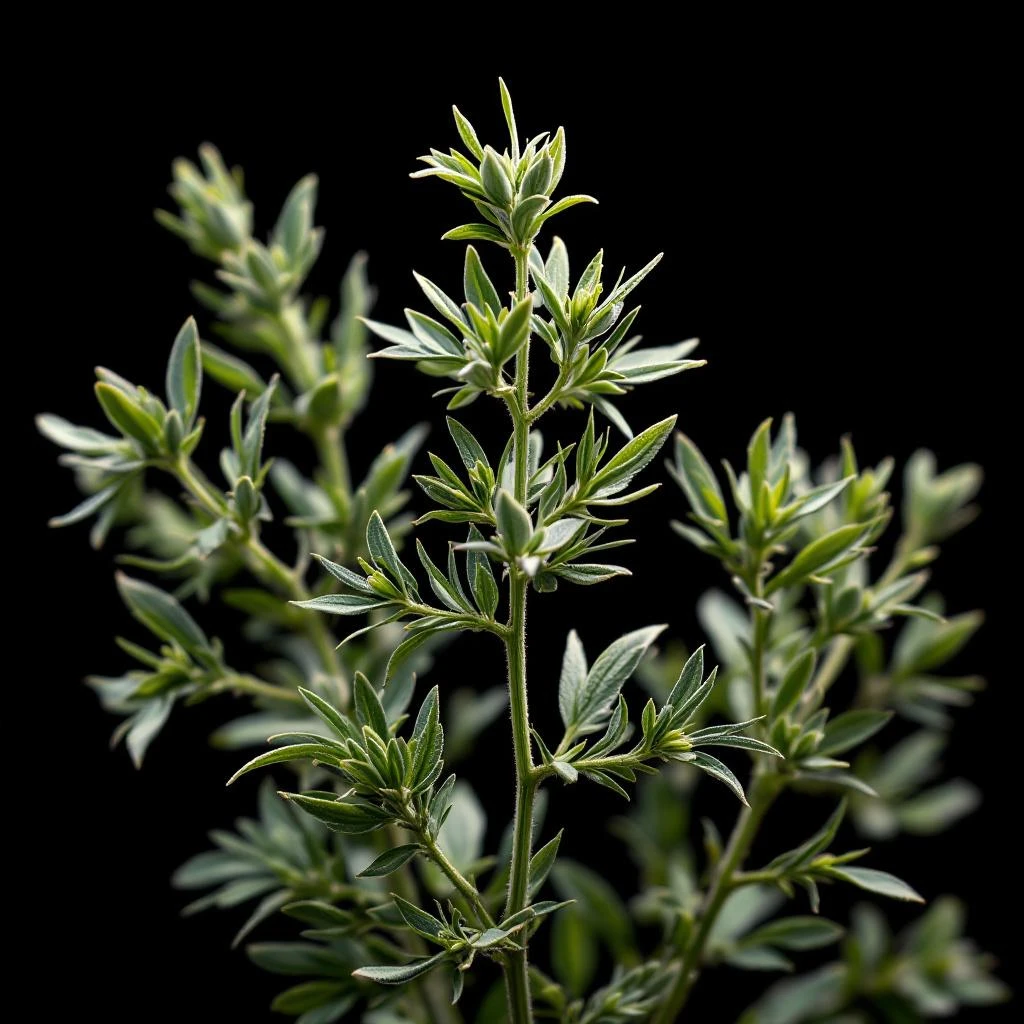
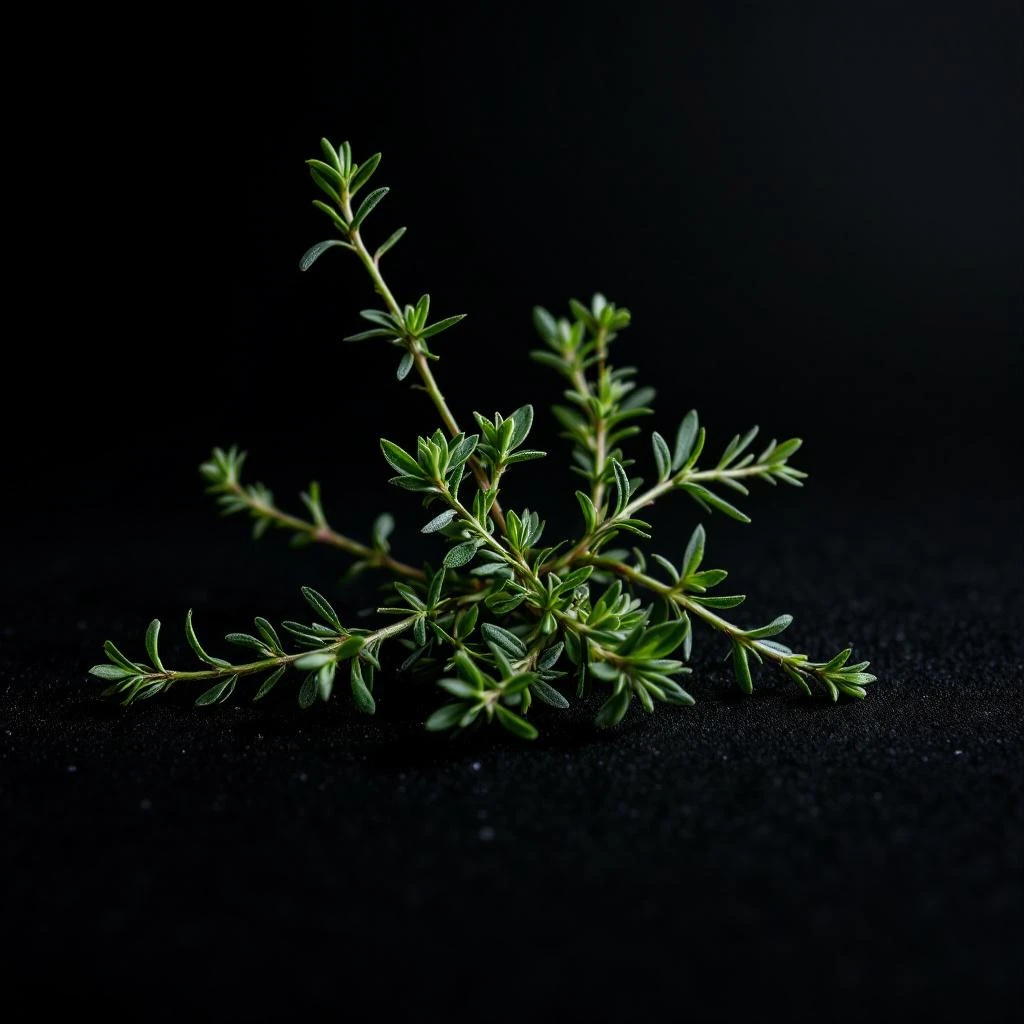
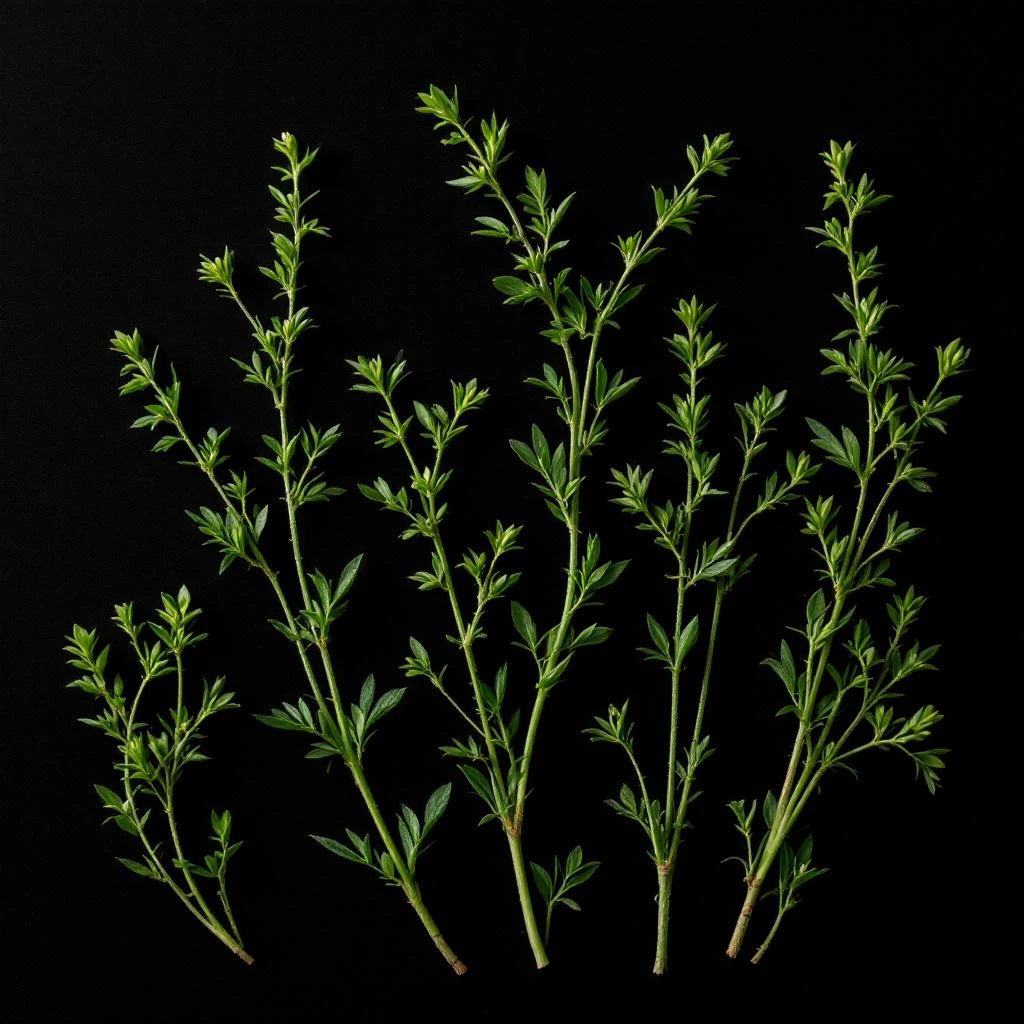
Rosemary brings a crisp, herbal clarity to fragrance: cooling, green, and slightly medicinal, with piney resin beneath the brightness. This Mediterranean herb adds an invigorating top note that feels both ancient and unmistakably modern.
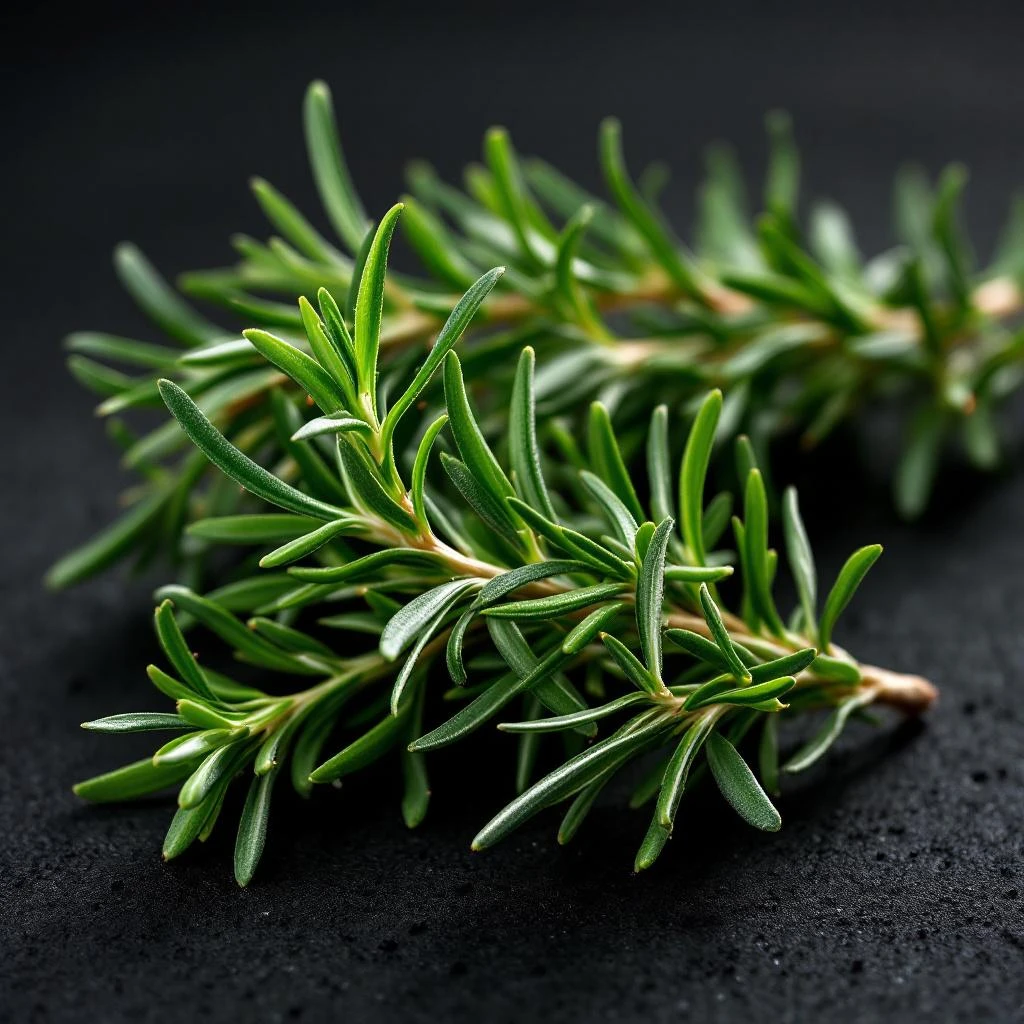
Character
How it smells
Crisp, herbal, unmistakably alive.
Archaeologists identified rosemary in a 4,000-year-old perfume residue from a Mediterranean site, making it one of the oldest fragrance ingredients ever documented.









Origin
Spain
Rosemary ranks among the earliest documented aromatic plants in human fragrance history. Chemical analysis of residues preserved in a Mediterranean vessel, dating back approximately 4,000 years, revealed a blend containing lavender, rosemary, pine resin, and coriander, evidence that perfumers valued this herb long before classical antiquity. The ancient Egyptians, Greeks, and Romans burned rosemary as incense and steeped it in scented oils.
Greek students reportedly wore rosemary garlands during examinations, a custom that gave rise to the folk belief that the herb strengthens memory. Medieval apothecaries across Europe kept rosemary in their formularies for both medicinal and perfumery use. By the Renaissance, distillation had become common enough that pharmacists in southern Europe produced rosemary water as a staple commodity.
During the 19th century, when modern perfumery took shape in Grasse, rosemary secured a lasting place in fougère and eau de cologne constructions, categories that still define masculine and unisex fragrance today.
Wears it best
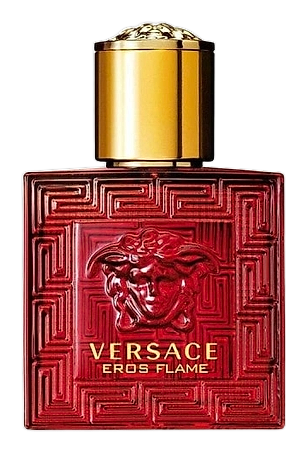
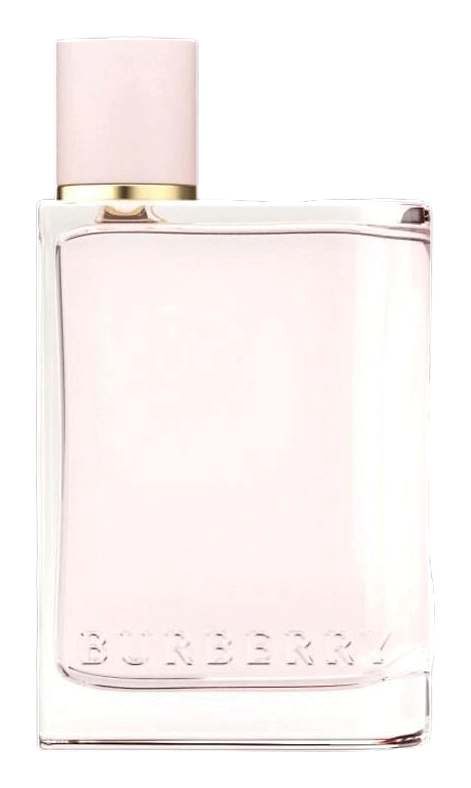
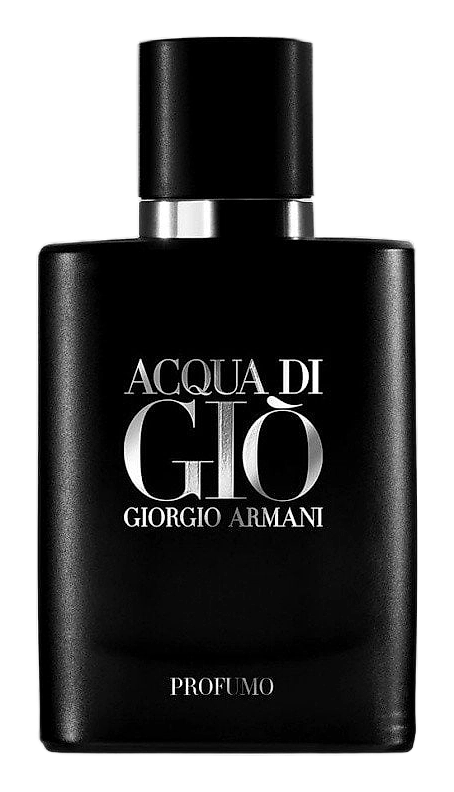
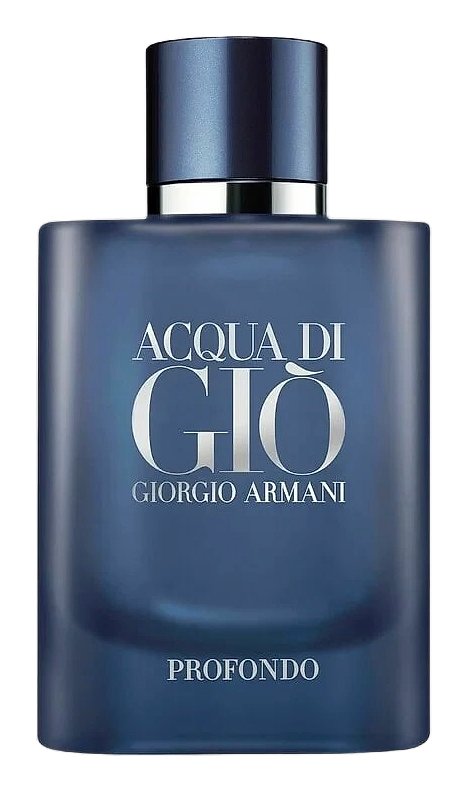
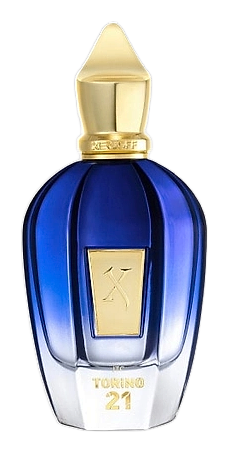
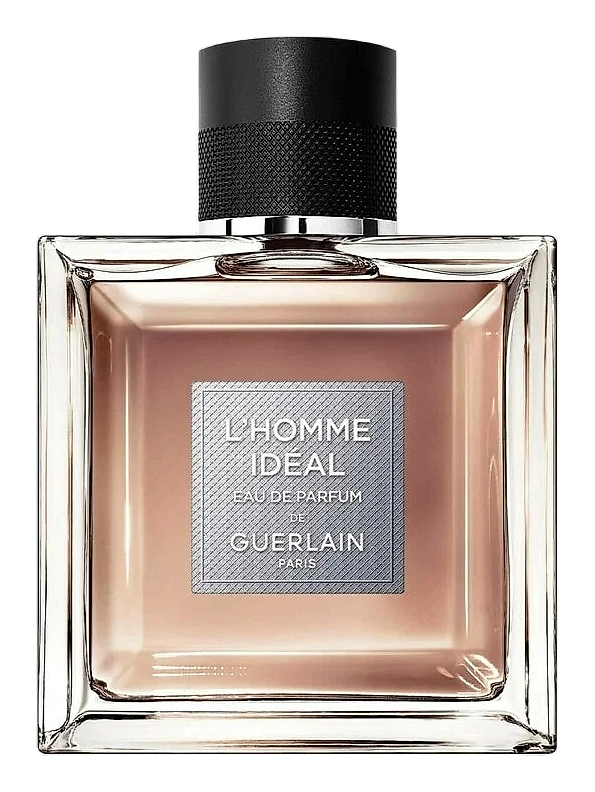
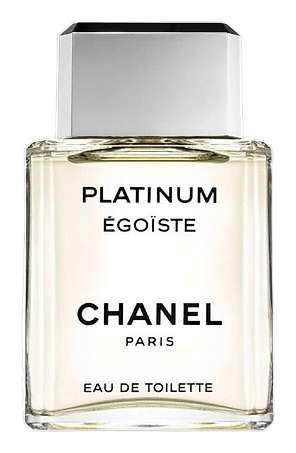
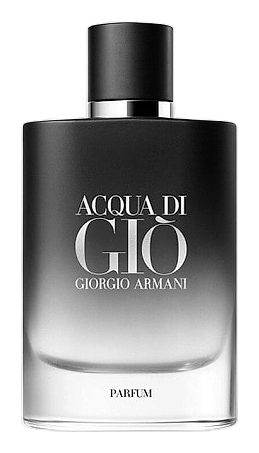
Fragrances featuring Rosemary




Brands
Brands known for Rosemary
Good to know
Questions, answered
The essentials on Rosemary in perfumery: how it smells, where it comes from, and how it behaves on skin.
What does rosemary smell like in perfume?
Rosemary smells crisp, herbaceous, and cooling with strong eucalyptus-like facets from 1,8-cineole, backed by piney resin and a faint camphor edge. It reads as fresh rather than sweet, and lifts compositions with a clean, almost medicinal clarity.
Is rosemary a top, middle, or base note?
Rosemary is almost always a top note. Its volatile molecules, including cineole and alpha-pinene, evaporate quickly within the first 15 to 30 minutes, providing the bright opening that defines herbal and fougère fragrances.
Where is rosemary essential oil produced?
Spain and Tunisia are the largest producers. Spain dominates global supply thanks to large-scale cultivation in Andalusia, while Tunisia contributes significant volume from organic and conventional farms across its northern regions.
Is rosemary oil safe for skin?
Properly diluted rosemary oil is generally safe in fragrance applications. It contains camphor, which can irritate sensitive skin at high concentrations, so perfumers typically limit usage to safe regulatory thresholds established by IFRA.
How is rosemary oil extracted?
Steam distillation is the standard method. Harvested leaves and flowering tops sit in a still while pressurized steam passes through, releasing essential oil that condenses and separates from the water for collection.
Does rosemary have a long history in perfumery?
Yes. Archaeochemical analysis identified rosemary in a roughly 4,000-year-old perfume residue, making it one of the oldest continuously used fragrance ingredients known to researchers today.
What fragrances commonly feature rosemary?
Rosemary anchors fougère structures and traditional eau de cologne formulas. It also appears regularly in aromatic herbal compositions, Mediterranean-style fragrances, and modern unisex scents seeking a sharp, green opening.
Can rosemary be made synthetically?
Yes. Key constituents like 1,8-cineole, camphor, and alpha-pinene can be isolated or synthesized for use in fragrance bases, though many perfumers prefer natural rosemary oil for its complex, full-spectrum character.