The Story
Why it exists.
The beginning
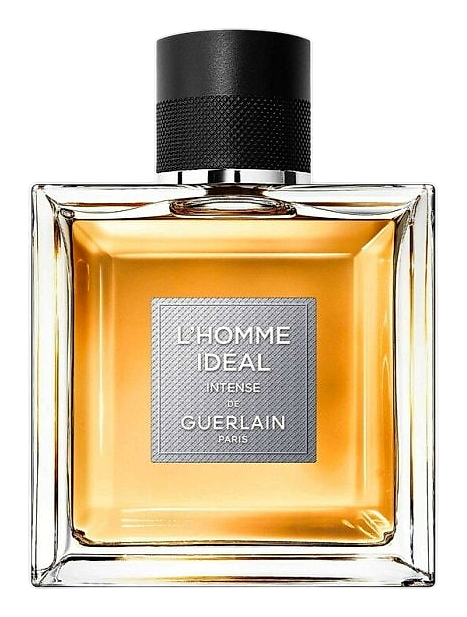
Guerlain has been creating fine fragrances since 1828, and nearly two centuries later the house still believes perfumery is both art and science. Thierry Wasser serves as the in-house perfumer, overseeing the sourcing of ingredients to maintain the highest standards. The name says it plainly: L'Homme Ideal. Guerlain was not being subtle about the intent. This was a man the house wanted to imagine, and then bottle. Thierry Wasser and Delphine Jelk built it around a single provocation: what if Guerlain's masculine ideal smelled like something you could drink? The answer lies in almond, bergamot, and a calculated spiciness that makes the opening feel like an aperitif.
The choice of vanilla and Bulgarian rose in a masculine fragrance was deliberate and slightly transgressive for 2016. Frankincense adds an element of sacred tradition, connecting the scent to something ancient and revered. Tonka bean and leather ground the sweetness, ensuring the fragrance reads as sophisticated rather than overly sugary. Sandalwood bridges the warm heart and the woody base, completing a structure that feels both complex and coherent.
The evolution
The journey begins with bergamot and almond, a combination that reads as both fresh and edible. Spices accompany this, preventing the opening from feeling too sweet. Within the first hour, vanilla takes over the heart, flanked by Bulgarian rose and supported by frankincense, creating a warm, slightly mystical core. As time passes, tonka bean amplifies the vanilla, leather introduces a tactile roughness, and sandalwood provides the creamy finish. Each stage feels intentional, building from brightness to depth.
Cultural impact
L'Homme Idéal arrived in 2016 as Guerlain's first almond-forward men's fragrance, a notable departure from the house's more traditional offerings. Some readers embraced its gourmand masculinity while others found it too sweet for the Guerlain man. One review described an impression of an expensive liqueur, noting that it smelled expensive in the way the inside of a luxury boutique smells. The fragrance found its audience in men who wanted Guerlain quality without Guerlain restraint.
The House
GuerlainGuerlain stands as one of the oldest and most revered perfume houses in the world, founded in Paris in 1828 by Pierre-François-Pascal Guerlain. What began as a boutique on rue de Rivoli quickly became the preferred destination for Parisian society, attracting dandies and elegant women who sought custom-crafted fragrances. The house's influence grew to such heights that Guerlain earned the title of Official Perfumer to Napoleon III after presenting Eau de Cologne Impériale to Empress Eugénie as a wedding gift in 1853. This royal patronage marked the beginning of Guerlain's enduring association with European aristocracy, as the house went on to create fragrances for Queen Victoria and Queen Isabella II of Spain. Today, under the creative direction of Thierry Wasser, the fifth-generation perfumer, Guerlain continues to shape the landscape of fine fragrance with a portfolio spanning over 1,100 olfactory creations. The house remains headquartered at its legendary Champs-Élysées mansion, a historic monument that anchors Guerlain's position at the intersection of heritage and contemporary luxury.
The Creator
Thierry Wasser & Delphine JelkWasser gravitates toward green, crispy notes and the bold florals Guerlain is known for. Bulgarian rose appears repeatedly in his work, and he travels annually to oversee the harvest in Kazanlak.