




Heritage
A house, in its own words
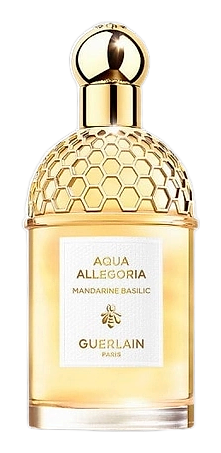
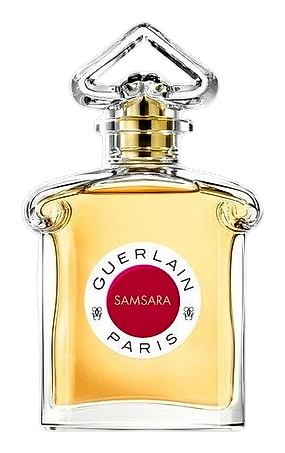
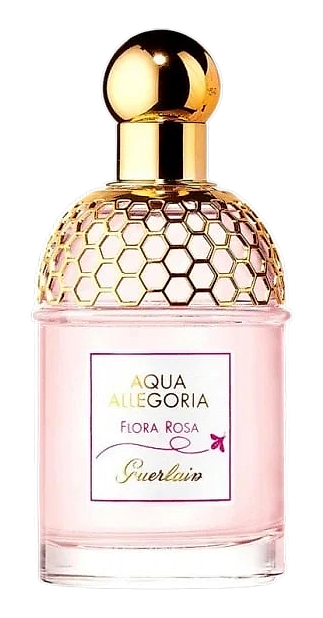
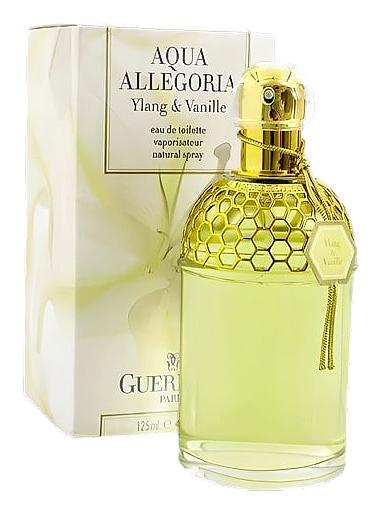
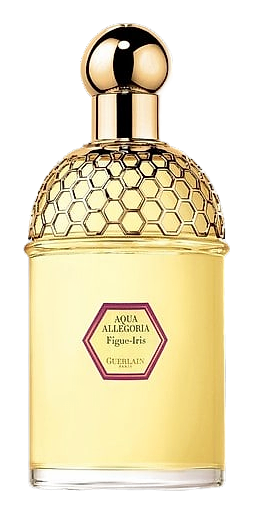
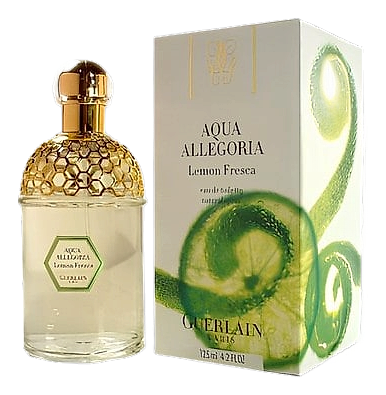
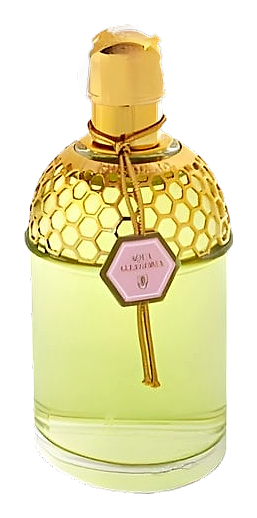
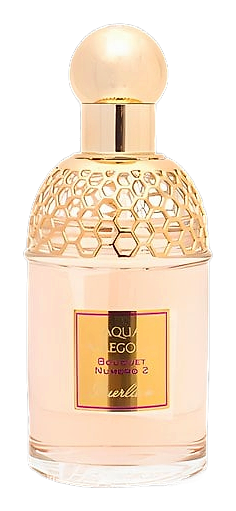
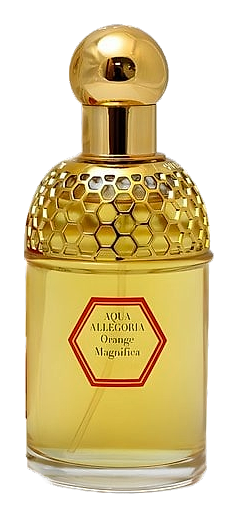
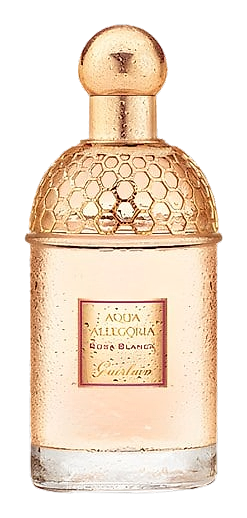
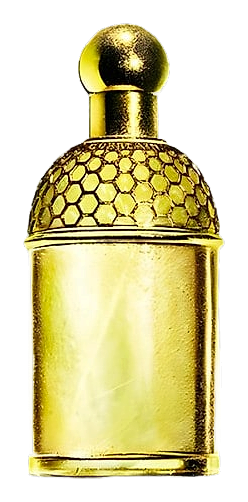
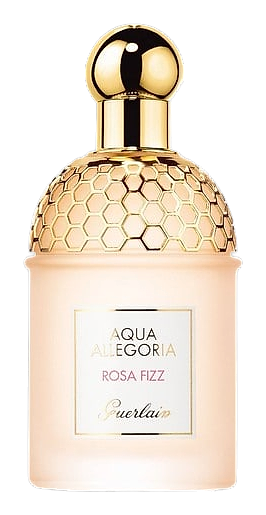
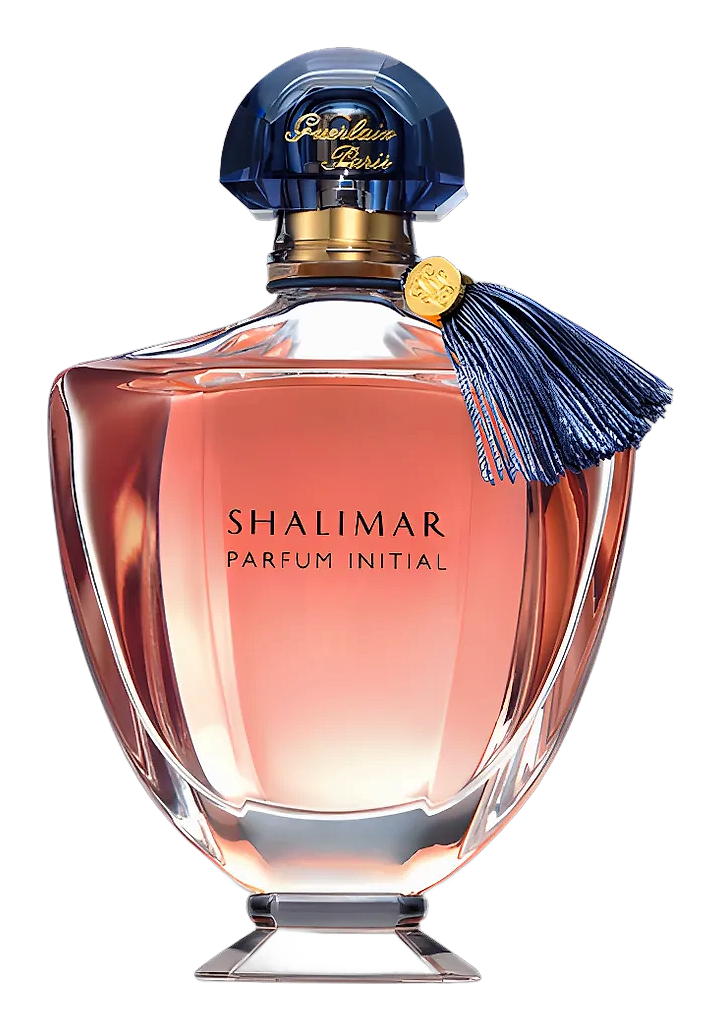
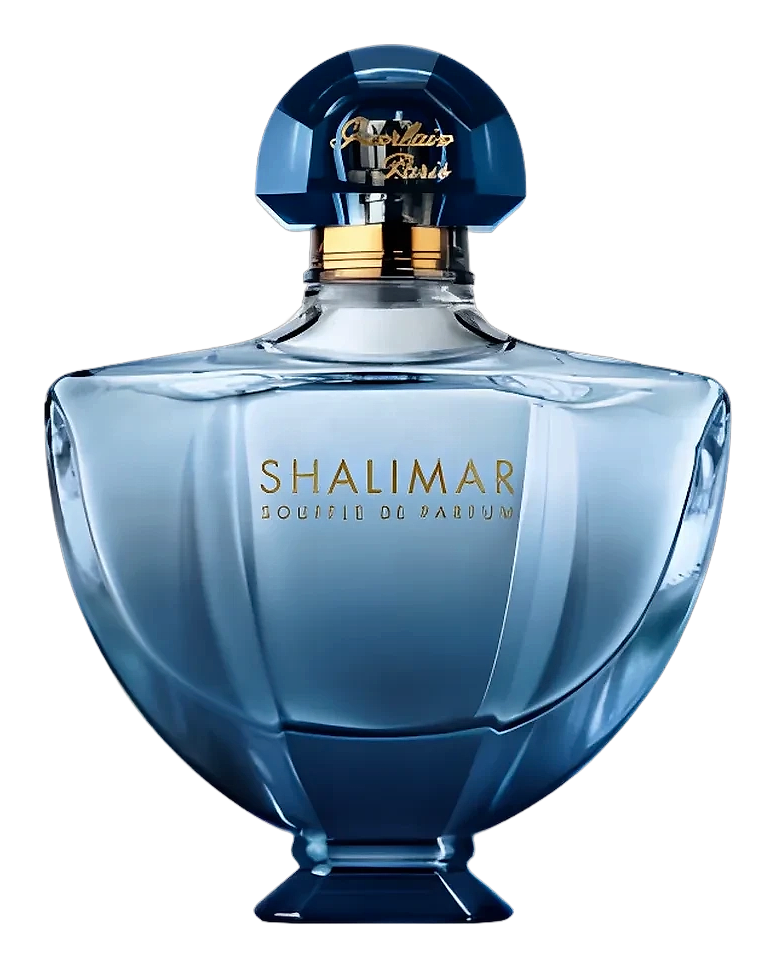
The story of Guerlain begins in 1828 when Pierre-François-Pascal Guerlain opened his first boutique at 42, rue de Rivoli in Paris. A trained chemist and self-taught perfumer, he initially crafted custom fragrances for his clientele, blending creams and cosmetics alongside perfumes. His scientific approach and artistic sensibility quickly attracted the Parisian beau monde and wealthy English travelers, establishing the boutique as an essential meeting place for fashionable society. By 1840, Guerlain had relocated to the prestigious rue de la Paix, solidifying its position in the heart of Parisian luxury. The pivotal moment arrived in 1853 when Pierre-François created Eau de Cologne Impériale for Napoleon III and Empress Eugénie, earning him the title of Official Perfumer to His Majesty. This royal commission elevated Guerlain to the pinnacle of European perfumery. Upon Pierre-François's death in 1864, his sons Aimé and Gabriel assumed leadership, with Aimé becoming the house's second-generation perfumer and Gabriel managing the business. Aimé's most celebrated creation was Jicky in 1889, a revolutionary fragrance considered the first true parfum and among the first to combine synthetic and natural ingredients. Gabriel's son Jacques took over as perfumer in 1912, marking the beginning of the house's most prolific creative period. Jacques composed landmark fragrances including L'Heure Bleue (1912), Mitsouko (1919), and the iconic Shalimar (1925), which became one of the most influential fragrances in history. His grandson Jean-Paul Guerlain continued this legacy from 1956, creating classics such as Vétiver (1959), Habit Rouge (1965), and Samsara (1989). In 1994, LVMH acquired the house, ending 166 years of family ownership. Thierry Wasser, who trained under Jean-Paul Guerlain, now serves as the house's fifth-generation in-house perfumer, guiding the brand into its third century of olfactory excellence. Guerlain's philosophy centers on an unwavering commitment to artisanal excellence and olfactory innovation that has defined the house for nearly two centuries. The belief that perfumery is both an art and a science permeates every aspect of the house's operations. Guerlain maintains that each fragrance should tell a story, evoke emotion, and create a lasting connection with its wearer. This conviction manifests in the house's dedication to creating distinctively memorable scents rather than chasing market trends. The concept of the Guerlinade, a signature accord shared across many Guerlain fragrances, represents the house's approach to creating olfactory continuity while allowing individual creations to express their unique character. Environmental stewardship has become increasingly central to Guerlain's philosophy, exemplified by its partnership with UNESCO that has reportedly facilitated the repopulation of 125 million bees, as these pollinators hold deep significance for the house's identity. The bee motif, which began with the Bee Bottle created for Empress Eugénie in 1853, has evolved into a symbol of Guerlain's commitment to protecting nature's precious raw materials. Innovation and tradition coexist harmoniously within the house's ethos, with each generation of perfumers building upon inherited knowledge while pushing creative boundaries. This balance between reverence for the past and openness to new possibilities defines Guerlain's enduring relevance in contemporary luxury fragrance.