The Story
Why it exists.
The beginning
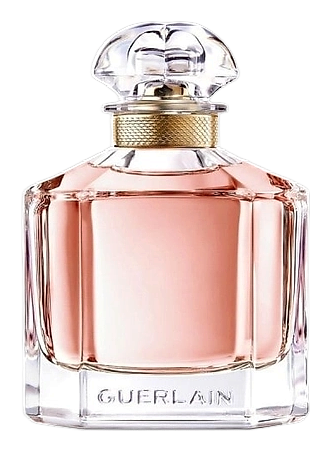
Guerlain's Aqua Allegoria line has always been about escapism, a collection of fragrances designed to evoke a feeling, a place, a moment outside of ordinary life. Flora Salvaggia, launched in 2021 under perfumers Thierry Wasser and Delphine Jelk, takes its name from the Italian wildflower meadows that burst across alpine hillsides in late spring. The brief was simple: capture that feeling of overgrown, joyful abundance. Not a formal garden. Not a manicured border. The kind of field where flowers grow without permission and the air smells like growth itself. Water and florals, freely given.
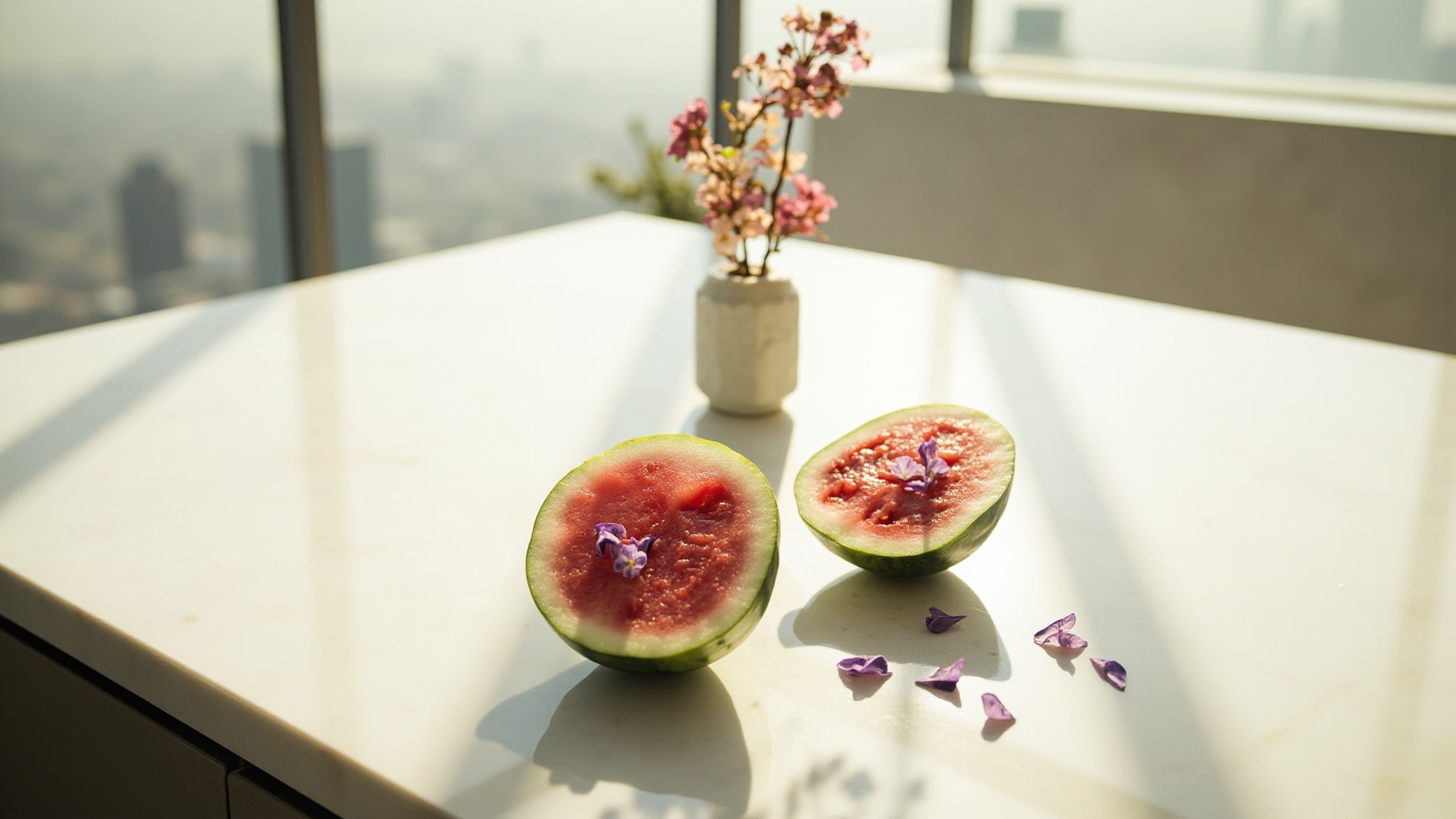
The choice of watermelon as the opening note is what makes this fragrance stand apart. It isn't the typical aquatic or citrus opener, it's a fruit, juicy and almost cold, that arrives before the florals have even announced themselves. This juicy quality threads through the heart alongside jasmine sambac and orange blossom, keeping the white florals from being too heady or tropical. The result is a floral aquatic that feels brighter and more playful than most. Powdery iris and violet in the base give it Guerlain's signature refinement, the kind of finish that signals this came from a Paris house, not a seasonal release.
The evolution
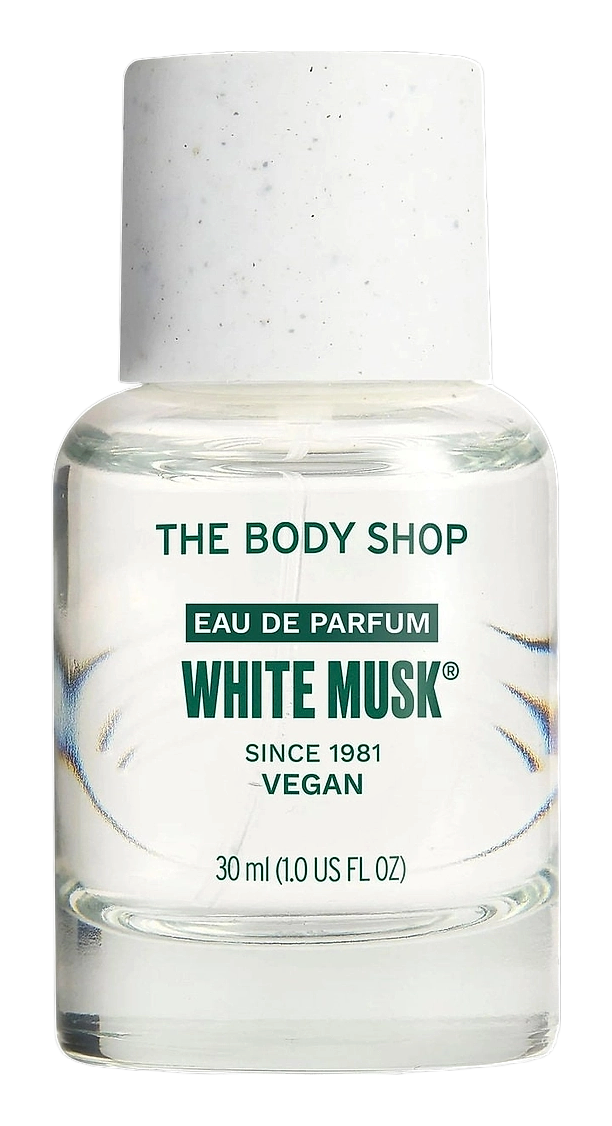
The opening hits fast and clean, watermelon and violet, with wildflowers barely there in the background, like crushed stems and dewy petals. Within thirty minutes, the melon softens and the heart takes over: jasmine sambac and orange blossom bloom in full sun. The watermelon doesn't disappear, it keeps the white florals juicy, almost fruit-adjacent, even as the jasmine warms. After two hours, the drydown arrives: powdery violet, iris, and white musk. The florals quiet. The skin holds something softer, closer, more intimate. On most skin types, expect four to six hours. The sillage stays moderate, this is a fragrance that dresses you, not the room.
Cultural impact
Flora Salvaggia arrived in 2021 as Guerlain expanded its Aqua Allegoria line, which has been a cornerstone of accessible luxury since the 1990s. The fragrance reflects a shift toward fresh, gender-neutral compositions in mainstream perfumery, aligning with the minimalist and clean aesthetic preferences of the era. Its watermelon-forward approach marked a departure from the line's more classical structures, signaling Guerlain's willingness to innovate while maintaining its classical perfume house identity. The scent has sparked conversation in fragrance communities about the house's direction and how it balances heritage with modernity.