The Story
Why it exists.
The beginning
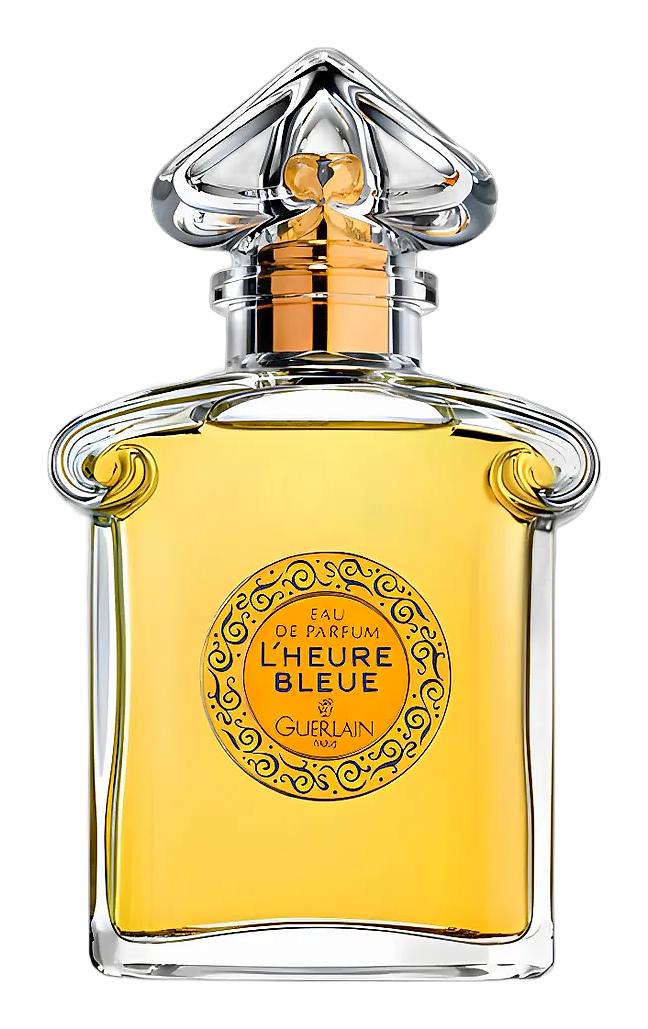
Guerlain, founded in Paris in 1828, earned the title of Official Perfumer to Napoleon III within 25 years of its founding, a distinction that placed the house permanently in the uppermost tier of French perfumery. Jacques Guerlain composed L'Heure Bleue in 1912, a period when perfumers still believed a fragrance could capture a specific moment in time rather than simply smelling pleasant. The challenge was to translate the ephemeral into the permanent, to fix in liquid form what light itself could not hold. Guerlain chose to work with materials that bridge worlds: star anise and bergamot at the opening, materials that combine aromatic intensity with citrus brightness, suggesting transition rather than arrival.
The note selection in L'Heure Bleue reflects a specific philosophy about capturing the blue hour. Star anise was chosen for its aromatic complexity, a spice that reads differently at different temperatures and concentrations. Bergamot provides the citrus anchor that prevents the opening from becoming too heavy. Carnation and neroli share a waxy, tactile quality that makes the heart feel almost physical, as if one could touch the fading light. The drydown materials, iris, benzoin, vanilla, tonka bean, and violet, were selected to create a base that would linger through the actual blue hour and beyond, extending the captured moment rather than letting it slip away.
The evolution
The fragrance unfolds as a deliberate sequence of transitions. Star anise and bergamot open the composition with a sharp, aromatic quality that immediately establishes the in-between state. The anise provides spice without heat, while bergamot offers citrus without outright sweetness. As the opening fades, carnation takes center stage, bringing its characteristic peppery warmth that feels both vintage and strangely modern. Neroli joins to soften the transition, adding orange-blossom sweetness that prevents the heart from becoming too austere. The drydown represents the full weight of Guerlain's classical training. Iris arrives with its powdery, violet-root elegance, followed by benzoin's warm balsamic quality. Vanilla and tonka bean create a creamy foundation that extends the wear, while violet adds a final floral echo that connects back to the heart. The entire arc moves from sharpness through warmth to softness, mirroring the actual transition from day to night.
Cultural impact
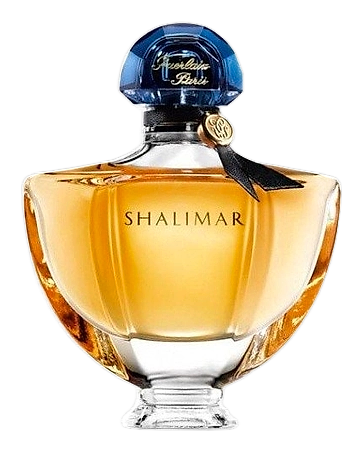
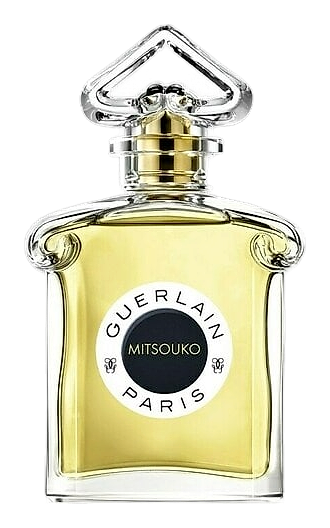
L'Heure Bleue holds a particular place among Guerlain's Légendaires, it's the one collectors seek out not for its power but for its restraint. Unlike Mitsouko or Shalimar, it doesn't announce itself across a room. It rewards proximity. Among powdery florals, it occupies a specific niche: warmer and more oriental than Iris Prima, more classical and less modern than the powdery aquatics that came later. It was never reformulated into silence the way some classics were, the current Les Légendaires version still carries the aniseed opening that made it distinctive in 1912. That's not nothing.