The Story
Why it exists.
The beginning
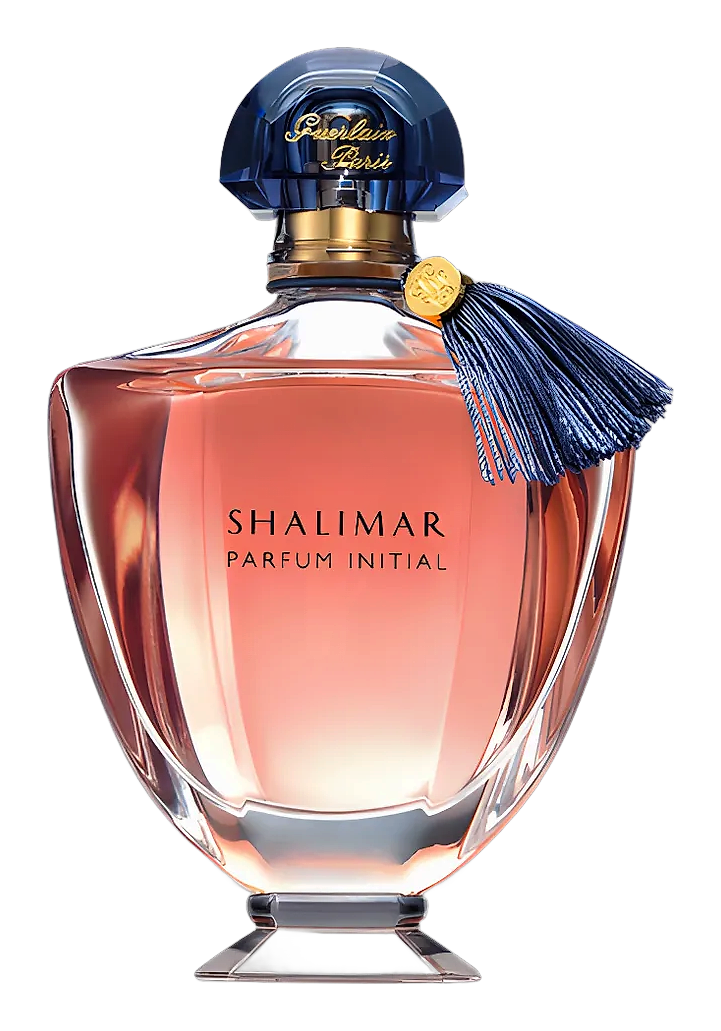
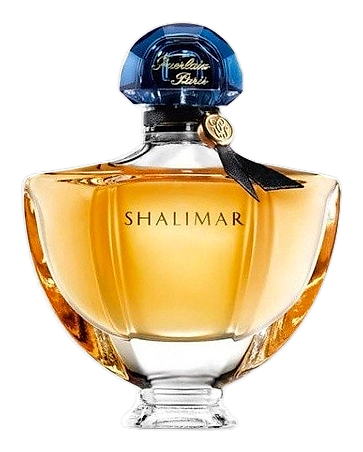
Shalimar was born in 1925 from Jacques Guerlain's tribute to the legendary Mughal garden that bears its name. The Persian word evokes the purest of all human pleasures, recalling Shah Jahan's love for Mumtaz Mahal and the fragrant oasis that inspired the Taj Mahal. The perfume captures this romance, translating it into a language of scent that remains as potent today as it was a century ago. Guerlain anchored his creation in bergamot and florals from the very first spray, knowing the garden itself deserved a bright, blossoming introduction before any deeper secrets could be revealed.
Guerlain selected bergamot and floral notes for the opening to evoke the garden awakening at dawn, while the iris, jasmine, and rose heart was chosen to represent the flowers that would have grown along its pathways. The vanilla, balsamic, and tonka bean base mirrors what remains in the air after a garden has been left behind: warmth, sweetness, and the faint memory of beauty. Tog ether, these notes tell a story that is both epic and tender, reflecting the garden, the love, and the enduring power of scent itself.
The evolution
The fragrance opens with bergamot and floral notes, a light and radiant entrance that recalls morning light filtering through garden hedgerows. Within minutes, the heart blooms into an iris, jasmine, and rose triad, each note tempering the others to create a powdery, romantic core that feels effortless and eternal. As the florals begin to quiet, the drydown takes over: vanilla rises to meet balsamic notes, creating a warm amber bath, while tonka bean adds a gentle, sweet finish. The arc moves from radiant freshness to Intimate florals to a final embrace of warmth, a journey as layered as the love story that inspired it.
Cultural impact
Since its 1925 debut, Shalimar has become an icon of oriental perfumery, its name evoking the legendary Mughal garden and the love story behind the Taj Mahal. The fragrance endures as a benchmark for vanilla rich classics, its sophisticated balance of citrus brightness, velvety florals, and deep oriental warmth making it a reference point for generations of scent creators.
The House
GuerlainGuerlain stands as one of the oldest and most revered perfume houses in the world, founded in Paris in 1828 by Pierre-François-Pascal Guerlain. What began as a boutique on rue de Rivoli quickly became the preferred destination for Parisian society, attracting dandies and elegant women who sought custom-crafted fragrances. The house's influence grew to such heights that Guerlain earned the title of Official Perfumer to Napoleon III after presenting Eau de Cologne Impériale to Empress Eugénie as a wedding gift in 1853. This royal patronage marked the beginning of Guerlain's enduring association with European aristocracy, as the house went on to create fragrances for Queen Victoria and Queen Isabella II of Spain. Today, under the creative direction of Thierry Wasser, the fifth-generation perfumer, Guerlain continues to shape the landscape of fine fragrance with a portfolio spanning over 1,100 olfactory creations. The house remains headquartered at its legendary Champs-Élysées mansion, a historic monument that anchors Guerlain's position at the intersection of heritage and contemporary luxury.
The Creator
Jacques GuerlainJacques was among the first perfumers to work seriously with synthetic ingredients alongside naturals, publishing on essential oils with chemist Justin Dupont and experimenting with perfuming ink. His technical approach was precise: volume measurements for liquids, careful wei…