The Story
Why it exists.
The beginning
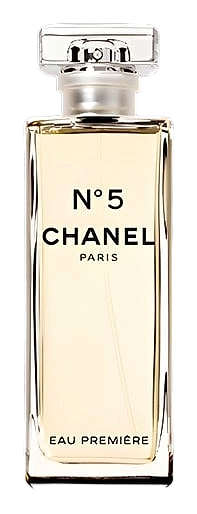
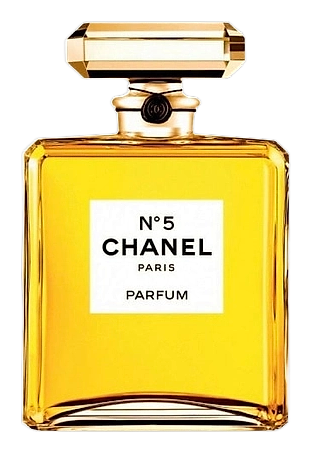
Coco Chanel wanted something that smelled like a woman, not a flower. In 1921, she gave that brief to Ernest Beaux, a Russian-French perfumer who had been working with aromatic materials since before the revolution. Beaux understood abstraction, the idea that a fragrance didn't need to reproduce nature to move someone. He delivered N°5, an overdose of aldehydes layered over Grasse jasmine, May rose, and ylang-ylang. Chanel wore it herself before it launched. That was the entire campaign.
Aldehydes had been used before in small doses, Houbigant's Quelques Fleurs, for instance, employed them to make florals seem more natural. Beaux did something different: he stacked them so high they became a note in their own right, a cold, almost metallic sparkle that made everything else feel elevated and strange. Few fragrance houses had attempted this kind of abstraction at the time. Fewer still had the confidence to make synthetic chemistry the centerpiece rather than a trick to mask cost. The Parfum concentration amplifies this further, more concentrated means more aldehyde presence, more of that electric lift before the florals arrive.
The evolution
The aldehydes hit first, cold, sparkling, almost metallic. citrus and neroli cut through it. Ten minutes in, the jasmine and rose emerge, creamy and physically present, pushing the aldehyde lift into the background but never fully erasing it. That's the signature: a fragrance that keeps two conversations going at once. The drydown takes an hour to arrive, and when it does, it's quieter, sandalwood, vanilla, and a note of musk that warms against the skin rather than announcing itself. The Parfum version hangs close. On fabric, it persists for days. The morning after, it's still there, warm, intimate, a ghost of something that smelled extraordinary.
Cultural impact
N°5 is the fragrance that people mean when they say 'famous perfume.' Marilyn Monroe famously wore only a few drops of it to sleep in 1954, cementing its status as more than a fragrance, a cultural shorthand for luxury. The bottle, designed by Jean Helleau in 1924, was added to MoMA's permanent collection in 1959. It set the template for abstract florals and remains the reference point for modern perfumery.