Civet
A visceral, controversial ingredient that divides opinion. Civet brings an unmistakable animalic warmth to fragrances—feral, complex, and unforgettable.
Character
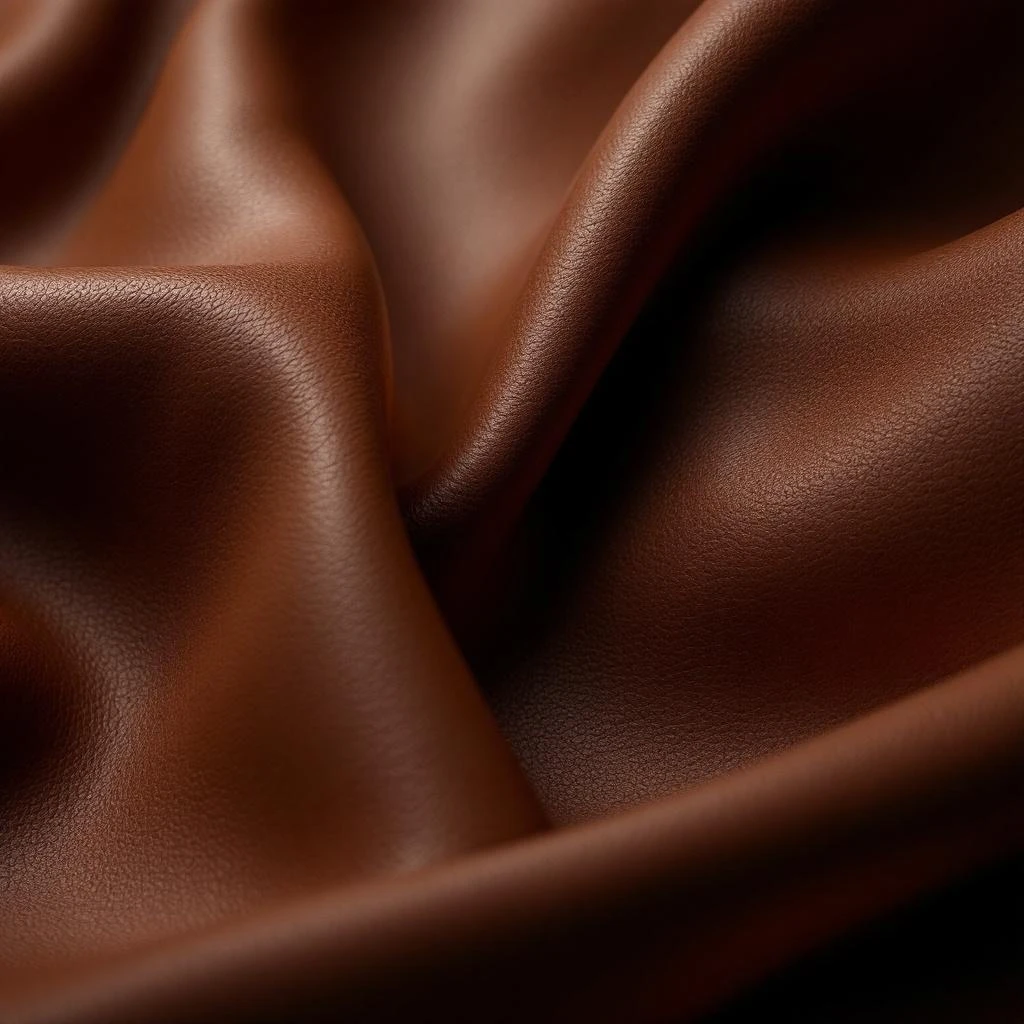
How it smells
The raw pulse beneath luxury.
African civets aren't cats at all. They're mongooses, and they produce this secretion to mark territory.








Origin
Ethiopia
Animal notes entered recorded history around 330 BC when Alexander the Great encountered them. Yet it was 10th-century Arabic perfumers who first truly mastered civet, recognizing its power to anchor and enrich fragrance compositions.
The ingredient spread rapidly through trade routes, becoming coveted across the Middle East and Europe. Civet appeared in apothecary cabinets alongside medicinal uses and in fashionable contexts like perfuming wigs and snuff.
By the 19th century, European houses depended on Ethiopian civet for their most prestigious formulations. Today, synthetic alternatives dominate most commercial perfumery, but natural civet remains available for niche producers committed to traditional methods.
Wears it best
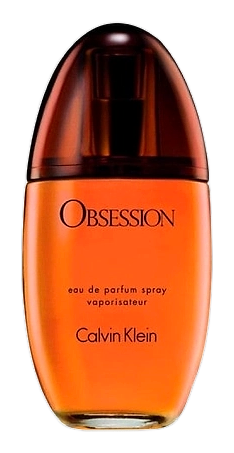
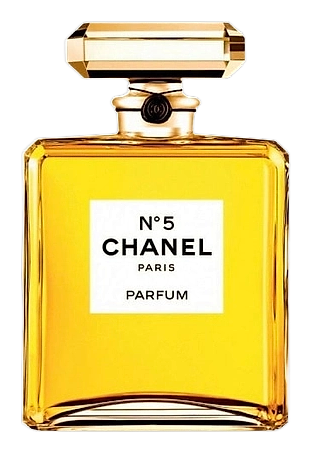
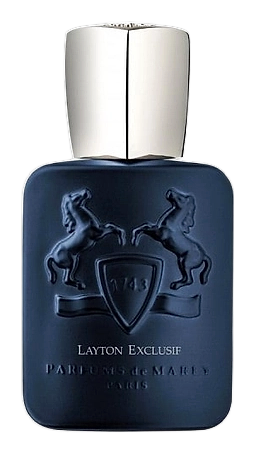
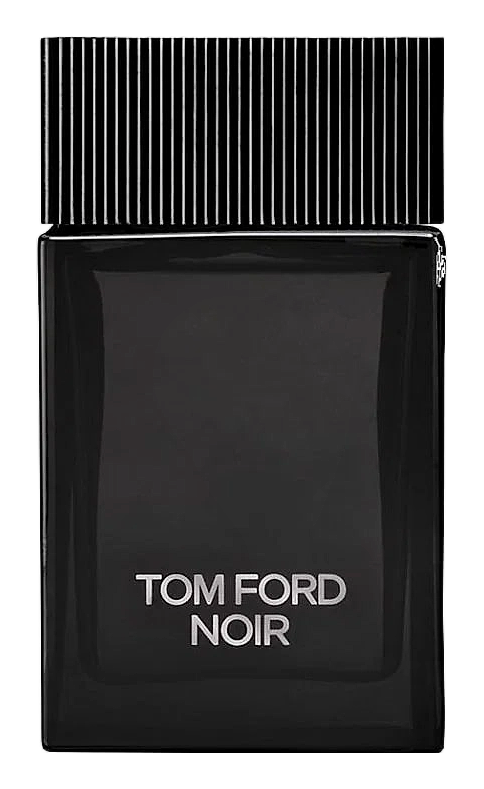
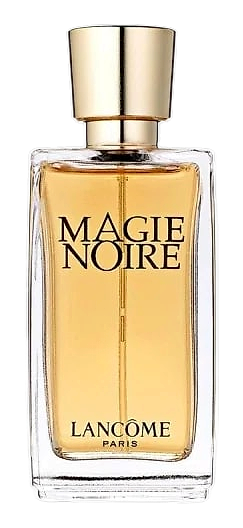
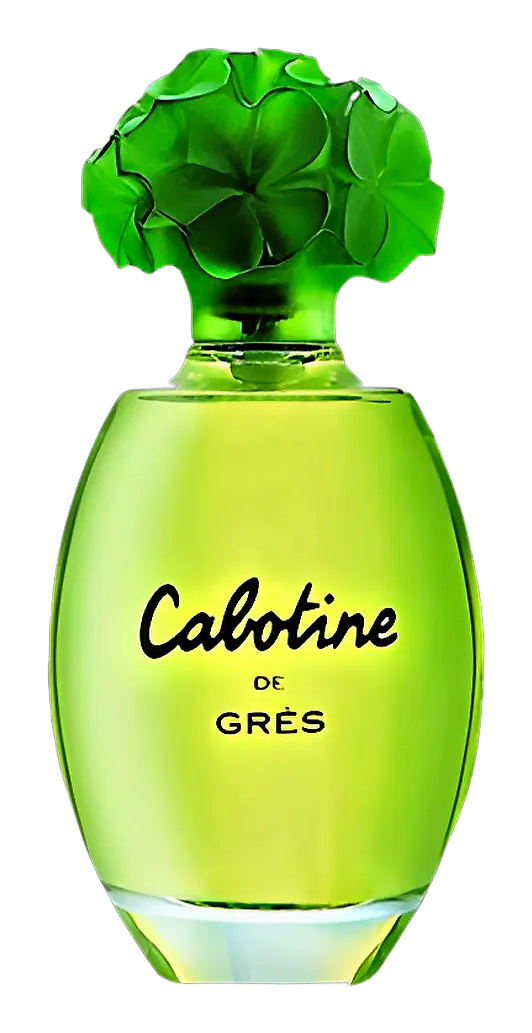
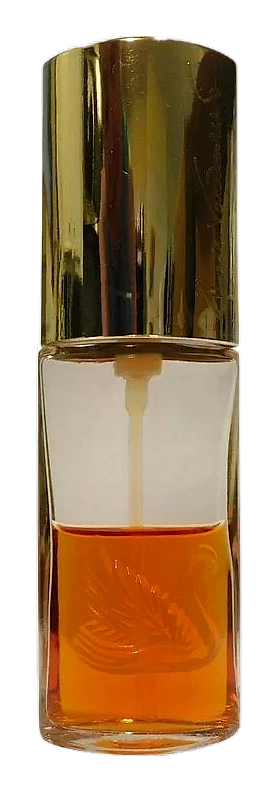
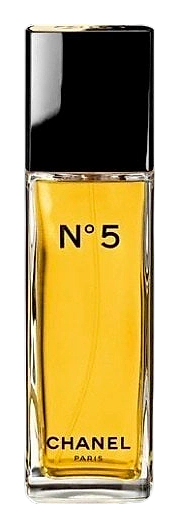
Fragrances featuring Civet
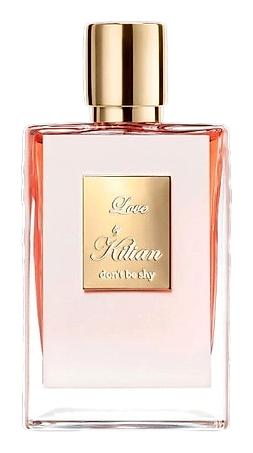


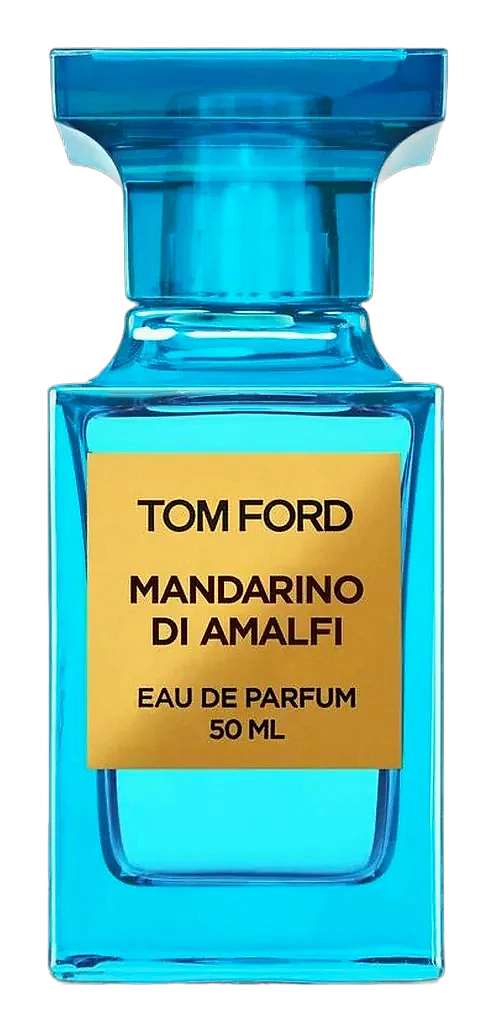
Brands
Brands known for Civet
Good to know
Questions, answered
The essentials on Civet in perfumery: how it smells, where it comes from, and how it behaves on skin.
Is civet still used in modern perfumery?
Yes, but rarely. Most commercial fragrances now use synthetic alternatives that replicate civet's animalic warmth. Natural civet appears almost exclusively in artisanal and niche perfumes.
Does using civet harm the animals?
Modern civet harvesting collects secretions without killing the animal. Ethiopian operations, the primary source, use methods designed for repeated collection during the civet's natural behavior cycles.
What does civet smell like?
Undiluted, it smells intensely fecal and animalic. At low concentrations, it reveals warm, leathery, skin-like qualities with a distinctly human warmth that synthetic musks struggle to match.
Why is civet so expensive?
Limited supply from Ethiopian operations, labor-intensive collection, and the specialized knowledge required for proper handling contribute to its cost. A single civet produces only small quantities annually.
What famous fragrances contain civet?
Classic formulations like Chanel No. 5 famously used civet, which contributed to its legendary animalic depth. Many prestigious 20th-century fragrances listed it as a key ingredient.
What is civet exactly?
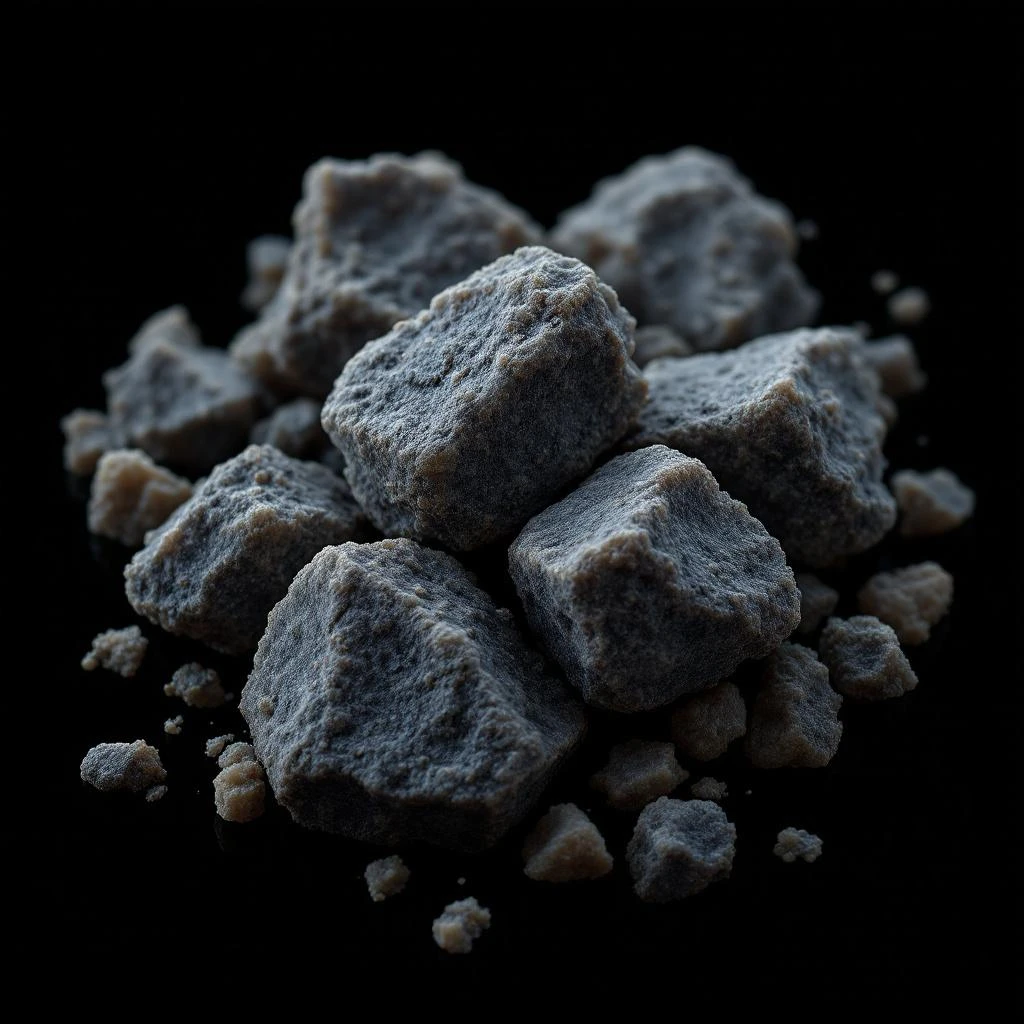
Civet is a brown paste secreted by African civets, small mammals related to mongooses. The secretion serves a territorial marking function in the wild and contains complex aromatic compounds prized in perfumery.
Are there ethical alternatives to natural civet?
Synthetic civet compounds exist and are widely used. These lab-created alternatives offer the animalic warmth without ethical concerns, though some perfumers maintain natural civet produces a more complex effect.
How do perfumers use civet in formulations?
Perfumers add civet in tiny quantities to provide an animalic backbone and help fragrance components blend. It adds warmth, depth, and staying power, often described as making scents feel more human and alive.