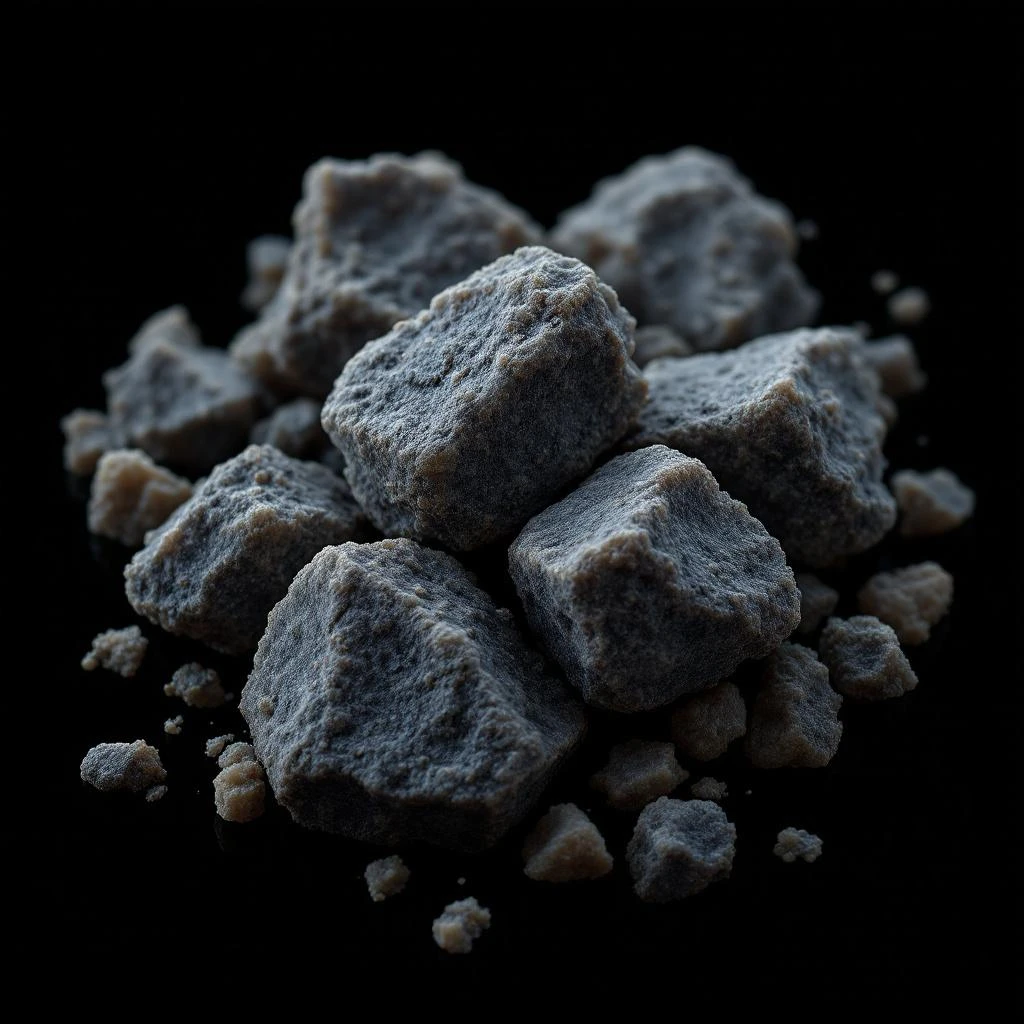
Animalic Notes
Animal notes encompass natural aromatic substances sourced from animal glands and secretions, historically including civet, musk, castoreum and ambergris. These powerful base materials once defined classical perfumery, lending fragrances their characteristic depth, persistence and sensual warmth.
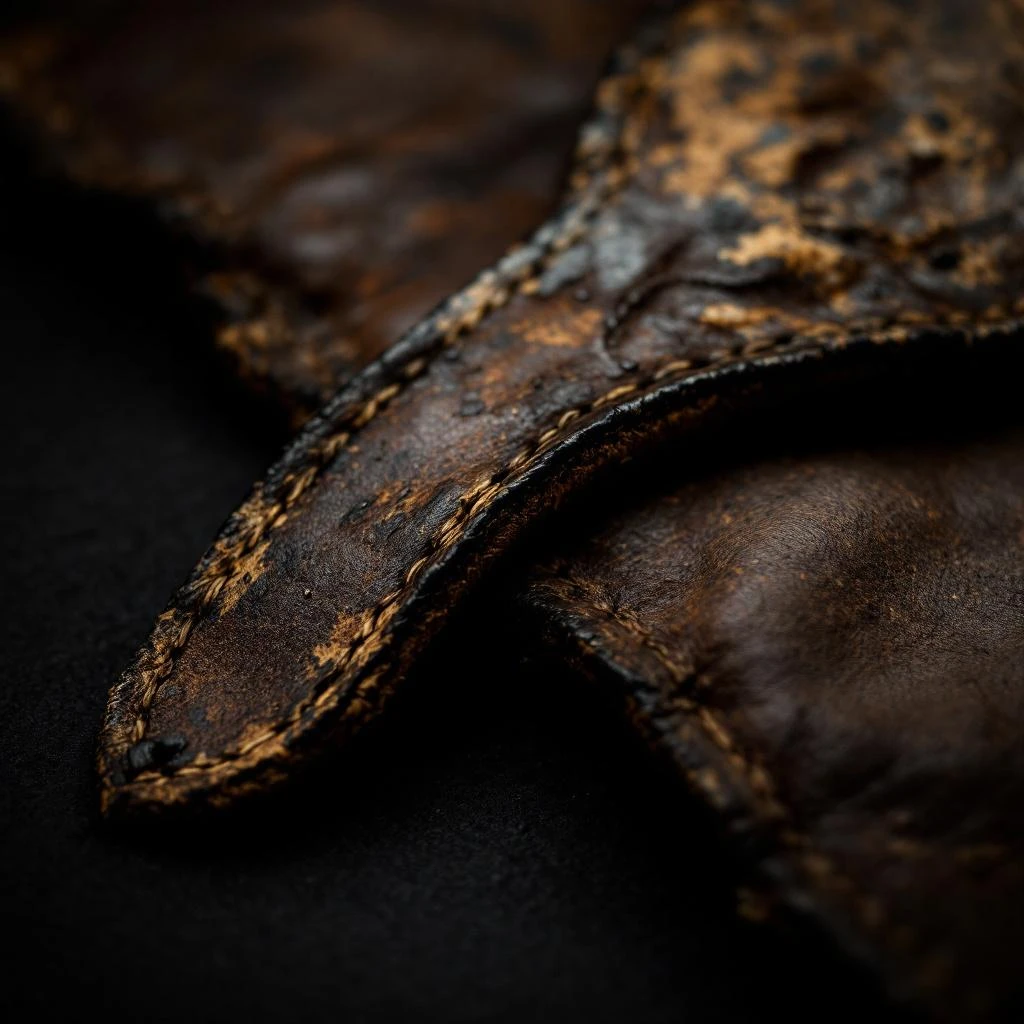
Character
How it smells
The primal heart of classical perfumery.
Jasmine contains indole, a compound also found in animal secretions, explaining its unexpectedly animalic facet at certain concentrations.









Origin
Multiple origins
Animal notes have perfumed humanity since antiquity. Alexander the Great documented them around 330 BC, though Egyptians employed them earlier. Cleopatra reportedly favoured civet.
By the early twentieth century, nearly all classical perfumes relied on animal note compositions serving as fixatives, base notes and roundness enhancers. When integrated with florals like rose, jasmine and ylang-ylang, raw animalic notes softened yet improved fragrance cohesion. The 1960s saw intensive musk deer hunting, with prices reaching 200,000 euros per kilogram.
International conservation efforts, culminating in CITES 1973, and IFRA prohibitions largely ended natural animal note usage in perfumery by the late twentieth century.
Wears it best
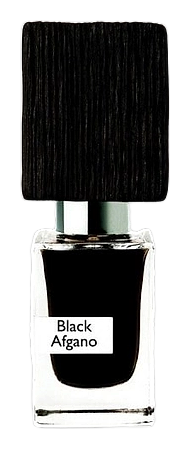
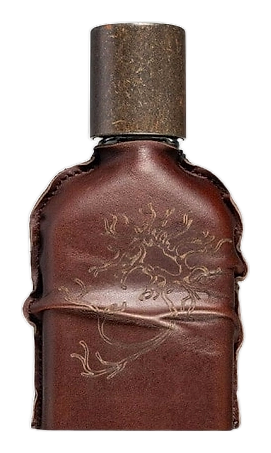
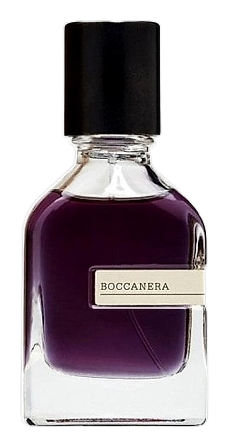
Fragrances featuring Animalic Notes






Brands
Brands known for Animalic Notes
Good to know
Questions, answered
The essentials on Animalic Notes in perfumery: how it smells, where it comes from, and how it behaves on skin.
What are animal notes in perfumery?
Animal notes are aromatic substances derived from animal glands and secretions that add depth, persistence and sensual warmth to fragrances. The main natural animal notes historically included civet, musk, castoreum and ambergris. Modern perfumery primarily uses synthetic alternatives that reproduce these characteristic olfactory facets.
Are natural animal notes still used today?
Most natural animal notes are prohibited in contemporary perfumery due to animal welfare concerns and international protections. Ambergris remains the sole natural animal note still permitted, as sperm whales naturally expel it without harm. The IFRA bans civet, musk and castoreum from professional fragrance formulations.
How does civet smell in perfume?
Raw civet has an intensely animalic, fecal odor often described as unpleasant in isolation. When diluted and blended with other materials, civet contributes a rich, animalic warmth, depth and fixative power that enhances a fragrance's sillage and longevity.
What do synthetic animal notes smell like?
Synthetic animal notes reproduce facets including leathery, smoky, fecal, woody and animalic characteristics. Paracresyl acetate offers anise-leather-floral facets. Indole provides jasmine with metallic, tar-like undertones. Paracresol adds baumé and plastic nuances. These allow perfumers to capture animalic depth without animal sourcing.
Why were animal notes so valuable historically?
Animal notes served critical functions: their exceptional fixative properties slowed evaporation of lighter top notes, while their inherent strength provided roundness and cohesion to fragrance compositions. A single percent addition could dramatically extend a perfume's lasting power on skin.
Where did civet originate in perfumery?
Ethiopia dominated commercial civet production, where local farmers maintained civets in portable cages and harvested secretions every ten days. Ethiopian traditions included preserving civet fat in zebu horns and using pure civet for ceremonial anointing, particularly on wedding nights.
What fragrances showcase animal notes?
Several modern fragrances explore animalic facets through synthetic materials. Cartier Panther (1986), SLM Vapeurs Diablotines (2016), Nasomatto Nudiflorum (2018) and Evody Tubereuse Manifesto (2017) feature animalic orientations. Guerlain's classical compositions once used civet as their olfactory signature.
How has the musk deer influenced perfumery?
The musk deer, native to Himalayan altitudes exceeding 2000 meters, produces pods containing prized grains once worth 200,000 euros per kilogram. Despite CITES protections and captive breeding programmes established in China since 1988, poaching continues to threaten the species.