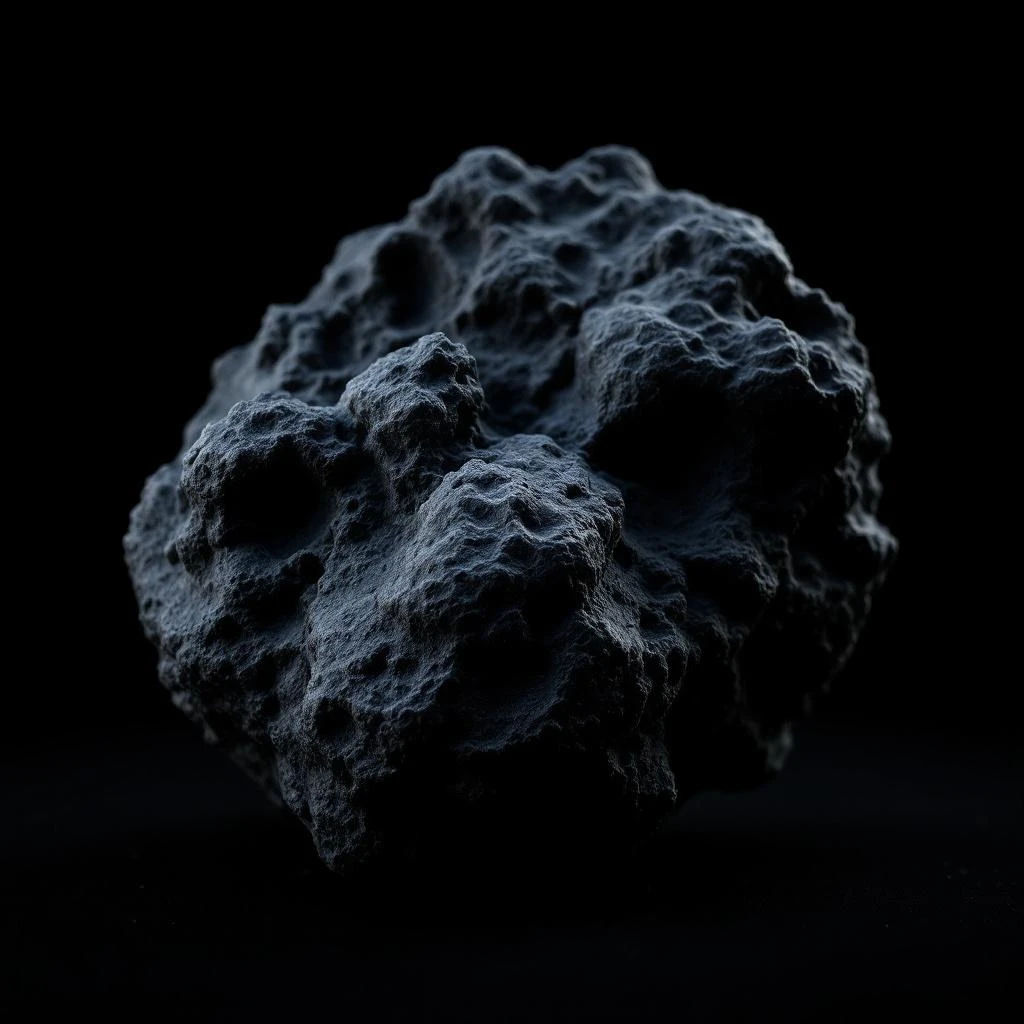
Black Leather
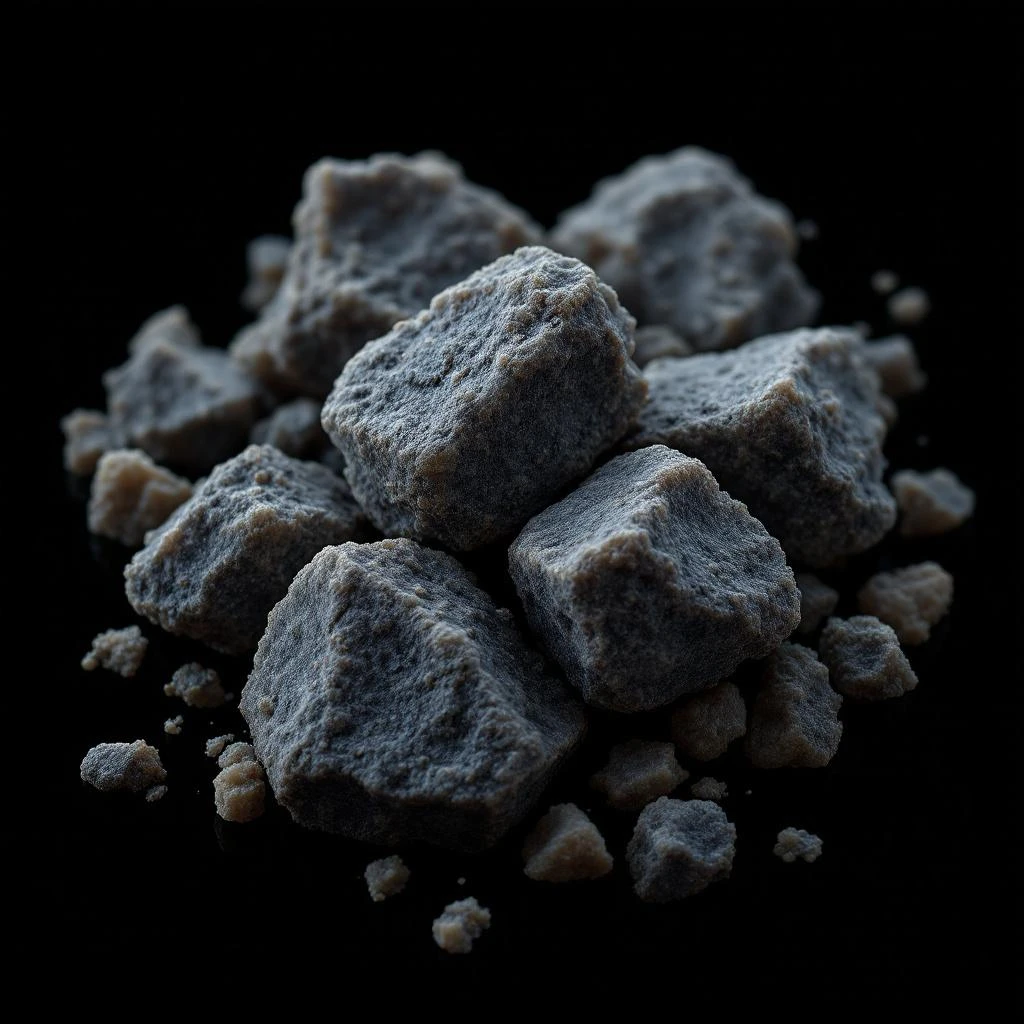
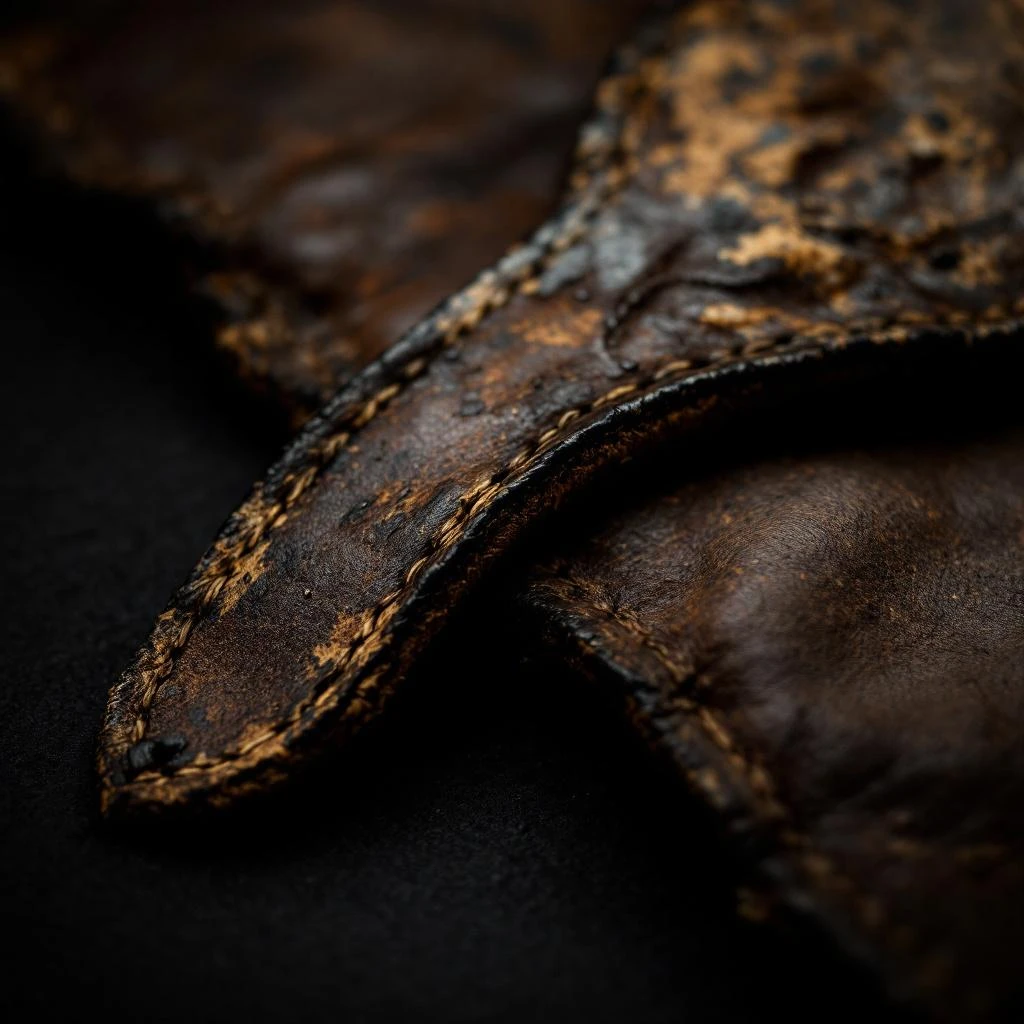
The olfactory echo of supple hide, warm suede, and the smoky darkness of tanned leather—crafted from aromatic molecules that conjure leather without containing any actual leather at all.
Character
How it smells
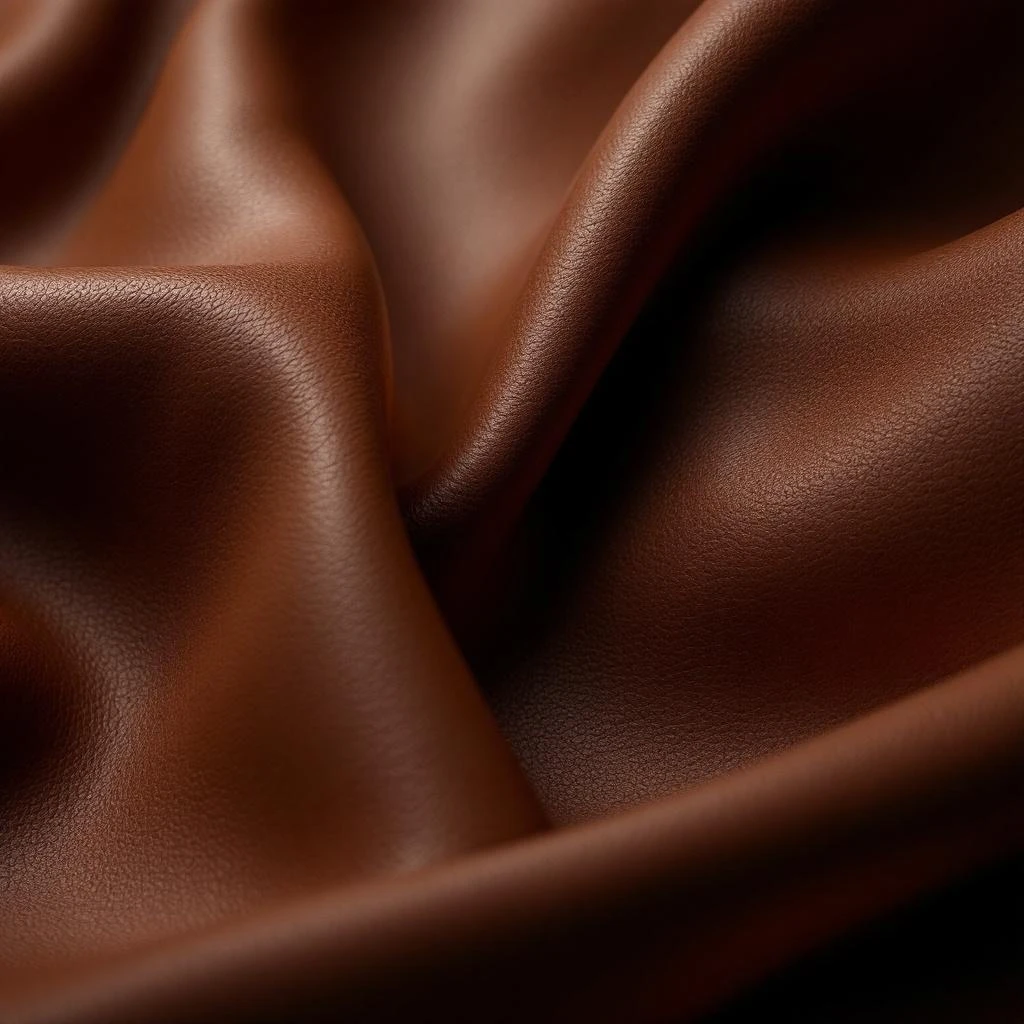
Darkness, warmth, and the allure of treated hide
What we perceive as the scent of leather is actually the smell of the chemicals used during tanning—birch tar, castoreum, and synthetics—not leather itself.







Origin
France
Leather entered perfumery through royal commissions. In 16th-century France, Catherine de Medici's glovemakers in Grasse began infusing gloves with scented preparations, establishing leather as a luxury material long before it appeared in fragrance bottles. By the 1700s, Russian leather—cured with Siberian birch bark and oiled for waterproofing—had become the gold standard.
European bibliophiles prized books bound in this leather for its distinctive dark, sweet-smoky aroma, and craftsmen from coaches to caskets sought it. In 1786, the shipwreck of the Frau Metta Catherina off Plymouth Sound recovered bundles of 200-year-old reindeer hides that remained supple and aromatic, a testament to the Russian tanners' craft. The modern leather note emerged in perfumery by the early 20th century, with Chanel's Cuir de Russie (1924) and Piguet's Bandit (1944) defining the genre as something powerful, assertive, and demanding of the room.
Today's black leather is softer, textured, and far more versatile.
Wears it best
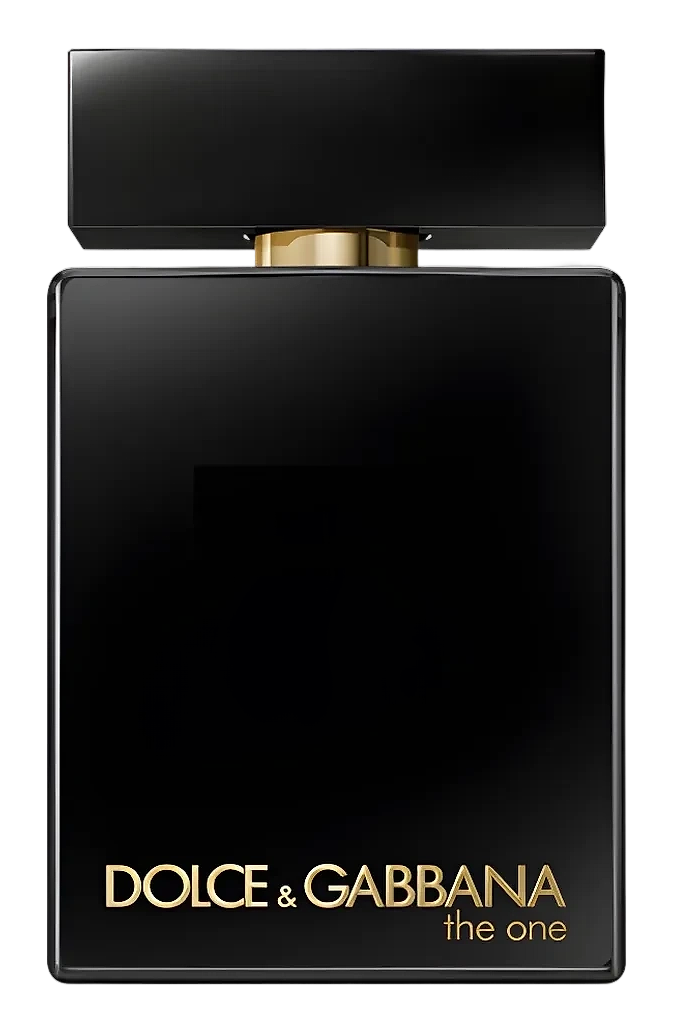
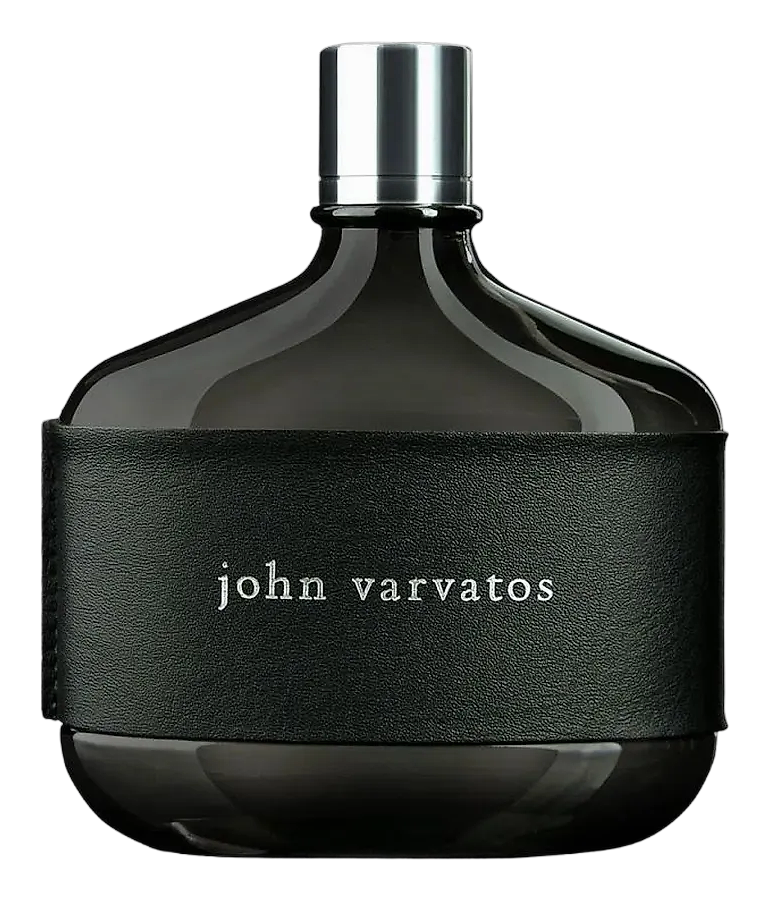
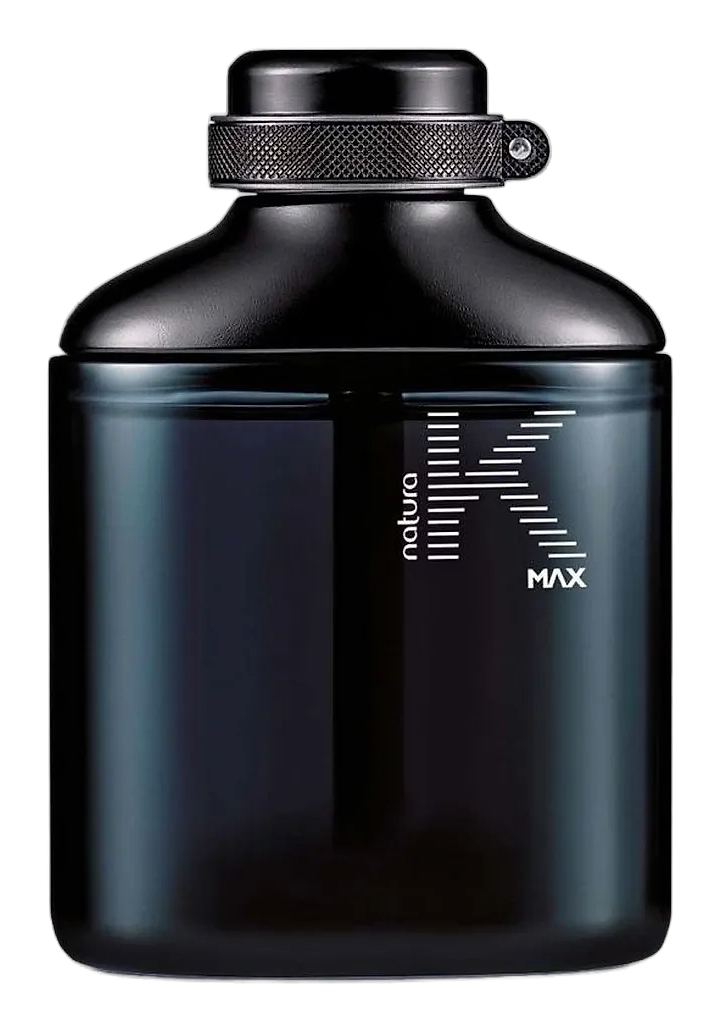
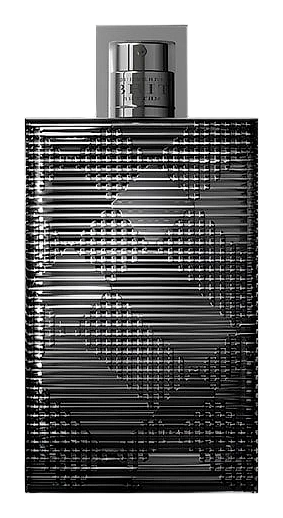
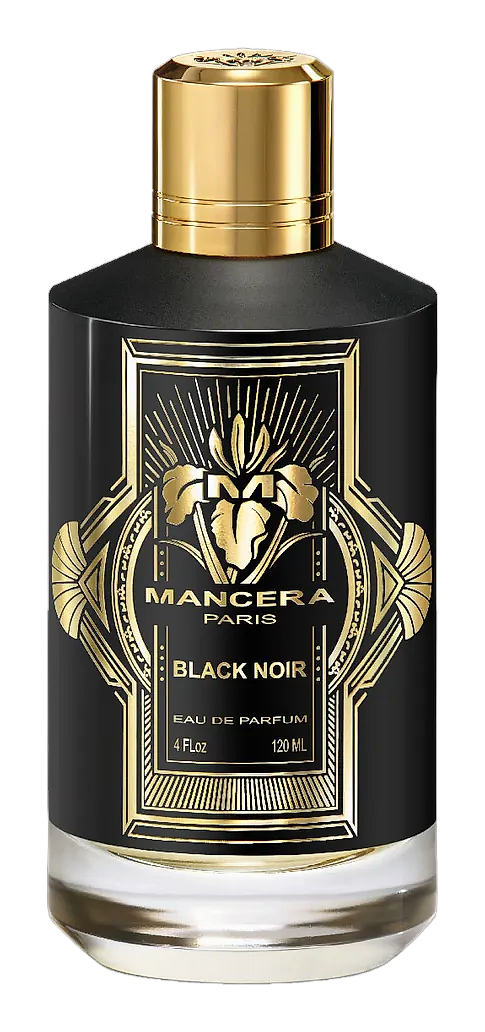
Fragrances featuring Black Leather



Brands
Brands known for Black Leather
Good to know
Questions, answered
The essentials on Black Leather in perfumery: how it smells, where it comes from, and how it behaves on skin.
Is black leather made from actual leather?
No. Black leather in perfumery is an olfactory construction, not an extract from animal hide. It uses aromatic molecules like isobutyl quinoline and birch tar derivatives that share the chemical profile of the leather tanning process.
What gives black leather its characteristic smell?
Isobutyl quinoline (IBQ) is the primary leather molecule. Discovered in the late 19th century, it delivers notes of dry earth, moss, vetiver, and tar. Supporting materials like castoreum add animal warmth while birch tar contributes smoky depth.
Why do leather fragrances smell like a new car?
Modern automotive leather undergoes a tanning process using birch tar oils and other treatments that chemically overlap with the same ingredients used in leather perfume. You are essentially smelling the tanning chemicals, not leather itself.
How does suede leather differ from traditional leather?
Suede leather is softer, more powdery, and less aggressive than classical leather accords. It emphasizes texture and warmth over smoky power, relying on musks, powdery elements, and restrained resinous support to achieve that velvety, brushed-hide quality.
Why did classical leather perfumery decline?
Regulation reshaped the palette. IFRA classified crude birch tar oil as a Category 1 carcinogen, restricting its use. Oakmoss limits devastated the chypre family that supported leather compositions. Natural castoreum became scarce and expensive, forcing perfumers toward synthetics.
Where does castoreum come from?
Castoreum is a secretions from the castor sacs of North American beavers, used historically to add animal warmth and complexity to leather accords. It remains approved for use but has become expensive and ethically scrutinized, making it rare in modern formulations.
What perfumes feature black leather as a dominant note?
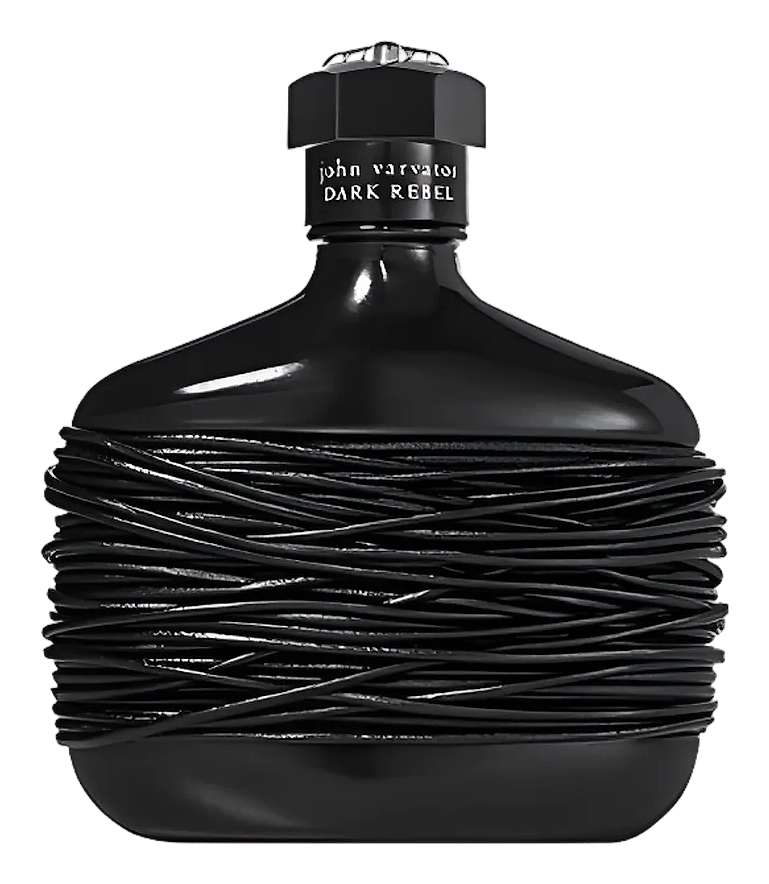
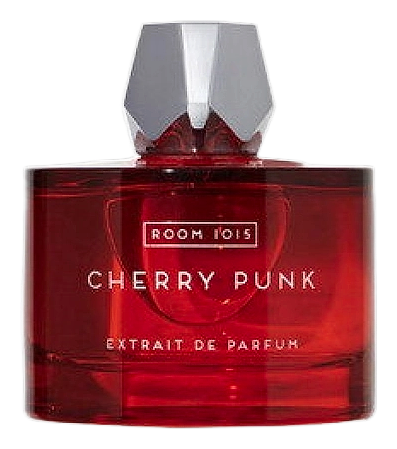
Tom Ford's Ombré Leather and Tuscan Leather define the modern black leather style. Room 1015's Cherry Punk pairs it with cherry for a punk aesthetic, while Guerlain's Black Perfecto and John Varvatos' Dark Rebel offer darker interpretations.
Is black leather more common as a top, heart, or base note?
Black leather appears most often as a base note (28 uses in tracked perfumes) and heart note (18 uses), rarely as a top note (6 uses). This reflects its role as a anchoring, long-lasting element rather than an opening impact.