Hyraceum
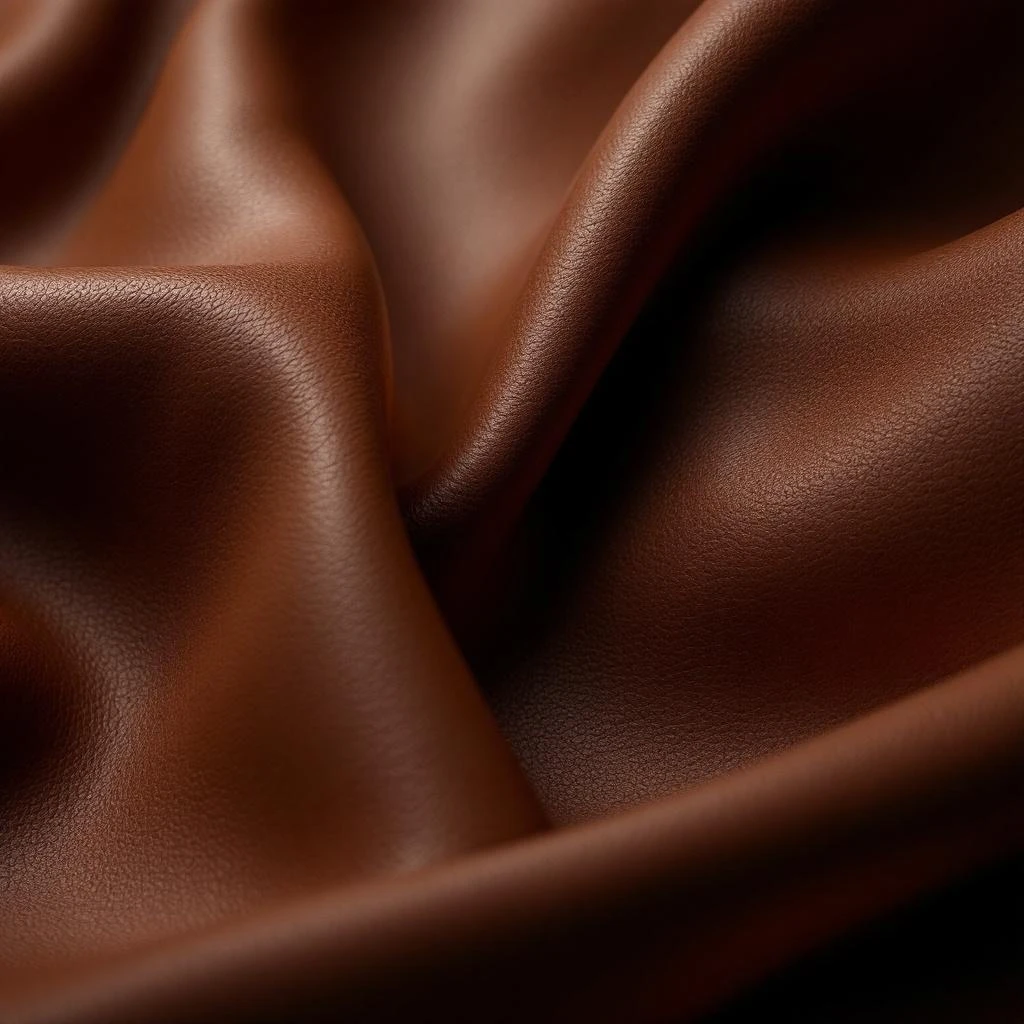
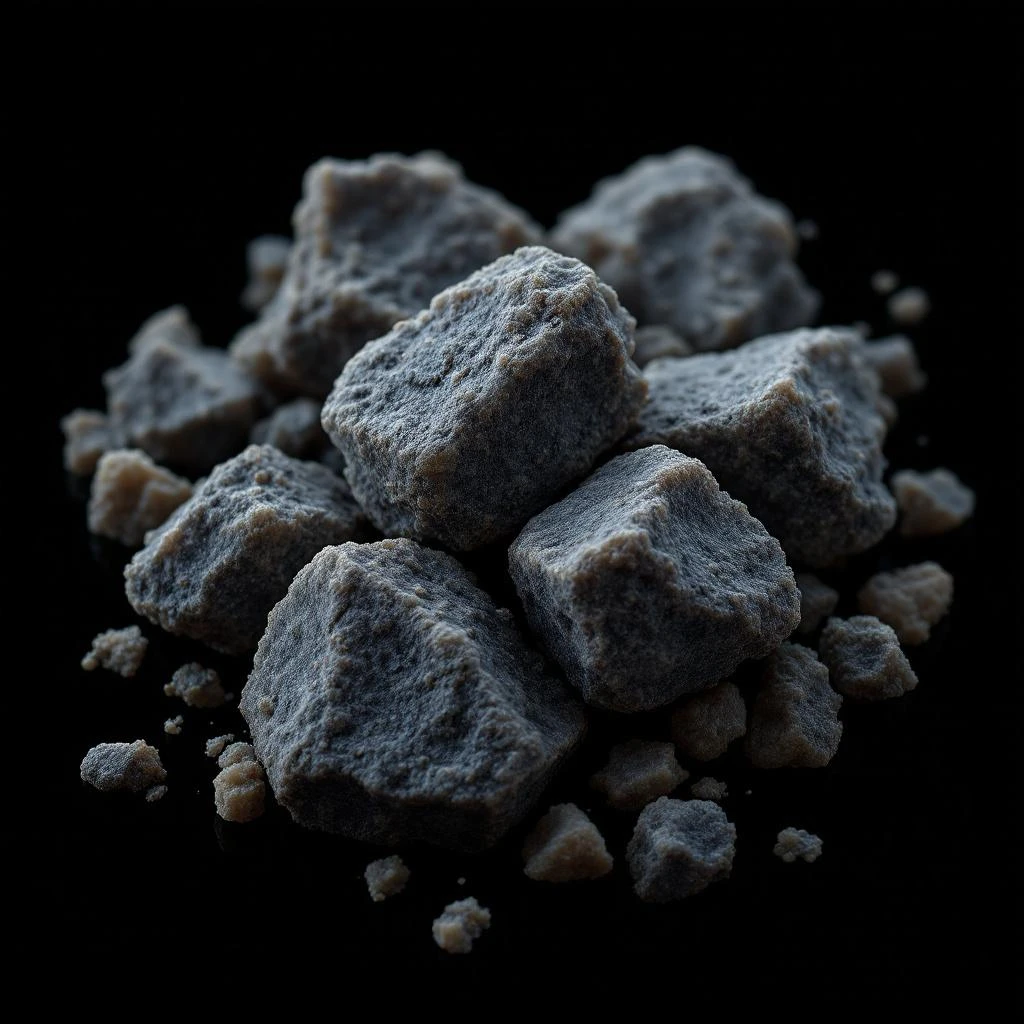
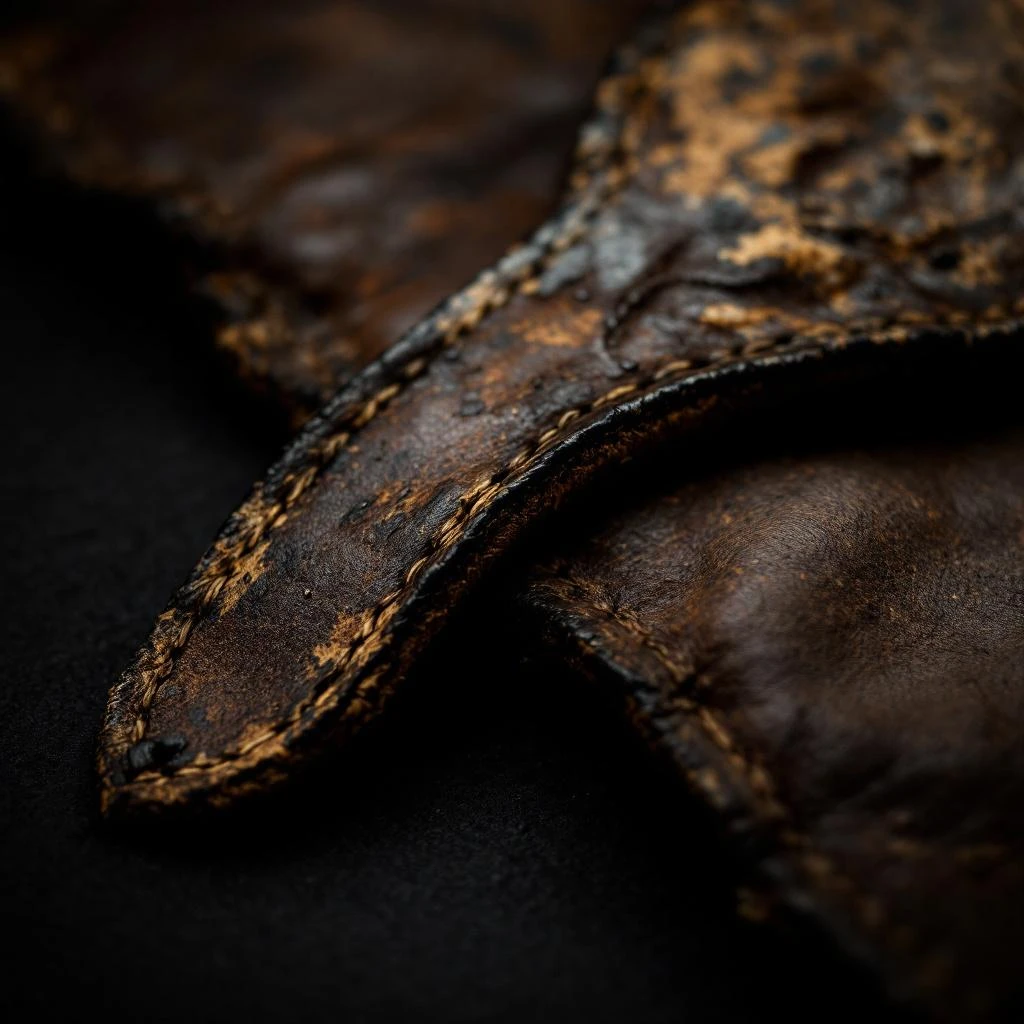
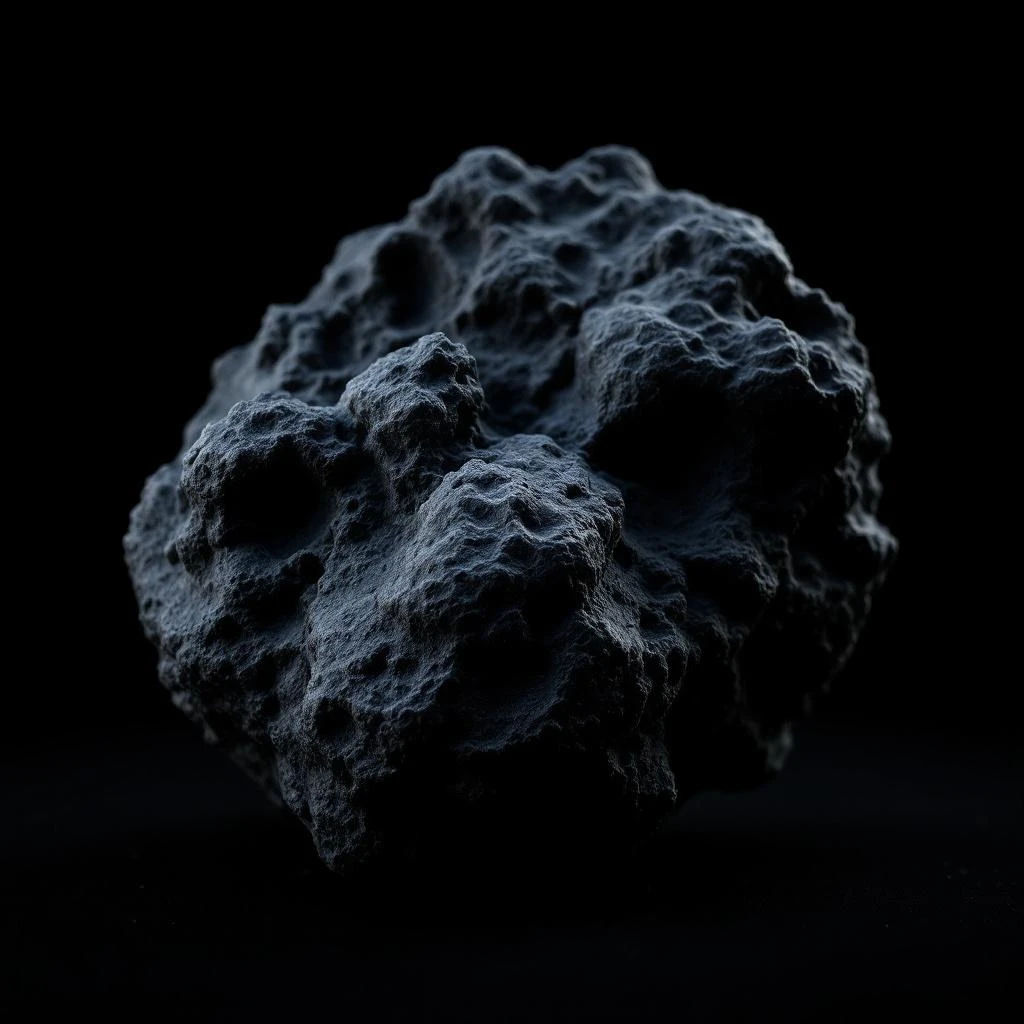
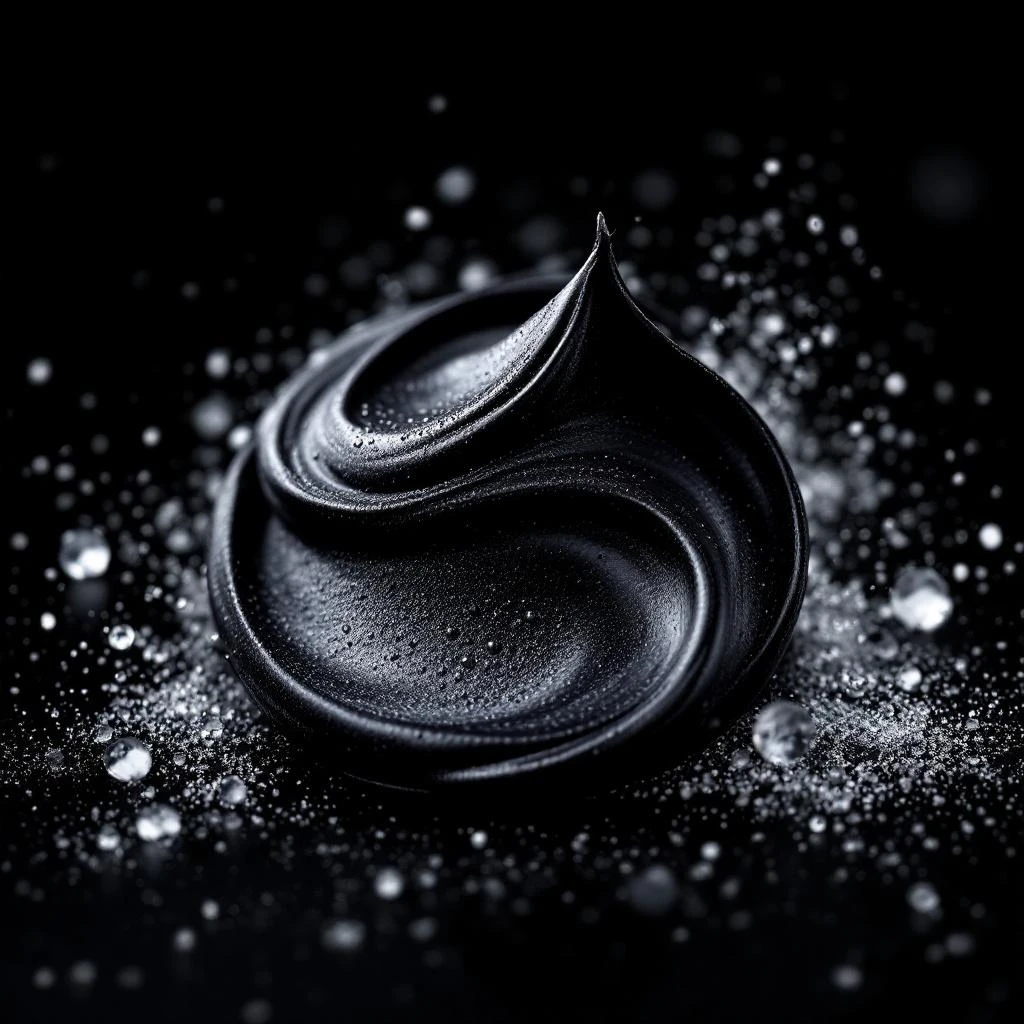
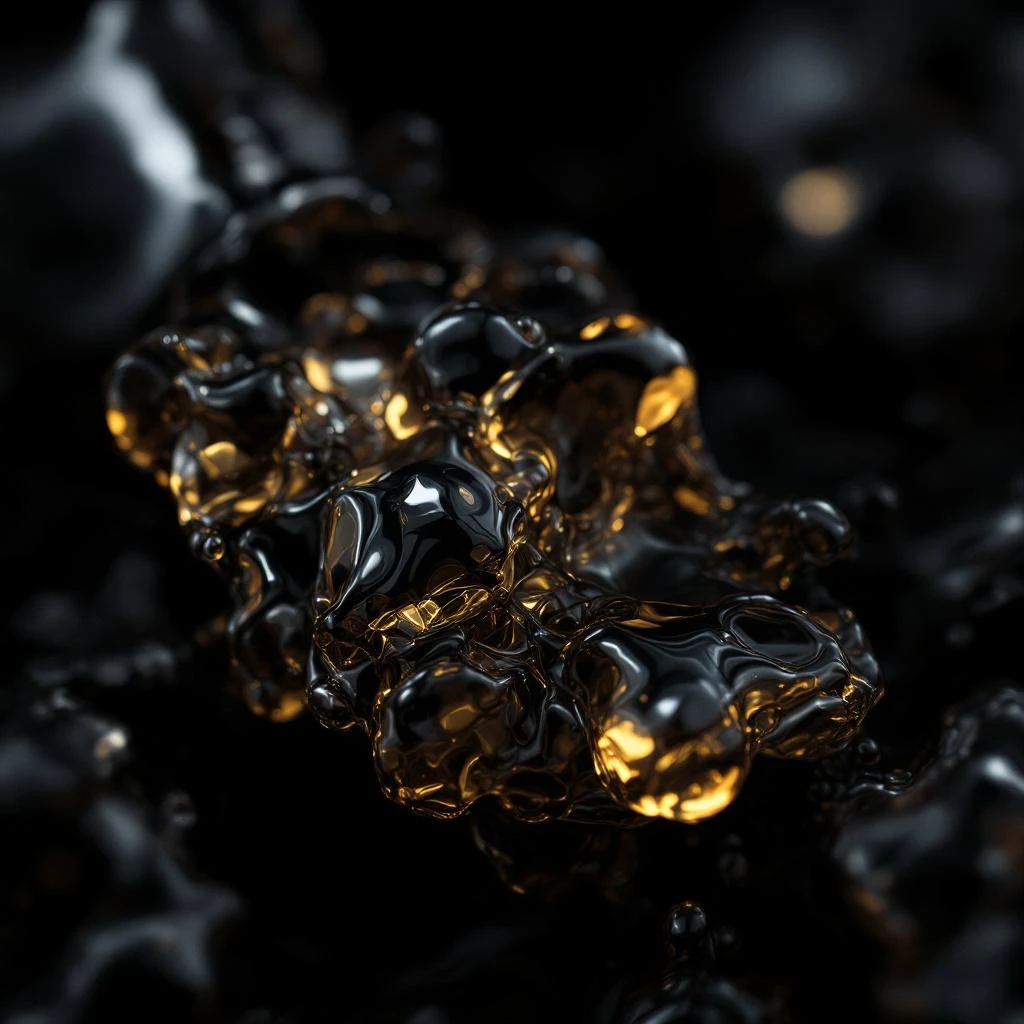
Hyraceum, often called Africa Stone, is fossilized excrement from the rock hyrax, harvested from South African cave deposits. This rare animalic delivers a leathery, smoky, almost civet-like warmth prized in niche perfumery.
Character
How it smells
Ancient cave stone with a feral heart.
Rock hyraxes are small rabbit-sized mammals whose closest living relatives are actually elephants and manatees, despite their rodent-like appearance.







Origin
South Africa
Hyraceum, sometimes called Africa Stone or Dassiepis, has roots stretching back centuries in southern Africa, long before it entered European perfumery. Indigenous communities recognized its aromatic properties and used it in traditional medicine and ritual practices.
The material entered Western fragrance traditions by the late 19th century, when it appeared in antique formulas as a fixative with animalic depth. Ancient Greek texts mention animalic aromatics from African expeditions, though attribution to hyraceum specifically remains debated.
The ingredient connects to a broader category of animal-derived perfumery materials, including civet, castoreum, and ambergris, substances prized since antiquity for their primal, sensual warmth. Today, hyraceum represents an ethical choice within the animalic palette: no animals are harmed, and old deposits are simply gathered from stone.
Wears it best
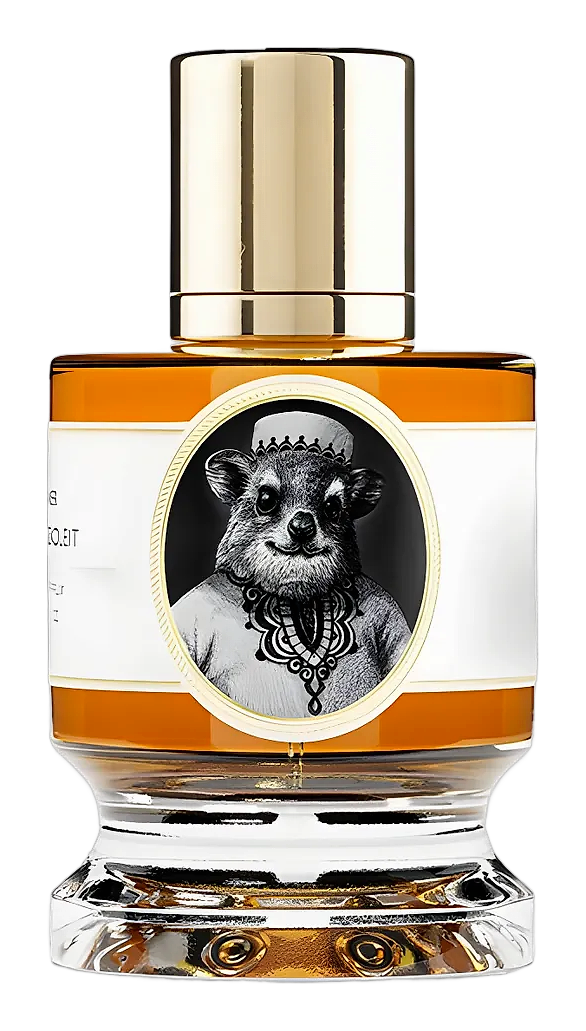
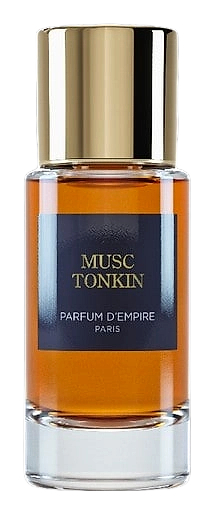
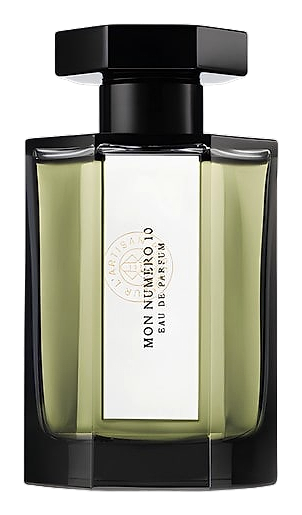
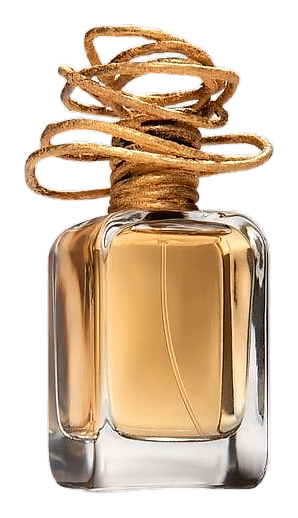
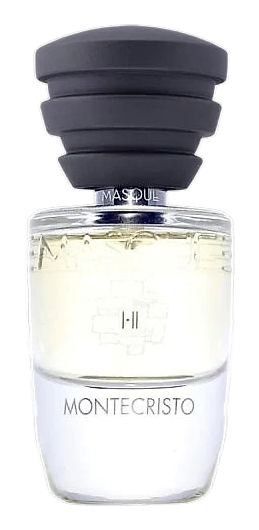
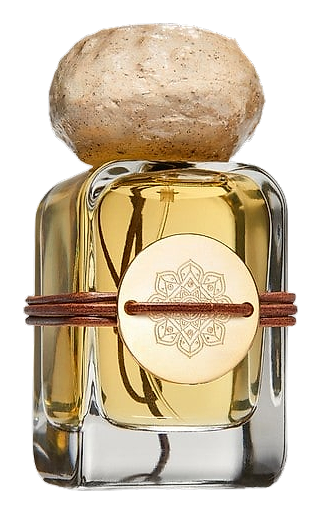
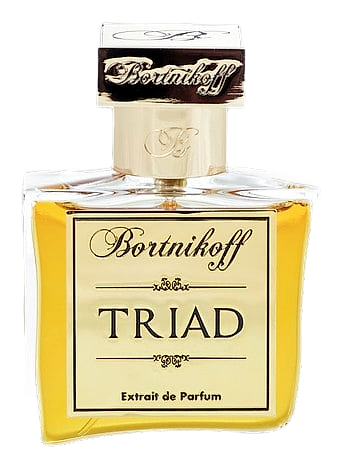
Fragrances featuring Hyraceum

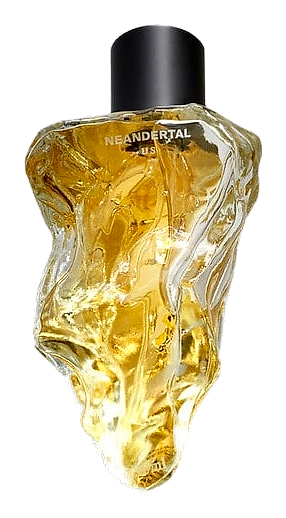
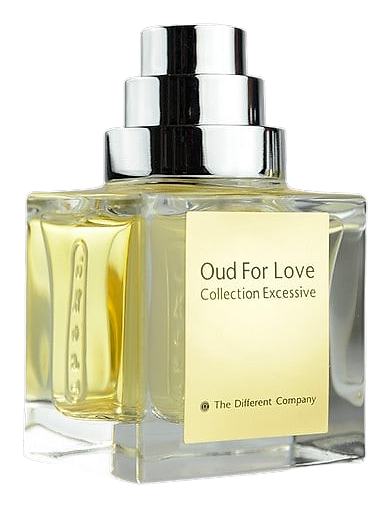
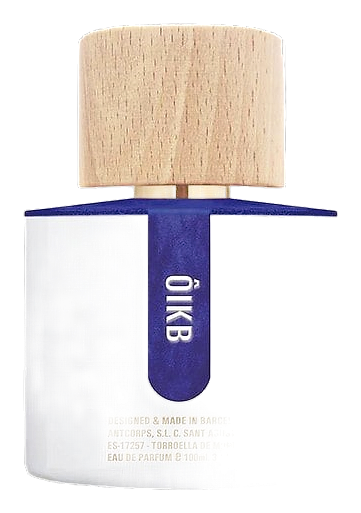
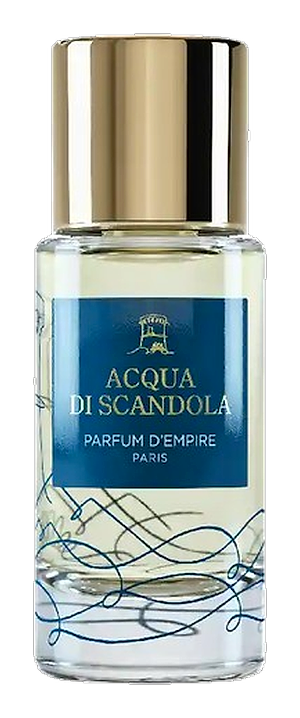
Brands
Brands known for Hyraceum
Good to know
Questions, answered
The essentials on Hyraceum in perfumery: how it smells, where it comes from, and how it behaves on skin.
What does hyraceum smell like?
Hyraceum offers a complex animalic profile: leathery, smoky, with fecal warmth and a dry, almost castoreum-like undertone. The scent reads as primal rather than dirty, lending depth to compositions without overpowering them.
Is hyraceum ethical to use in perfume?
Yes. Hyraceum is collected from ancient fossilized deposits in hyrax caves. No animals are harmed in its harvest, making it one of the more ethically sourced animalic materials available to modern perfumers.
How is hyraceum different from civet or castoreum?
Hyraceum shares the animalic warmth of civet and castoreum but leans drier and smokier. Civet offers a sweeter musk; castoreum brings a leathery, birch-tar quality. Hyraceum sits between them with a distinctly mineral edge.
Where does hyraceum come from?
Hyraceum originates primarily in South Africa and Namibia, where rock hyrax colonies inhabit mountainous terrain. Collectors harvest the petrified deposits from caves and rock crevices where generations of hyraxes have lived.
Why is hyraceum so expensive?
Genuine hyraceum commands high prices because collection requires navigating remote rocky terrain, and usable deposits take centuries to form. Labor-intensive cleaning and limited supply keep it among the rarer natural perfumery materials.
Can hyraceum be synthesized?
Some aroma chemicals replicate animalic warmth, but no synthetic fully captures hyraceum's specific mineral-smoky character. Natural hyraceum remains preferred in fine perfumery for its complexity and historical authenticity.
What perfumes contain hyraceum?
Hyraceum appears in select niche and artisanal fragrances, particularly those exploring animalic or leather themes. Independent perfumers value it for adding primal depth that synthetic alternatives struggle to match.
Is hyraceum safe to wear on skin?
Properly cleaned and processed hyraceum is considered safe for perfumery use. When diluted into a tincture or distillate at standard fragrance concentrations, it poses no skin safety concerns beyond typical essential oil sensitivities.