The Story
Why it exists.
The beginning
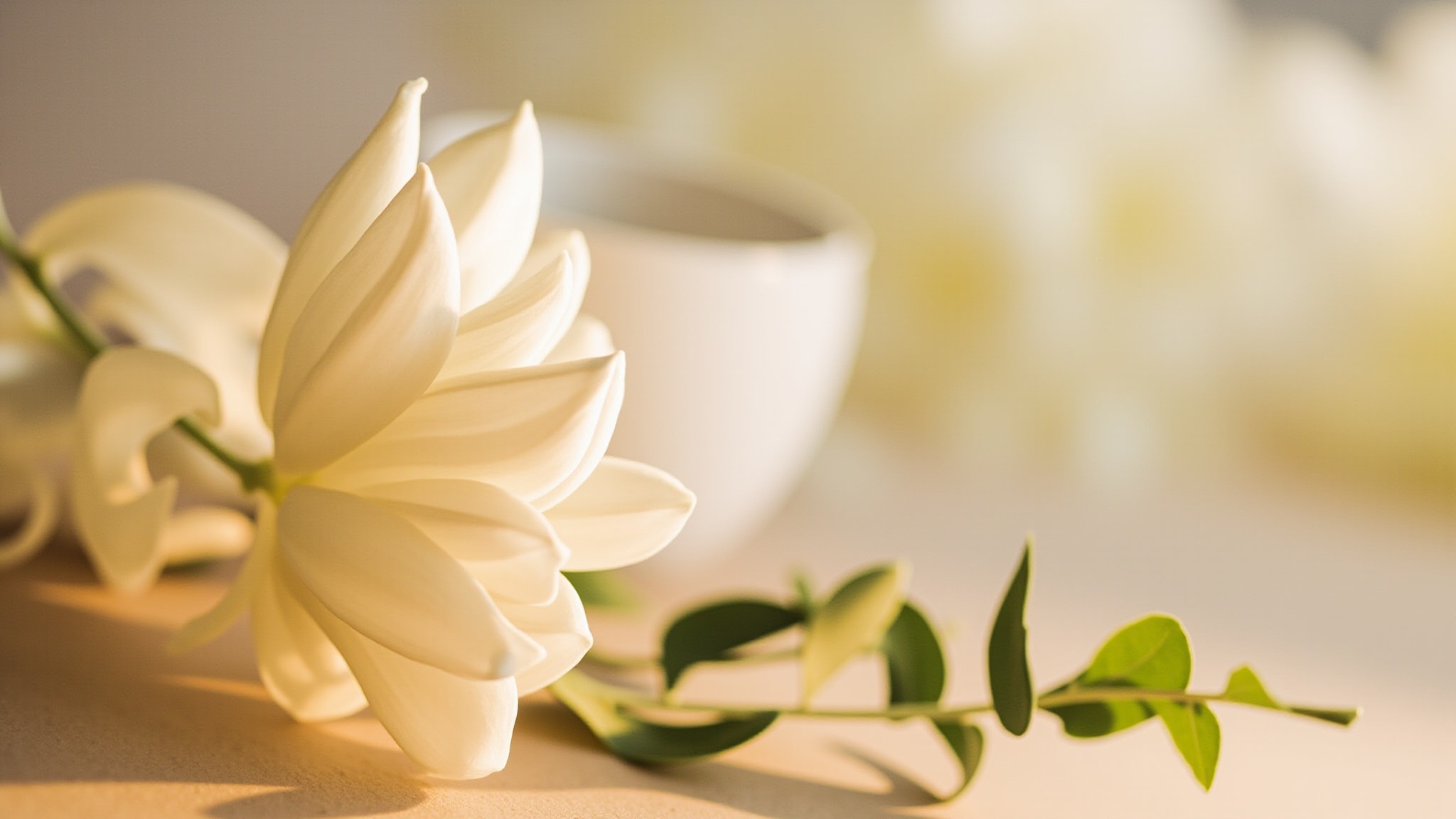
Editions de Parfums Frédéric Malle operates on a radical premise: the perfumer is an author, not a technician. No budget limits. No marketing constraints. The work is signed. Carnal Flower is what that philosophy produces when applied to a single flower. Malle challenged Dominique Ropion to capture the intoxicating effect of gardenia-like tuberose growing unchecked in California, where the climate turns what is often a restrained greenhouse note into something overwhelming. Ropion answered with a fragrance that takes eucalyptus as its initial statement, a choice that might seem incongruous until you understand the intent. The mentholated coolness acts as a counterpoint, a way to control the tuberose's natural intensity rather than let it run wild. The melon and bergamot in the opening serve as transitional elements, moving the wearer from crisp freshness into tropical density.
The note selection in Carnal Flower reveals a philosophy of controlled contrast. Eucalyptus was chosen specifically to manage the tuberose, not to overwhelm it. Without that mentholated opening, the heart would arrive too quickly, too aggressively, lacking the dramatic tension that makes the fragrance compelling. The coconut in the heart serves a similar purpose, providing warmth and softness that prevents the tuberose from becoming harsh or screechy. In the drydown, white musk and amber work together to create a skin-like warmth that grounds the entire composition, ensuring that the earlier intensity resolves into something intimate and personal.
The evolution
The evolution of Carnal Flower follows a clear narrative arc from clinical clarity to animal warmth. In the first fifteen minutes, eucalyptus dominates with its sharp, aromatic presence, almost medicinal in its precision. This cold opening is intentional, a deliberate contrast that makes the subsequent floral explosion more striking by comparison. As the eucalyptus softens, the melon becomes more apparent, adding a watery, honeydew-like quality that bridges the gap between the green opening and the tropical heart. The heart stage introduces coconut as the unexpected star, creating a sunscreen-like warmth that feels beachy rather than synthetic. Tuberose, jasmine, and ylang-ylang bloom in unison, producing a dense white floral cloud that can fill a room. Orange blossom adds a fleeting citrus-floral brightness that prevents the heart from becoming monotonous. By the time the drydown arrives three hours in, the composition has transformed entirely.
Cultural impact
Carnal Flower became a reference point the moment it landed. The question it posed, can a single flower (tube rose, in extreme concentration) sustain a full fragrance without becoming monotonous?, made it a touchstone in fragrance forums and reviews. Some wearers found the answer definitively yes, discovering the intensified tube rose to be the most captivating flower they'd encountered, lush and alive and unapologetic. Others couldn't get past the intensity on their own skin, finding it too much to wear comfortably. That debate has never fully resolved, which is partly why the fragrance still matters. It doesn't offer easy answers.