The Story
Why it exists.
The beginning
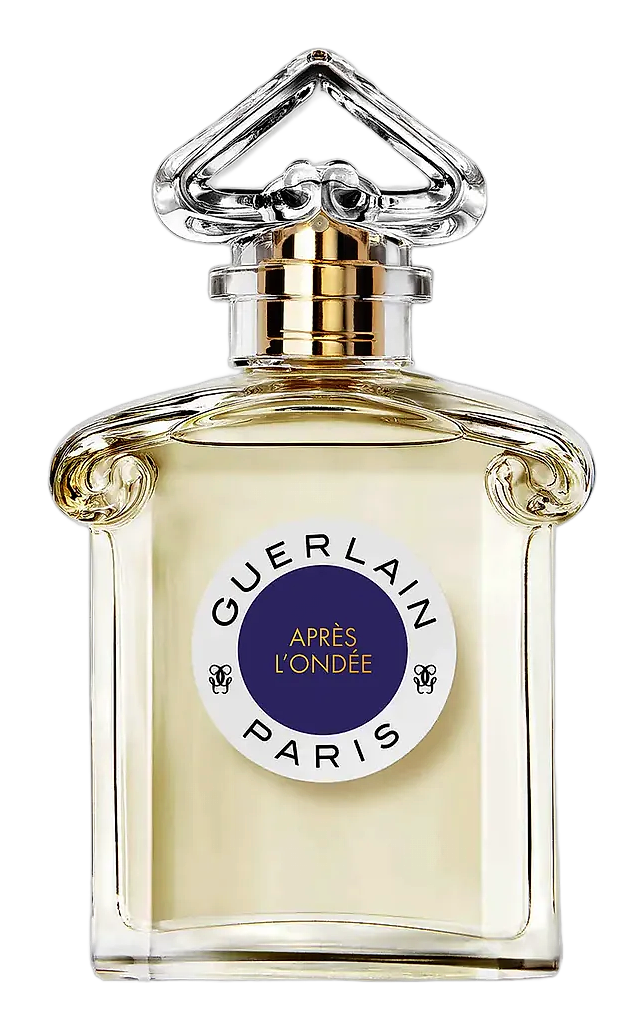
Jean-Claude Ellena made L'Eau d'Hiver in 2003 by going backward to go forward. He took Guerlain's Après L'ondée, that study in post-rain stillness, and stripped it to its bones. No romanticism. No nostalgia. Just the skeleton of an idea: what if winter water could smell comforting? The answer was a fragrance of radical restraint, built from heliotropine, orris, and white musk. Sparse. Deliberate. A composition that refuses to shout in a world that never learned to whisper.
The nose of this operation is heliotropine, a material that smells simultaneously of vanilla, almond, and something faintly citrus. Ellena paired it with orris root's earthy, violet-dust character and a whisper of honey to keep it warm rather than cold. Anisic aldehyde provides the crystalline finish, that last note of winter air before a door opens. The genius is in the proportions: enough heliotrope to feel powdery-soft, enough bergamot to feel clean, enough white musk to feel intimate. Nothing dominates. Everything listens.
The evolution
Citrus breaks first, bergamot and lemon cutting through like January light through glass. Green notes create an immediate sense of cold, crystalline air. Then heliotrope takes over. That powdery vanilla-almond warmth softens everything within minutes, as if snow has begun to melt and the air smells of something worn close. The heart belongs to iris, earthy, violet-dusted, quiet. Honey threads warmth through the powder without making it sweet. As it settles, white musk and benzoin create something intimate and close, a skin-scent that lingers while sillage stays close to the body. The surprise: hay and angelica root outlast everything else. The drydown smells like an open window in a cold room. That paradox, intimate warmth in winter air, is the whole point.
Cultural impact
L'Eau d'Hiver is a polarizing quiet. Wearers either find it transcendently subtle or insufficiently present, and that division is the point. This is fragrance as personal atmosphere, something intimate, present only to those standing close. It sits apart from the smoothed-out consensus that defined mainstream perfumery of a certain era, a quiet statement in a house built on the same principle.
The House
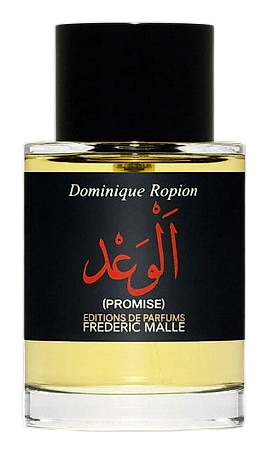
Frederic MalleEditions de Parfums Frédéric Malle is a Paris-based fragrance house founded in 2000 by the man the industry calls the 'editeur de parfums.' Malle reversed the industry's hierarchy entirely. Instead of marketing departments steering perfumers toward safe, focus-grouped formulas, he gave the world's greatest nose talents total creative freedom: no budgets, no deadlines, no constraints. In return, he asked only that they sign their work. The results are radical, emotionally complex perfumes that refuse to be safe. The house operates like a literary press, except the medium is scent.
The Creator
Jean-Claude EllenaCritics compare Ellena's work to watercolor sketches and chamber music, precise and economical where others are bold and orchestral. He avoids repetition and heavy concentration, instead building compositions that breathe.