Jean-Claude Ellena
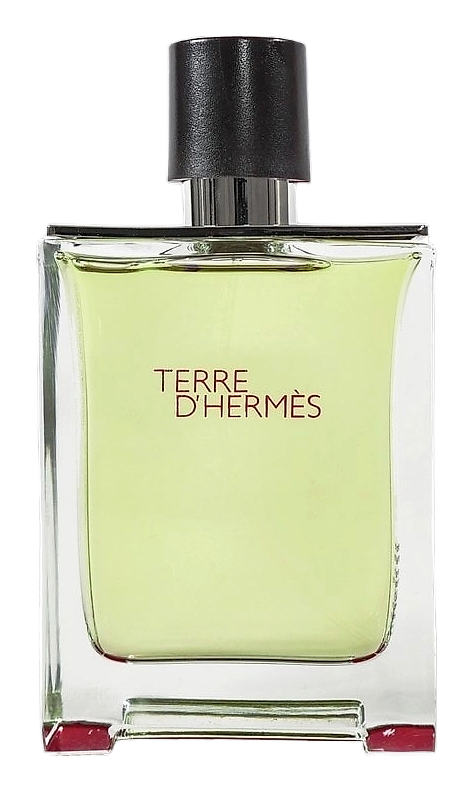
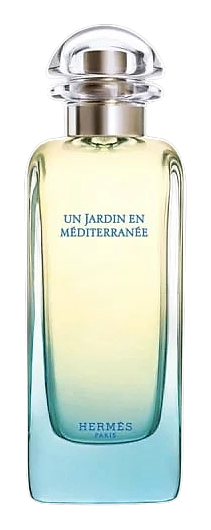
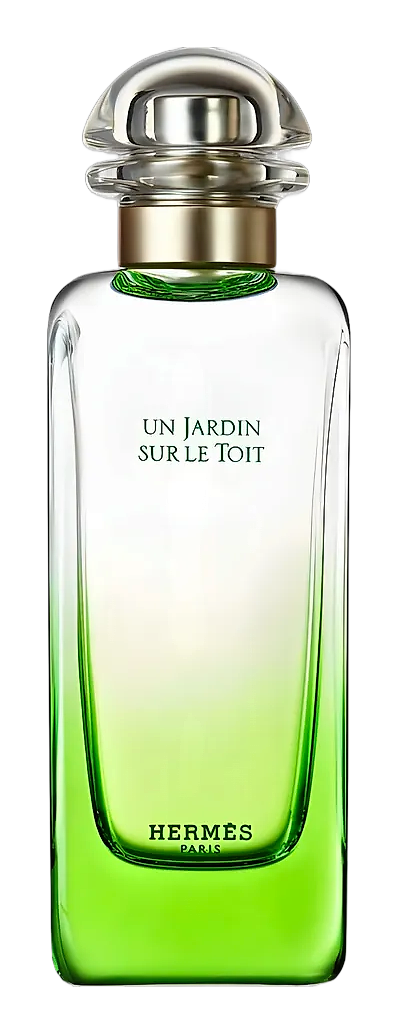
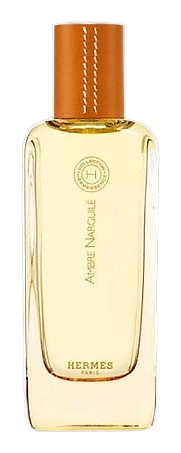
Jean-Claude Ellena grew up in Grasse surrounded by the trade his family knew best. As a boy, he picked jasmine alongside his grandmother, selling the harvests to local perfumers. At 16, he apprenticed at Antoine Chiris, working night shifts among vats of oakmoss, and recalled falling asleep on bags of the stuff. In 1968, he became the first student at Givaudan's newly formed perfumery school in Geneva, a rapid ascent that took him to chief perfumer positions at Lautier and Givaudan Paris. He co-founded the Osmothèque in Versailles in 1990, an international archive preserving significant scents. His career spans collaborations with Cartier, Bulgari, Frédéric Malle, and Van Cleef & Arpels, before serving as Hermès' exclusive nose from 2004 to 2016. He later founded The Different Company and, in 2019, joined Le Couvent as Director of Olfactory Creation. Chandler Burr chronicled Ellena's creation of Un Jardin sur le Nil in The Perfect Scent, and Ellena himself has authored Perfume: The Alchemy of Scent and The Diary of a Nose.
The hits
Notable creations


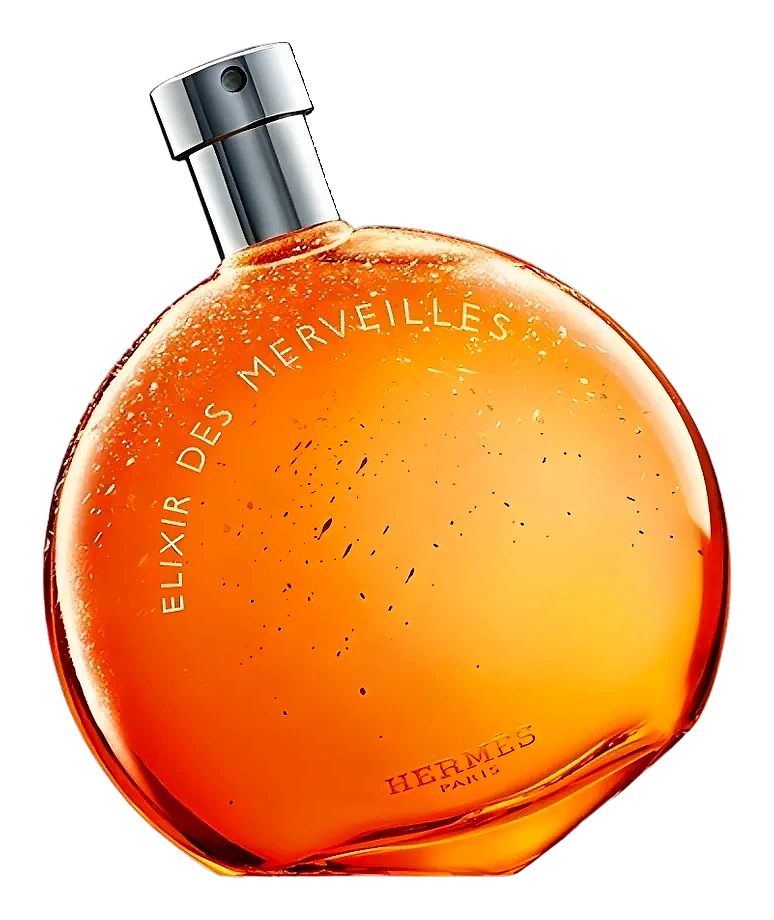

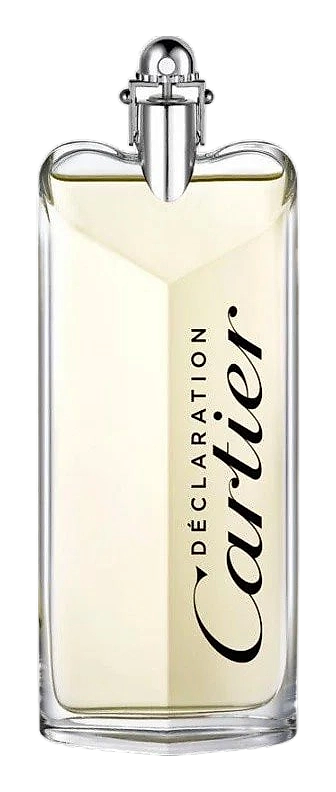


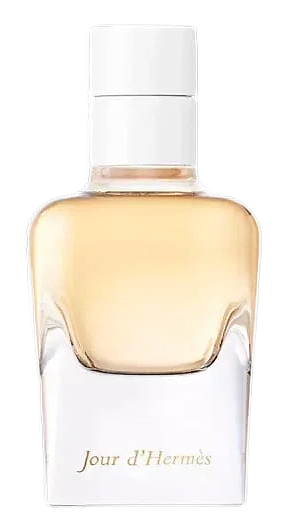
The signature
How Jean-Claude composes
Critics compare Ellena's work to watercolor sketches and chamber music, precise and economical where others are bold and orchestral. He avoids repetition and heavy concentration, instead building compositions that breathe. His technique emphasizes restraint and clarity, trusting individual materials to speak for themselves. Natural materials often anchor his work, though he deploys them with a lightness that can seem almost translucent. The result is fragrance as quiet confidence rather than declaration.
Philosophy
What drives Jean-Claude
Ellena believes perfume should whisper, not shout. He describes his ideal scent as a soft caress, nothing that shocks or demands attention. His philosophy draws heavily from Edmond Roudnitska, whose article Advice to a Young Perfumer shaped his entire approach. He favors short, unconcentrated formulas that prioritize subtlety and expressivity over force. Each composition orbits a single ingredient, revealing its character from unexpected angles rather than layering complexity for its own sake.