
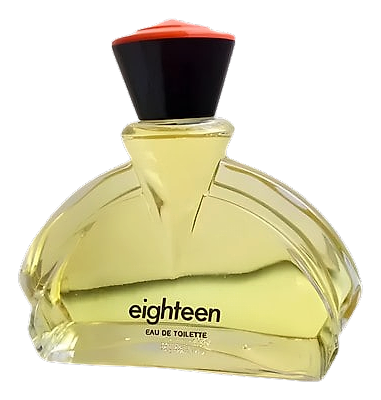
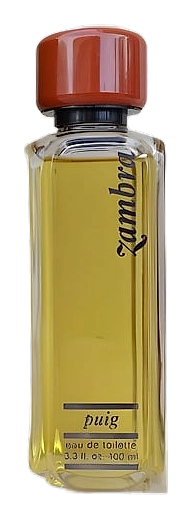
    Brand Profile

    Antonio Puig stands as one of Spain's most enduring fragrance houses, founded in Barcelona in 1914 by entrepreneur Antonio Puig Castelló. Wh…More

    Spain·Est. 1914·Site

    4.0

    Rating

    Just Landed

    New Arrivals

    The latest additions to the Antonio Puig collection.

    47
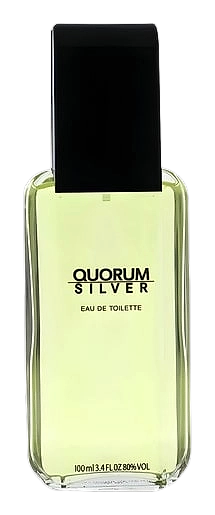
    Quorum by Antonio Puig – Eau de Toilette
    4.0

    Quorum

    Eau de Toilette

    Zambra by Antonio Puig
    Best Seller
    5.0

    Zambra

    Barbie Blue by Antonio Puig
    Best Seller
    4.7

    Barbie Blue

    Verte by Antonio Puig
    Best Seller
    4.5

    Verte

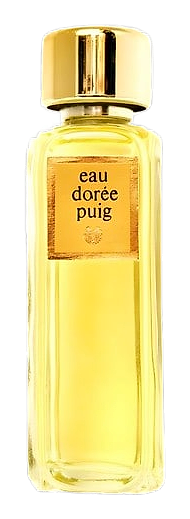
    Eau Dorée by Antonio Puig
    4.5

    Eau Dorée

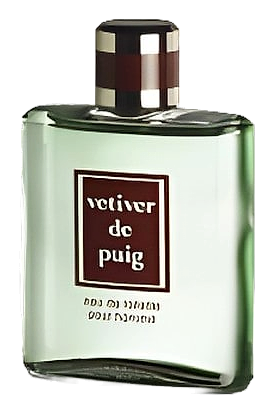
    Vetiver de Puig by Antonio Puig
    4.5

    Vetiver de Puig

    Agua Noble by Antonio Puig
    New
    4.4

    Agua Noble

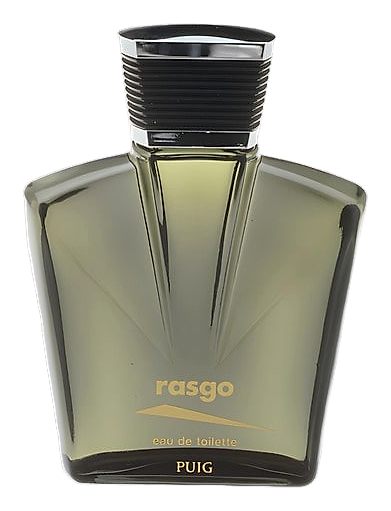
    Rasgo by Antonio Puig
    4.4

    Rasgo

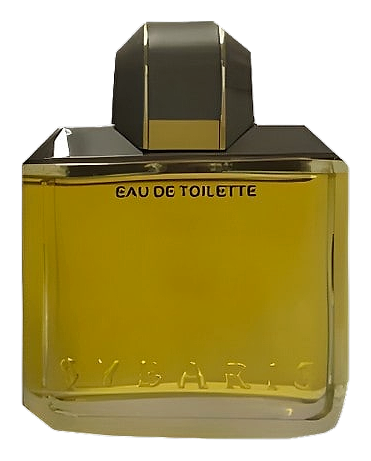
    Sybaris by Antonio Puig
    4.4

    Sybaris

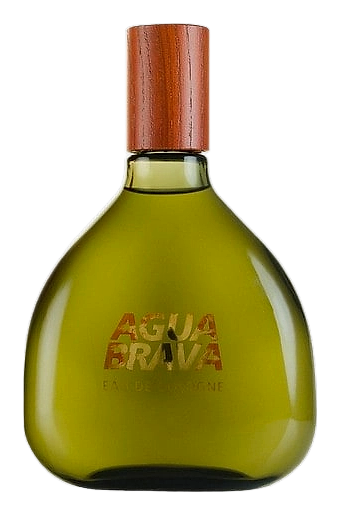
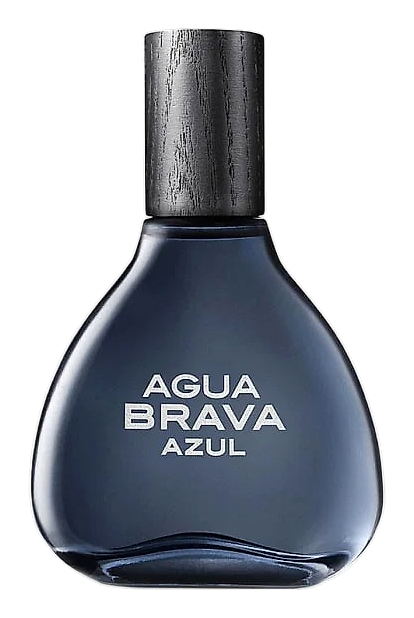
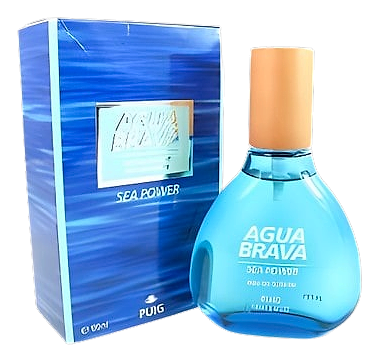
    Brave Agua Brava by Antonio Puig
    4.3

    Brave Agua Brava

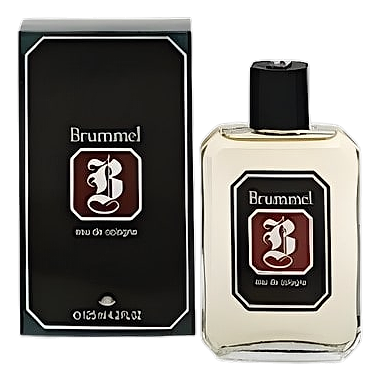
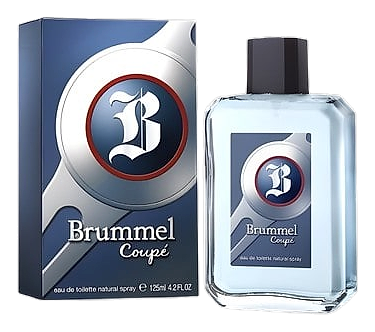
    Brummel Coupe by Antonio Puig
    4.3

    Brummel Coupe

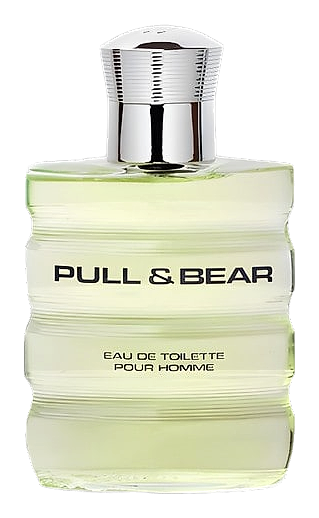
    Pull & Bear by Antonio Puig
    4.3

    Pull & Bear

    1 of 4

    The Heritage

    The Story of Antonio Puig

    Antonio Puig stands as one of Spain's most enduring fragrance houses, founded in Barcelona in 1914 by entrepreneur Antonio Puig Castelló. What began as a small importing business handling French perfumes has evolved into a global fragrance, fashion, and beauty enterprise spanning over a century of operation. The company remains entirely family-owned, a rarity among multinational beauty groups. Antonio Puig has built an international portfolio that includes fragrance licenses for major fashion houses, yet the brand's own fragrance heritage runs deep with creations like Zambra from 1967, Sybaris from 1988, and the enduring Agua Lavanda line launched in 1940. The house occupies a distinctive position in Spanish fragrance culture, having introduced some of the country's earliest cosmetic products while maintaining its independent character across generations of family stewardship.

    Heritage

    Antonio Puig Castelló established his eponymous company in Barcelona in 1914, initially operating as a distributor of foreign fragrances and cosmetics. The young entrepreneur imported prestigious French brands including D'Orsay and Ricci, building expertise in fragrance evaluation and distribution during Spain's early 20th-century beauty market development. Spain's neutral status during World War I positioned the company advantageously as competing European markets faced disruption, allowing Antonio Puig to establish strong supplier relationships during a critical growth period. The company marked its first major milestone in 1922 with the launch of Milady Lipstick, the first lipstick manufactured in Spain, demonstrating ambitions beyond pure distribution into domestic production. By 1940, the house introduced Agua Lavanda PUIG, a lavender water that would become a cornerstone of its fragrance portfolio and a reference point in Spanish toiletry traditions. The post-war decades brought continued expansion, and in 1976 Antonio Puig constructed a dedicated perfume factory in Chartres, France, establishing direct manufacturing capabilities outside Spain. The company's fashion interests expanded when it acquired the Paco Rabanne fashion house from the designer in the late 1980s, adding couture credentials to its beauty operations. Throughout these transformations, the Puig family retained full ownership, preserving independent decision-making that distinguishes the company from publicly traded competitors. The third generation of the family reportedly continues involvement in company leadership, maintaining the founder's entrepreneurial spirit across more than eleven decades of continuous operation.

    Craftsmanship

    The company's manufacturing evolution reflects increasing sophistication in fragrance production capabilities. The 1976 establishment of a dedicated perfume factory in Chartres, France marked a pivotal investment in production quality, placing manufacturing in proximity to French raw material suppliers and expertise. This facility gave Antonio Puig direct control over composition and quality rather than relying entirely on external manufacturers. The Chartres location provides access to the French fragrance industry's infrastructure, including ingredient suppliers and specialized labor pools. Quality processes reportedly emphasize consistency across production batches, essential for consumer trust in mass-market fragrance lines. The company's historical role as an importer built familiarity with French production standards, influencing expectations when developing internal manufacturing capabilities. Ingredient sourcing draws from both Mediterranean and international suppliers, reflecting the house's bilingual approach to fragrance composition.

    Design Language

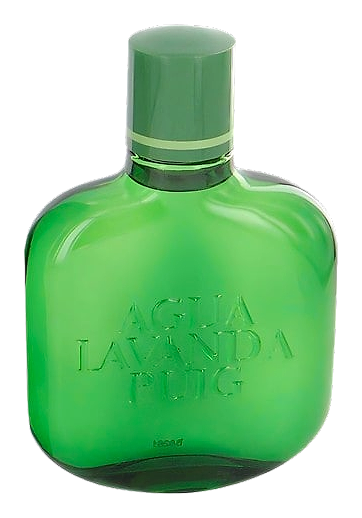
    Antonio Puig maintains a refined yet accessible visual identity across its fragrance portfolio. Bottle designs typically favor clean, geometric forms with subtle Spanish influence, avoiding both minimalist austerity and baroque excess. The Agua Lavanda line carries an almost pharmaceutical elegance, reflecting its heritage as a toiletry rather than purely cosmetic fragrance. Packaging emphasizes legibility and functional beauty over decorative excess, projecting reliability rather than aspirational fantasy. The house's fashion licensing partnerships have influenced some fragrance aesthetics, particularly in the Paco Rabanne关联 lines where futuristic materials and metallic finishes appear. Overall visual presentation balances Spanish warmth with international sophistication, appropriate for a company with both domestic roots and global distribution. Color palettes tend toward Mediterranean blues and warm neutrals, with occasional vibrant accents reflecting Iberian color sensibilities.

    Philosophy

    The Antonio Puig approach to fragrance reflects its Iberian roots, balancing Mediterranean warmth with an international sensibility shaped by decades of cross-cultural trade. The company philosophy centers on accessibility without compromise, seeking to bring quality fragrance experiences to broad audiences rather than limiting appeal to elite consumers. This democratic orientation traces to the founding generation's work distributing French perfumes across Spain, democratizing luxury fragrance access before the term became fashionable. The house demonstrates particular commitment to Spanish fragrance traditions, maintaining Lavender-based products and regional favorites that connect contemporary offerings to historical identity. Family ownership influences corporate patience, allowing long-term brand building over short-term profit extraction. The company's licensing partnerships with major fashion houses reflect strategic thinking about brand extension, but the Antonio Puig name itself remains anchored in its original fragrance competencies. Rather than pursuing novelty for its own sake, the house appears to value formulas that earn lasting consumer loyalty, evidenced by the continued production of fragrances launched decades ago. The Spanish origin shapes creative decisions, with Mediterranean ingredients and Iberian cultural references appearing throughout the portfolio.

    Key Milestones

    1914

    Antonio Puig Castelló founded Antonio Puig S.A. in Barcelona as a fragrance and cosmetics importing business

    1922

    Launch of Milady Lipstick, the first lipstick manufactured in Spain

    1940

    Introduction of Agua Lavanda PUIG, a lavender water that became a house cornerstone

    1976

    Construction of a dedicated perfume factory in Chartres, France

    1980s

    Acquisition of the Paco Rabanne fashion house from the designer

    At a Glance

    Brand profile snapshot

    Origin

    Spain

    Founded

    1914

    Heritage

    112

    Years active

    Collection

    1

    Fragrances released

    Avg Rating

    4.0

    Community sentiment

    Release Rhythm

    2025
    3
    2017
    2
    2012
    1
    2006
    1
    2005
    1
    2004
    3
    2001
    6
    2000
    1
    puig.com

    Did You Know?

    Interesting Facts

    Distinctive details and defining moments that shape the house personality.

    01

    The company has remained entirely family-owned since its 1914 founding, spanning over 110 years and at least three generations of the Puig family.

    02

    Milady Lipstick in 1922 represented Spain's first domestically manufactured lipstick, establishing the company's manufacturing ambitions beyond distribution.

    03

    Spain's neutral status during World War I reportedly gave Antonio Puig advantages over competitors dependent on disrupted Central European markets.

    04

    The late-1980s acquisition of Paco Rabanne added couture fashion credentials to the company's portfolio, expanding influence beyond beauty into high fashion.

    05

    Antonio Puig built the company initially by importing French fragrances including D'Orsay and Ricci before developing domestic production capabilities.

    The Artisans

    The Perfumers