The Story
Why it exists.
The beginning
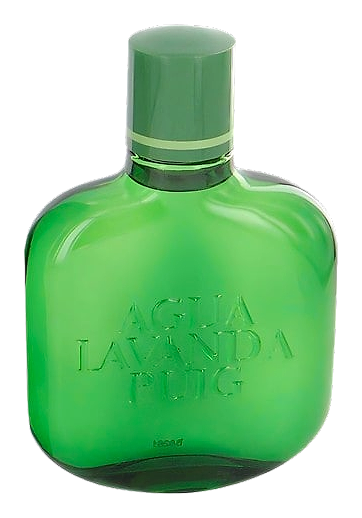
Agua Lavanda arrived in 1940 from Antonio Puig, the Barcelona house that spent the previous two decades learning how French perfumes worked by distributing them across Spain. The name says it all, agua, water. Not extrait, not concentrate. A lavender water that did what it claimed: cleaned, cooled, aromatized. The formula came by way of adapting Segal's structure, then infusing it with the essence of lavender as the Spanish market understood it, functional, herbal, nothing precious about it. Puig had built Milady Lipstick in 1922, the first made in Spain. Agua Lavanda followed eighteen years later as the house's answer to what a Spanish lavender cologne could be.
What makes Agua Lavanda structurally interesting is the spike lavender in the top. Not ordinary lavender, spike lavender carries a more camphorated, almost medicinal sharpness that separates it from the soft, floral lavandins used in most modern fragrances. Combined with rosemary and petitgrain, the opening reads like a pharmacy in the best possible way. The heart of clary sage and geranium keeps everything green and leafy rather than floral. No rose, no jasmine. The base of moss, cedarwood, and musk anchors it to skin without sweetness. The tonka bean is there, but barely, a whisper of warmth, not the main event.
The evolution
The opening hits first, spike lavender and rosemary, sharp and immediate, like crushed herbs between fingers. Bergamot arrives within minutes, softening the edges just enough. Then the hand-off: clary sage and geranium take over around the twenty-minute mark, shifting the register from sharp to green and leafy. The scent moves closer to skin. By the second hour, the cedarwood and musk step forward, still cool, still herbal, but warmer. The moss keeps everything grounded. Three to four hours total on most skin types. It doesn't project after that. It simply stays close, like a memory of having showered.
Cultural impact
Agua Lavanda occupies a strange position: old enough to be a classic, quiet enough to avoid becoming a cult. It doesn't get discussed in niche fragrance circles because it was never priced to signal exclusivity. It was priced to sell at the pharmacy. That accessibility is exactly why it endures, generations of Spanish families have used it the way others use bar soap. The fragrance asks nothing of its wearer except that they smell clean.