
The Story
Why it exists.
The beginning
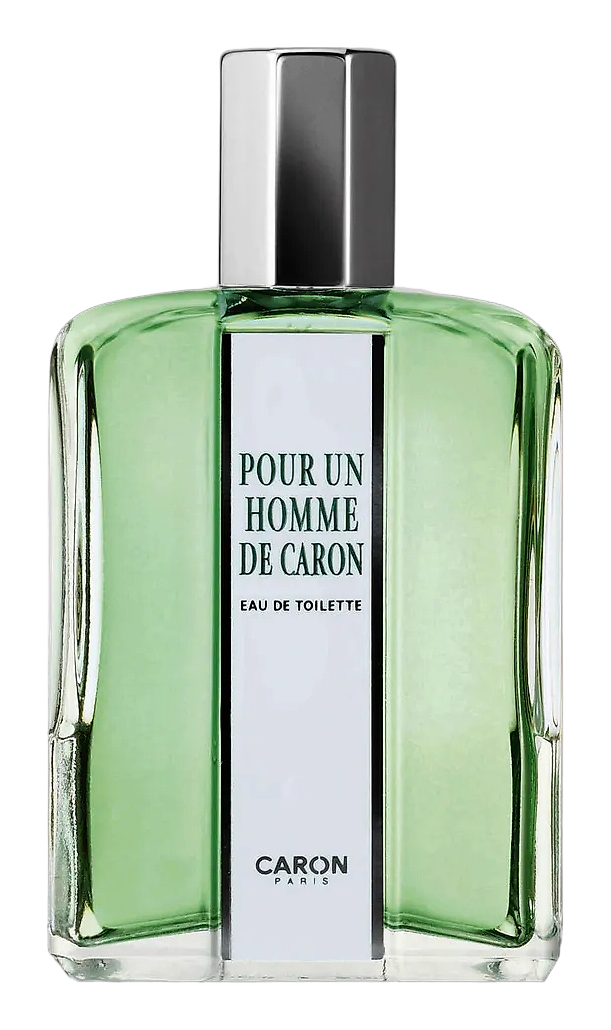
Ernest Daltroff created Pour Un Homme de Caron in 1934 as a statement, carved from a material everyone knew but no one had elevated. Lavender was a familiar presence, one that most formulas left at surface level. Daltroff had other ideas. He approached lavender like a composer approaching a chord everyone had heard played clumsily: find the inversion that makes it ring. The fragrance opens with lavender that feels both fresh and slightly herbaceous, an aromatic quality that suggests green stems and subtle camphor. As it settles, the composition reveals unexpected depth, a sweetness that doesn't announce itself immediately but emerges gradually, softening the sharp edges.
Daltroff's genius, or recklessness, was in contradicting his own formula with himself. Lavender is sharp, bright, and astringent. The base he built around it is sweet, warm, and intimate. Most masculine fragrances of the era resolved tension by leaning one direction: sharp, resinous, smoky. Daltroff forced both. The result has a friction that keeps you leaning in. The opening registers as bright lavender with an herbaceous undertone, the aromatic quality suggesting the green top notes of the plant itself.
The evolution
The opening arrives fast. Bergamot brightens first, then rosemary and lemon arrive to scrub the air clean. The lavender asserts itself within seconds, that familiar barbershop sharpness, but controlled. The top notes sit dominant for the first thirty minutes, riding the skin's surface without demanding attention. At the thirty-minute mark the heart begins arriving. Clary sage and heliotrope show first, softening the edges. Rosewood and geranium add a quiet woodiness beneath. The floral notes aren't obvious, they're structural, adding depth without announcement. The base isn't waiting until the top resolves; it's building underneath, arriving early and slowly eating into the opening's brightness. By the second hour, vanilla takes control and everything flattens into powder. This is where the fragrance earns its reputation, a drydown so classically warm you'd think you were wearing something from three decades earlier. Musk and tonka bean carry it past hour four into quiet duration.
Cultural impact
Pour Un Homme de Caron arrived with a different vocabulary for masculine scent. It began with lavender, an herb more commonly associated with barbershops, and transformed it into something dignified and warm. The composition pairs lavender with vanilla and musk in a balance that suggests the herb's natural sweetness rather than imposing sweetness from outside. The lavender reads as both fresh and slightly green, with an aromatic quality that hints at the plant's stems and leaves alongside its flowers.