Coriander
Coriander brings paradoxical freshness to perfumery. Its seed oil offers warm, citrusy spice while its herb counterpart delivers green, almost soaplike clarity. A cornerstone of masculine and chypre compositions for decades.
Character
How it smells
Ancient citrus spice with modern versatility
While the leaves divide opinion globally as cilantro, the seeds transform into one of perfumery's most versatile aromatic materials, prized for nearly 5,000 years.









Origin
India
Coriander has been part of human aromatic tradition for nearly 5,000 years. Archaeological evidence confirms ancient Egyptians used it extensively in burial rituals and medicinal preparations, with hieroglyphic records documenting its use across multiple applications.
Roman civilization adopted the herb for both culinary and aromatic purposes, while physicians in ancient Greece recorded its therapeutic properties. Throughout the Mediterranean world, coriander served multiple functions: as a culinary seasoning, a food preservation agent, and a component of sacred incense blends burned in temples.
By the late nineteenth century, as modern perfumery emerged alongside synthetic aroma compounds, coriander seed oil became established as a foundational ingredient in masculine fragrances and chypre compositions, prized for its ability to bridge warm and cool aromatic elements. This dual character makes it particularly valuable in creating complex, multi-dimensional scent profiles.
Wears it best
Fragrances featuring Coriander
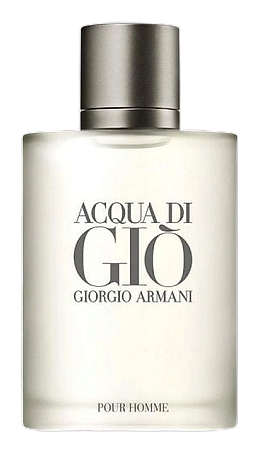
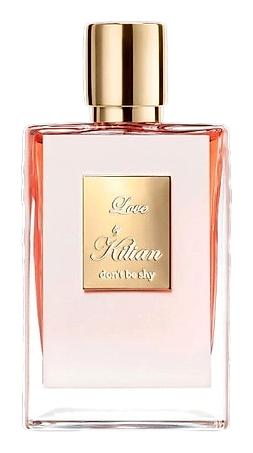
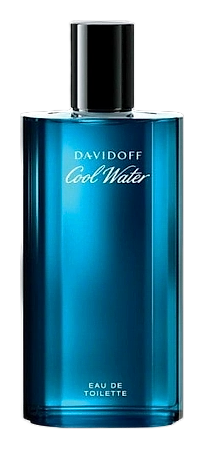
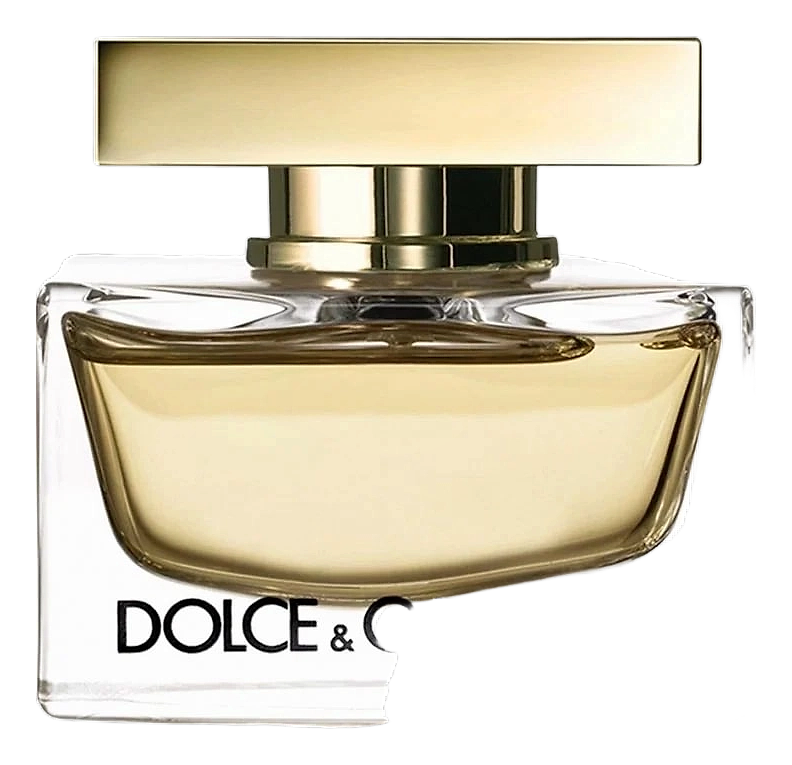
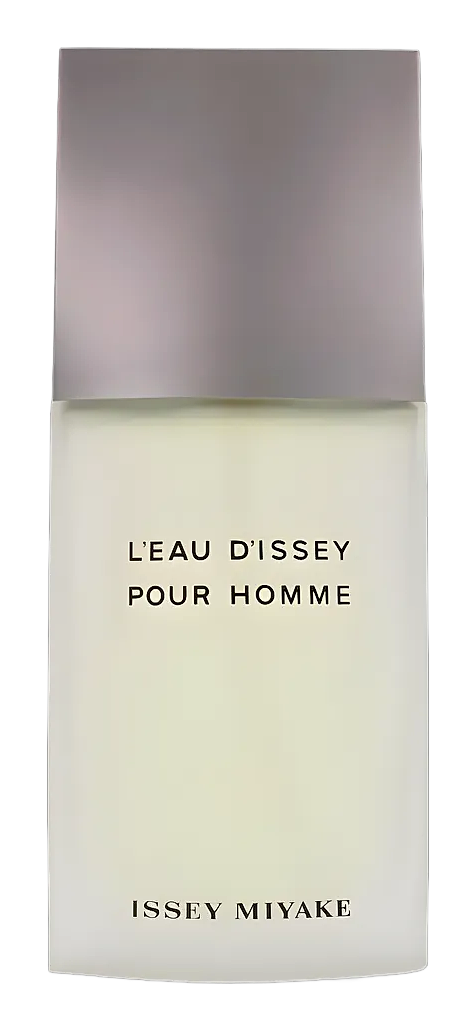
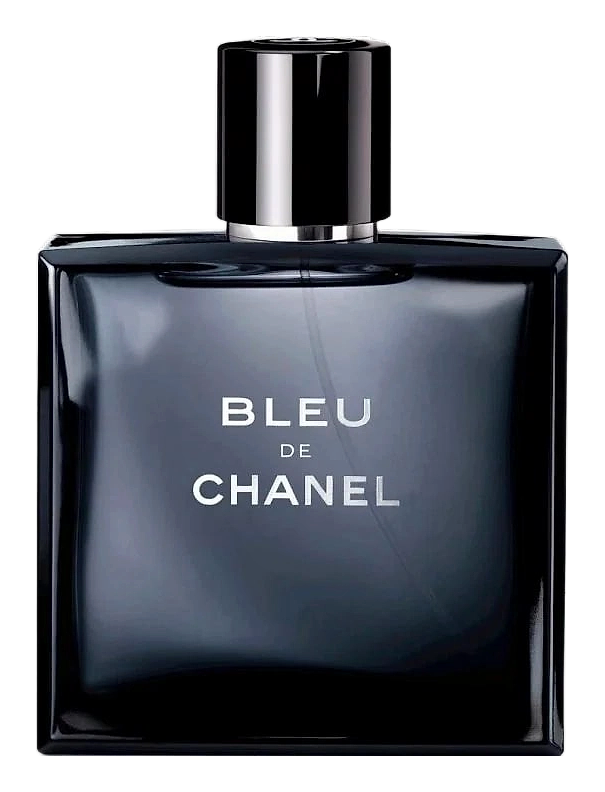

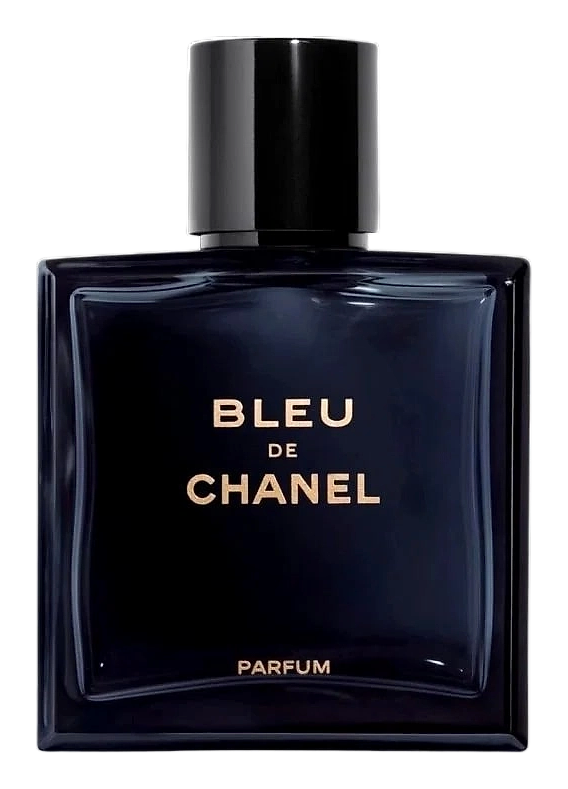


Brands
Brands known for Coriander
Good to know
Questions, answered
The essentials on Coriander in perfumery: how it smells, where it comes from, and how it behaves on skin.
What does coriander smell like in perfumery?
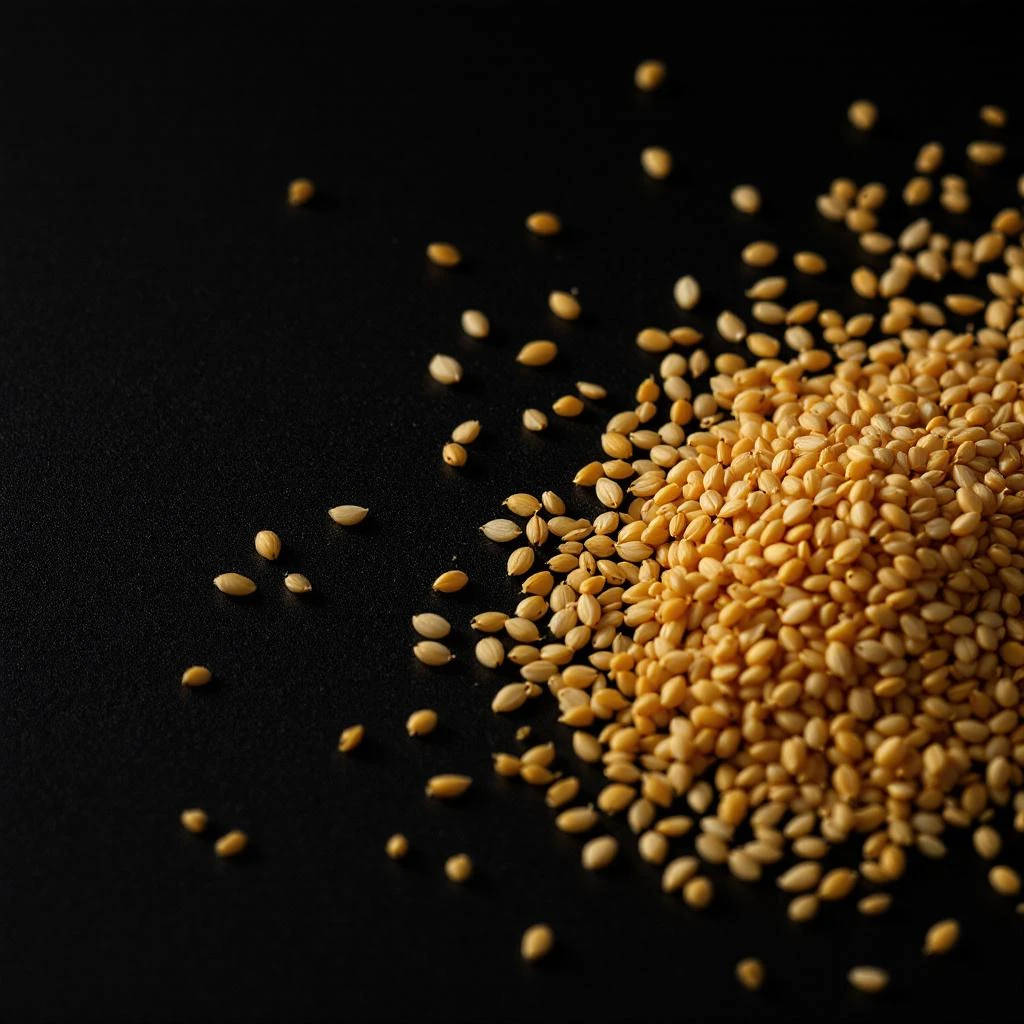
Coriander seed oil smells warm and spicy with bright citrus notes and woody undertones. The fresh herb has a greener, more pungent character often described as soapy or aldehydic. Both versions appear in perfumery, typically lending freshness and spice to masculine and chypre compositions.
What is coriander used for in fragrance creation?
Coriander functions as a versatile bridging ingredient that connects citrus freshness with warm, woody depth. Perfumers use it to add aromatic complexity to masculine colognes, chypre structures, and aromatic fougeres. It performs well as both a top note and a heart note material depending on the formula.
What is the primary extraction method for coriander seed oil?
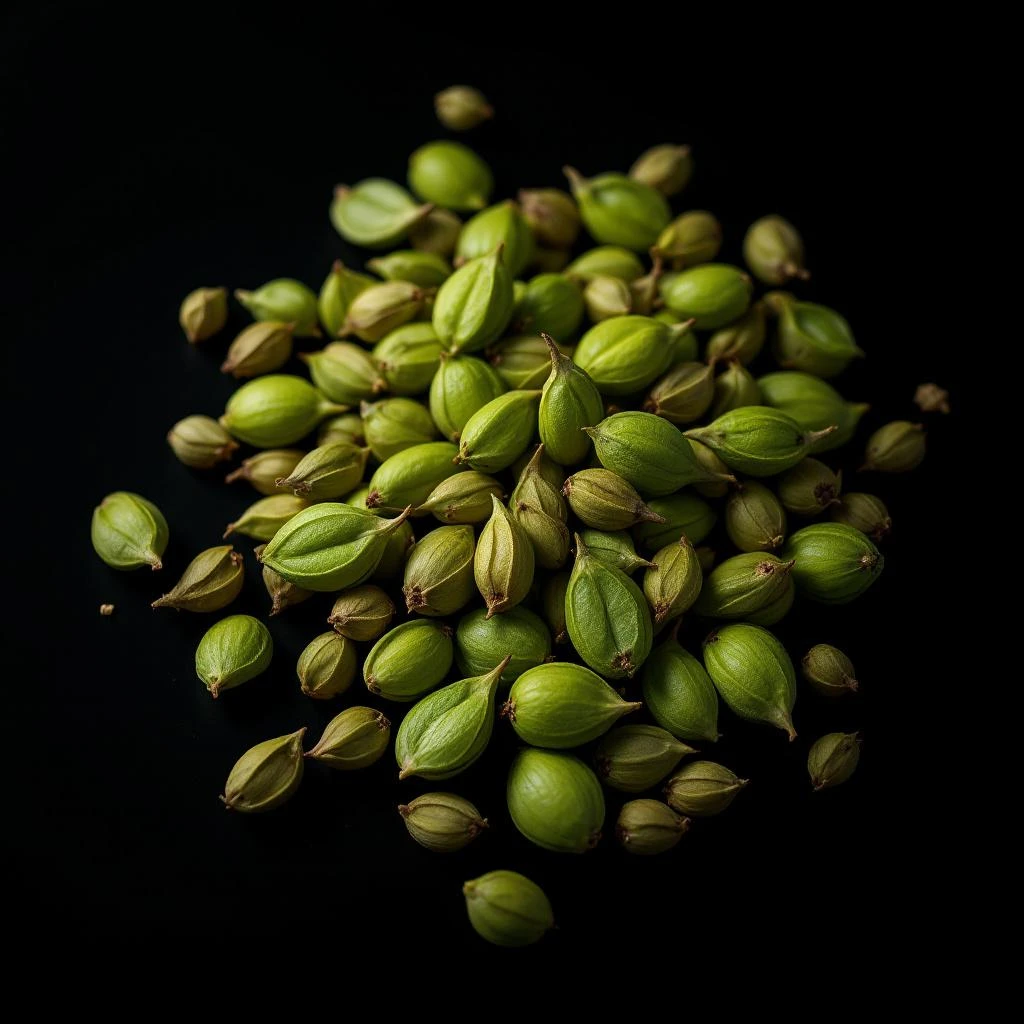
Steam distillation of dried coriander seeds produces the essential oil used in perfumery. This process yields 0.8 to 1.0 percent oil by weight from the dried seed material. The pale yellow oil requires careful temperature control during distillation to preserve its linalool content and characteristic citrus-spice profile.
Which fragrance families most commonly feature coriander?
Chypre and masculine fragrance families use coriander most frequently, though it also appears in aromatic and fougere compositions. Its ability to bridge citrus and spice makes it particularly valuable in men's grooming products and traditional Eau de Cologne formulations.
How long has coriander been used in perfumery?
Textual and archaeological evidence traces coriander use in aromatic contexts to approximately 3000 BCE in ancient Egypt, where it appeared in burial rituals and medicinal preparations. This places it among the oldest continuously used aromatic materials in human history.
Is coriander oil natural or synthetic in modern perfumery?
Both natural and synthetic versions exist in modern perfumery. Natural coriander seed oil comes from steam-distilled seeds, while synthetic linalool replicates its primary aromatic compound. Most premium fragrances specify natural coriander oil on their ingredient lists.
What regions produce the coriander used in perfumery?
India is the largest global producer, followed by Morocco and Russia as secondary sources. The Mediterranean climate in these regions produces coriander with the specific aromatic profile perfumers seek. Origin significantly affects the oil's linalool content and overall character.
What aromatic compounds define coriander's scent?
Linalool is the dominant aromatic compound in coriander seed oil, responsible for its characteristic citrus-floral quality. Additional constituents including linalyl acetate, camphor, and various monoterpenes contribute to its warm, spicy complexity.