Pink Pepper
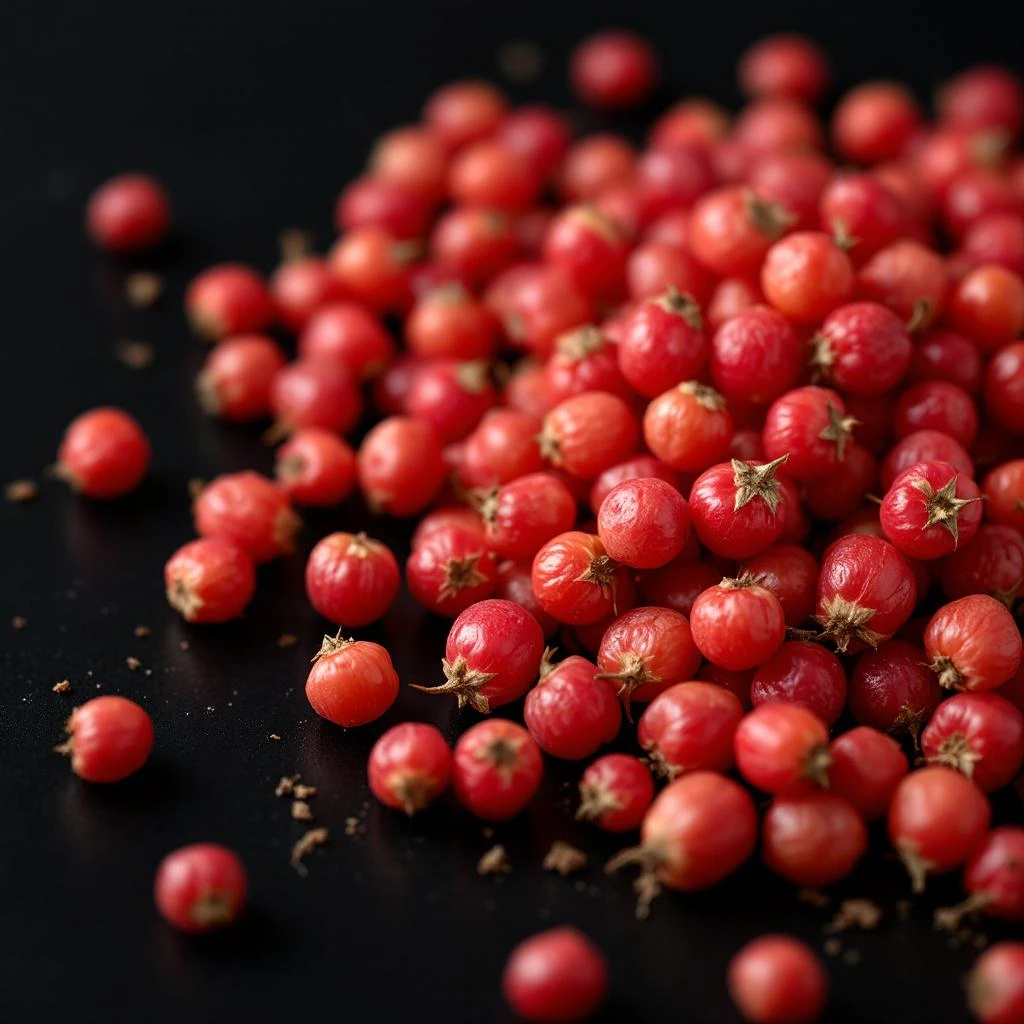
Pink pepper brings a bright, tingling sparkle to fragrance compositions, lighter and fruitier than black pepper. Harvested from South American Schinus trees, the pink berries deliver a crisp, slightly sweet spice that opens top notes with airy warmth.
Character
How it smells
Sun-warmed spice with a fruity wink
Despite its name, pink pepper belongs to the cashew and mango family, making it a closer botanical relative to pistachios than to true peppercorns.









Origin
Brazil
Pink pepper predates European perfumery by millennia. Indigenous communities across South America, particularly in the Andean regions and the Brazilian highlands, used Schinus berries in traditional medicine for treating wounds, infections, and rheumatism long before Spanish contact. Archaeological evidence suggests these practices stretch back further than written records confirm.
Portuguese and Spanish colonizers encountered the trees during the 16th century and brought dried berries back to Europe, where the spice was nicknamed 'Peruvian pepper' or 'Brazilian pepper.' Confusion with true Piper nigrum persisted for centuries, partly because early traders did not always disclose the botanical origin. Industrial perfumery began experimenting with pink pepper extracts in the late 20th century, drawn by the berry's ability to deliver spice without the harsh, camphoraceous bite of black pepper oil.
Adoption accelerated as supercritical CO2 technology matured, allowing perfumers to access a softer, more nuanced expression of the fruit. Today, Madagascar, Réunion, and Peru remain major production zones, alongside cultivation in parts of the Indian Ocean islands.
Wears it best
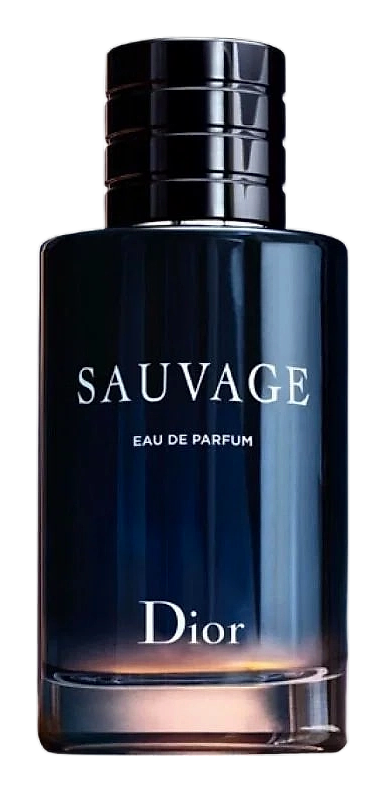
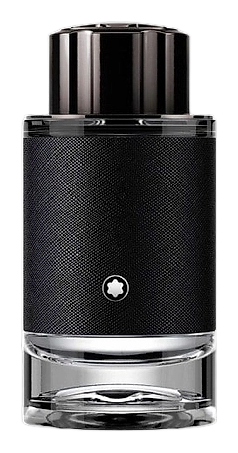
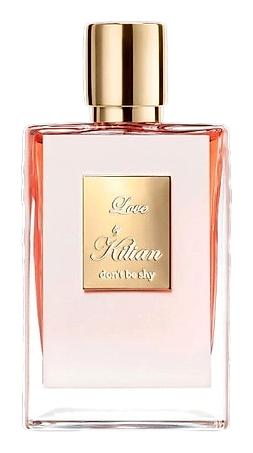
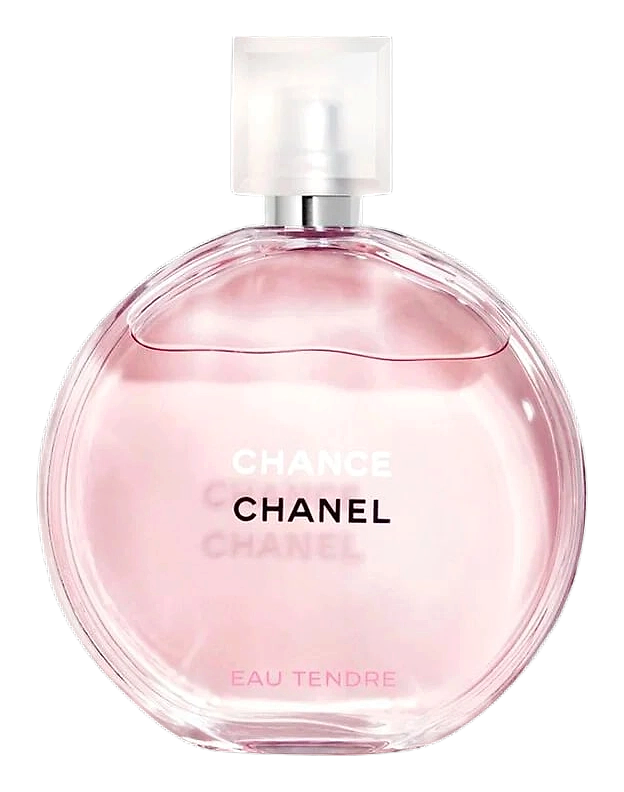
Fragrances featuring Pink Pepper


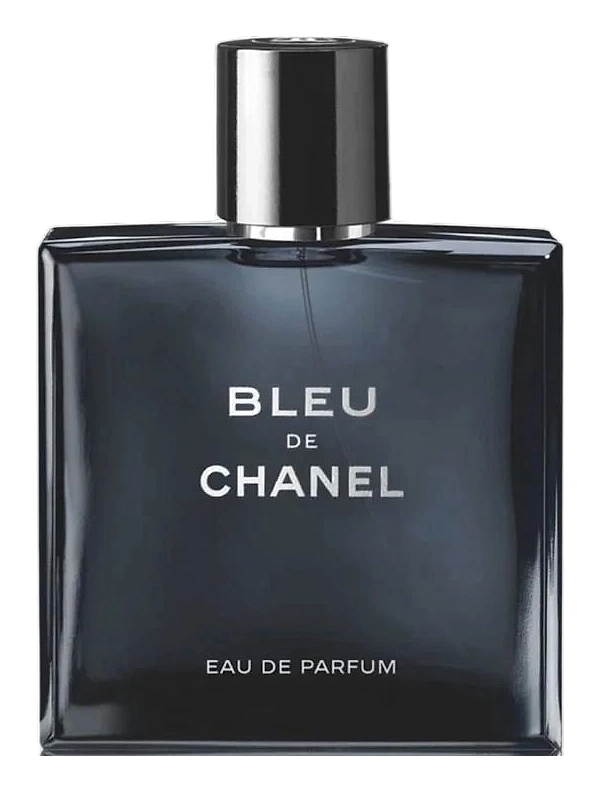
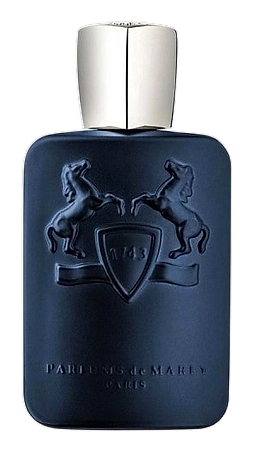
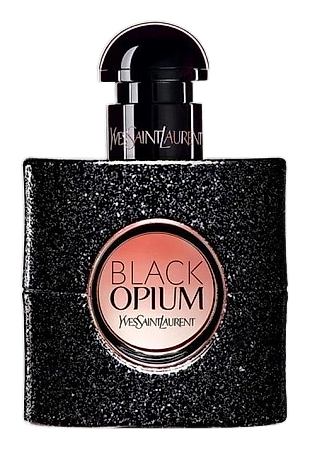

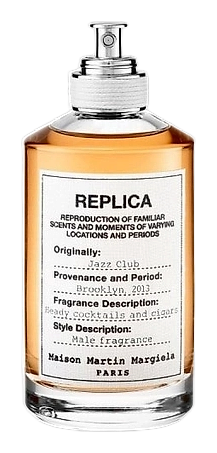

Brands
Brands known for Pink Pepper
Good to know
Questions, answered
The essentials on Pink Pepper in perfumery: how it smells, where it comes from, and how it behaves on skin.
What does pink pepper smell like in perfume?
Pink pepper smells bright, dry, and lightly fruity with a sparkling spice quality, softer than black pepper. The aroma carries subtle raspberry and citrus facets, making it a popular top-note choice for adding liveliness without harshness.
Is pink pepper a true peppercorn?
No, pink pepper comes from Schinus trees in the Anacardiaceae family, making it a relative of cashews and mangoes. True peppercorns come from Piper nigrum, an unrelated tropical vine native to South Asia.
Is pink pepper safe to use in fragrance?
Yes, pink pepper essential oil and extracts are widely used in commercial perfumery with established safety profiles. Regulatory bodies like IFRA set usage limits, and most formulations use concentrations well below sensitization thresholds.
How is pink pepper oil extracted?
Pink pepper oil is produced primarily through steam distillation of ripe berries, yielding a terpene-rich essential oil. Solvent extraction and supercritical CO2 extraction offer alternative methods that capture more of the fruit's sweeter aromatic compounds.
Where does pink pepper come from?
Pink pepper originates from subtropical South America, primarily Brazil, Peru, and Paraguay. Major cultivation now extends to Madagascar and Réunion, where Schinus species were introduced and naturalized centuries ago.
What fragrances commonly use pink pepper?
Pink pepper appears across many fragrance categories, from fresh florals to oriental compositions. It frequently opens scents in the chypre, fougère, and modern gourmand families, lending a crisp, spicy lift to the top notes.
Does pink pepper have any symbolic meaning?
In traditional South American medicine, pink pepper berries symbolized protection and healing, used by indigenous peoples for wound treatment and ritual purification. European herbalists later adopted the berries for digestive and circulatory remedies.
Can pink pepper cause skin irritation?
Pink pepper contains trace amounts of urushiol-like compounds, though much less than poison ivy, its Anacardiaceae cousin. Finished perfume formulations are highly diluted, but those with cashew or mango allergies may want to patch-test cautiously.