Saffron
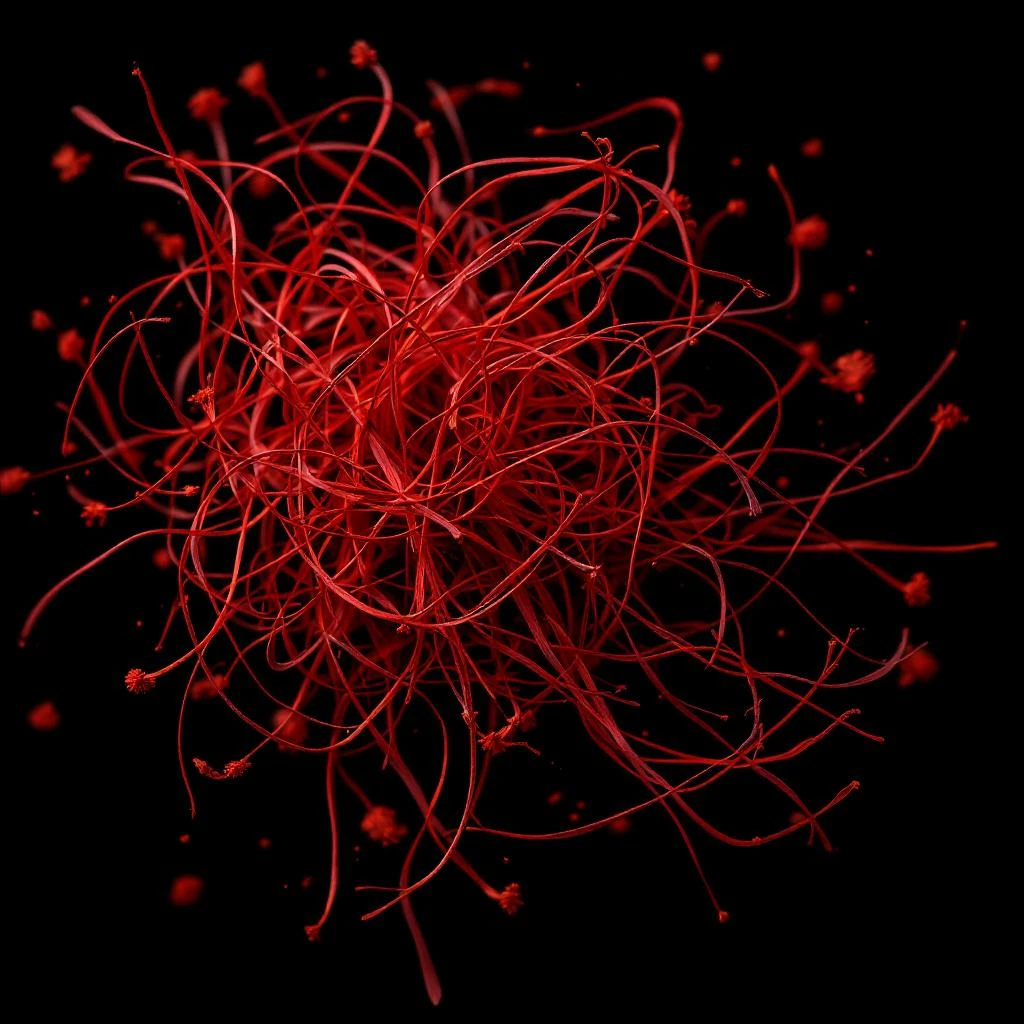
Harvested by hand from a flower that blooms only once a year, saffron delivers a rare leathery warmth prized since antiquity. It lends compositions a golden, slightly bitter edge.
Character
How it smells
Red gold with a leathery soul.
It takes roughly 150,000 to 170,000 crocus flowers to yield a single kilogram of dried saffron, making it the world's most expensive spice by weight.








Origin
Iran
Saffron's presence in perfumery stretches back roughly 3,500 years. Around 1500 BC, ancient Greeks recorded saffron's use in ceremonial scent and medicine, while the Minoans of Crete painted saffron-crowned figures on frescoes at Knossos, suggesting it was part of ritual unguents. In ancient Egypt, saffron featured prominently in Kyphi, a complex incense blend combining terebinth resin, raisins, cinnamon, wine, and myrrh, used in temple ceremonies.
Indian perfumery traditions from around 2500 BCE incorporated saffron alongside other aromatics, applied to different parts of the body. Persian courts reserved saffron-infused perfumes for royalty and the elite. The crimson threads traveled the Silk Road, reaching Spain via Arab traders and later influencing European apothecary practices.
Today, Iran produces roughly 90 percent of global saffron, a legacy of those ancient trade routes.
Wears it best
Fragrances featuring Saffron
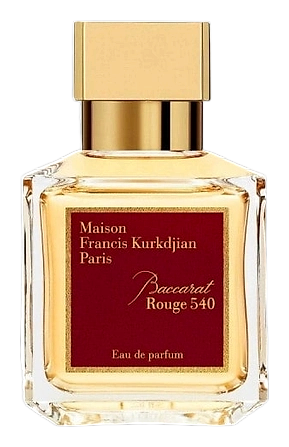
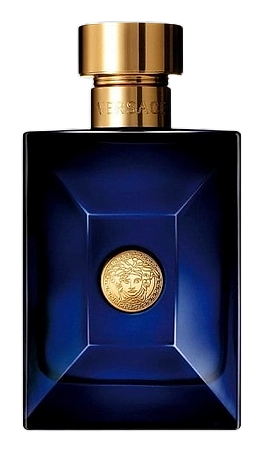
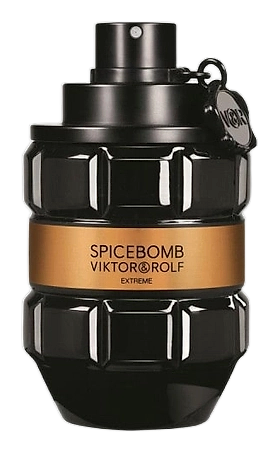
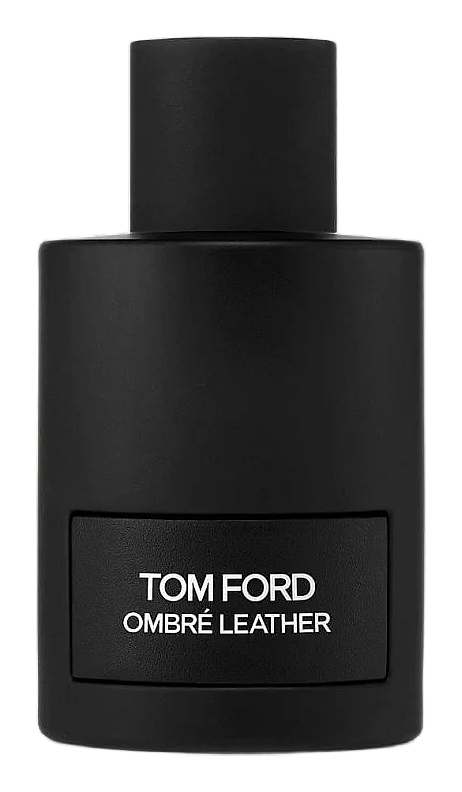
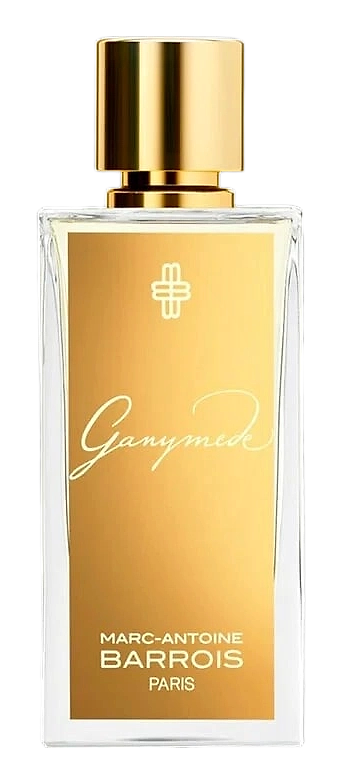
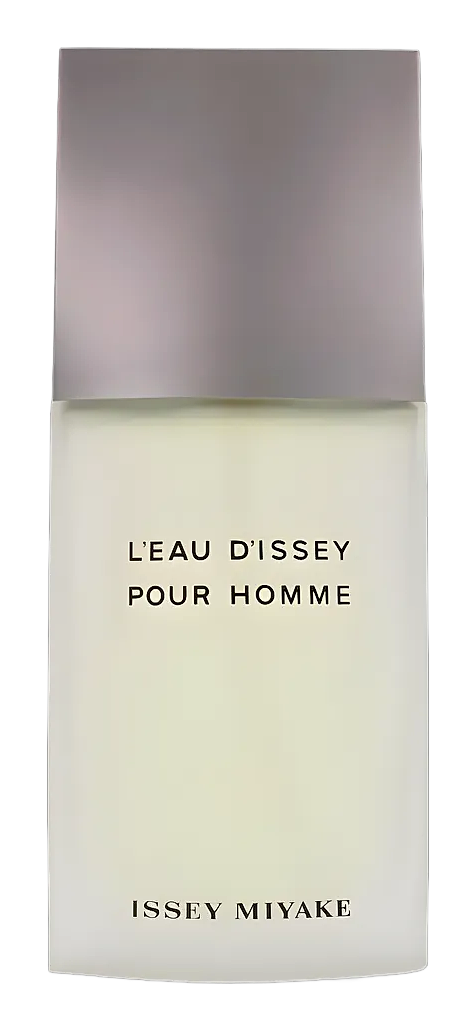
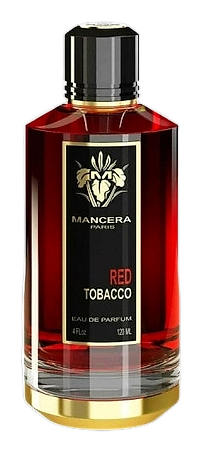

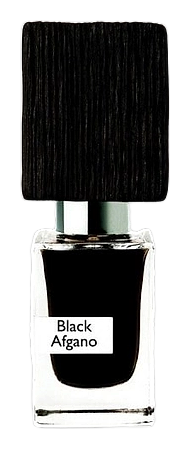
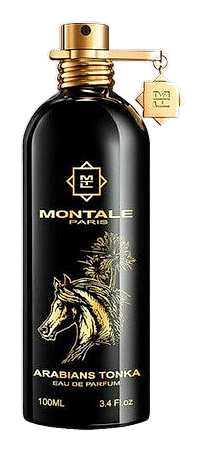
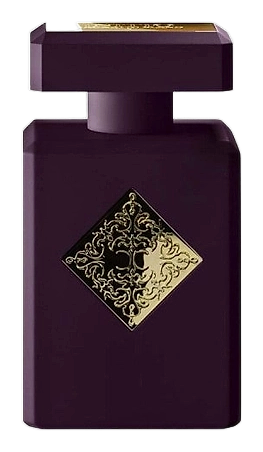
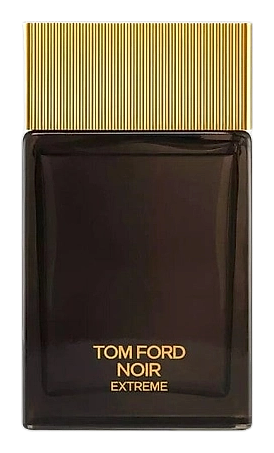
Brands
Brands known for Saffron
Good to know
Questions, answered
The essentials on Saffron in perfumery: how it smells, where it comes from, and how it behaves on skin.
What does saffron smell like in perfume?
Saffron gives a distinctive leathery, slightly bitter warmth with honeyed and hay-like undertones. In compositions, it adds depth and a metallic golden edge, often anchoring woody or amber bases.
Is saffron an expensive perfume ingredient?
Yes. Saffron is the world's most costly spice by weight, and its perfume extracts are similarly rare. This scarcity, combined with labor-intensive harvesting, places it among the more precious naturals in a perfumer's palette.
What fragrance families feature saffron?
Saffron appears most often in oriental, leather, and amber compositions. It also appears in modern oud blends and unisex fragrances, where its warm, slightly metallic character provides a striking top-note contrast.
Can saffron notes be synthetic?
Yes. Safranal and other key aroma molecules can be synthesized or reconstructed in a lab. Synthetic versions capture saffron's leathery facets affordably, though purists argue naturals retain greater complexity.
Where does most saffron come from?
Iran produces approximately 90 percent of the world's saffron. The arid climate of regions like Khorasan provides ideal growing conditions for Crocus sativus, continuing traditions that stretch back over a millennium.
Why is saffron so hard to harvest?
Crocus sativus blooms for only one to two weeks per year, and each flower must be picked by hand before dawn to preserve the stigmas. The plant is sterile and cannot be grown from seed, requiring manual corm division instead.
Is saffron safe in fragrance?
Yes, when used at standard perfumery concentrations. Saffron extracts are not classified as skin sensitizers at typical usage levels, though the spice itself can trigger reactions in some individuals when ingested.
What other ingredients pair well with saffron?
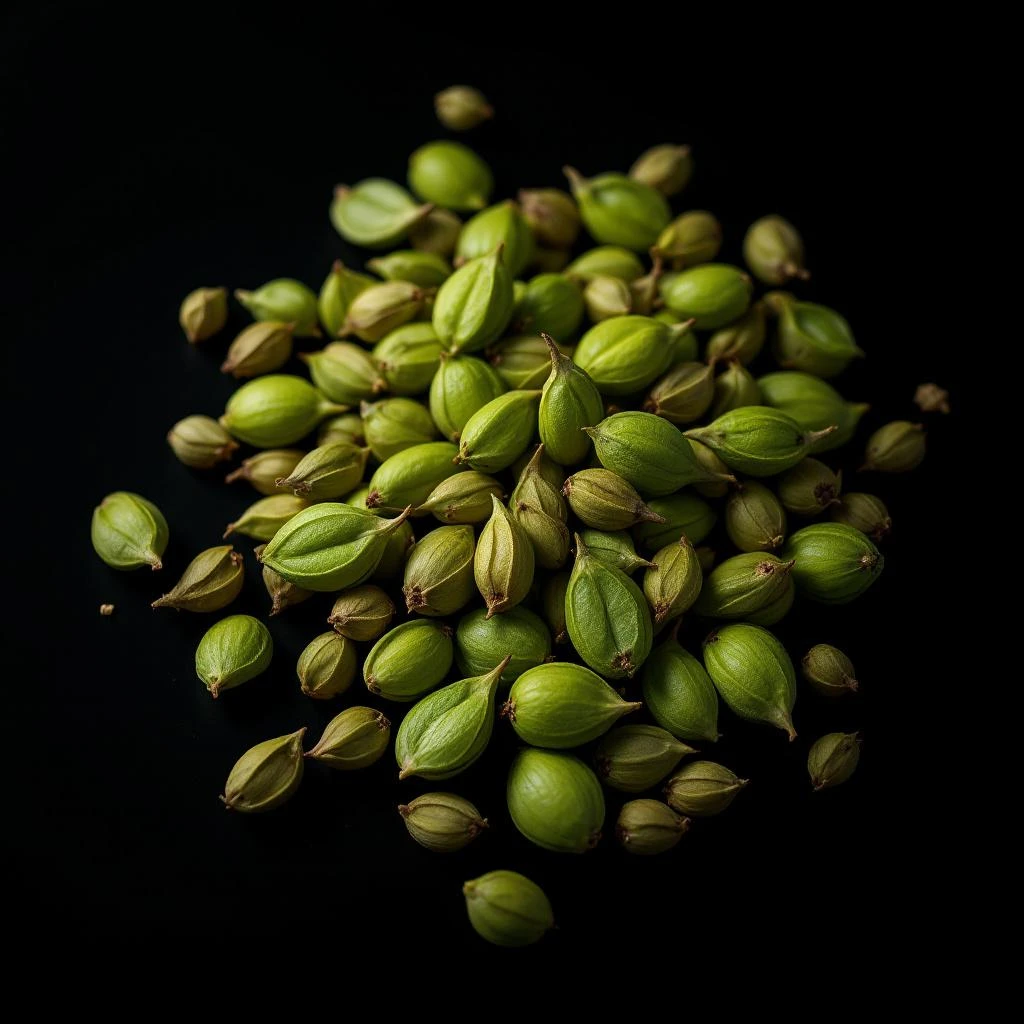
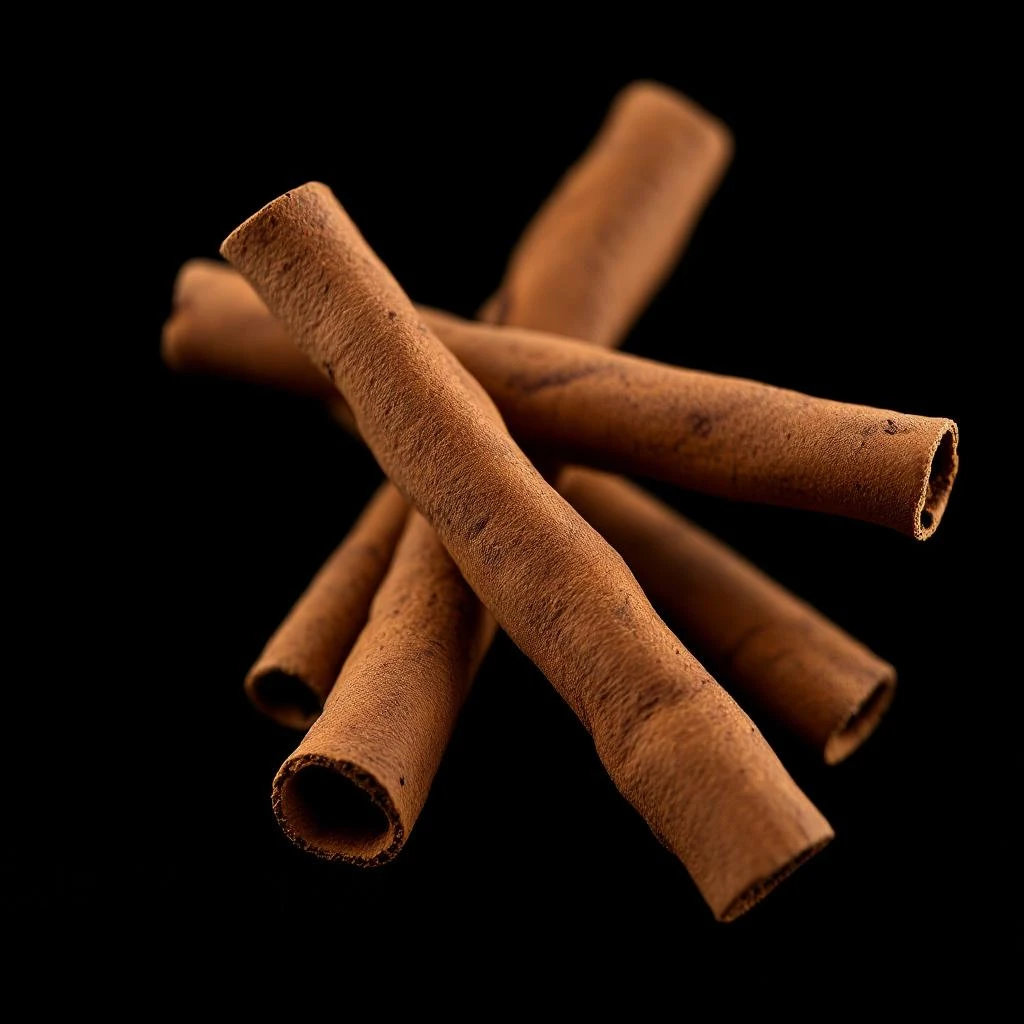
Saffron pairs exceptionally well with oud, rose, leather, amber, and labdanum. It also complements spices like cardamom and cinnamon, adding richness without overwhelming surrounding notes.