Ginger
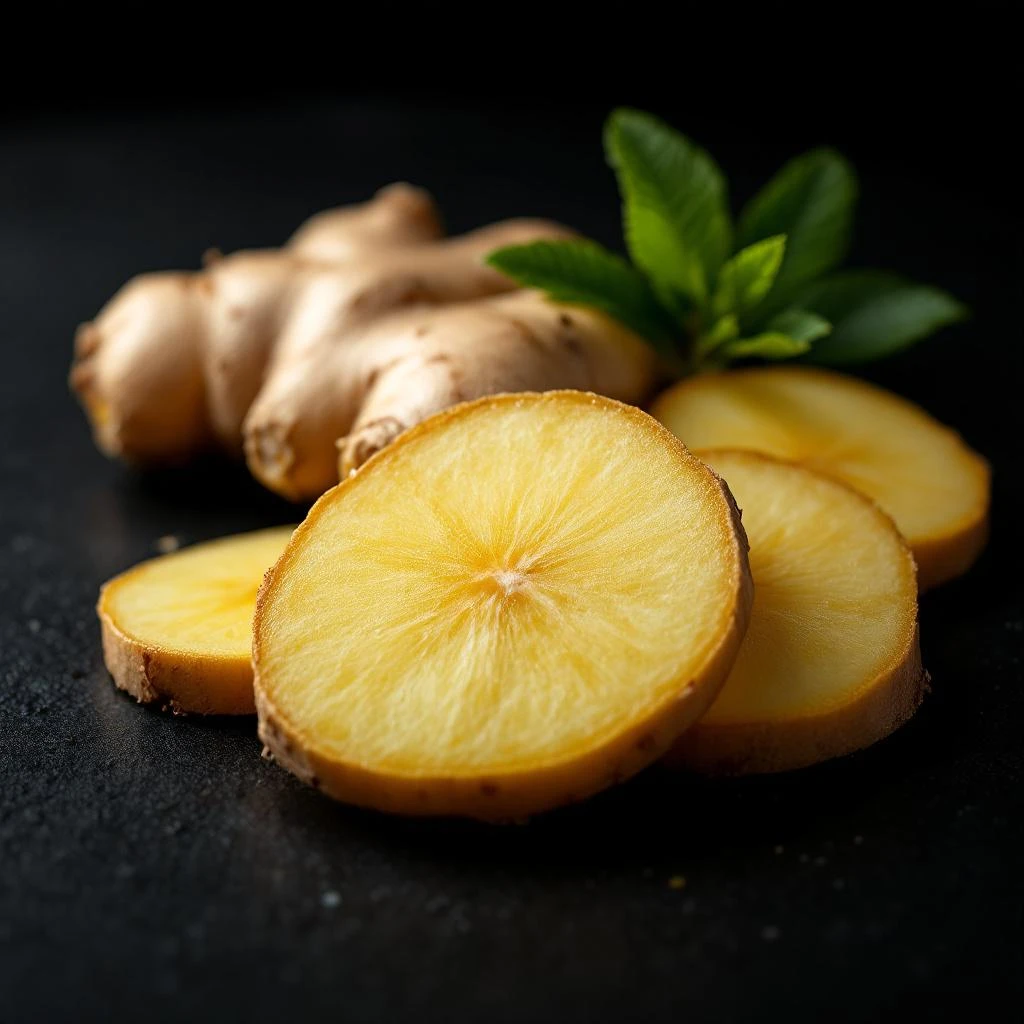
Ginger brings a vivid, warming spark to fragrance. Its zesty top-note brightness carries a peppery heat that lingers on skin, lending compositions an energetic, almost edible sparkle that feels both modern and ancient.
Character
How it smells
Spiced heat with a citrus kick
Ginger has been cultivated for over 5,000 years, predating written history in many regions, and remains one of the most traded spices on Earth.








Origin
India
Ginger ranks among the oldest cultivated spices known to humanity, with archaeological traces in Chinese and South Asian kitchens stretching back more than five millennia. Ancient Sanskrit texts mention it as a digestive aid, while Roman traders paid extortionate prices for dried rhizomes shipped along the Incense Route from Kerala. By the thirteenth century, Arab merchants had introduced ginger to East Africa, and Portuguese ships carried it to West Africa and the Caribbean in the sixteenth century, a transfer that made Jamaica and later other tropical regions significant production zones.
In perfumery, ginger appeared in Indian attars and Ayurvedic preparations centuries before modern distillation reached the subcontinent, valued for its warming properties. European perfumers adopted ginger widely in the nineteenth century, and its crisp pungency became a signature element of fresh, spicy, and unisex compositions once synthetic aroma chemicals allowed perfumers to stabilize its volatile top notes.
Wears it best
Fragrances featuring Ginger
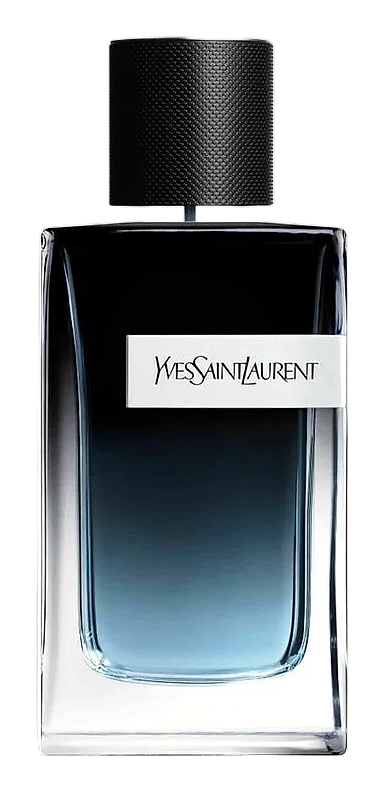
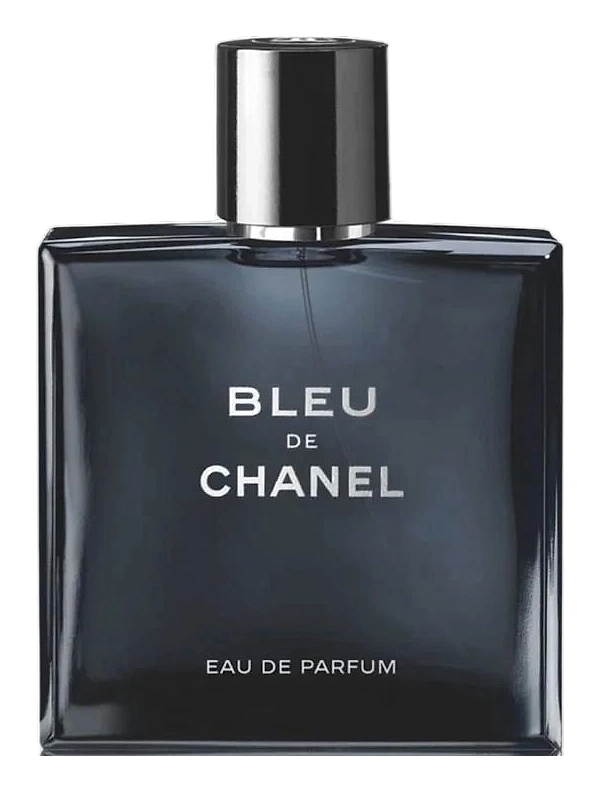
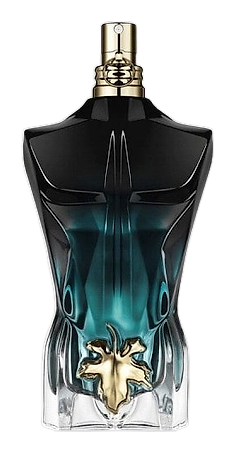
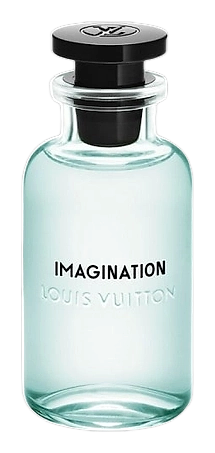
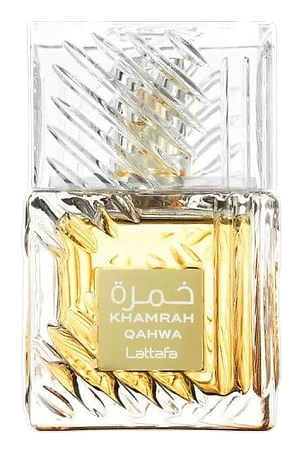
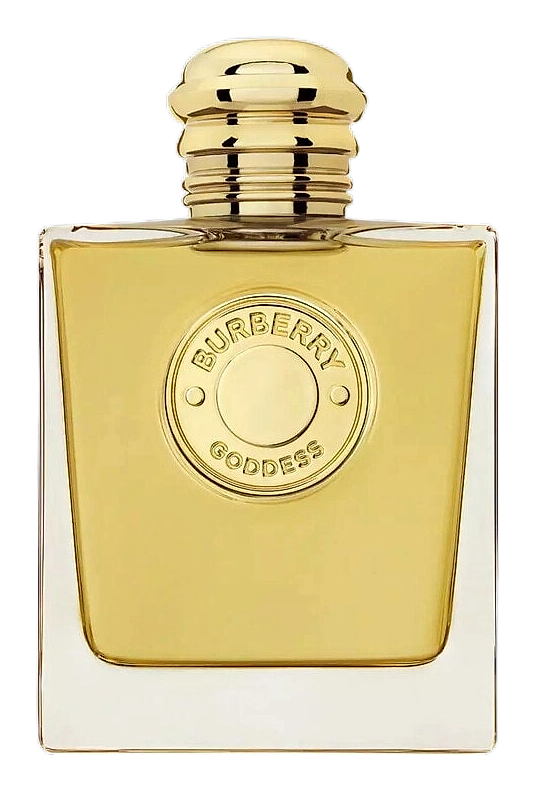
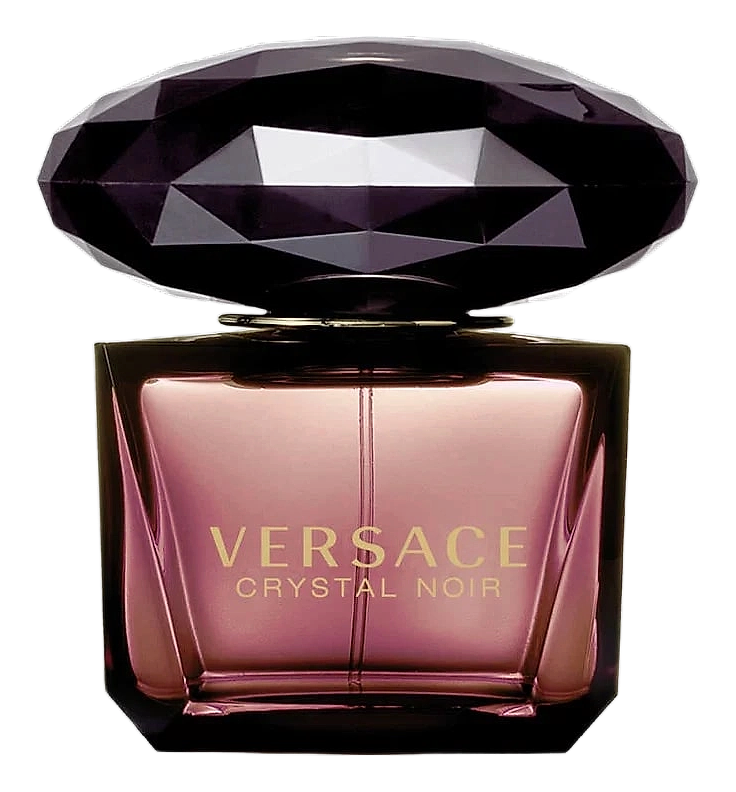
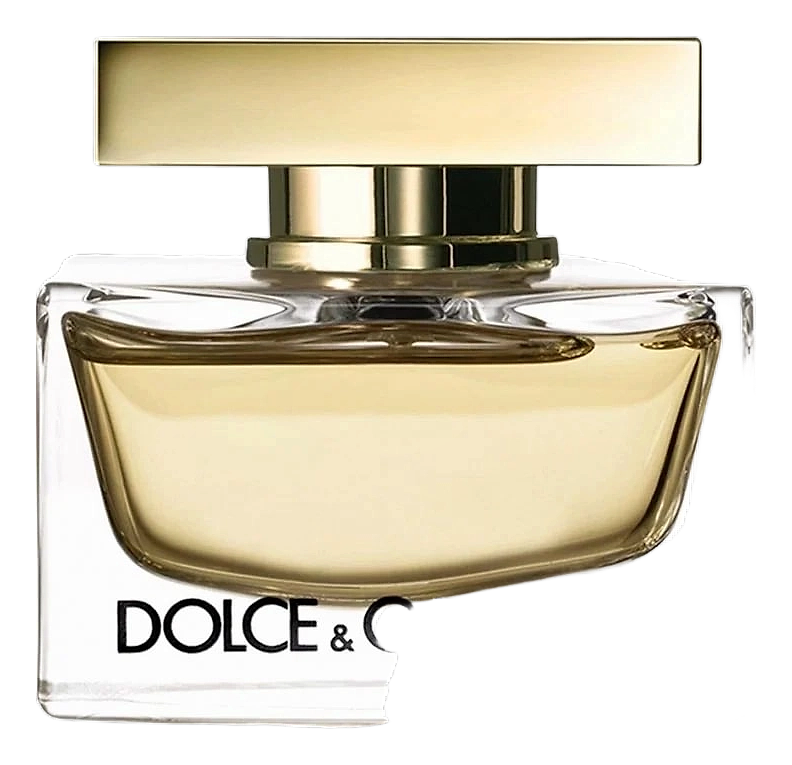
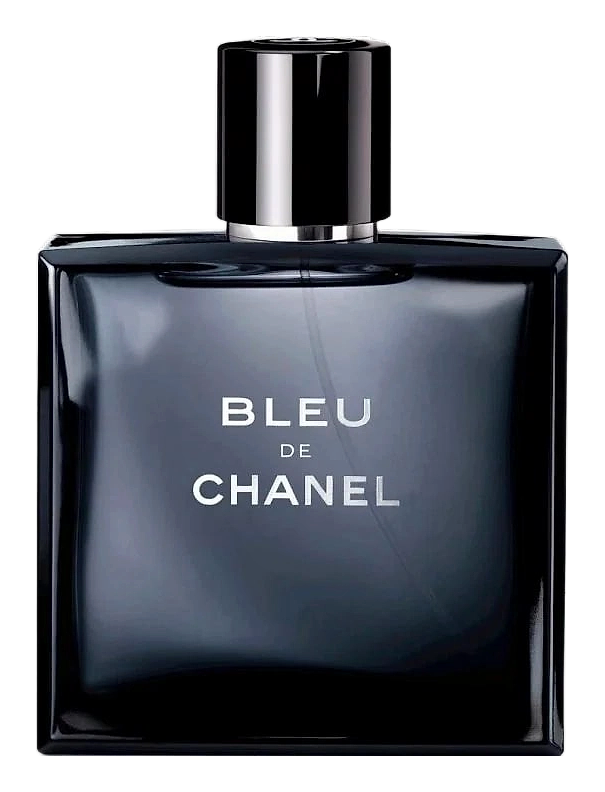

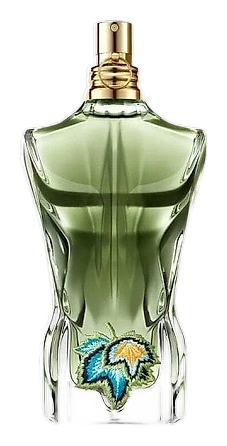
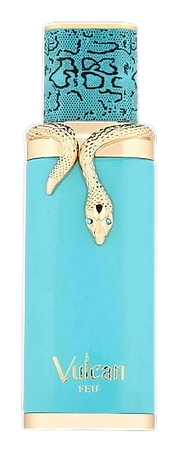
Brands
Brands known for Ginger
Good to know
Questions, answered
The essentials on Ginger in perfumery: how it smells, where it comes from, and how it behaves on skin.
What does ginger smell like in perfume?
Ginger delivers a sharp, warm spiciness layered with citrus-like brightness and a subtle peppery edge. Unlike cinnamon or clove, it reads cleaner and less sweet, making it a popular top-note choice for fresh, energetic compositions.
Is ginger a top, heart, or base note?
Ginger functions almost exclusively as a top note. Its volatile molecules evaporate quickly, typically lasting 15 to 30 minutes on skin before fading into the heart of the composition.
Where does perfumery-grade ginger come from?
India remains the largest producer of ginger essential oil, particularly from Kerala and the northeast states. China, Nigeria, and Jamaica are also significant sources for both fresh rhizomes and distilled oil.
How is ginger essential oil extracted?
Steam distillation is the standard method, passing vapor through crushed fresh rhizomes to release volatile oils. CO2 supercritical extraction offers an alternative that captures heavier molecules, producing a richer, more complex aroma profile.
Is ginger essential oil safe on skin?
Ginger oil is generally safe at low dilution levels (typically under 1% in leave-on products). It can cause sensitivity in some individuals, so patch testing before regular use is recommended.
What fragrances pair well with ginger?
Ginger pairs naturally with citrus oils like bergamot and yuzu, florals such as tuberose and ylang-ylang, and deeper bases including sandalwood, vetiver, and tonka bean. Its warmth bridges fresh and resinous elements effectively.
Does ginger smell different from fresh ginger root?
Fresh ginger root carries a brighter, wetter citrus note, while distilled ginger essential oil concentrates the warm, peppery, slightly woody character. The drying process intensifies pungency and reduces top-note freshness.
Is natural ginger oil the same as synthetic ginger aromachemicals?
Natural ginger oil contains over 100 trace constituents contributing to its complex aroma. Synthetic alternatives, often built around zingiberene or individual isolates, can approximate the profile but lack the depth and natural variation of the full-spectrum oil.