Black Pepper
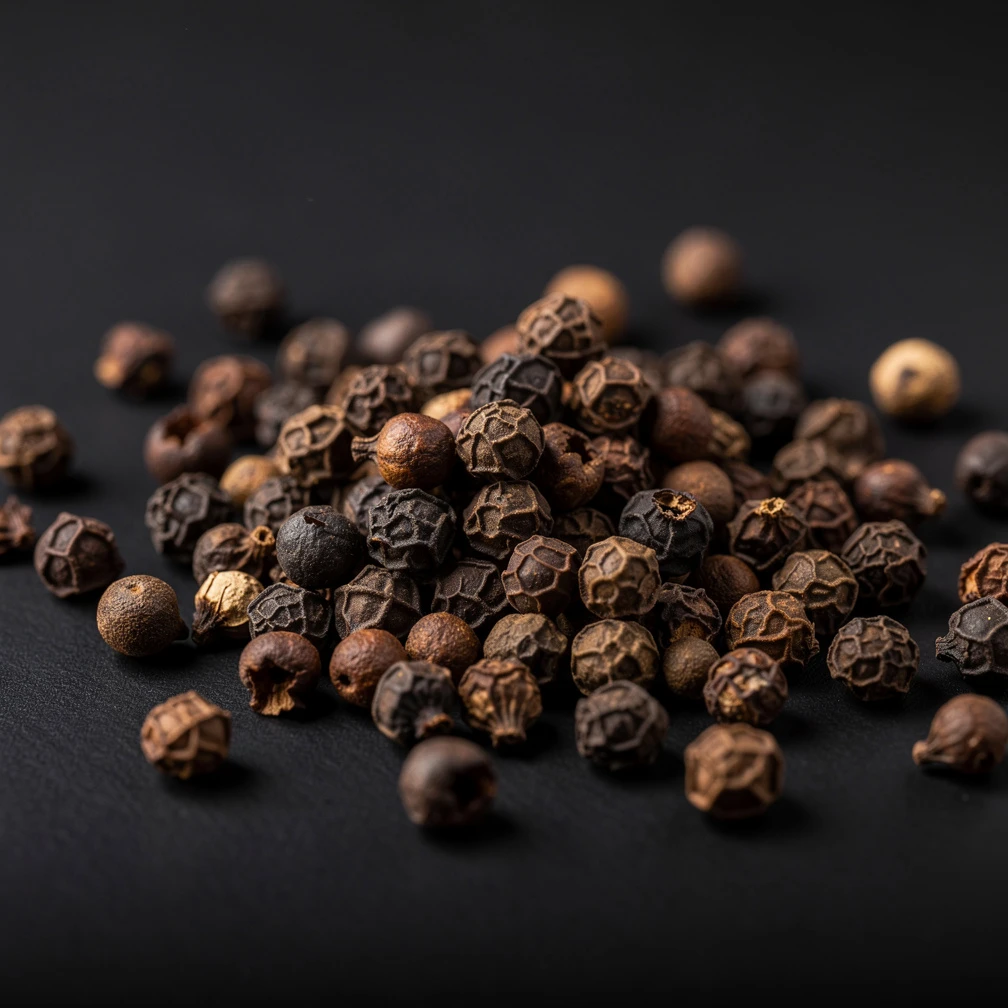
Black pepper delivers an immediate, crackling warmth to compositions. Native to the rainforests of Southeast Asia, this climbing vine's dried berries have shaped global trade and now define the sharp, resinous backbone of countless modern fragrances.
Character
How it smells
Sharp. Warm. The crackling spice that defines modern perfumery.
Roman emperors taxed pepper so heavily that it rivaled gold in value. Romans burned peppercorns as incense and used them as currency.









Origin
India
Piper nigrum has grown wild in the monsoon forests of India's Malabar Coast for over 4,000 years. Ancient Tamil texts describe pepper as a treasure, and Greek and Roman records confirm its prestige, with peppercorns used as incense and trade goods by 500 BCE.
The small, pungent berry once held power equal to gold in European markets. Medieval Europeans valued it primarily as a food preservative and deodorant before refrigeration, and peppercorns served as currency for taxes and dowries.
The spice drove entire trade routes across the Indian Ocean, enriching Arab intermediaries until Portuguese explorers like Vasco da Gama sought direct access to its sources. Dutch and Portuguese colonists established pepper plantations across their Asian territories by the 16th century, reshaping global commerce in ways that still echo today.
Wears it best
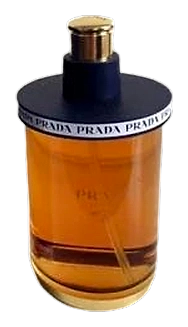
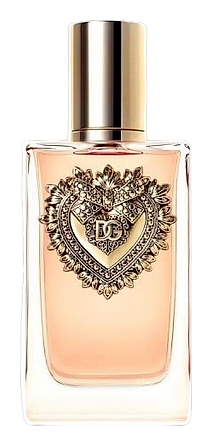
Fragrances featuring Black Pepper
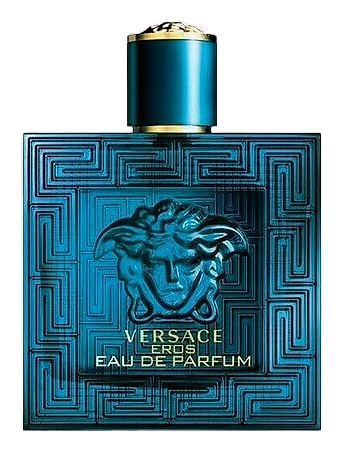
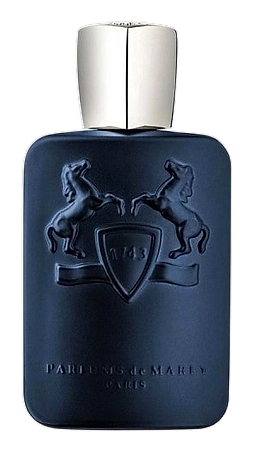
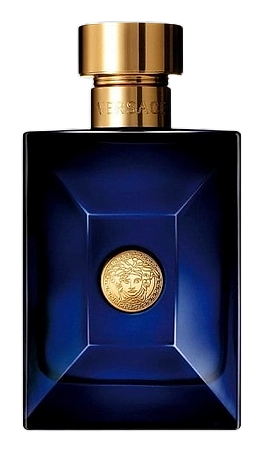

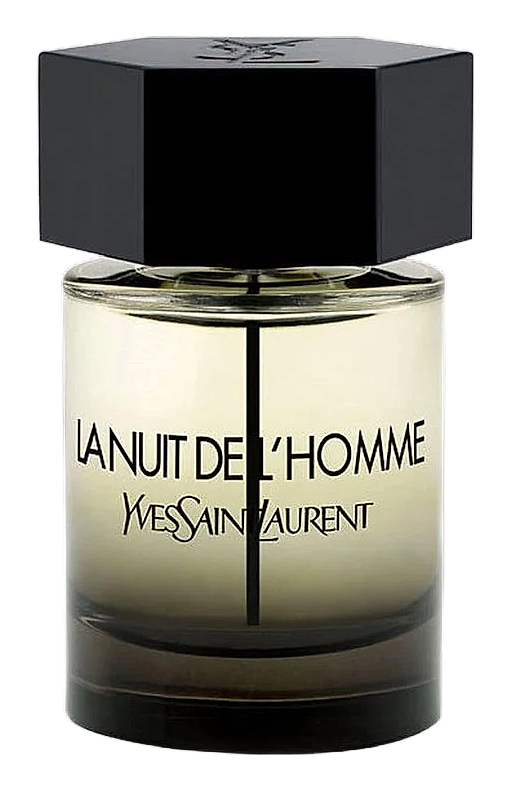
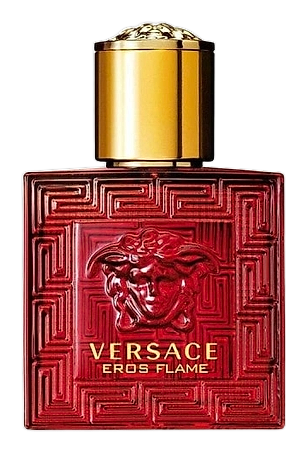
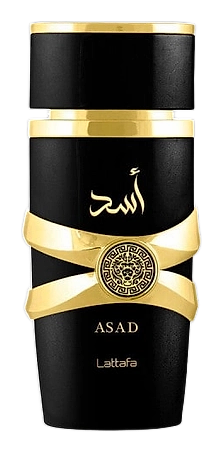
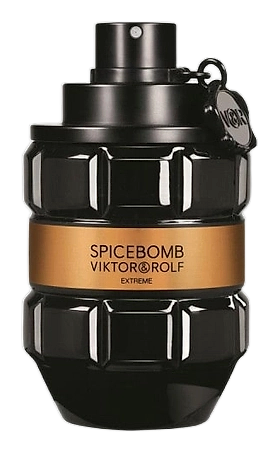
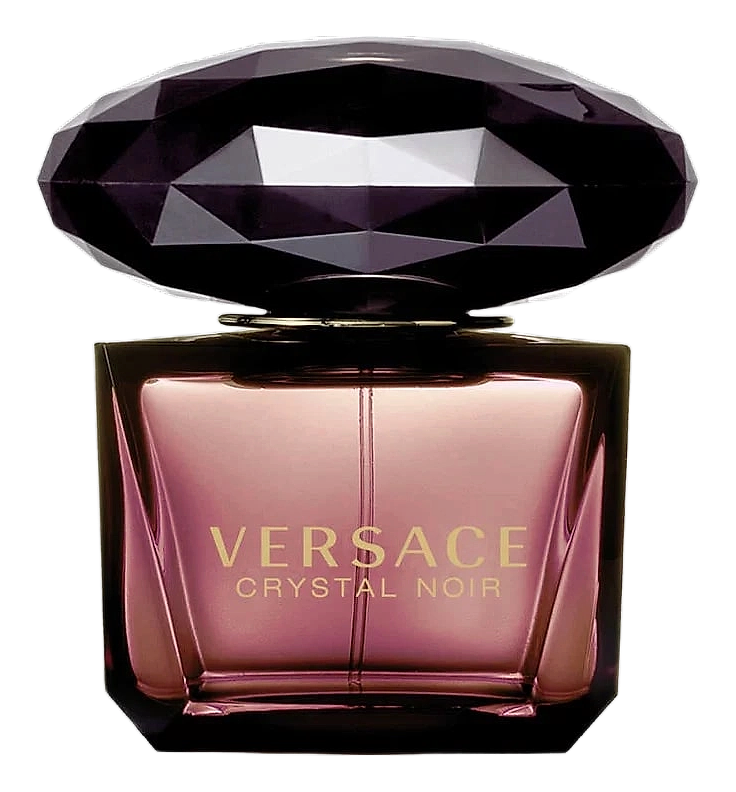
Brands
Brands known for Black Pepper
Good to know
Questions, answered
The essentials on Black Pepper in perfumery: how it smells, where it comes from, and how it behaves on skin.
What does black pepper smell like in perfume?
Black pepper delivers a sharp, crackling warmth with dry, woody undertones. It reads as fresh and slightly citrusy at first impression, settling into a warmer, more resinous depth that adds energy and focus to a composition.
How does black pepper differ from pink pepper in perfumery?
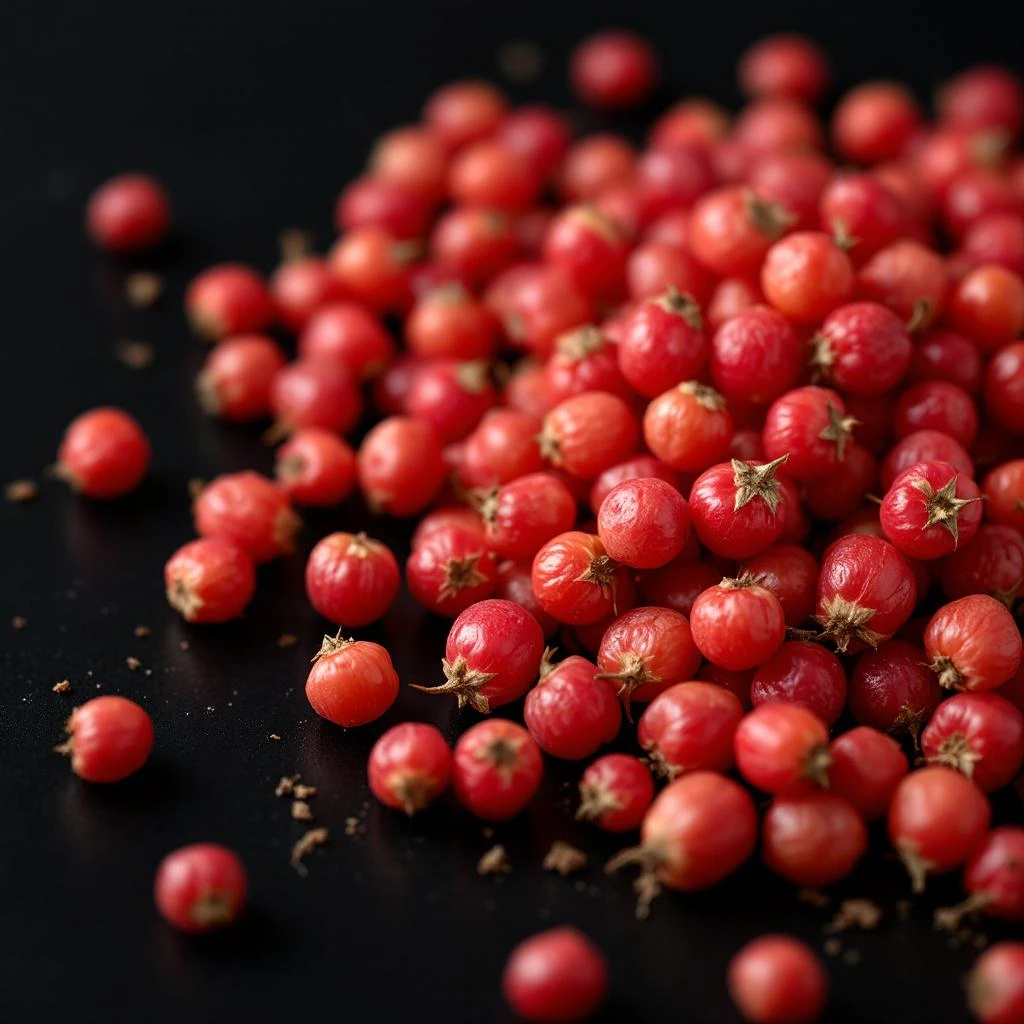
Black pepper comes from Piper nigrum, while pink pepper derives from Schinus molle, a different plant family. Black pepper offers sharper, more aggressive spice, whereas pink pepper presents a softer, sweeter berry character. Perfumers use both for their spicy qualities but achieve different effects.
Where does perfumery-grade black pepper come from?
India remains the historical origin, but Madagascar now dominates production for fragrance use. The Malabar Coast and the southwestern regions of Madagascar produce the most prized varieties, with Tellicherry pepper from India considered among the finest.
Is black pepper used as a top note or base note?
Black pepper functions primarily as a top to middle note. Its volatile compounds project immediately, making it valuable for creating that first burst of energy and spice. It rarely anchors a composition as a base note but provides essential lift and brightness.
What extraction methods produce black pepper for perfumery?
Steam distillation of dried berries produces the standard essential oil. Supercritical CO2 extraction yields a more complex extract with a fuller aromatic profile. Both methods capture the characteristic sharp, warm character, though CO2 extracts retain more of the berry's natural nuance.
Which fragrance families commonly feature black pepper?
Black pepper appears most often in masculine, oriental, and spicy compositions. It pairs naturally with woods, resins, and other spices. Many contemporary fragrances use it as a bridge between fresh and warm accords.
How long has black pepper been used in perfumery?
Black pepper has a documented history in aromatic use spanning over 4,000 years. Ancient Greeks and Egyptians incorporated it into incense and perfumed oils. Its transition from culinary and medicinal applications to intentional perfumery accelerated during the 19th century as fragrance chemistry developed.
What affects the quality of black pepper oil for fragrance?
Origin, harvest timing, and processing method all influence quality. Berries picked at full ripeness and dried properly yield more aromatic compounds. Growing conditions, particularly soil and climate, create distinct aromatic profiles across regions, with Madagascar and the Malabar Coast producing consistently high-quality material.