The Story
Why it exists.
The beginning
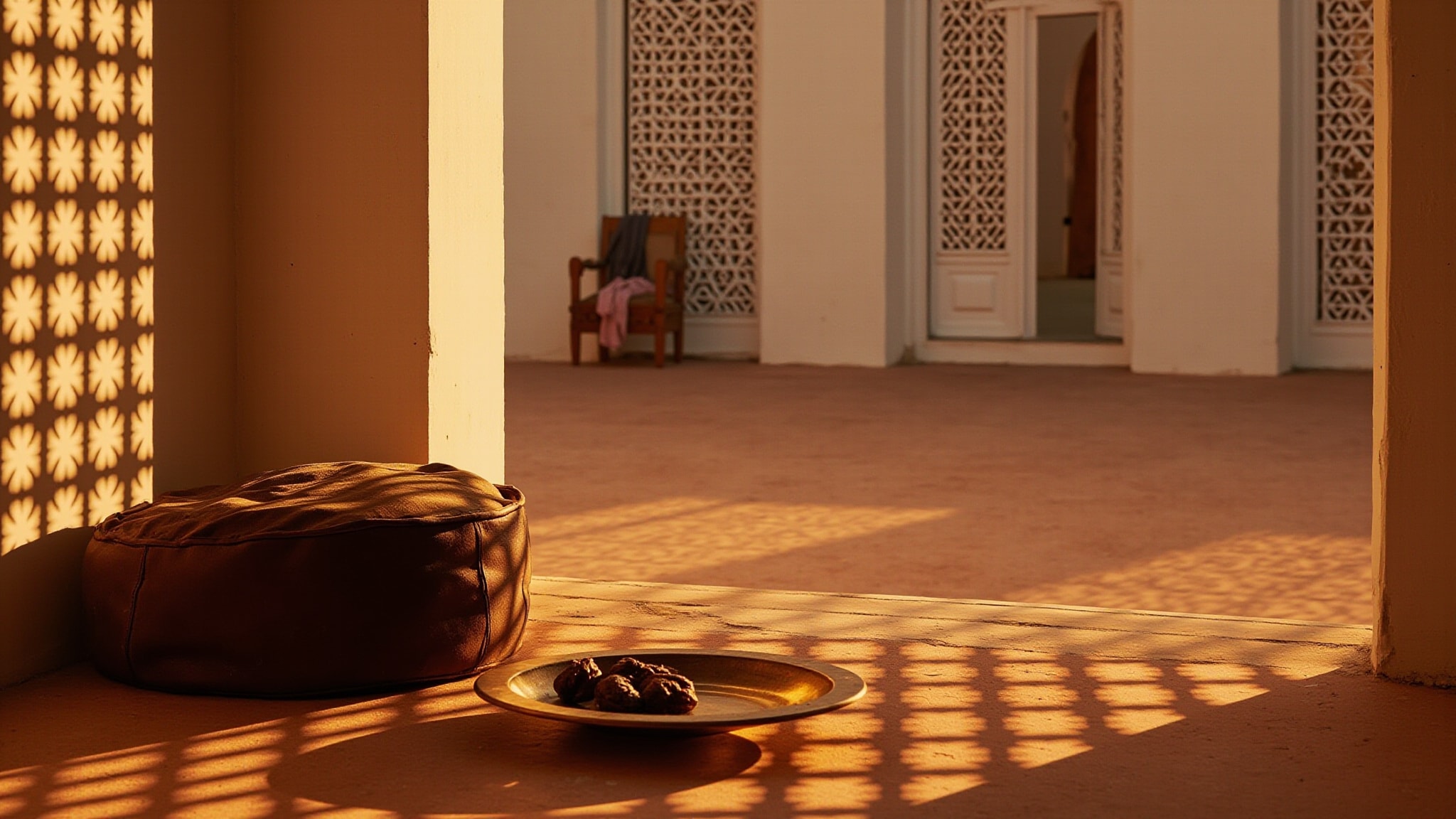
Serge Lutens spent years living in Morocco before he ever conceived a fragrance. His house, founded under Shiseido in 2000, makes perfumes that smell like memory, not marketing. Chergui is that philosophy brought to life in its warmest, most accessible form. The name refers to a hot, dry wind from the Sahara that sweeps across Morocco, carrying dust, heat, and the unmistakable atmosphere of the desert. Lutens, deeply attuned to Morocco's sensory landscapes, set out to translate that meteorological event into liquid form. Christopher Sheldrake is credited as the perfumer behind this particular interpretation, translating Lutens's vision into a composition where tobacco leaf, honey, and incense form the emotional core of that scorching wind.
The notes in Chergui are not arranged in the traditional pyramid for a reason. Lutens and Sheldrake built this fragrance around atmospheric impression rather than linear development. Tobacco leaf and honey create the immediate sense of warmth, while incense is the connective tissue that makes the composition feel like a coherent landscape rather than a sequence of events. Amber and hay reinforce the desert-dust character, and sandalwood serves as the grounding element that keeps everything from becoming too sharp or acrid. Pairing this fragrance means embracing its smoke and warmth; it works best in cooler evenings or as a statement in warm-weather settings where its projection can unfurl without restriction.
The evolution
The journey of Chergui is unusual because it begins in what most fragrances would call the heart phase. Tobacco leaf and honey arrive tog ether in the opening moments, immediately establishing a warm, honeyed tobacco character that feels like stepping into a sun-drenched Moroccan market. As the fragrance progresses, incense and amber layer over the tobacco, adding smoky depth and golden resinous warmth. Hay provides a dry, slightly brittle textural element, while sandalwood and iris soften the composition with creamy, powdery nuance. Rose and musk remain quiet, skin-close companions rather than dominant players. The fragrance never shifts into a sharply different drydown; instead, it gradually deepens, with sandalwood and amber becoming more prominent as the hours pass, and tobacco settling into a permanent, dignified presence.
Cultural impact
Chergui arrived as an alternative to the heavy oriental trend of that era, warm without aggression, sweet without being overwhelming. It became a best seller for the Serge Lutens house. The honey-tobacco-amber combination forms the backbone of this fragrance, creating a sweet, warm character that distinguishes it from the dense, resin-heavy orientals that dominated the market at the time.