


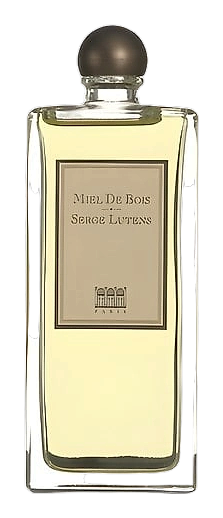
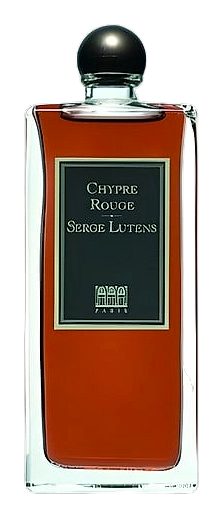
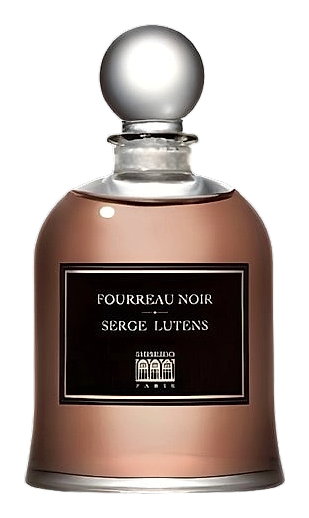
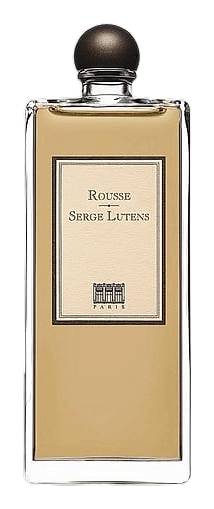
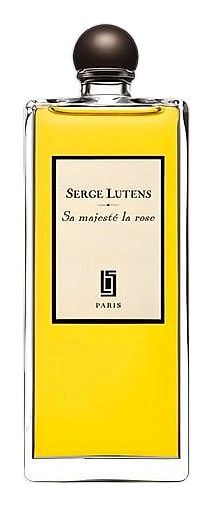
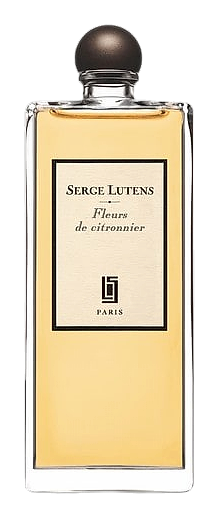
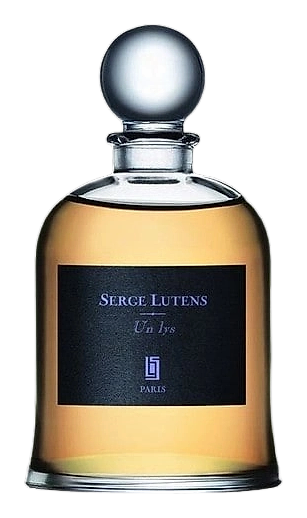
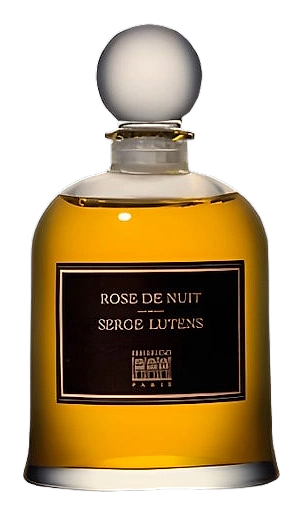
    Brand Profile

    Serge Lutens reshaped the boundaries of perfumery. A photographer, makeup artist, and image-maker for Christian Dior and Shiseido before he…More

    France·Est. 2000·Site

    5

    Fragrances

    4.1

    Rating

    5

    The Heritage

    The Story of Serge Lutens

    Serge Lutens reshaped the boundaries of perfumery. A photographer, makeup artist, and image-maker for Christian Dior and Shiseido before he ever blended a note, Lutens brought an artist's eye to fragrance. His house, founded under Shiseido in 2000, offers over 80 olfactory stories that resist easy categorization. These are perfumes that smell like memory, like places, like emotion itself.

    Heritage

    Serge Lutens was born in 1942 in Lille, northern France. Raised without his mother from infancy, he later described feeling permanently torn between two worlds, a distance he filled with imagination. At 14, he unwillingly began working in a beauty salon, though his true ambition was acting. The distinctive aesthetic he developed there in short order made his reputation: striking eyeshadow, flawless skin, black clothing. He never abandoned that palette. After military service, Lutens moved to Paris at 18, carrying photographs of his work. Three days after contacting Vogue, he was collaborating on their Christmas issue. Dior came calling in 1967, asking him to develop colors and imagery for the house. He also began traveling extensively, particularly to Japan and Morocco. Morocco changed everything. Arriving in 1968, Lutens discovered that smell could merge with the other senses, that perfume was inseparable from life itself. He created his first fragrance, Nombre Noir, for Shiseido in 1982. His own signature collection arrived in 1992, and the standalone Serge Lutens brand launched under Shiseido in 2000. Today, the house operates from over 1000 doors worldwide.

    Craftsmanship

    Christopher Sheldrake has served as Lutens' primary perfumer since 1992, creating nearly the entire catalogue together. Their partnership produces fragrances that favor abstraction over literalism, structure over accident. Lutens' compositions often feature unusual accords and unexpected material pairings. La Fille de Berlin builds its rose around a metallic, almost bloody note. Iris Silver Mist lives up to its name through a prolonged fog effect that can take hours to fully manifest. The house sources materials with specificity in mind, selecting aromatics for their emotional resonance rather than their commercial availability. Many Serge Lutens fragrances reward patience. Initial impressions often differ dramatically from their dry-downs. The house produces both Eau de Parfum concentrations and occasional Parfum formats for select scents. All formulations undergo refinement over time based on material availability and olfactory evolution.

    Design Language

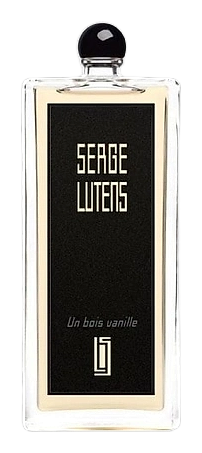
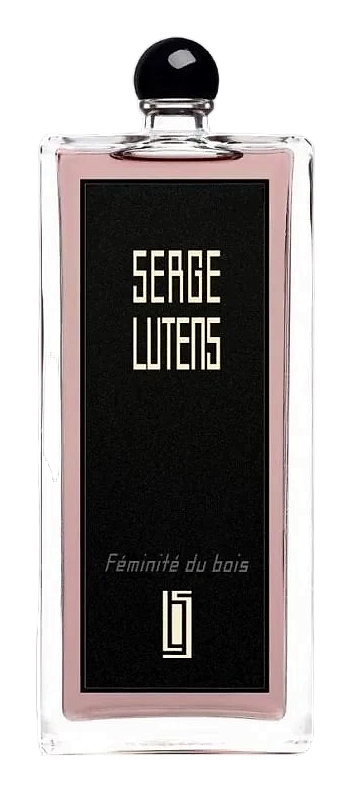
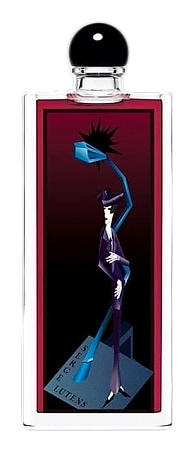
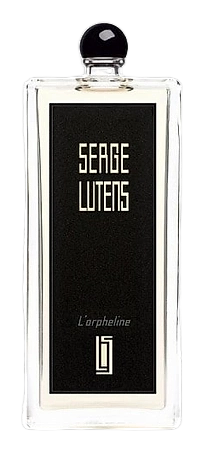
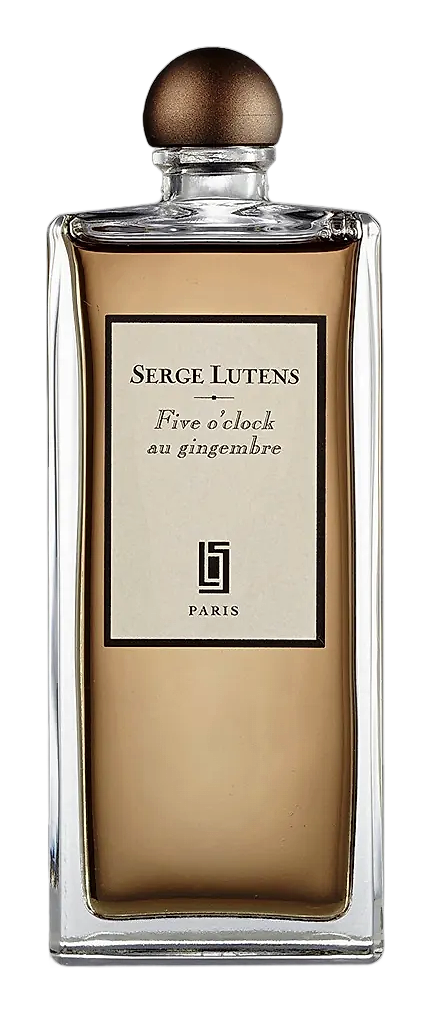
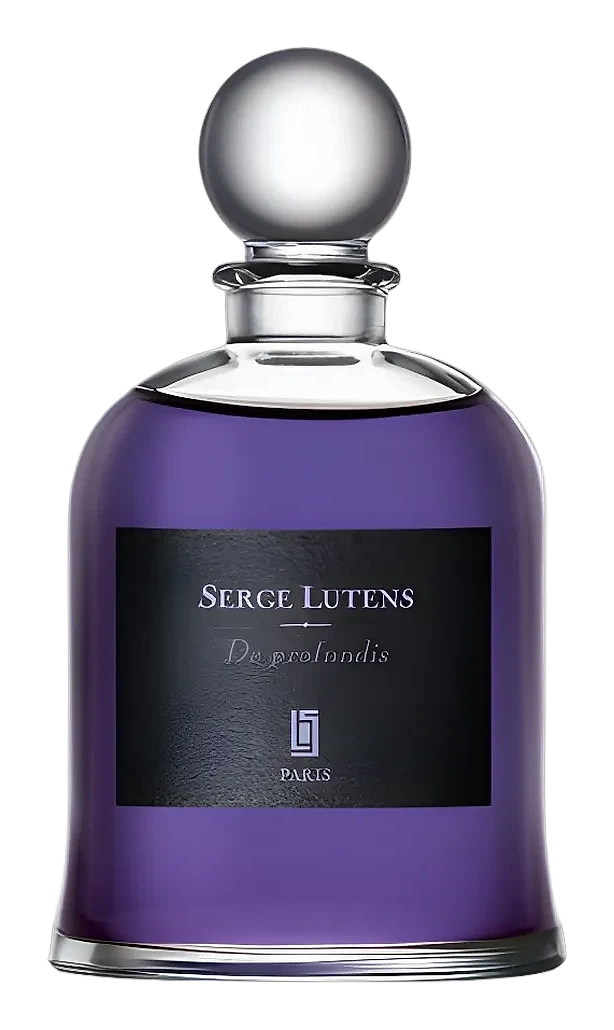
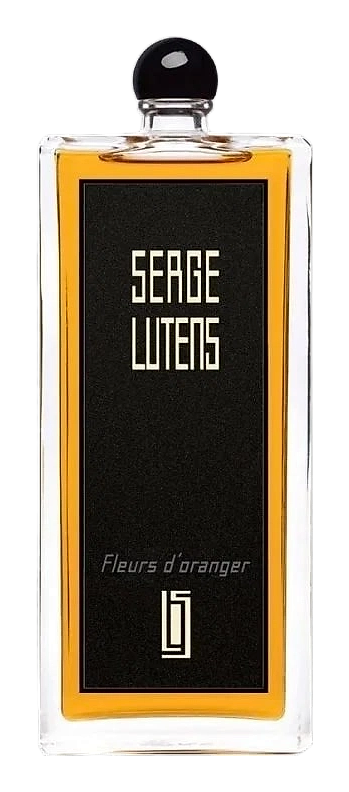
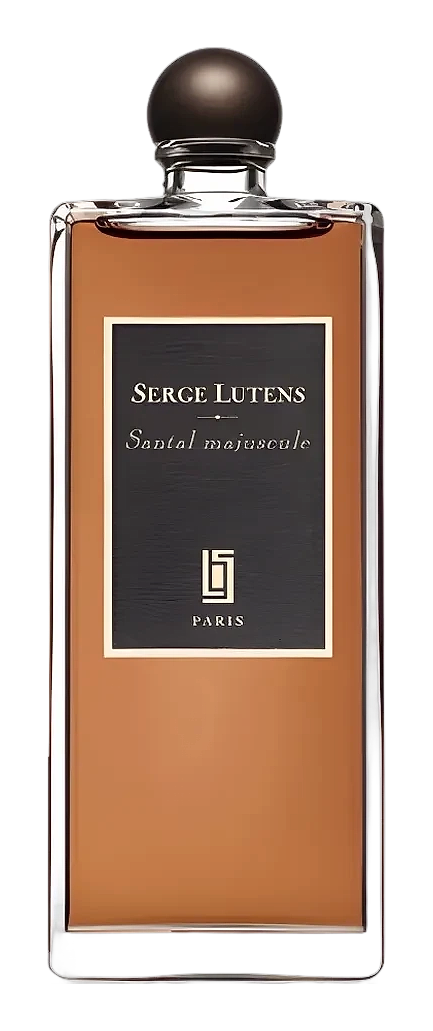
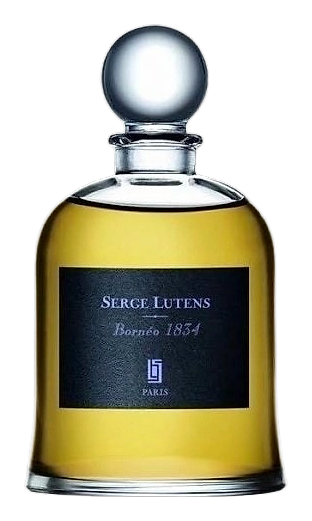
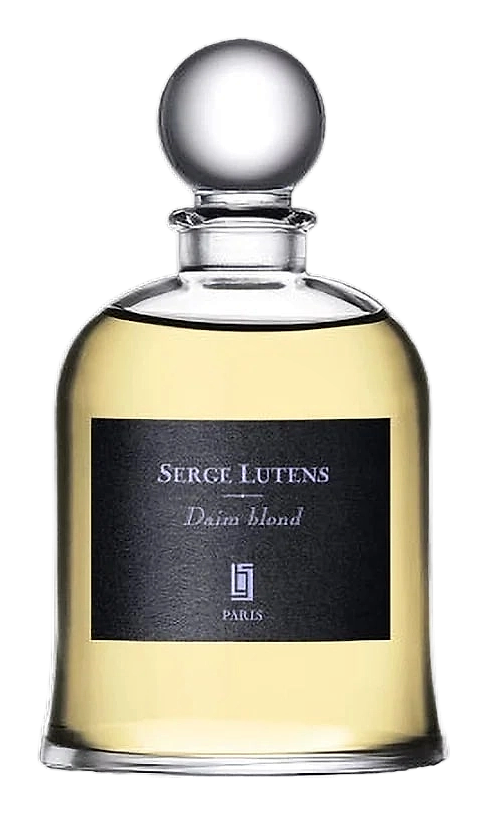
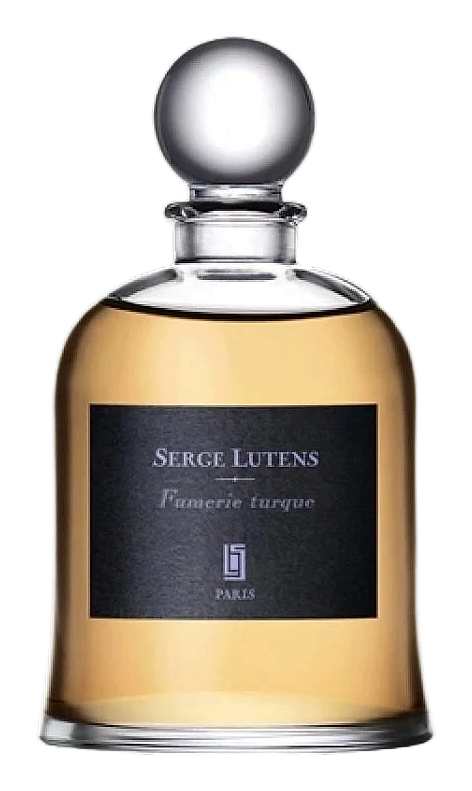
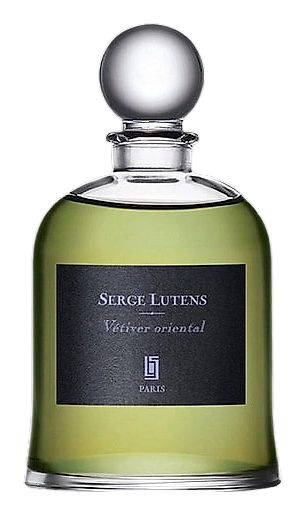
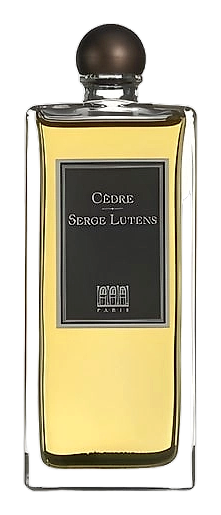
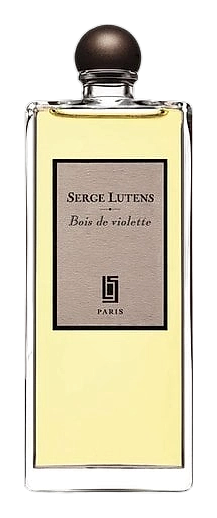
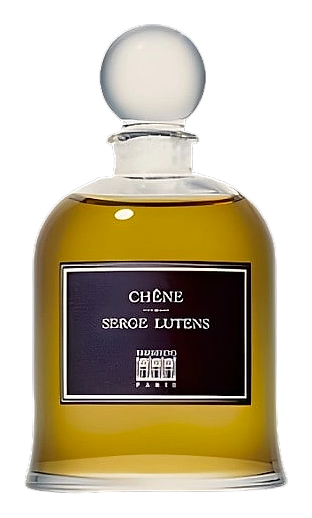
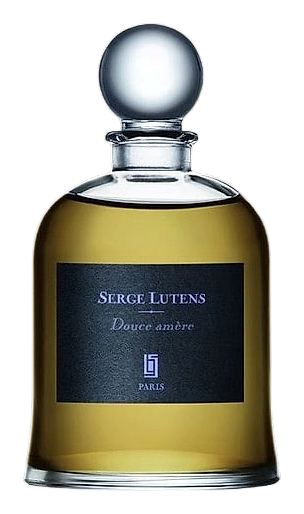
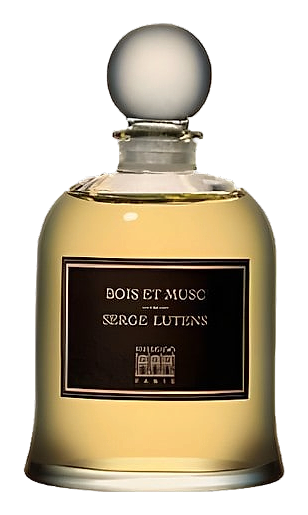
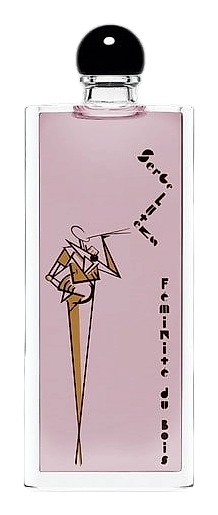
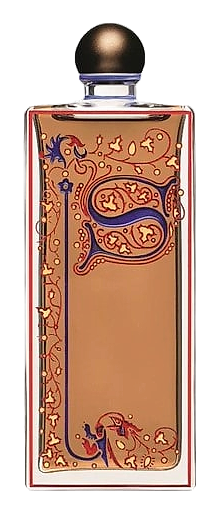
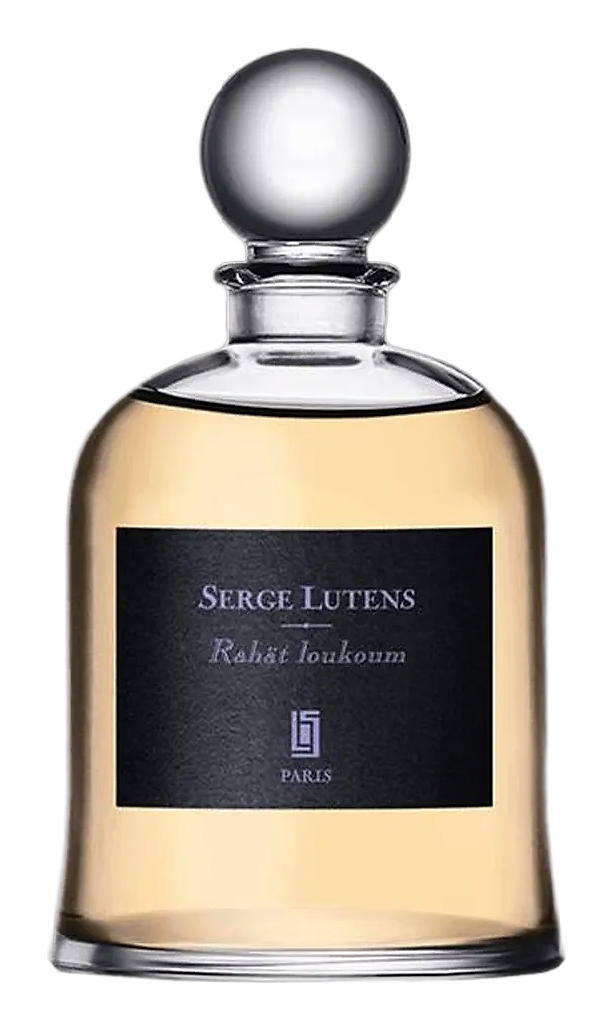
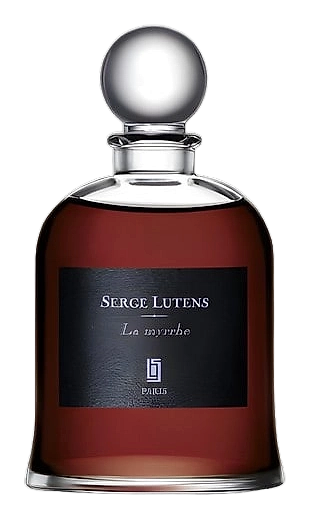
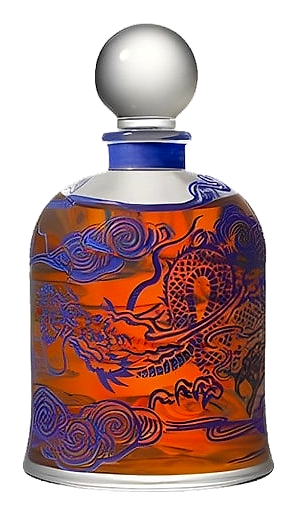
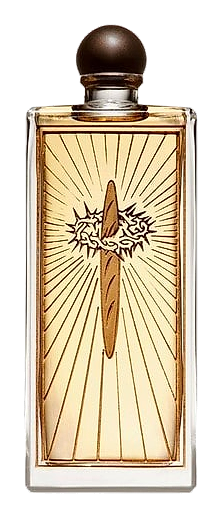
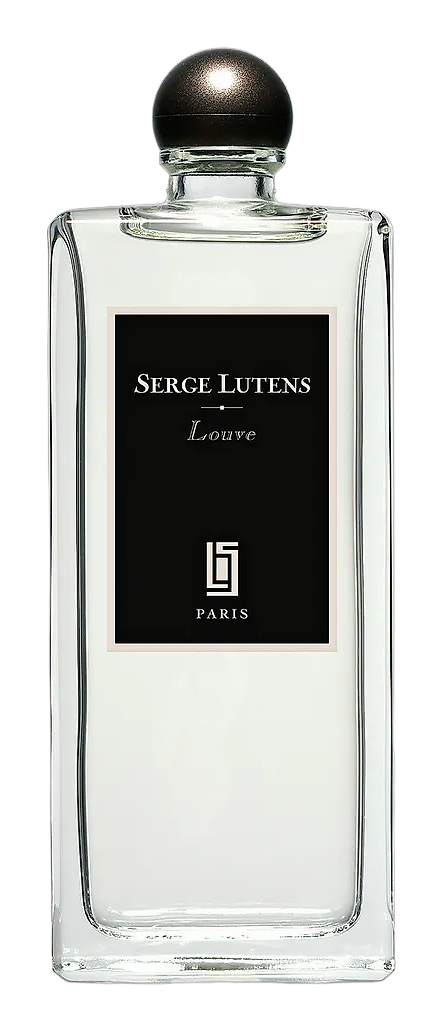
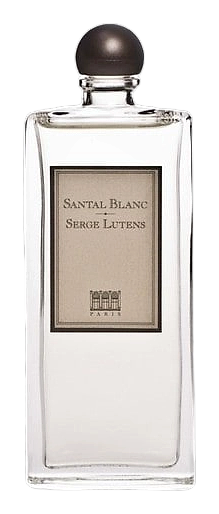
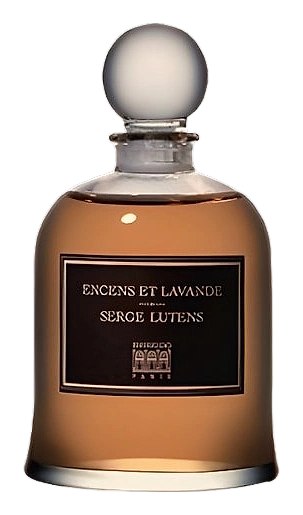
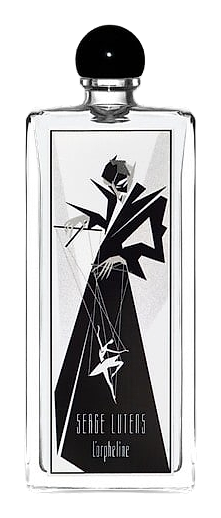
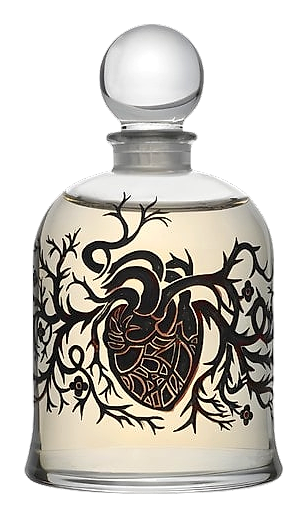
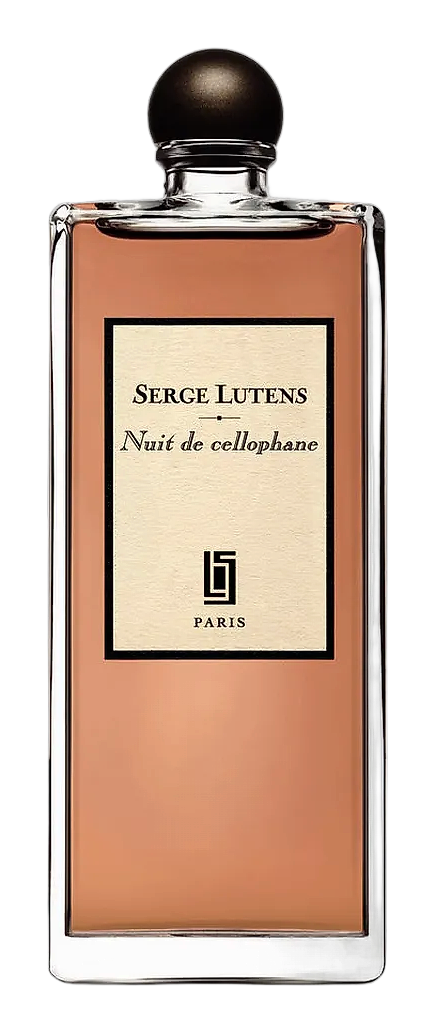
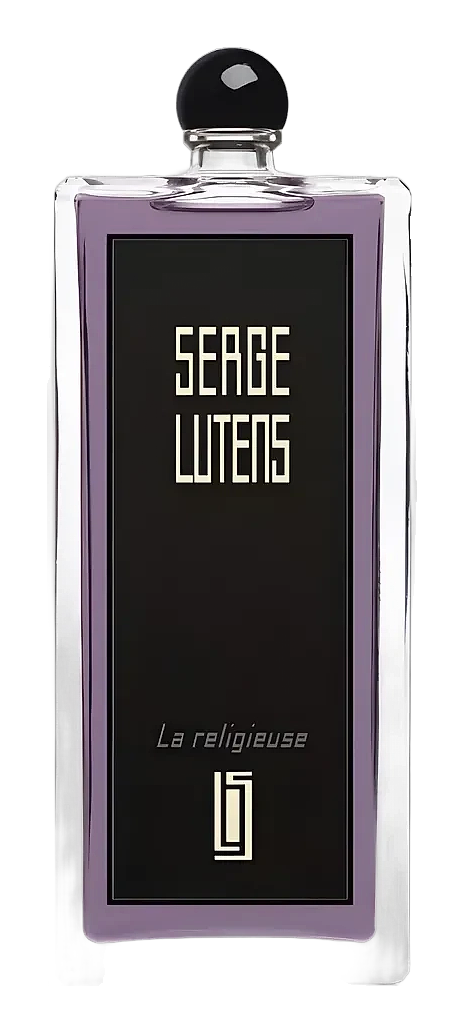
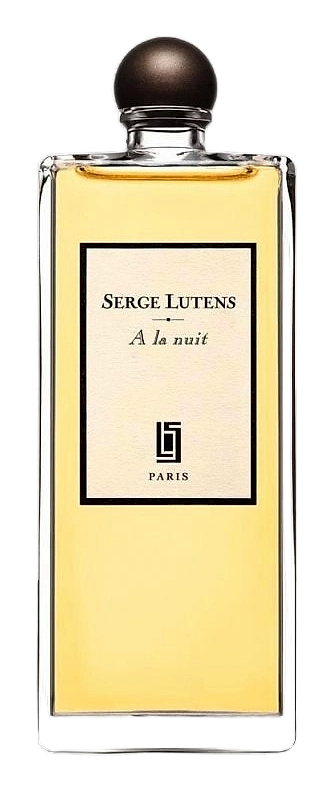
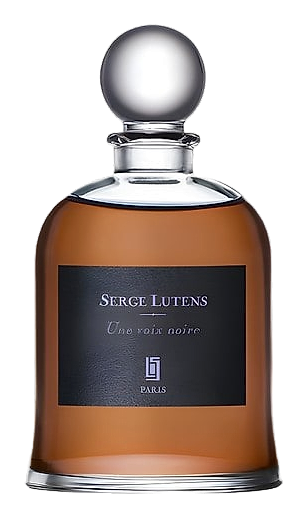
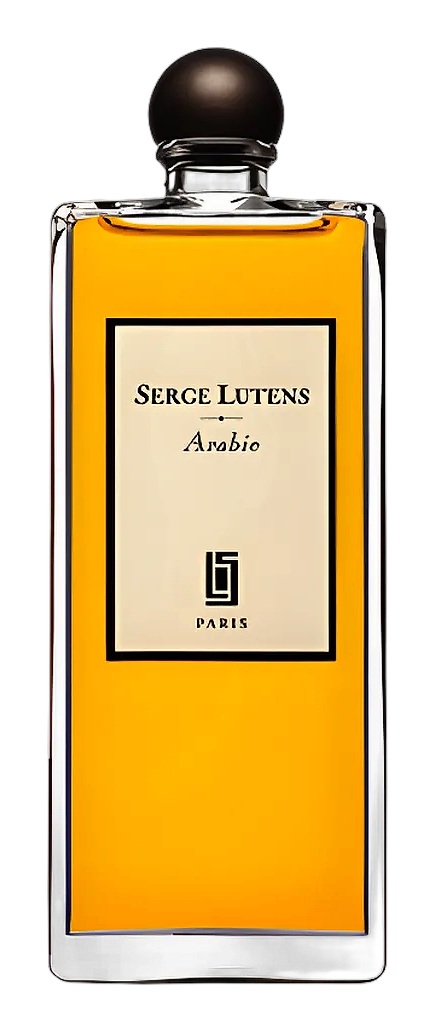
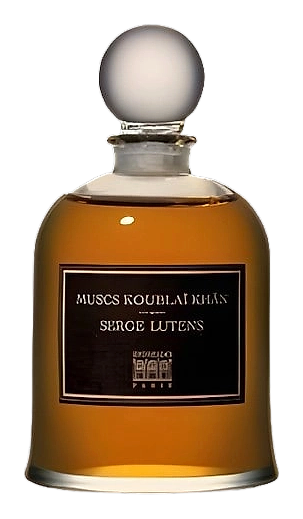
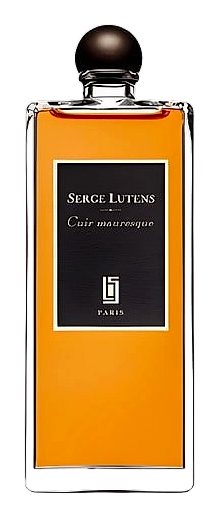
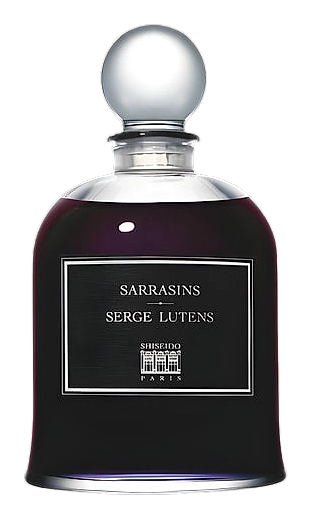
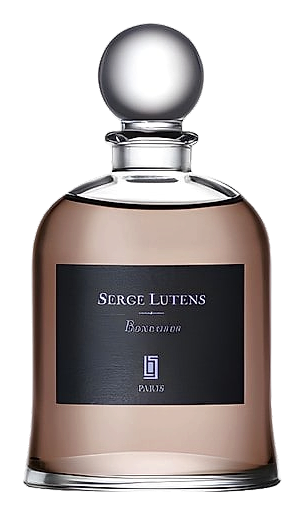
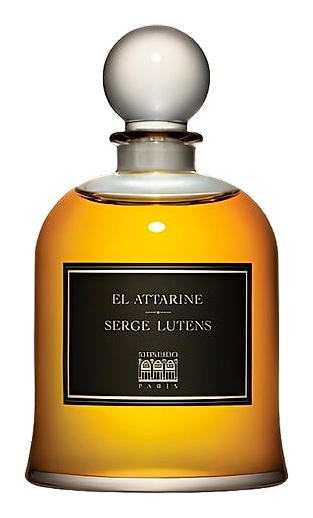
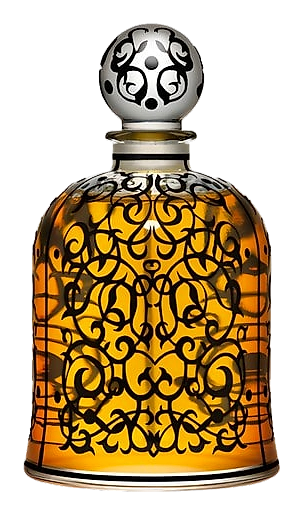
    The Serge Lutens visual world is immediately recognizable: matte black bottles, minimal typography, the Collection Noire presented in black-lacquered boxes while the Flacons de table collection uses clear glass with silver accents. Nothing competes with the fragrance itself. This minimalism extends from packaging to imagery. Campaigns feature close-up textures, hands, fabric, light rather than conventional beauty photography. The black that Lutens has worn since his youth in Lille permeates the brand identity. Even his makeup line, Nécessaire de beauté launched in 2005, maintains this disciplined aesthetic. The house presents its fragrances through poetic descriptions rather than conventional notes lists. Rather than specifying ingredients, Lutens conjures scenes and sensations. A description might evoke a specific city, a time of day, a mood. The effect is to invite the wearer into an interpretive relationship with the scent.

    Philosophy

    Lutens has never approached fragrance as a commercial exercise. He works from emotion rather than market research, creating perfumes that resist trends and invite projection. Each fragrance in his Collection Noire or Flacons de table represents a sensory memory, a feeling given form. He has described wanting perfumes that smell like the thing itself, not a stylized version of it. He rejects the idea of fragrance as decoration. Instead, his work captures atmosphere, distance, desire. Many of his compositions are challenging, even confrontational. La Fille de Berlin presents as a rose but withholds sweetness; Iris Silver Mist accumulates silvered facets over hours. Lutens writes his own descriptions, which read more like poetry than product copy. He speaks of shadows, intimacies, and inner states. For him, wearing a fragrance is an act of self-definition rather than identification with a type.

    Key Milestones

    1942

    Serge Lutens born in Lille, northern France

    1960

    Began working in a beauty salon against his original ambition to act

    1967

    Commissioned by Christian Dior to create colors, styles, and imagery for the fashion house

    1968

    Arrived in Morocco, where he developed his understanding of scent as inseparable from life and experience

    1982

    Created Nombre Noir for Shiseido, his first fragrance

    1992

    Launched his own signature fragrance collection, beginning a partnership with perfumer Christopher Sheldrake

    At a Glance

    Brand profile snapshot

    Origin

    France

    Founded

    2000

    Heritage

    26

    Years active

    Collection

    5

    Fragrances released

    Avg Rating

    4.1

    Community sentiment

    Release Rhythm

    2014
    1
    2013
    1
    2009
    1
    2001
    1
    1993
    1
    Visit Website

    Did You Know?

    Interesting Facts

    Distinctive details and defining moments that shape the house personality.

    01

    Lutens arrived in Paris at 18 carrying photographs of his makeup work and landed a Vogue collaboration within three days

    02

    He created his own makeup aesthetic before ever considering fragrance, developing his signature look of striking eyeshadow, ethereal skin, and exclusively black clothing

    03

    Morocco in 1968 was where he claimed perfume truly began for him, describing how smell united with all his other senses there

    04

    His first fragrance, Nombre Noir in 1982, arrived dressed entirely in matte and lustrous black, perfectly timed for fashion's embrace of that color

    05

    Diane Vreeland, legendary editor of American Vogue, described him simply as a revolution in makeup