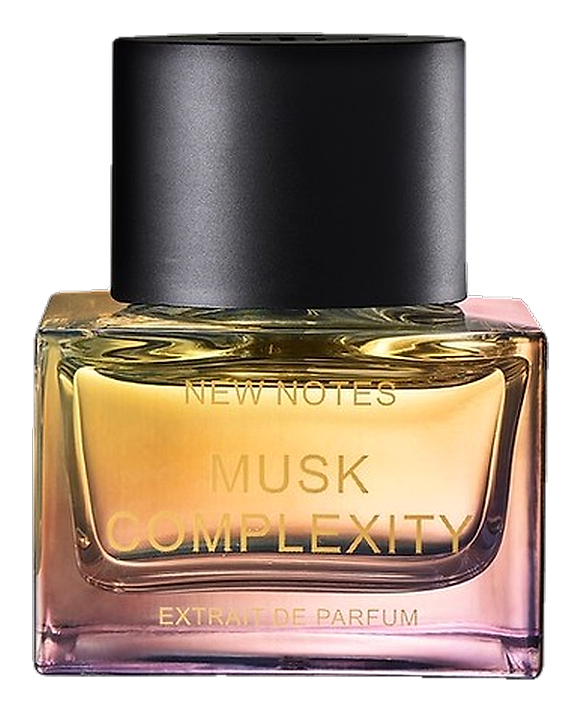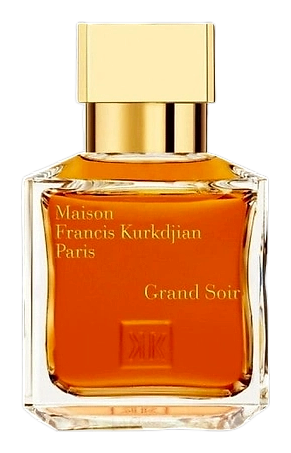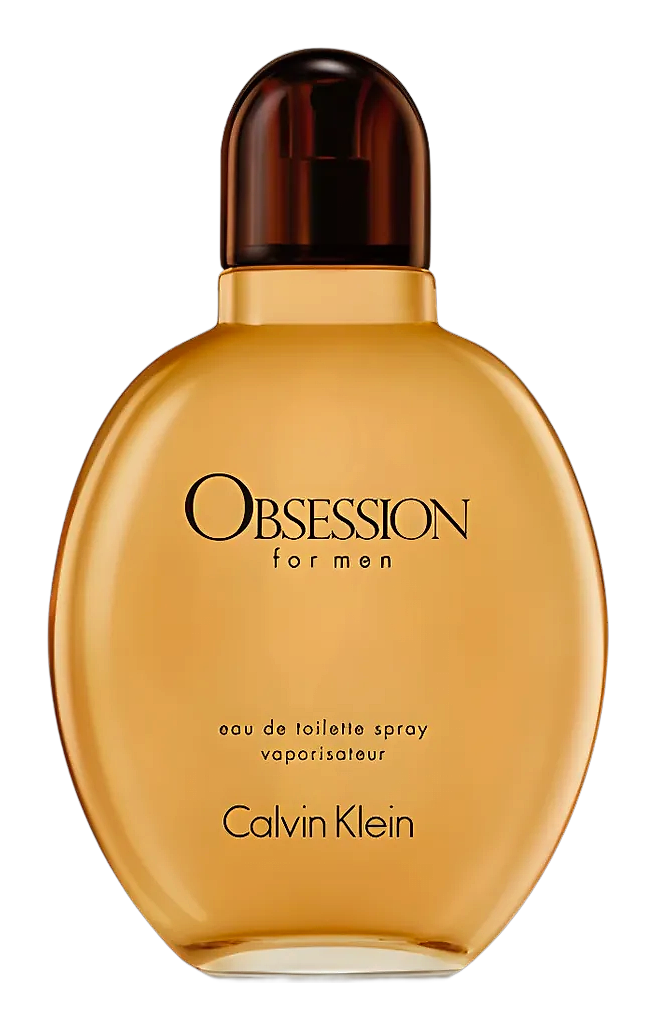

The Story
Why it exists.
The beginning
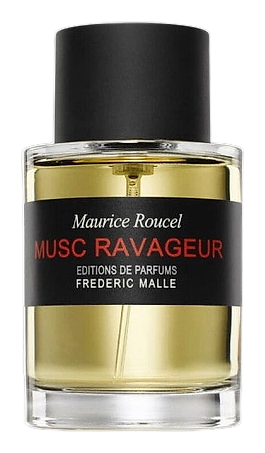
Maurice Roucel designed Musc Ravageur in 2000 as a statement about what amber can be when a perfumer refuses to compromise. For Roucel, a master of the oriental genre, the brief was simple: remove everything that softens, everything that apologizes. The result is a fragrance that doesn't ask what you want, it tells you what you're going to smell. Named with the kind of directness that signals intent, Musc Ravageur announces itself without preamble. Bergamot and mandarin provide the only concession to brightness, a brief opening that exists only to make the rest feel more inevitable.
The structure is deliberately unbalanced. Where most fragrances distribute their weight evenly across top, heart, and base, Musc Ravageur front-loads its cinnamon and lavender with unusual intensity, then lets the vanilla-Amber heart dominate for hours. The musk appears twice, once in the heart, once in the base, giving the fragrance a recursive quality that reinforces rather than evolves. Patchouli and sandalwood arrive late and stay late, keeping the warmth close to the skin rather than projecting it outward. This is not a fragrance that fills a room. It is a fragrance that fills a collar, a neck, the inside of a coat sleeve.
The evolution
The opening is immediate and slightly astringent, bergamot and mandarin cut through like cold air, with lavender arriving almost simultaneously to soften the citrus. Within five minutes, the cinnamon announces itself without ceremony. Not a whisper. Not a suggestion. The vanilla-Amber heart begins its takeover around the twenty-minute mark, and from there the fragrance becomes something warmer and more intimate. The drydown is where it earns its name. Musk and patchouli settle into the skin rather than the air, creating a scent that reads as warm skin rather than applied fragrance. On most skin types, this lingers well into the following day, a quiet, animalic presence that refuses to fully disappear.
Cultural impact
Musc Ravageur won the Fragrance Hall of Fame prize from the Fragrance Foundation in 2020, two decades after its launch. That it took twenty years to receive the industry's highest recognition says something about how this fragrance operates: it doesn't announce itself to the room. It announces itself to the person standing close enough to ask.
The House
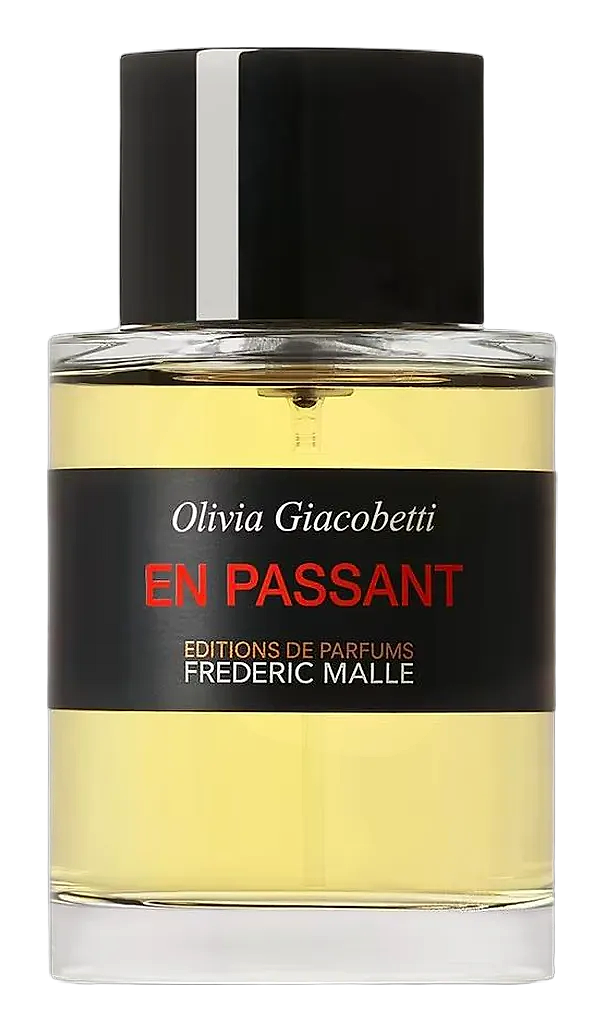
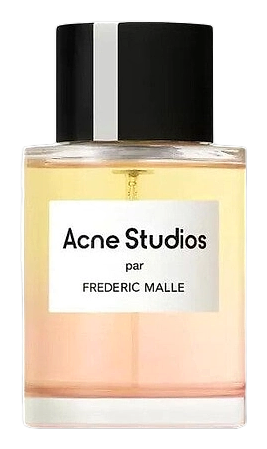
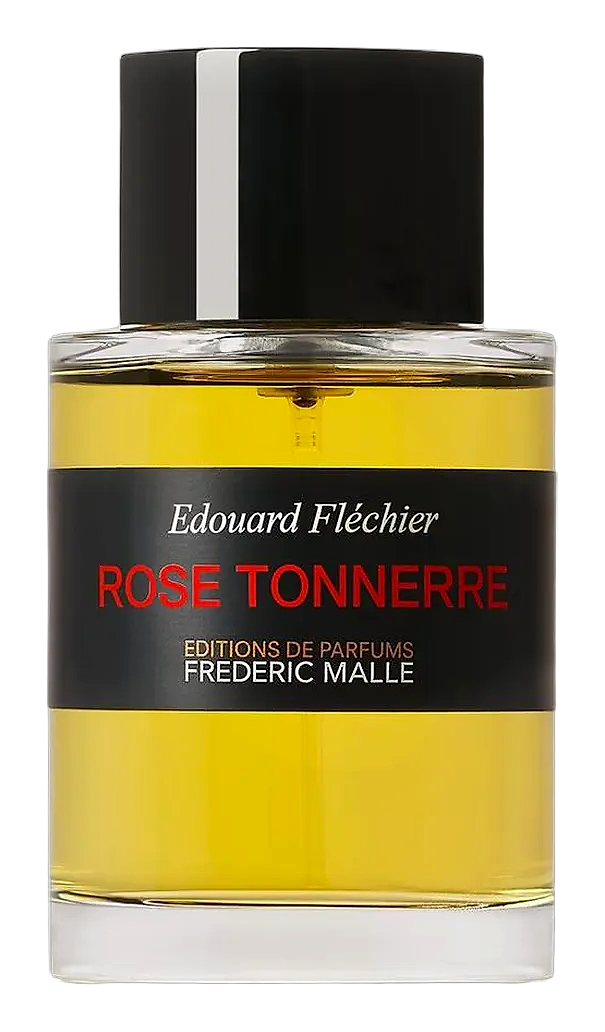
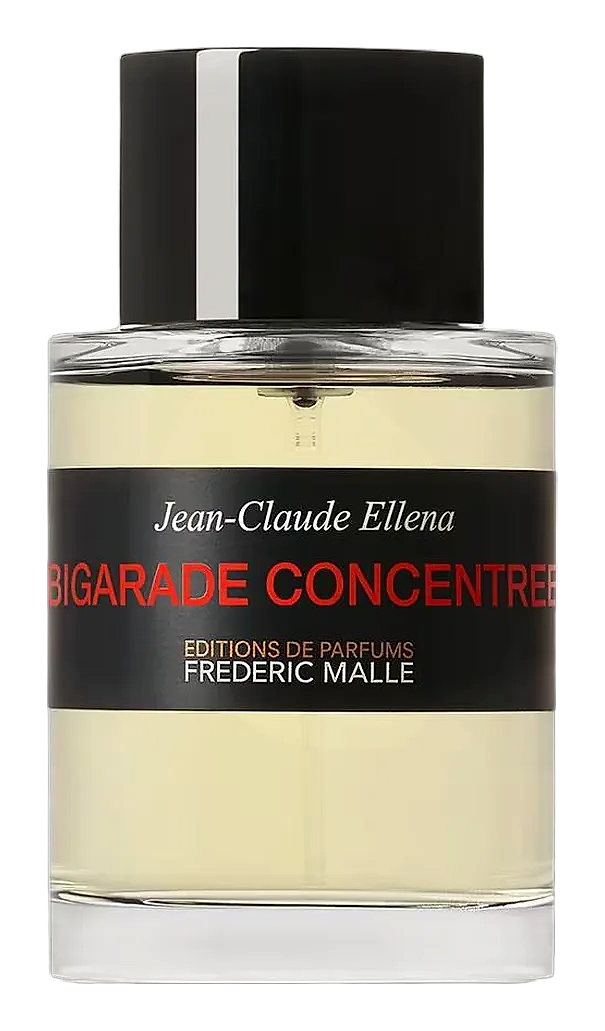
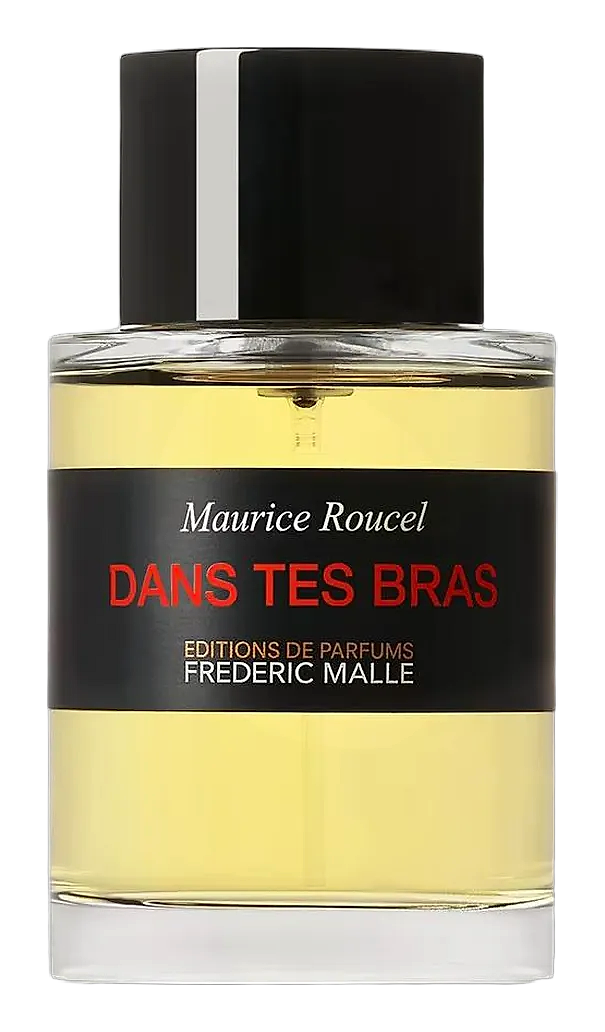
Frederic MalleEditions de Parfums Frédéric Malle is a Paris-based fragrance house founded in 2000 by the man the industry calls the 'editeur de parfums.' Malle reversed the industry's hierarchy entirely. Instead of marketing departments steering perfumers toward safe, focus-grouped formulas, he gave the world's greatest nose talents total creative freedom: no budgets, no deadlines, no constraints. In return, he asked only that they sign their work. The results are radical, emotionally complex perfumes that refuse to be safe. The house operates like a literary press, except the medium is scent.
The Creator
Maurice RoucelRoucel's style is often described as opulent and sensual. He has a penchant for white flowers, particularly tuberose, which he often uses in rich, heady compositions.