


Heritage
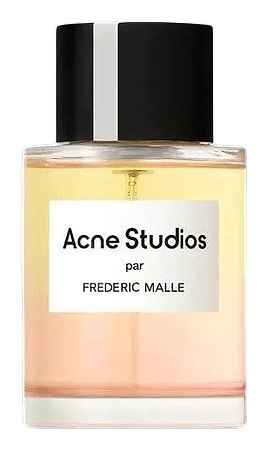
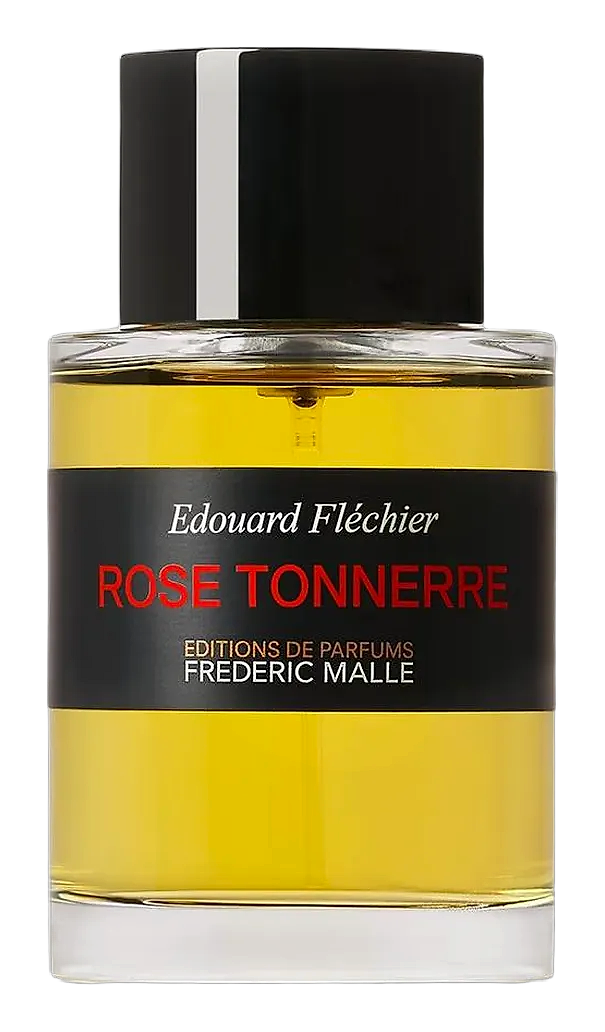
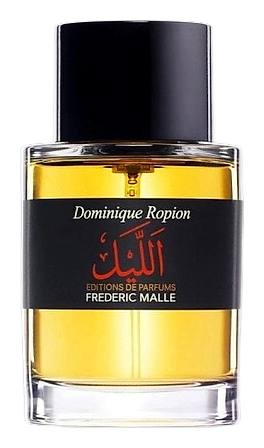
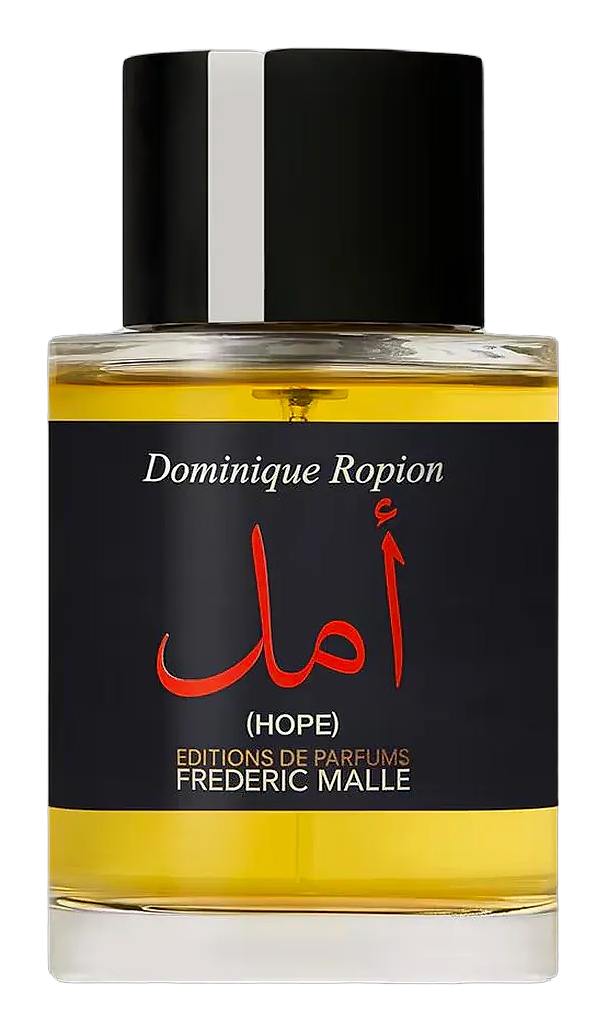
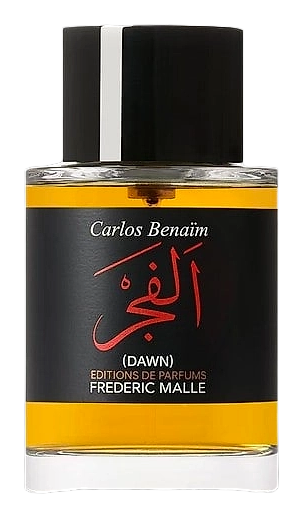
A house, in its own words
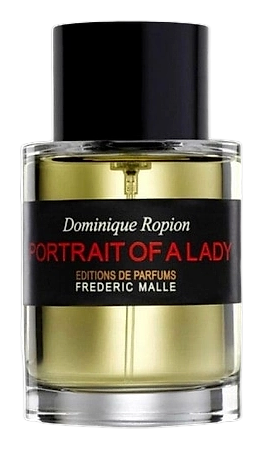
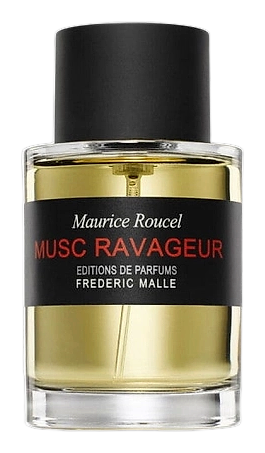
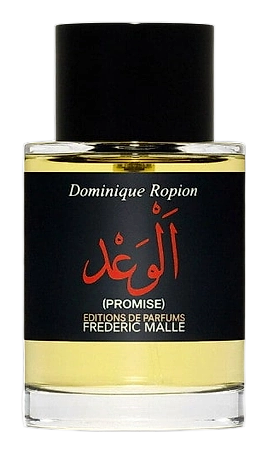
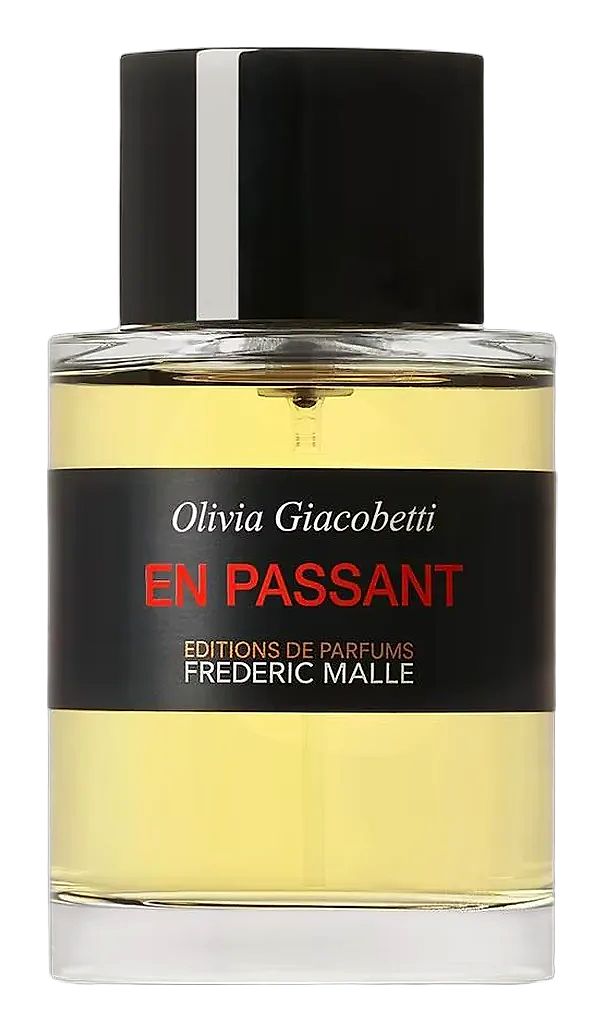
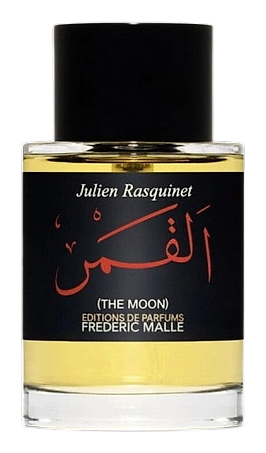
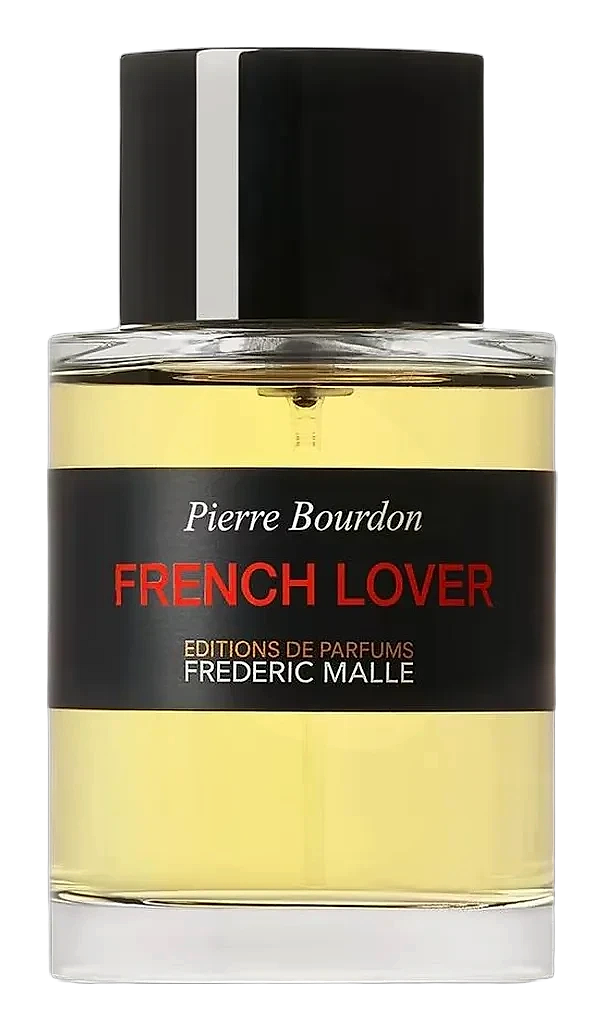
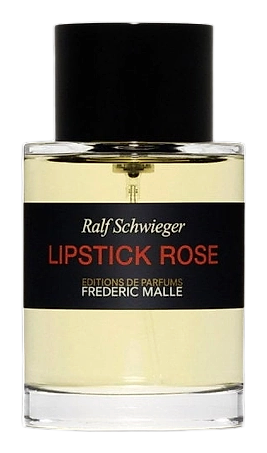
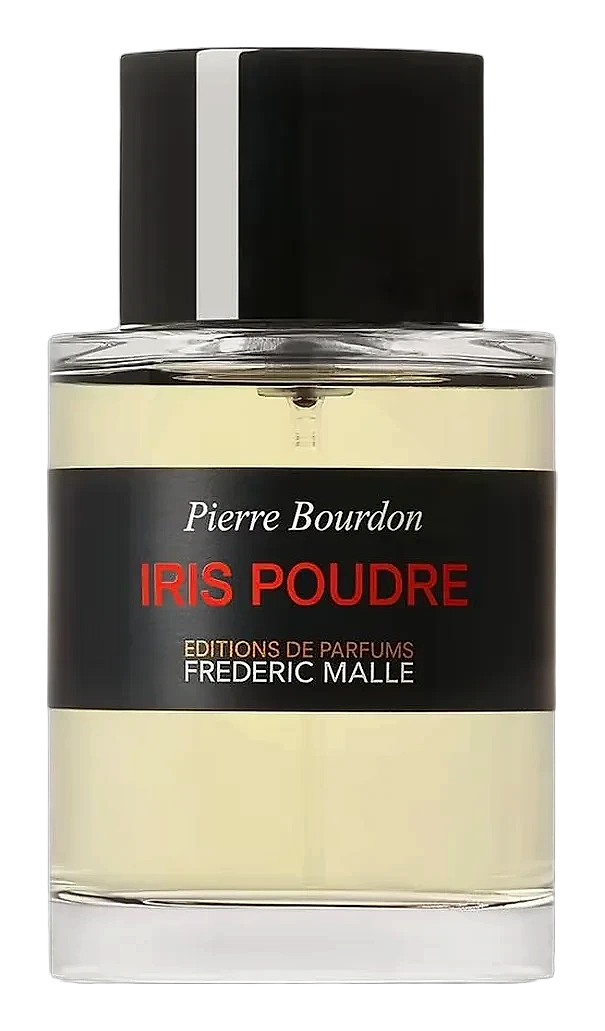
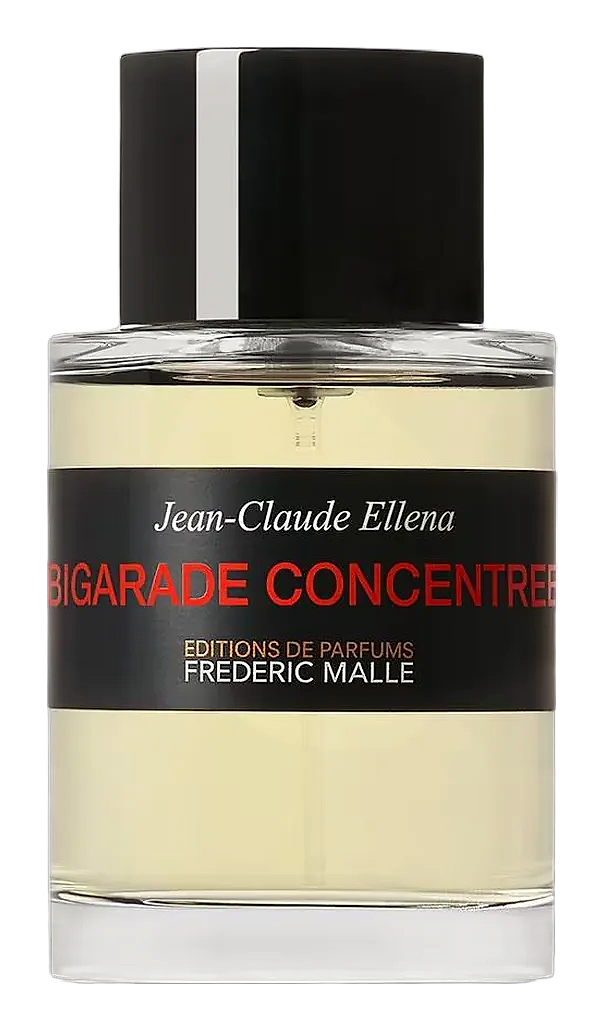
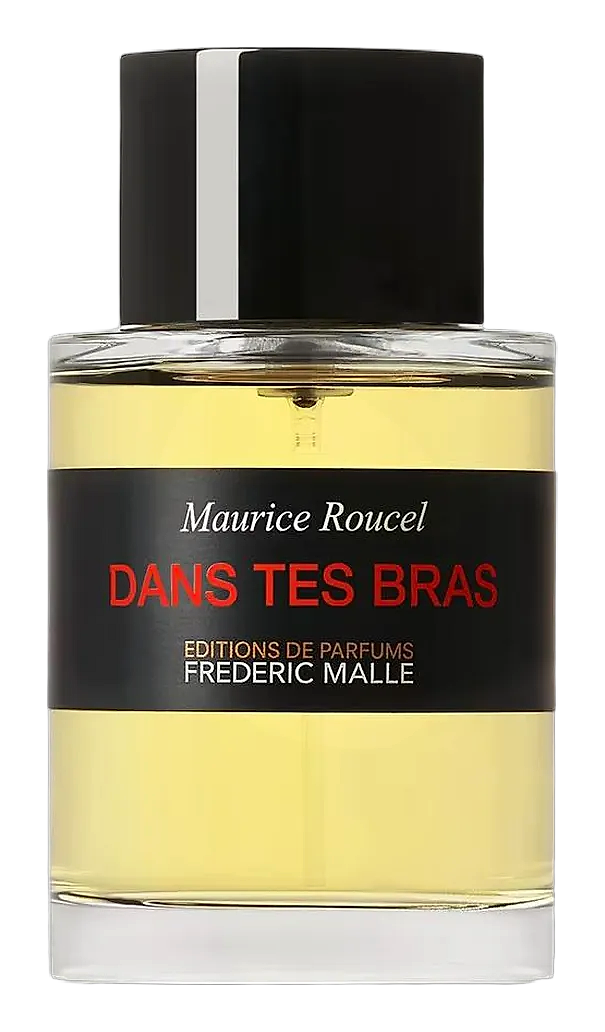
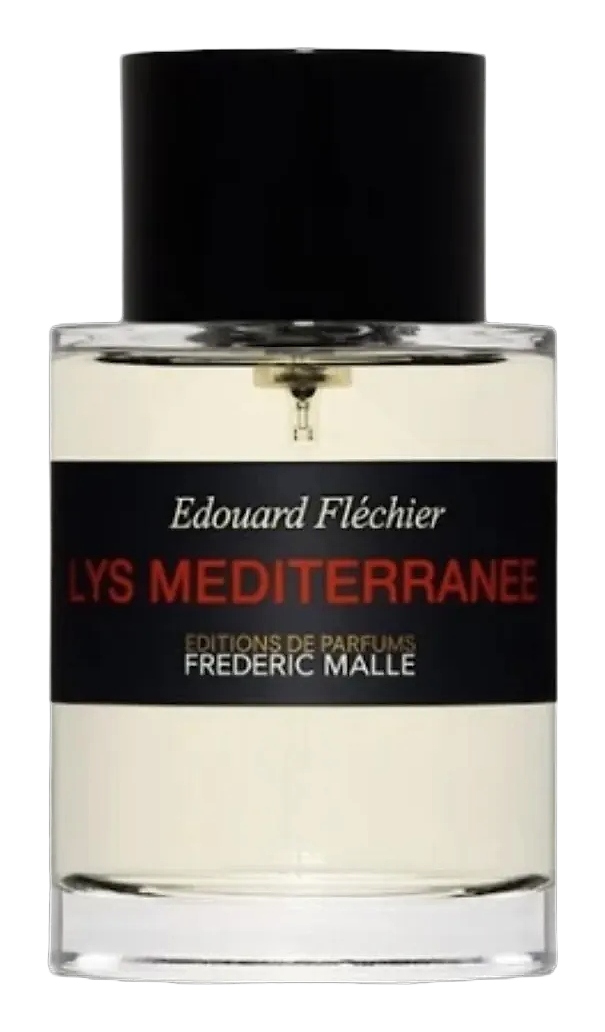
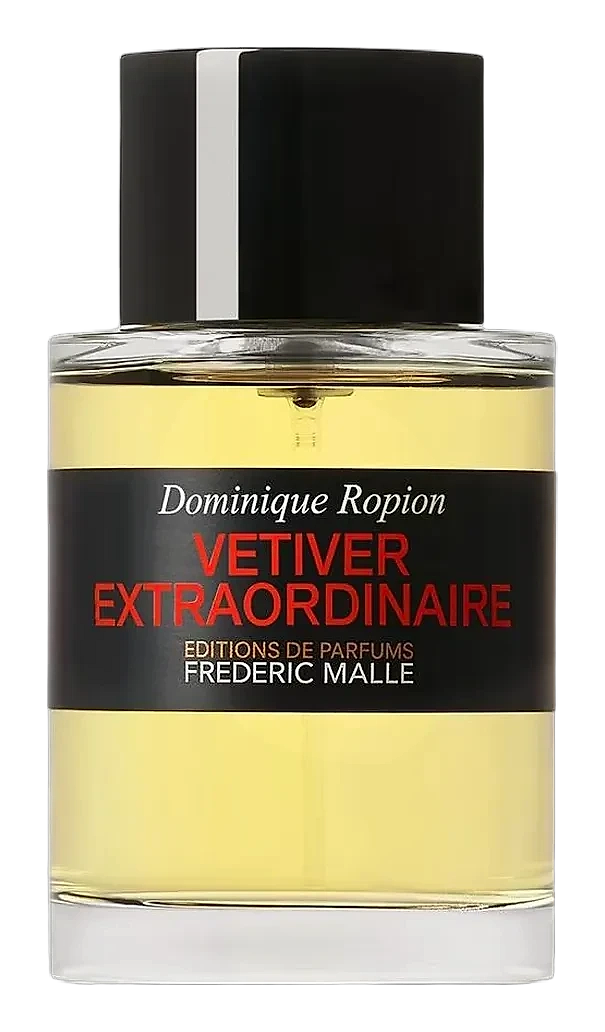
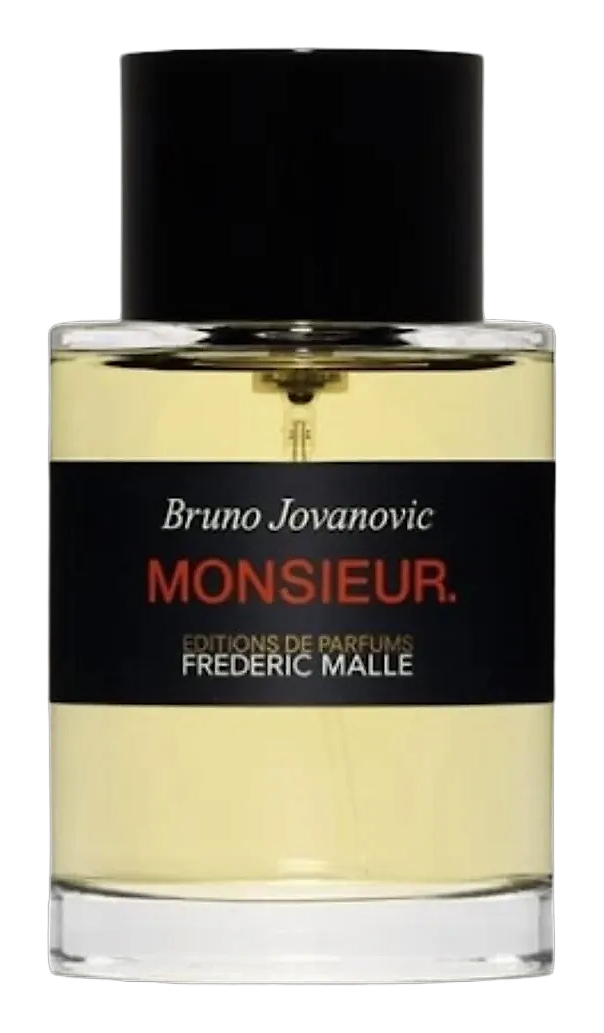
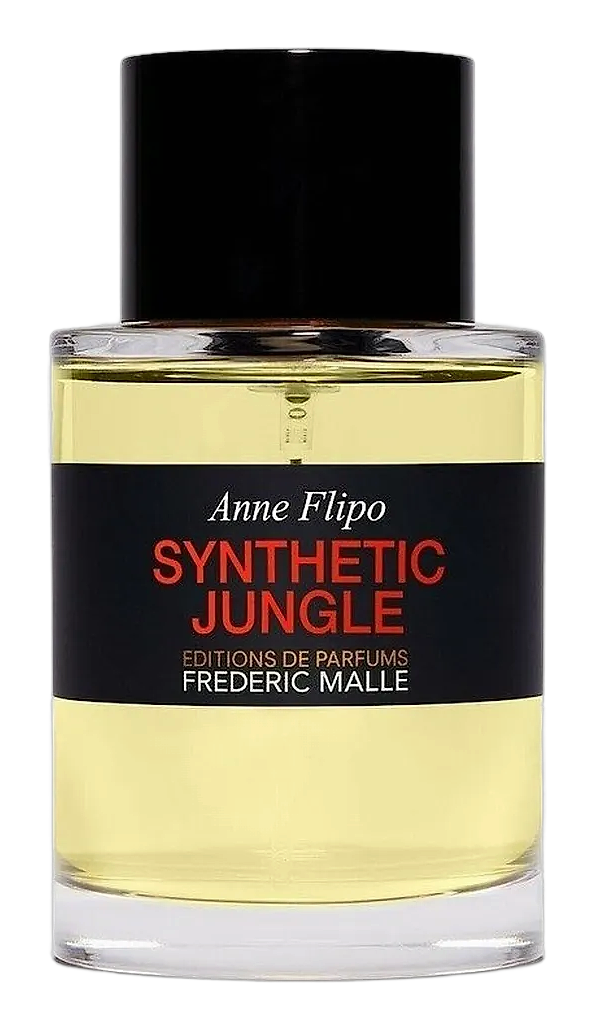
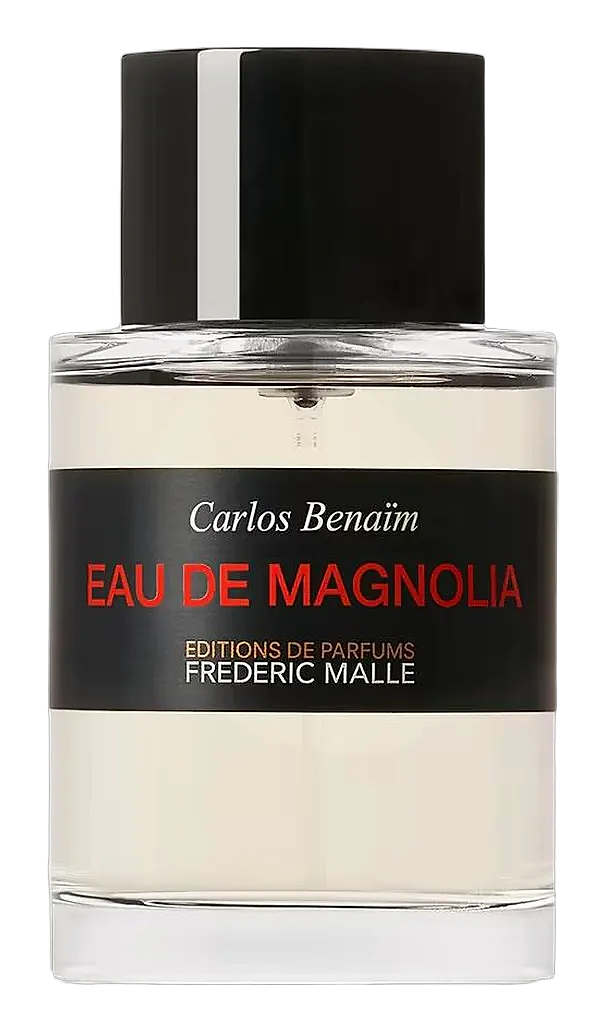
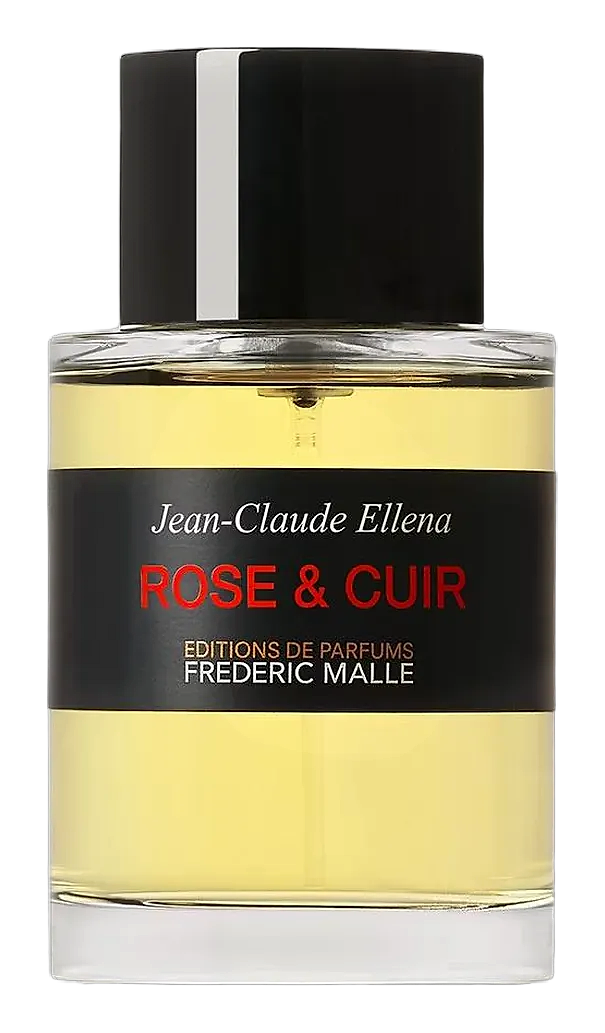
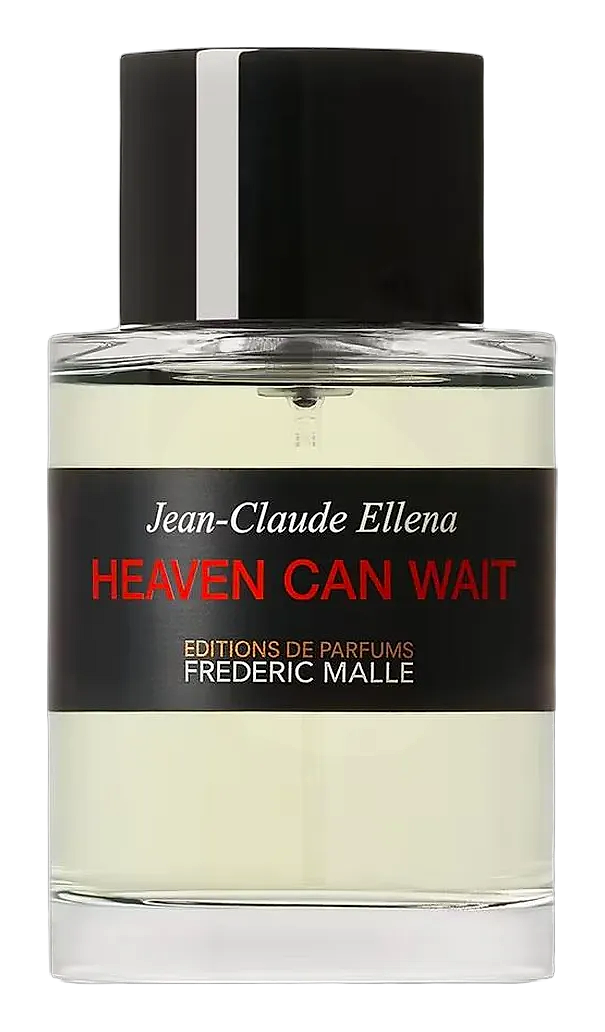
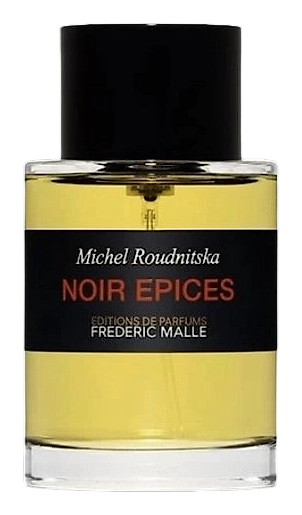
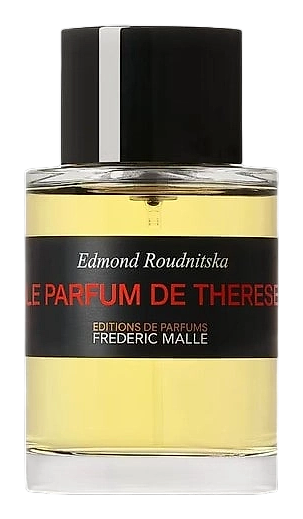
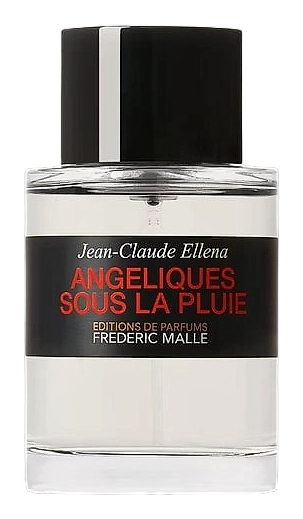
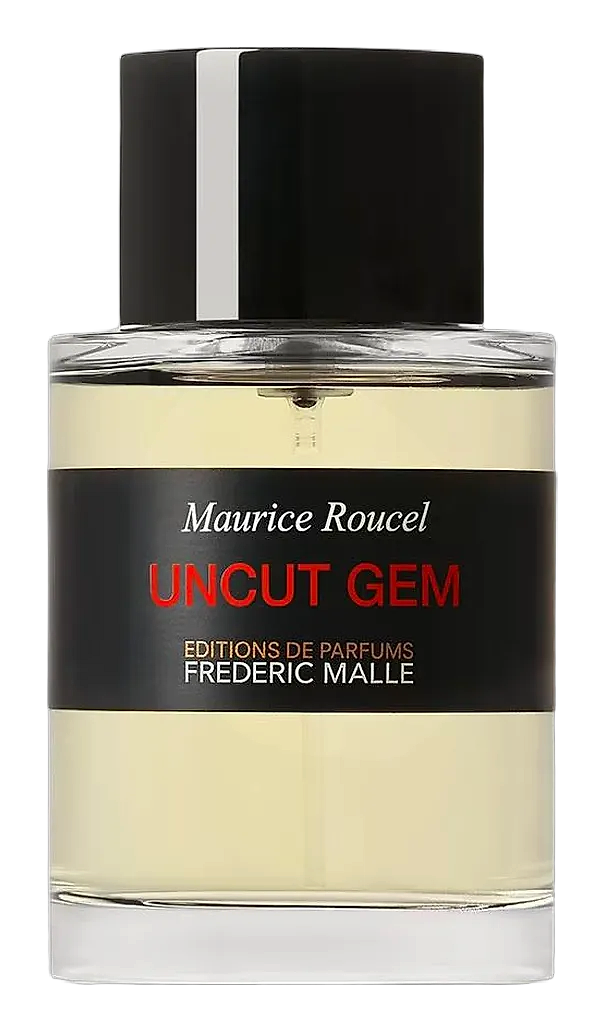
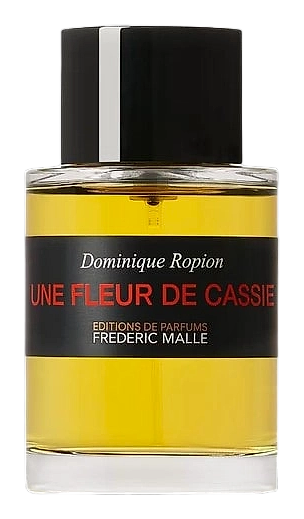
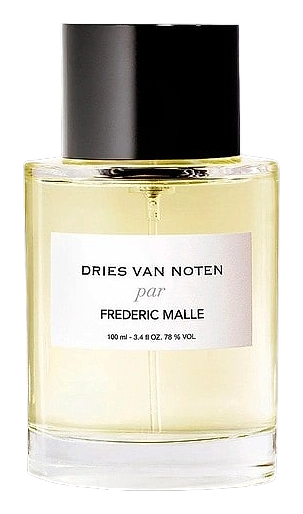
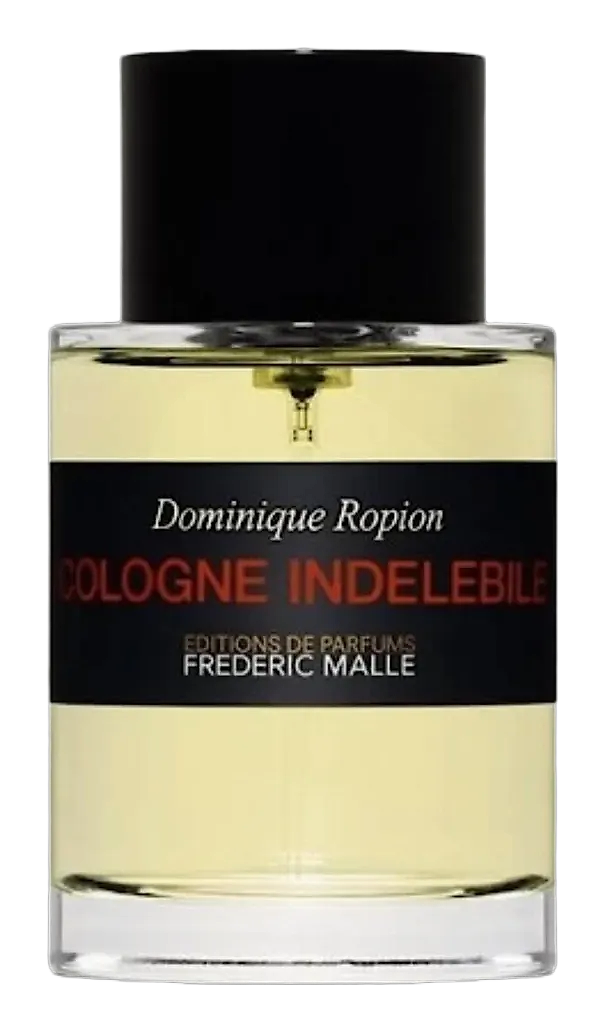
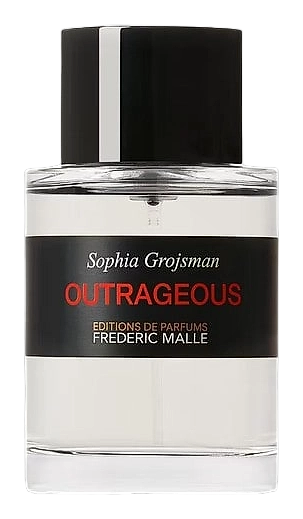
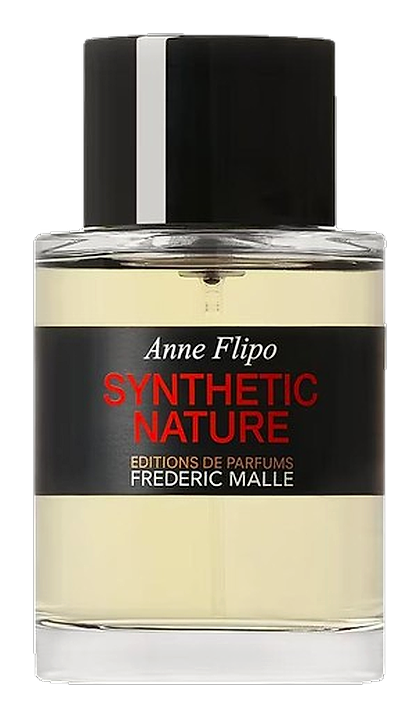
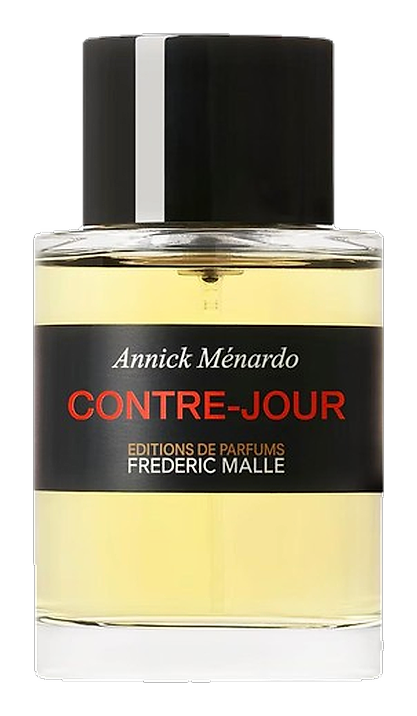
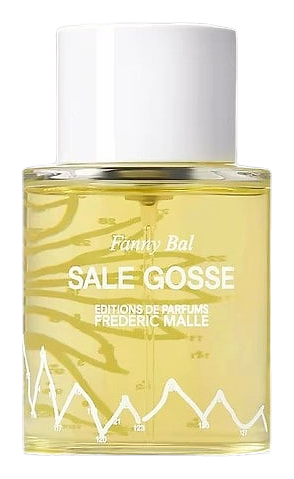
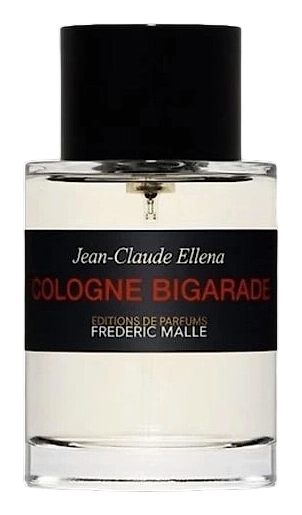
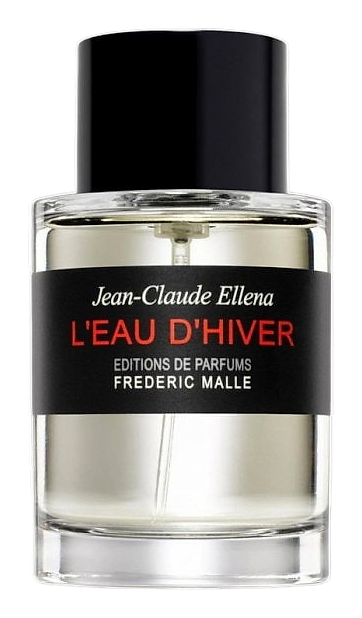
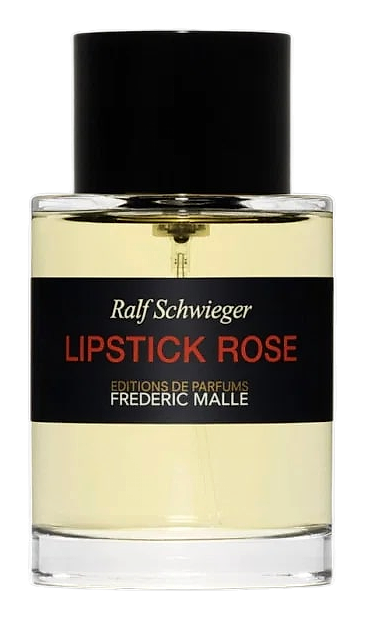
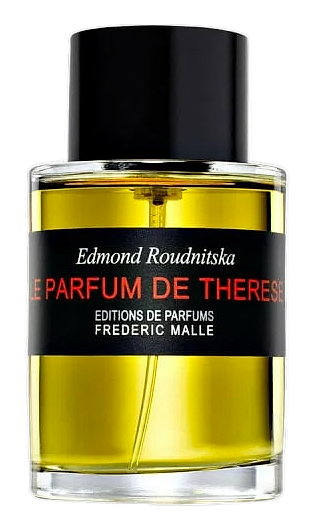
Frédéric Malle grew up inside the Dior perfume division, where his grandfather Serge Heftler-Louiche directed the furs division and later ran Dior perfumes, and his mother worked in the company's fragrance laboratory. Childhood smelled of Guerlain and Dior. He later spent fifteen years working at Roure, the fine fragrance company, collaborating with perfumers like Edmond Roudnitska, Dominique Ropion, and Jean-Claude Ellena. Those years gave him an insider's view of how commercial constraints diluted the final product, and how the people actually composing the juices were treated as interchangeable technicians. In 2000, Malle launched Editions de Parfums Frédéric Malle with a concept borrowed from haute couture and book publishing. He would act as editor, inviting chosen perfumers to create without restriction, then presenting their work under their own names. The early years read like a roll call of contemporary perfumery: Maurice Roucel signed Musc Ravageur (2000), Ralf Schwieger composed Cologne Bigarade later reissued as Bigarade Concentrée (2002), Edmond Roudnitska's widow Nicole contributed L'Eau d'Hiver (2003), and Dominique Ropion eventually delivered Carnal Flower (2005). Each launch confirmed the model's viability: bold, sometimes challenging compositions that retained cult followings rather than mass appeal. Two decades on, the house has grown into a global operation with boutiques on Madison Avenue, Avenue Montaigne, and in Tokyo. A second-generation leadership team now guides the company. Malle himself remains its public voice, and his role as publisher is still printed on every box. Total creative freedom sounds like marketing until you visit the house and read the back of a box. There, a perfumer's name sits where a brand logo usually does. That reversal is the point. Malle positions himself as editor, not auteur. He chooses whom to commission, briefs loosely, and steps back. The perfumer decides the formula, the name, and the dosage. Malle has described this arrangement as restoring authorship to a craft that had lost it. What results is a collection without a fixed house signature. One bottle smells of ripe peach and lilac. Another of animalic musk and amber. A third conjures chalky iris and cold lipstick. The unifying thread is not a recipe but a standard: concentration runs high, materials are chosen for quality over cost, and each composition must hold its shape for at least ten hours on skin. The brand has been called a publishing house for perfume, a description Malle himself prefers. The house also rejects the idea that fragrance should be sold like soap. Bottles are positioned alongside books and art prints. Retail spaces are designed to feel like private apartments crossed with laboratories, places where a customer can sit with a strip for as long as they need to decide. Education, not persuasion, drives the conversation.
