The Story
Why it exists.
The beginning
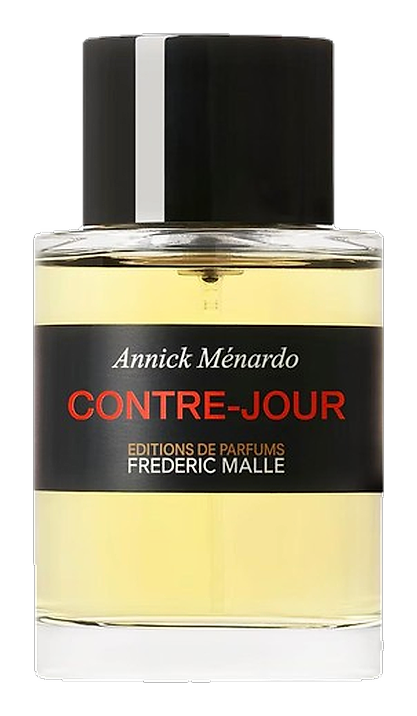
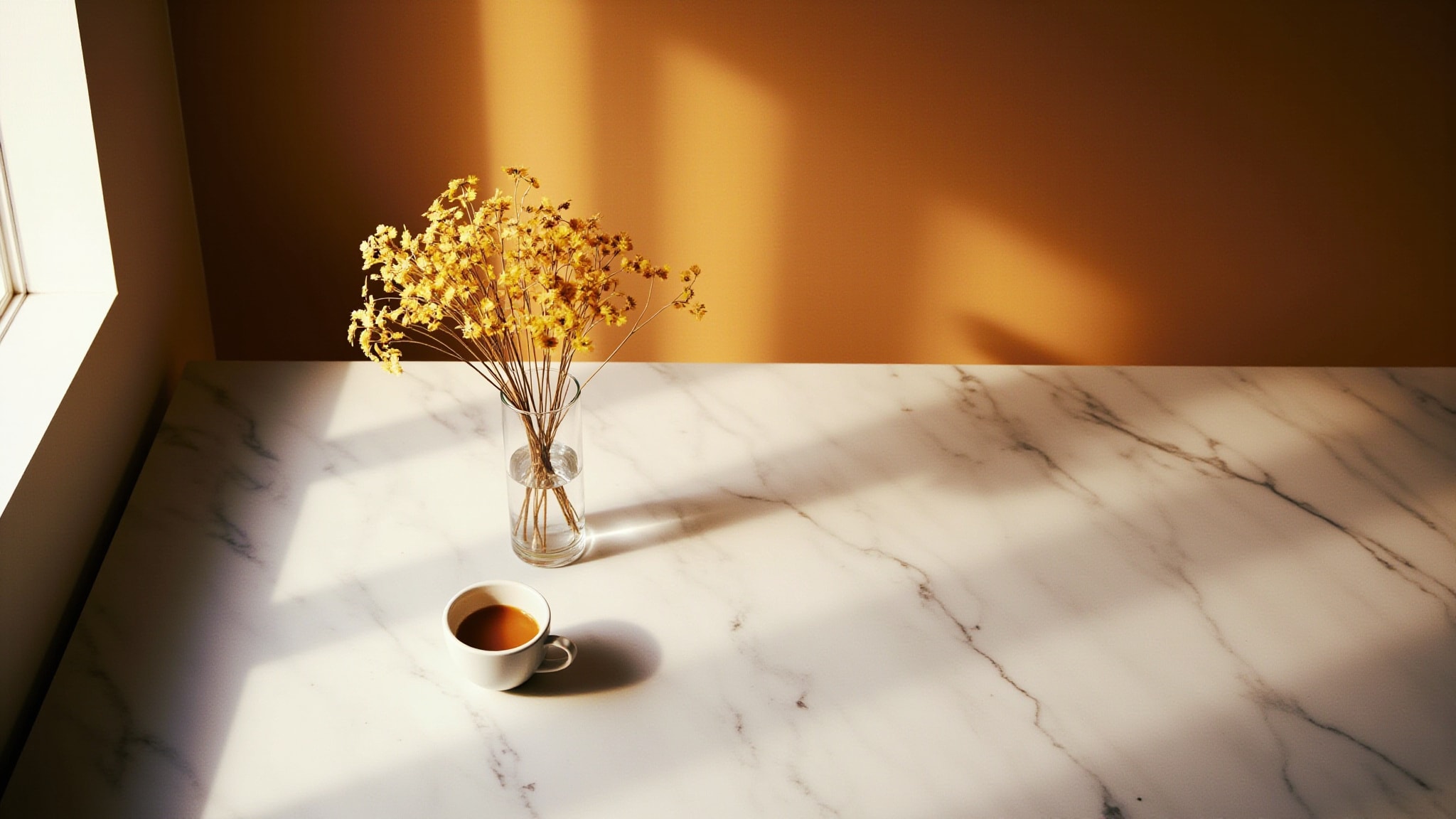
Annick Ménardo built Contre-Jour around a single provocative idea: what if the light source itself became the subject? In photography, contre-jour means shooting against the light, a technique that turns ordinary scenes into something stark and dramatic, silhouettes and halos instead of clean details. Ménardo translated that visual concept into smell. Immortelle, the Mediterranean flower that never truly dies, became her radiant, slightly untamed light source. Rose absolute and sandalwood came later, the shadows that make the brightness worth looking at.
The three-note structure isn't minimalism for its own sake. It's a deliberate choice to let immortelle dominate without interference. Rose absolute adds warmth and spice, the kind that tingles rather than sweetens. Narcissus brings a green, slightly narcotic depth that anchors the yellow brightness before sandalwood arrives to smooth everything into a long, creamy finish. Each material does exactly one job. Together they create something that reads as more complex than it actually is, a fragrance that earns its 8-10 hour longevity not through ingredient stacking but through materials that simply last.
The evolution
The opening announces itself immediately. Immortelle's herbal, almost curry-like brightness fills the space around you, warm, radiant, slightly feral. Within 30 minutes, the rose absolute pushes through, adding a spicy warmth that tempers the yellow glow without diminishing it. The narcissus adds depth, a green undertone that keeps things grounded. By hour two, sandalwood takes over, shifting the composition from bright to smooth, warm wood replacing the initial intensity. The drydown lasts for hours after that, close to the skin, intimate, the kind of warmth that someone notices only when they get close enough to matter.
Cultural impact
Contre-Jour occupies an interesting space in contemporary niche perfumery: bold enough to polarize, refined enough to wear anywhere. The sparse three-material structure challenges the expectation that complex fragrances require complex pyramids. Wearers who appreciate this approach tend to describe it as the scent of someone who doesn't need a crowd to feel complete.