
The Story
Why it exists.
The beginning
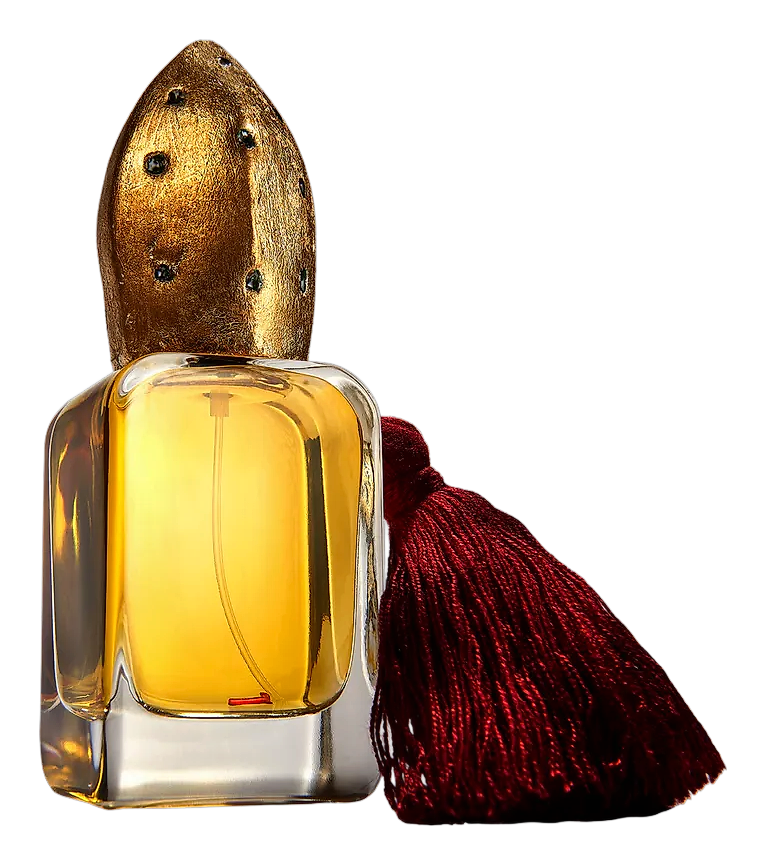
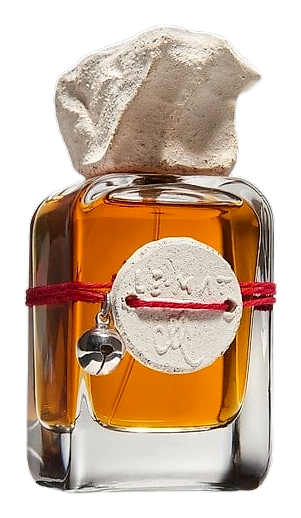
Le Mat arrived in 2014 as part of the Talismans Collection, Mendittorosa's line of fragrance anchors, each named after an archetype or concept. The name itself borrows from tarot: Le Mat is the Fool, embodying fearlessness and the willingness to take a path without knowing where it leads. Perfumer Anne-Sophie Behaghel built the composition around that idea, a fragrance that opens without apology and commits fully to its direction.
The pairing of May rose and Indonesian patchouli could have been a familiar story, but Behaghel anchored it with an unexpected structure. Geranium threads through the heart as a foil, keeping the floral honest rather than gauzy. The rose opens with a crisp, almost metallic edge before softening into something deeper and more layered. Spanish immortelle in the base adds a resinous waxy quality that gives the drydown real substance and depth. The patchouli root note grounds everything with earth and a hint of the dark licorice character that makes this ingredient so distinctive.
The evolution
The opening is all spice: clove and black pepper arrive sharp and warm, almost gritty against the skin. Nutmeg lingers just beneath, adding a dusty warmth that reads almost as medicinal at first. Then the geranium takes over, green and almost bitter, pushing the May rose into a sharper register than expected. The rose here isn't romantic; it's botanical. The heart lives in that tension: warm spice below, green floral above. As the top notes recede, Spanish immortelle brings a waxy, honeyed quality that begins to anchor the composition. Cashmere Wood adds a soft creaminess that smooths the transition. The Indonesian patchouli grounds everything with earth and a hint of the dark licorice note that makes this ingredient so distinctive. The drydown settles into something intimate and close, a warm residue that smells of resin and skin rather than perfume.
Cultural impact
Luca Turin awarded Le Mat five stars in his fragrance guide, a rare endorsement from one of perfumery's most rigorous critics. The Turin endorsement carries weight precisely because it comes from someone who has built his reputation on exacting standards rather than industry relationships. For a house producing in limited quantities, the recognition marks a moment when critical authority and independent production align. The five-star designation signals that quality here isn't measured in marketing budgets but in the work itself, in the composition that drew Turin's attention in the first place.