






Heritage
A house, in its own words
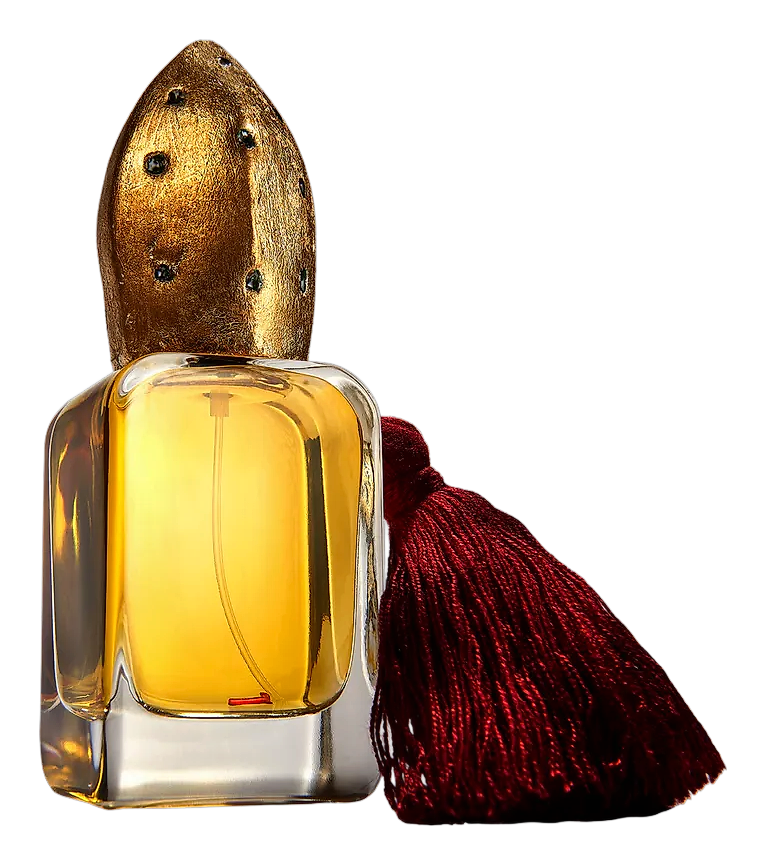
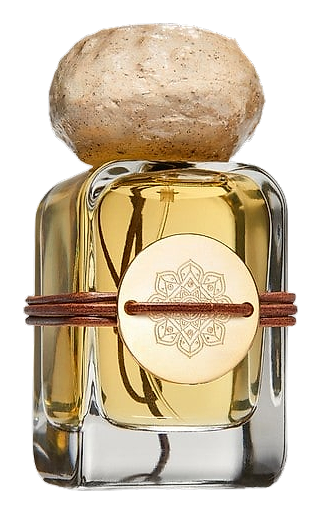
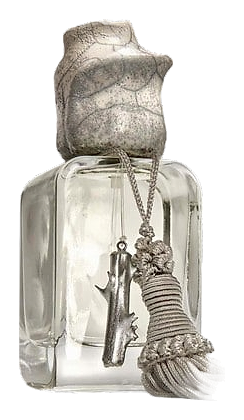
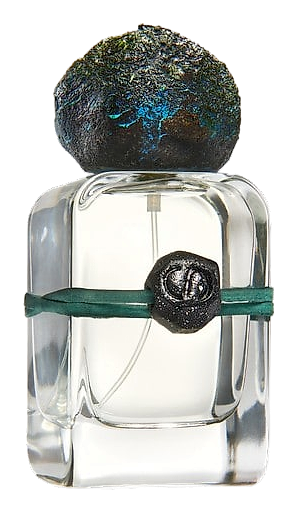
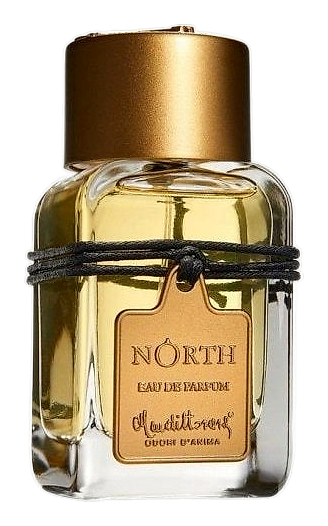
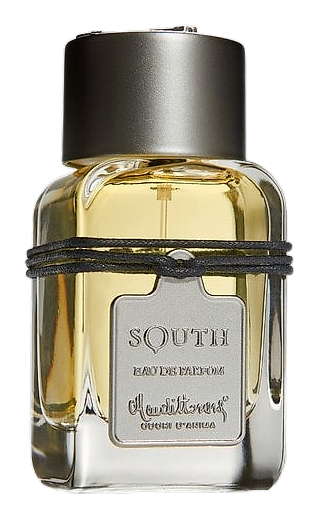
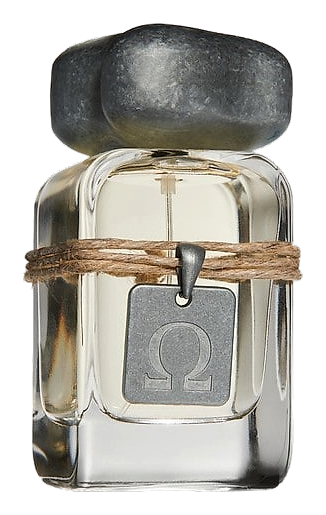
Stefania Squeglia founded Mendittorosa in 2012 after years of studying both fine art and traditional Italian perfumery. Based in the historic quarter of Naples, she named the house after a personal secret that she has chosen not to disclose publicly, a gesture that underscores the brand’s emphasis on mystery and personal interpretation. Early on, the house launched the Odori d'Anima Collection, a series of scents named after the Italian word for "souls' aromas," each intended to evoke a specific emotional state. In 2014, the house introduced Le Mat, a fragrance that quickly attracted attention for its balanced blend of oriental spices and citrus. Subsequent releases such as Sirio (2018) and Mauna (2024) continued the trajectory of storytelling through scent, each accompanied by a small‑batch production run that rarely exceeds a few hundred bottles. A notable milestone occurred in 2017 when Mendittorosa was invited by the Archaeological National Museum of Naples and artist Michele Iodice to scent the main exhibition hall of Aphrodisia, turning a cultural space into an immersive olfactory experience. Over the years, the brand has maintained a steady output of new releases—Nettuno (2016), Amygdala (2022), Talento (2019), and others—while preserving its core philosophy of handcrafted, emotionally resonant perfume. Though the house remains small, its reputation has spread through word of mouth among collectors, specialty boutiques, and dedicated fragrance blogs, establishing Mendittorosa as a quietly influential player in Italy’s niche perfume scene. Mendittorosa treats perfume as a form of artistic expression rather than a commodity. The house believes that scent can act as a bridge between memory and imagination, a concept that guides every creative decision. Each fragrance is built around a symbolic theme—such as a mythic sea voyage or a fleeting sunrise—and is designed to be gender‑neutral, allowing the wearer to define the narrative personally. The brand values transparency in sourcing, favoring ingredients that can be traced to specific regions, whether it is Calabrian bergamot, Sicilian citrus, or sustainably harvested ambergris substitutes. Sustainability is approached pragmatically: small batch production reduces waste, and glass bottles are recycled or repurposed. Creative collaborations are central to the house’s vision; artists, historians, and curators are invited to contribute visual or conceptual ideas that shape a fragrance’s story. This interdisciplinary approach ensures that each scent feels like a curated exhibit rather than a standalone product, inviting collectors to engage with the perfume on both sensory and intellectual levels.