







    Brand Profile

    Satinine is a Milan‑born perfume laboratory that traces its roots to the late 19th century. Today it operates as a single‑brand boutique, of…More

    Italy·Est. 1883·Site

    5.0

    Rating

    21
    Caccia alla Volpe by Satinine
    NewBest Seller
    5.0

    Caccia alla Volpe

    Dolce Vendetta by Satinine
    NewBest Seller
    4.5

    Dolce Vendetta

    Bugia Bianca by Satinine
    NewBest Seller
    4.5

    Bugia Bianca

    Monte Bianco by Satinine
    New
    4.5

    Monte Bianco

    Luna d'Egitto by Satinine
    New
    4.5

    Luna d'Egitto

    Limonaia by Satinine
    New
    4.5

    Limonaia

    Vin Brulé by Satinine
    New
    4.5

    Vin Brulé

    Milano di Notte by Satinine
    New
    4.5

    Milano di Notte

    Orchidea Nera by Satinine
    New
    4.5

    Orchidea Nera

    Amor Fati by Satinine
    New
    4.5

    Amor Fati

    Ad Infinitum by Satinine
    New
    4.5

    Ad Infinitum

    Era by Satinine
    New
    4.5

    Era

    1 of 2

    The Heritage

    The Story of Satinine

    Satinine is a Milan‑born perfume laboratory that traces its roots to the late 19th century. Today it operates as a single‑brand boutique, offering a curated line of contemporary scents that echo the city’s tradition of quiet craftsmanship. The house balances historic formulas with modern olfactory research, presenting each fragrance as a concise statement rather than a grand narrative. Its collections, launched in 2025, include Era, Caccia alla Volpe, Amor Fati and several others, each framed by a minimalist visual language that reflects the brand’s understated confidence.

    Heritage

    The story of Satinine begins in 1883 when Lorenzo Usellini opened a small apothecary on Via Montenapoleone in Milan. Usellini supplied toiletries and early aromatic extracts to local clientele, positioning the shop as a trusted source for personal care. After World War I, the business expanded beyond pharmacy supplies, importing raw aromatic materials from the Italian Alps and the Mediterranean coast. By the 1930s the atelier began producing its own eau de colognes, using a blend of traditional maceration and emerging synthetic notes. The brand survived the disruptions of World War II by maintaining a modest production scale, focusing on quality over volume. In the post‑war era, Satinine supplied niche fragrances to Milanese boutiques, preserving its reputation for discreet elegance. The original workshop closed in the 1970s, and the name faded from public view until a former executive of a major fragrance conglomerate acquired the archives in 2020. Guided by the historic formulas and original sketches, the new owners relaunched Satinine as a boutique house in 2022, opening a flagship store on Corso Venezia. The revival emphasized archival research, re‑creating lost scents while commissioning fresh compositions for the 2025 collection. Throughout its more than 140‑year journey, Satinine has remained linked to Milan’s cultural fabric, reflecting the city’s blend of industrial precision and artistic flair.

    Craftsmanship

    Production at Satinine takes place in a renovated workshop on the outskirts of Milan, where historic wooden vats sit beside modern temperature‑controlled labs. The process begins with a meticulous selection of raw ingredients: alpine lavender harvested in July, Sicilian citrus peels cold‑pressed within hours of picking, and sustainably sourced ambergris substitutes derived from marine fermentation. Each material undergoes a purity test using gas‑chromatography‑mass‑spectrometry before entering the blending stage. The house favors a “slow maceration” technique, allowing natural extracts to infuse for up to six weeks in stainless steel tanks, a practice documented in the original 1883 ledgers. Synthetic aromachemicals are introduced only when they enhance stability or extend the scent’s longevity, and every batch is cross‑checked against archival formulas to ensure fidelity to the brand’s heritage. After blending, the perfume is filtered through fine muslin and transferred to hand‑blown glass bottles sealed with a brushed‑copper cap. Quality control includes a blind panel of senior perfumers who evaluate each batch for balance, projection and evolution on skin. The final product is packaged in recyclable paper inserts, reflecting the house’s commitment to reducing waste while preserving the tactile elegance of its presentation.

    Design Language

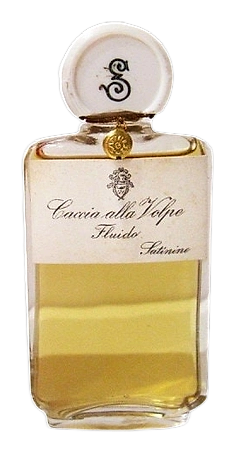
    Satinine’s visual identity mirrors its olfactory restraint. Bottles are crafted from clear, thick glass with a subtle curvature that catches light without excessive ornamentation. The label features a single, embossed line of the brand’s name in a classic serif typeface, positioned at the base to keep the focus on the liquid inside. Caps are made of brushed copper, echoing the metalwork of Milan’s historic workshops and providing a tactile contrast to the smooth glass. The colour palette for each fragrance draws from the primary ingredient: a deep green for alpine herbs, a muted amber for resin‑rich compositions, and a soft ivory for citrus‑forward scents. Store interiors employ muted stone walls, reclaimed wood shelving and soft, indirect lighting that creates a calm atmosphere. Graphic assets use clean photography of raw materials—lavender fields, citrus groves, mineral springs—paired with minimalist typography. This restrained aesthetic reinforces the brand’s narrative of quiet confidence, allowing the scent to remain the focal point rather than competing visual flourishes.

    Philosophy

    Satinine’s creative vision rests on three pillars: respect for material provenance, disciplined composition, and a dialogue between past and present. The house believes that a fragrance should reveal its ingredients without masking them, so each perfume is built around a clearly defined central note that guides the supporting accords. Sustainability informs sourcing decisions; raw materials are obtained from certified growers in the Italian Alps, the Ligurian coast and select Mediterranean islands, with traceability documented in the lab’s archives. The brand treats perfumery as a scientific inquiry, employing analytical chromatography to verify purity while allowing room for the intuitive gestures of the nose. Collaboration is selective: rather than a rotating roster of celebrity perfumers, Satinine works with a small group of seasoned olfactory artists who share an appreciation for restraint. This approach yields scents that feel both timeless and immediate, inviting the wearer to experience a moment rather than a story. The philosophy also extends to the retail experience, where the boutique’s layout encourages quiet contemplation, letting each bottle speak for itself without overt marketing cues.

    Key Milestones

    1883

    Lorenzo Usellini opens an apothecary on Via Montenapoleone, Milan, laying the foundation for Satinine.

    1919

    Post‑World War I expansion into aromatic raw material import and early perfume production.

    1935

    First in‑house eau de cologne released, blending traditional maceration with emerging synthetic notes.

    1970

    Original workshop closes; brand name falls out of public view.

    2020

    Former fragrance executive acquires Satinine archives and initiates brand revival.

    2022

    Flagship boutique opens on Corso Venezia, Milan, showcasing the revived collection.

    At a Glance

    Brand profile snapshot

    Origin

    Italy

    Founded

    1883

    Heritage

    143

    Years active

    Collection

    1

    Fragrances released

    Avg Rating

    5.0

    Community sentiment

    satinine.com

    Did You Know?

    Interesting Facts

    Distinctive details and defining moments that shape the house personality.

    01

    The original 1883 ledger records that Usellini sourced lavender from a single family farm in the Italian Alps, a partnership that continued for three generations.

    02

    Satinine’s copper caps are hand‑polished by a local artisan who has been crafting metalwork in Milan since the 1950s.

    03

    During World II, the workshop produced a limited‑edition scent for Italian soldiers, using locally available citrus peels to boost morale.

    04

    The 2025 collection includes a fragrance, Luna d'Egitto, inspired by a historic perfume recipe discovered in the house’s archived correspondence with Egyptian traders.