








    Brand Profile

    Officine del Profumo translates centuries of Florentine apothecary art into a contemporary fragrance line. Based in Florence, the house draw…More

    Italy·Est. 1221·Site

    5.0

    Rating

    33
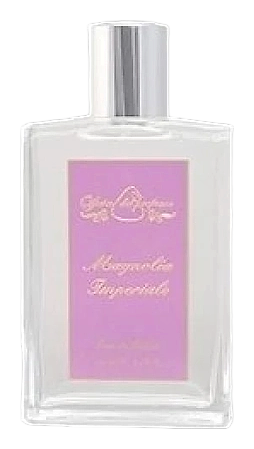
    Magnolia Imperiale by Officine del Profumo
    Best Seller
    5.0

    Magnolia Imperiale

    Aquamarina by Officine del Profumo
    Best Seller
    4.7

    Aquamarina

    Meraviglioso Istante by Officine del Profumo
    Best Seller
    4.5

    Meraviglioso Istante

    Mugheto della Cinque Terre by Officine del Profumo
    4.5

    Mugheto della Cinque Terre

    Mandorla di Sicilia by Officine del Profumo
    4.4

    Mandorla di Sicilia

    A Sud Del Mondo by Officine del Profumo
    4.2

    A Sud Del Mondo

    Mojito by Officine del Profumo
    4.0

    Mojito

    Tuberosa Imperiale by Officine del Profumo
    4.0

    Tuberosa Imperiale

    Zaahra by Officine del Profumo
    3.8

    Zaahra

    Notti Del Golfo by Officine del Profumo
    3.5

    Notti Del Golfo

    Lei by Officine del Profumo
    3.5

    Lei

    Hiera by Officine del Profumo
    3.5

    Hiera

    1 of 3

    The Heritage

    The Story of Officine del Profumo

    Officine del Profumo translates centuries of Florentine apothecary art into a contemporary fragrance line. Based in Florence, the house draws on the legacy of the Dominican monks who opened a medicinal shop in 1221 and later crafted scented waters for patrons of the Medici court. Today the brand releases modern scents such as Aquamarina (2009) and Magnolia Imperiale (2013) while preserving the laboratory practices of its ancestors. Each bottle invites collectors to experience a dialogue between history and present‑day olfactory curiosity.

    Heritage

    Dominican friars founded a modest pharmacy in Florence in 1221, offering herbal remedies to the city’s residents. By 1381 the workshop recorded its first scented formulation, marking the earliest known link between the shop and perfumery. The monks refined their craft and, in 1533, produced Acqua della Regina, a fragrant water that still appears in the house’s archive. Official recognition arrived in 1612 when the enterprise registered as a perfume‑pharmacy, a status confirmed by multiple historical accounts. Royal patronage followed in the eighteenth century when the Bourbon court in Naples commissioned bespoke scents for the newly built Capodimonte Palace. Throughout the nineteenth and twentieth centuries the shop survived wars, political change, and shifting taste, maintaining a continuous line of production that spans eight centuries. In the early 2000s the brand launched a series of modern fragrances, beginning with Passiflora in 2008, followed by Aquamarina and Mandorla di Sicilia in 2009, Magnolia Imperiale and Tuberosa Imperiale in 2013, and Meraviglioso Istante in 2017. Each release references a historic ingredient or recipe, allowing the house to honor its past while speaking to contemporary collectors. The continuity of location, archives, and laboratory techniques makes Officine del Profumo one of the few perfume houses that can trace an unbroken lineage from medieval apothecary to today’s niche market.

    Craftsmanship

    The laboratory at Officine del Profumo still follows the hand‑blending rituals described in seventeenth‑century notebooks. Master perfumers weigh raw materials on brass scales, then macerate botanicals in high‑grade ethanol for periods ranging from weeks to months. The house sources jasmine from Grasse, bergamot from Calabria, and Sicilian almond oil directly from family‑owned orchards, ensuring traceability. After maceration, the mixture undergoes a gentle distillation process that preserves volatile aromatics. Each batch receives a sensory evaluation by a panel of senior perfumers who compare the result to historic reference samples stored in the archive. Quality control includes gas‑chromatography analysis to verify purity and concentration. Once approved, the fragrance is transferred to hand‑filled glass bottles in a climate‑controlled room. The bottling line operates at a pace that allows artisans to inspect each stopper and label, preserving the tactile experience that the brand values. The final product leaves the workshop with a sealed amber vial, a parchment tag bearing the historic coat of arms, and a certificate of authenticity that references the original formulation year.

    Design Language

    Visual identity rests on a restrained palette of amber, ivory, and deep green. Bottles feature clear or lightly tinted glass that showcases the liquid’s natural hue, while the neck bears a simple brass collar engraved with the house’s historic emblem. Labels consist of hand‑pressed parchment with black serif lettering, echoing the script of medieval prescriptions. The brand’s storefront in Florence displays reclaimed stone walls, wooden shelving, and a herb garden that supplies fresh ingredients for on‑site demonstrations. Marketing imagery favors soft, natural light and close‑ups of raw materials, allowing the viewer to sense texture and origin. Seasonal limited editions adopt subtle color shifts—such as a muted teal for Passiflora or a warm terracotta for Meraviglioso Istante—yet they retain the core bottle silhouette, reinforcing continuity across the collection. This visual restraint mirrors the house’s commitment to substance over flash, inviting collectors to focus on scent rather than spectacle.

    Philosophy

    Officine del Profumo treats scent as a living archive. The house believes that a fragrance should tell a story rooted in place, season, and memory. It respects the original botanical formulas recorded by the friars and pairs them with modern analytical tools to ensure stability and safety. Sustainability guides ingredient selection; the brand prefers organic farms in Sicily, Tuscany, and the Adriatic coast, and it supports fair‑trade agreements for rare absolutes. Transparency informs every label, inviting wearers to learn about the source of each note. The creative team balances reverence for tradition with curiosity, encouraging perfumers to experiment within the framework of historic accords. This approach yields scents that feel both familiar and novel, inviting collectors to explore a lineage that evolves without losing its core identity.

    Key Milestones

    1221

    Dominican monks establish a medicinal shop in Florence, the precursor to the perfume house.

    1381

    First documented production of scented waters appears in the workshop archives.

    1533

    Acqua della Regina is created, becoming the oldest known fragrance in the house’s collection.

    1612

    Official registration as a perfume‑pharmacy solidifies the brand’s commercial status.

    2008

    Launch of Passiflora, marking the brand’s entry into modern niche perfumery.

    2009

    Aquamarina and Mandorla di Sicilia debut, expanding the Mediterranean-inspired line.

    At a Glance

    Brand profile snapshot

    Origin

    Italy

    Founded

    1221

    Heritage

    805

    Years active

    Collection

    1

    Fragrances released

    Avg Rating

    5.0

    Community sentiment

    Release Rhythm

    2017
    3
    2015
    1
    2013
    5
    2009
    9
    2008
    1
    santamariannovella.com

    Did You Know?

    Interesting Facts

    Distinctive details and defining moments that shape the house personality.

    01

    The original pharmacy still operates in the same Florentine building where the monks first mixed herbal tinctures.

    02

    Acqua della Regina predates the invention of modern Eau de Cologne by more than a century.

    03

    Officine del Profumo maintains a living herb garden that supplies fresh lavender, rosemary, and sage for seasonal batches.

    04

    The brand’s master perfumer trains apprentices using handwritten recipes that date back to the 16th century.

    The Artisans

    The Perfumers