
The Story
Why it exists.
The beginning
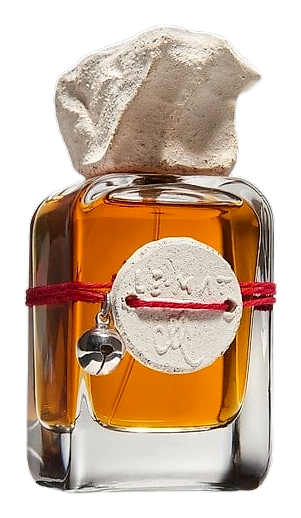
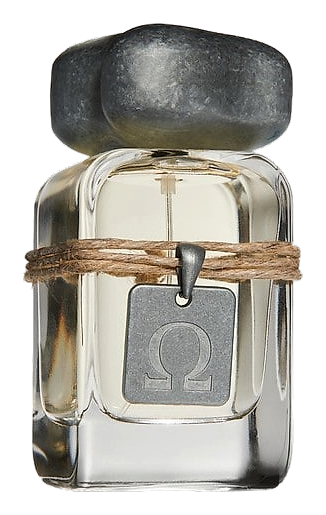
Omega emerged as the second chapter in Mendittorosa's trilogy of identities, ALFA, OMEGA, and ID, each fragrance a meditation on transformation and the spaces between selves. Named after the Greek letter marking endings and continuations, Omega explores the liminal: where leather becomes powder, where cumin becomes smoke, where one gender dissolves into another. Perfumer Amélie Bourgeois built this from a single conviction, that cumin's warmth could serve as a bridge between the earthy and the delicate, between the skin-close and the sculptural.
The heart of iris is unusual here, typically it anchors foundations, but in Omega it becomes the protagonist. Paired with Palisander rosewood and violet, it creates a powdery, almost floral softness that contradicts the leather base. The frankincense and oud provide smokiness without heaviness, letting the composition breathe. It's the kind of layering that rewards patience, what reads as one thing at first develops into something more complex as the wearer moves through the day.
The evolution
The opening lasts about 30 minutes, warm cumin, slightly animalic, a spice that catches before it settles. Then the iris arrives. Powdery, violet-tinted, unexpectedly soft. The jasmine fades quickly, leaving the vanilla and iris to carry the next few hours. By the third hour, the leather asserts itself, but it's no longer alone. Frankincense and smoke have entered the conversation. The drydown continues for another 4-5 hours on most skin types, warm, resinous, intimate. Cedarwood and white musk keep it close to the skin. Vanilla lingers longest, a quiet sweetness that stays even after the smoke has dissipated.
Cultural impact
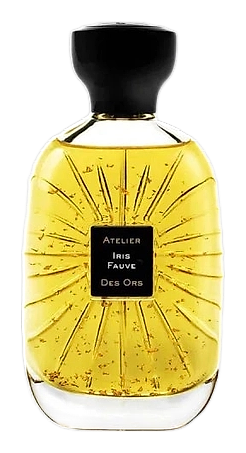
Omega occupies a specific niche in the collector's world, the fragrance for someone who wants complexity without spectacle. It sits alongside compositions like Iris Fauve and Epic Woman, sharing their powdery iris backbone but carving its own identity through cumin and smoke. The 2012 launch placed it early in the niche boom, before the market flooded with similar orientals. That timing matters: it was discovered by those who found it organically, not by those following trends.