Cumin
From ancient spice routes to modern perfumery, cumin brings a bold, warm presence that divides opinion. Its smoky, peppery depth anchors oriental fragrances with unmistakable character.
Character
How it smells
Warm, smoky, and unapologetically bold
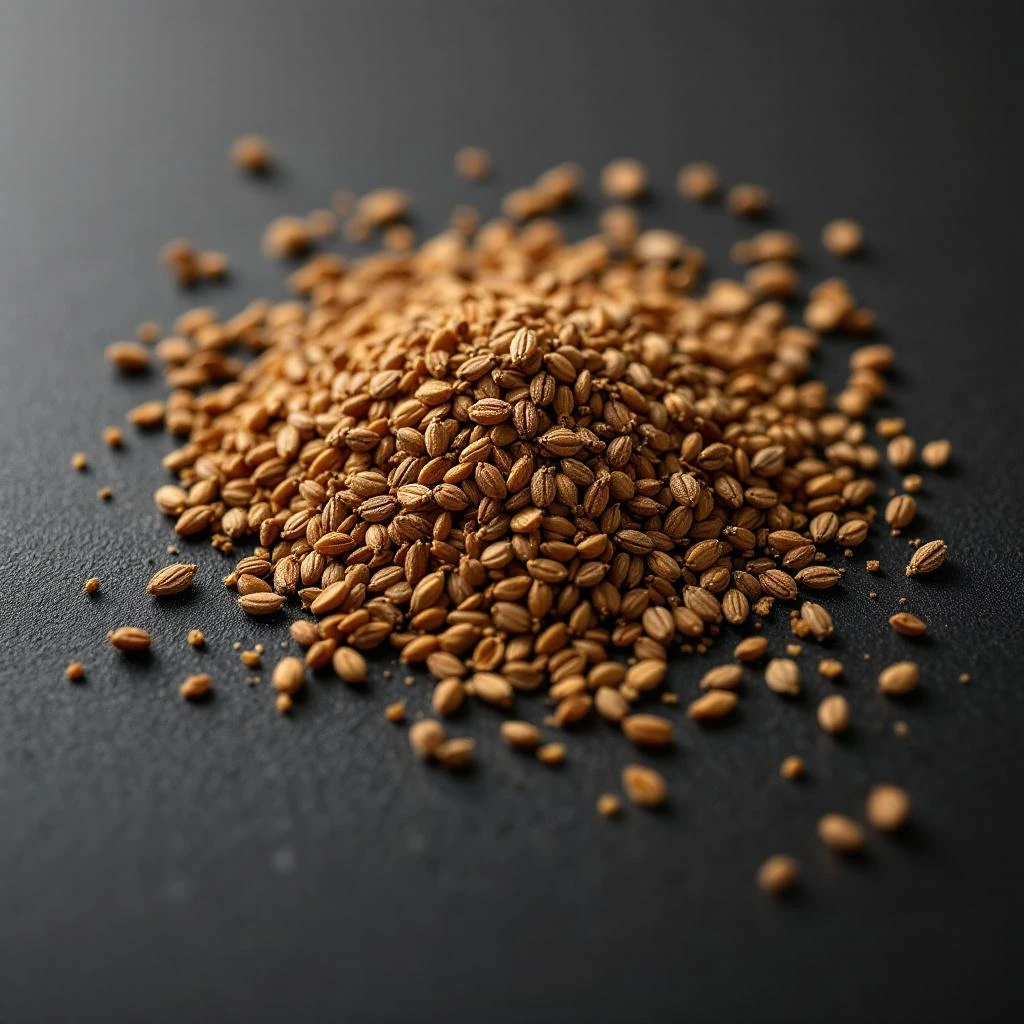
Cumin seeds belong to the same botanical family as carrots, yet their aromatic intensity comes from the same compound that gives cat urine its distinctive smell.







Origin
India
Cumin has been cultivated for millennia, with evidence in Egyptian tombs dating to at least 500 BCE. The spice appears in ancient Greek and Roman texts, where it served both culinary and medicinal purposes. Greeks kept cumin in small containers at the table for regular use.
Romans combined it with honey as a portable energy food. Medieval Europeans prized it as a folk remedy for digestive complaints. Its journey into perfumery came later, as perfumers recognized that the same warmth and persistence valued in cooking could translate into fragrance depth.
Twentieth-century perfumers learned to wield cumin's controversial, sweat-like warmth in trace amounts, and it became a daring signature in oriental and skin-scent compositions.
Wears it best
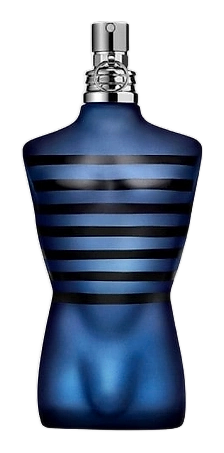
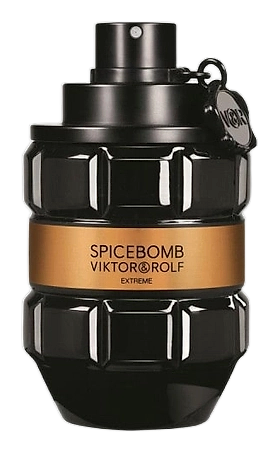
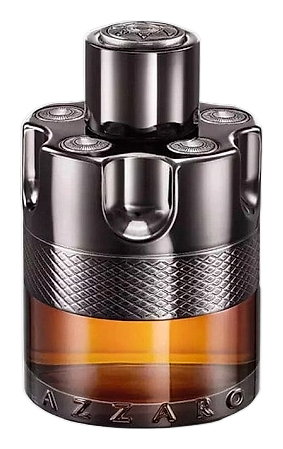
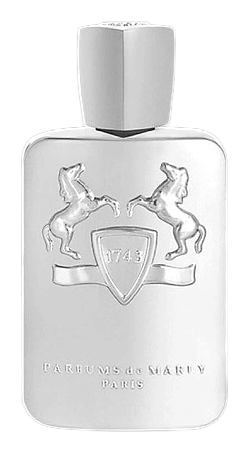
Fragrances featuring Cumin



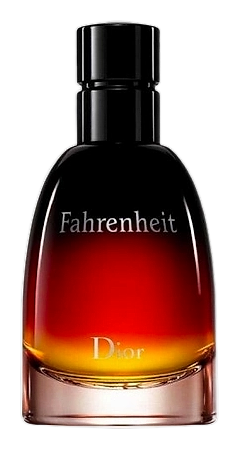
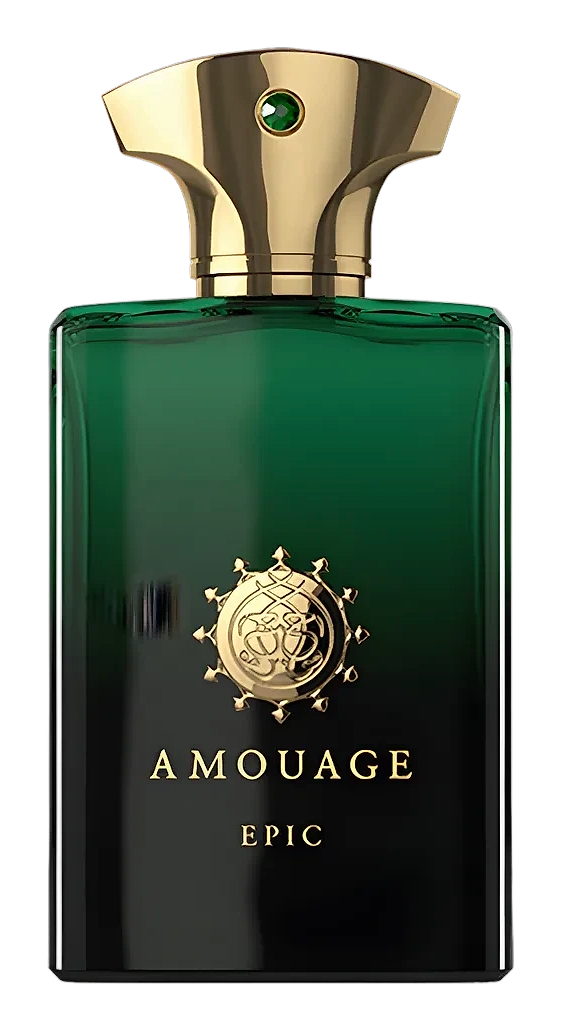
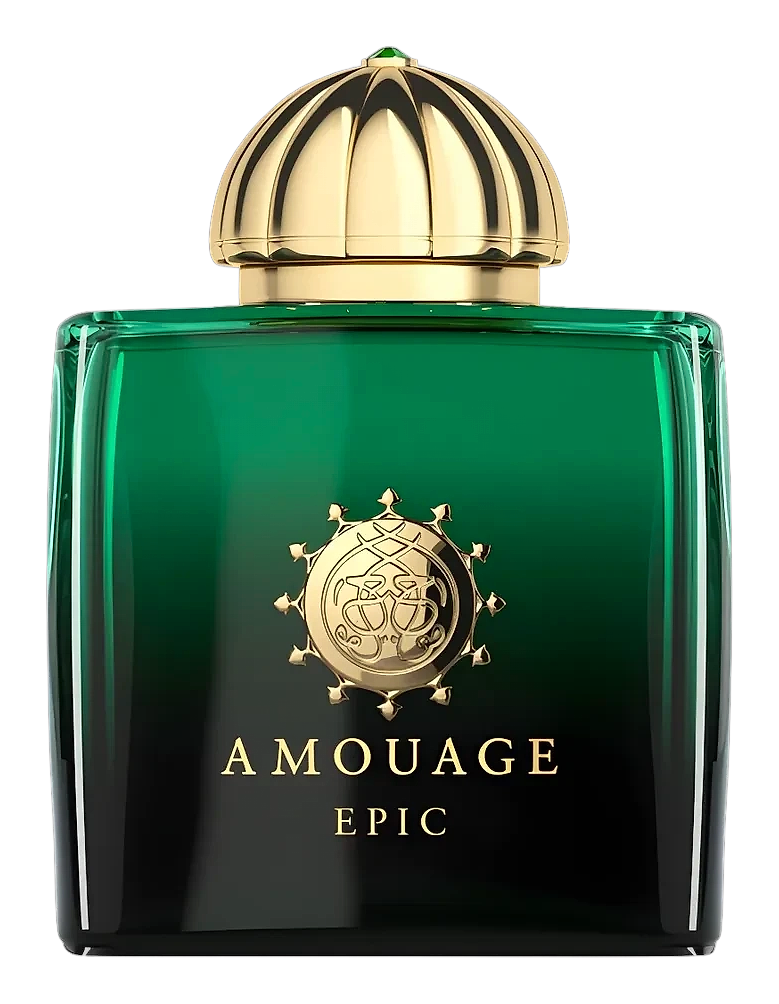
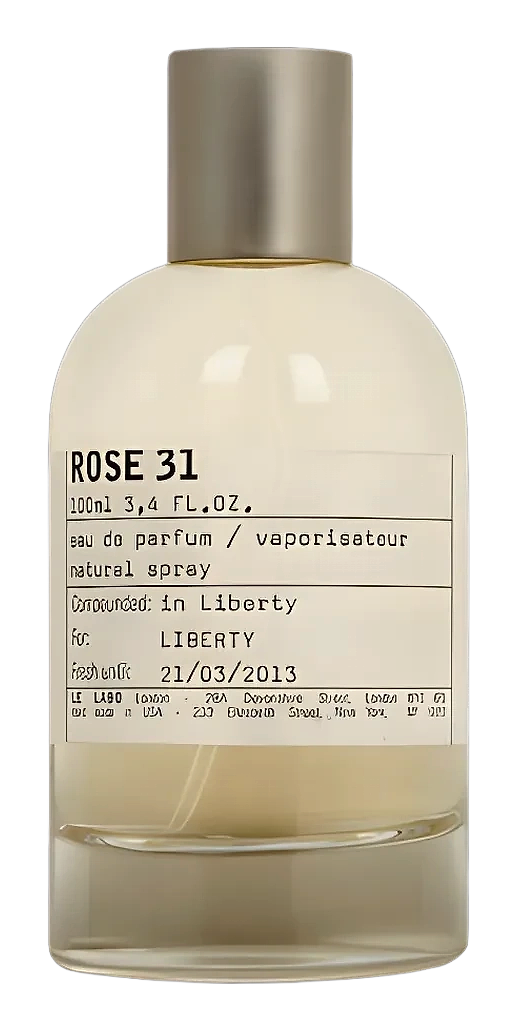
Brands
Brands known for Cumin
Good to know
Questions, answered
The essentials on Cumin in perfumery: how it smells, where it comes from, and how it behaves on skin.
What does cumin smell like in perfume?
Cumin delivers a warm, spicy aroma with smoky and slightly sour undertones. The scent combines peppery warmth with earthy depth, creating an impression many compare to caraway or curry, though with more intensity and animalic character.
Is cumin in perfume natural or synthetic?
Cumin exists in both natural and synthetic forms in perfumery. Natural cumin oil comes from steam-distilled seeds, while synthetic versions replicate key aroma compounds like cuminaldehyde. Most premium fragrances specify natural cumin for its complexity.
What type of fragrances use cumin?
Cumin appears frequently in oriental and chypre fragrances, particularly those aiming for sensual or exotic character. It works as a base note that adds persistence and warmth to compositions built around spices, resins, and woods.
Is cumin oil safe for skin in perfume?
Cumin oil can cause skin sensitization when used at high concentrations. IFRA regulations set usage limits for cumin oil in leave-on products. Professional formulations typically use it at controlled dilution levels to ensure consumer safety.
What perfume ingredients pair well with cumin?
Cumin combines particularly well with other warm spices like cardamom, coriander, and black pepper. It also complements resinous materials such as frankincense and myrrh, and works alongside animalic notes like civet or castoreum to enhance depth.
How much cumin oil does production yield?
Steam distillation of cumin seeds yields approximately 2-4% essential oil by weight. This means producers need around 25-50 kg of dried seeds to obtain just 1 kg of finished oil, making quality sourcing important for both scent profile and cost efficiency.
Has cumin been used historically in perfumery?
Cumin's use in perfumery dates back centuries, though it became more prominent in Western fragrances during the 20th century when oriental perfume styles gained popularity. Its warm, persistent character made it valuable for creating long-lasting fragrance compositions.
What is the primary aroma compound in cumin?
Cuminaldehyde, also known as 4-isopropylbenzaldehyde, serves as cumin's primary aroma compound. This aldehyde contributes the characteristic warm, spicy, slightly sour scent that defines cumin oil and makes it distinctive among perfumery spices.