
The Story
Why it exists.
Andy Tauer wanted to bottle a Moroccan night. Not a concept of one, or an idea of what one smells like. The real thing, moonlight over sand, the particular stillness that only the Saharan desert produces when the heat finally breaks. L'Air du Désert Marocain became the lighter counterpart to his earlier Le Maroc Pour Elle, and in making it, Tauer found the exact expression he was chasing: warm, sensual, and unmistakably spare. 2005 was when it arrived, and it has barely left the conversation since.
If this were a song
Community picks
The Celtic Years
Loreena McKennitt
The Beginning
Andy Tauer wanted to bottle a Moroccan night. Not a concept of one, or an idea of what one smells like. The real thing, moonlight over sand, the particular stillness that only the Saharan desert produces when the heat finally breaks. L'Air du Désert Marocain became the lighter counterpart to his earlier Le Maroc Pour Elle, and in making it, Tauer found the exact expression he was chasing: warm, sensual, and unmistakably spare. 2005 was when it arrived, and it has barely left the conversation since.
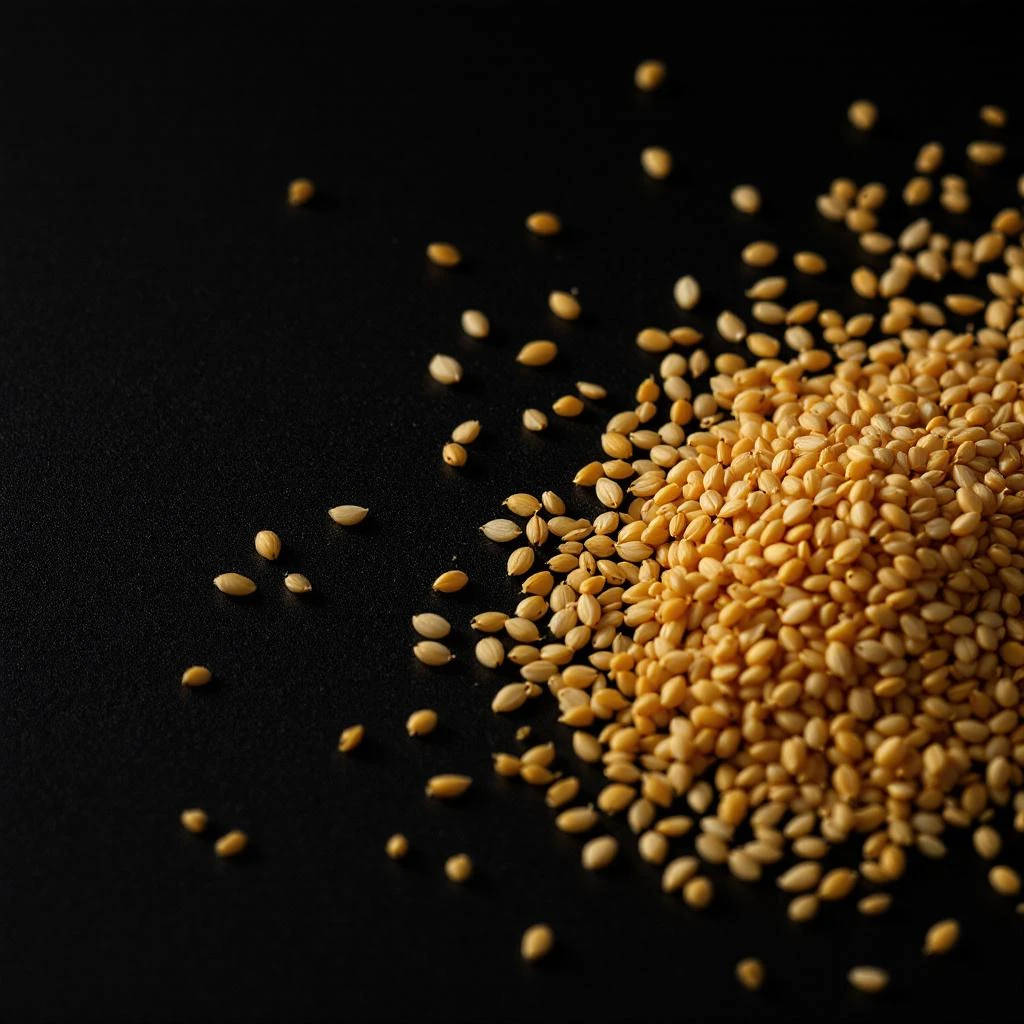
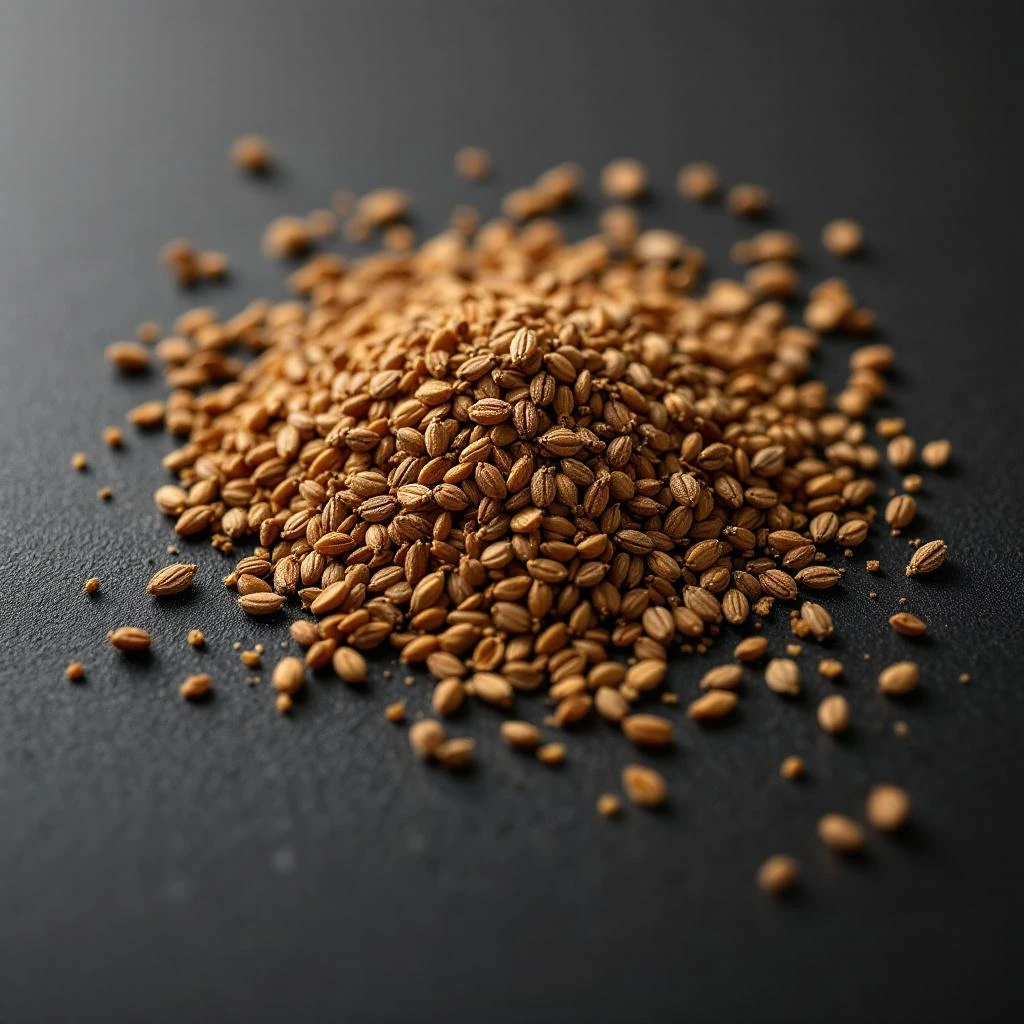
The tension in this composition is what makes it work. Aromatic herbs up top, coriander, cumin, petitgrain, meet a warm amber-cedar base, and the handoff is everything. The cumin doesn't disappear. It softens. Settles into the drydown as something mineral and dry rather than sharp, giving the whole fragrance a quality that reads as both clean and animalic at the same time. Oakmoss in the base reinforces that, a fixative that anchors the cedar and keeps the drydown from going anywhere predictable.
The Evolution
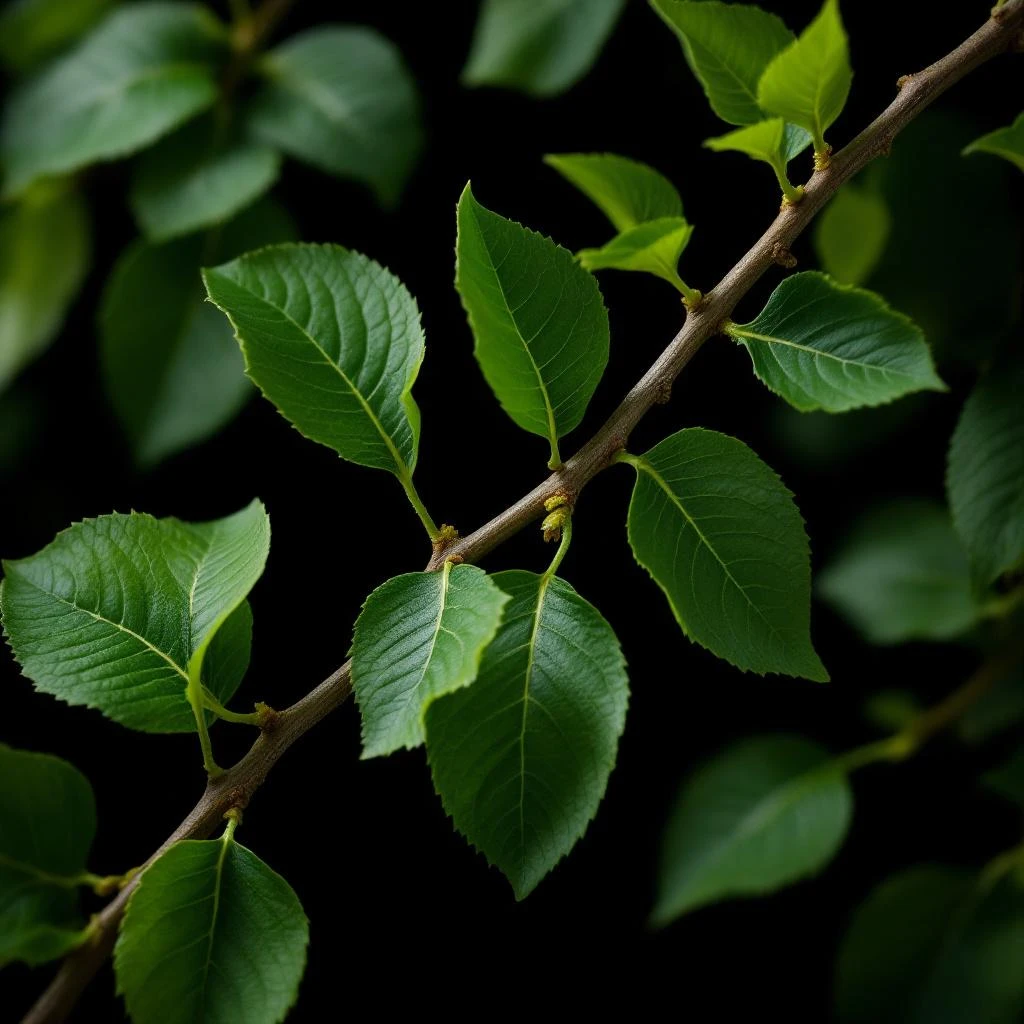
The opening hour belongs to cumin. It announces itself before the coriander fully arrives, mineral and almost dirty, before the petitgrain cuts in with a brief citrus coolness that makes the warmth underneath land harder. By the 30-minute mark, the labdanum takes over, warm, leathery, with jasmine deepening the heart into something resinous and almost floral at the same time. The birch contributes a subtle smoky undertone that separates this from softer amber compositions. Hours three through six: cedar and vetiver assert themselves, dry and mineral, with the ambergris adding that particular animal warmth that makes the base feel inhabited rather than abstract. By hour eight, what's left is vetiver and a whisper of cedar on skin, close, intimate, asking someone to come closer to find it.
Cultural Impact
L'Air du Désert Marocain stands as a warm, confident expression that prioritizes presence over volume. It found its audience quietly, earning its place in rotations through the quality of its construction rather than through aggressive marketing. The scent has endured because it delivers a distinctive experience that feels both bold and refined on the skin. Its character captures the essence of sun-warmed spices and precious woods, creating an atmosphere that feels intimate yet expansive. This fragrance represents what indie perfumery can achieve when a creator follows their own instincts rather than industry conventions.
The House
Switzerland · Est. 2005
Tauer Perfumes stands as a testament to what passion and self-taught artistry can achieve. Founded in 2005 by Andy Tauer, a chemist-turned-perfumer from Zurich, this Swiss house crafts fragrances that defy convention. Each scent functions as what Tauer calls a "fragrant sculpture," built from the finest natural and synthetic ingredients and shaped by absolute creative freedom. From cult favorites like L'Air du Désert Marocain to the experimental Tauerville line, every creation invites wearers into a deeply personal olfactory story that continues to captivate a global community of fragrance lovers.
If this were a song
Community picks
The scent reads like a desert at night, warm, mineral, and quietly vast. Loreena McKennitt's layered Celtic and Middle Eastern influences capture that same sense of a place that rewards slowing down. Yanni's orchestral warmth echoes the amber and cedar base. The playlist moves from the clean heat of the opening through the deep warmth of the drydown, ending somewhere still and moonlit.
The Celtic Years
Loreena McKennitt