Birch
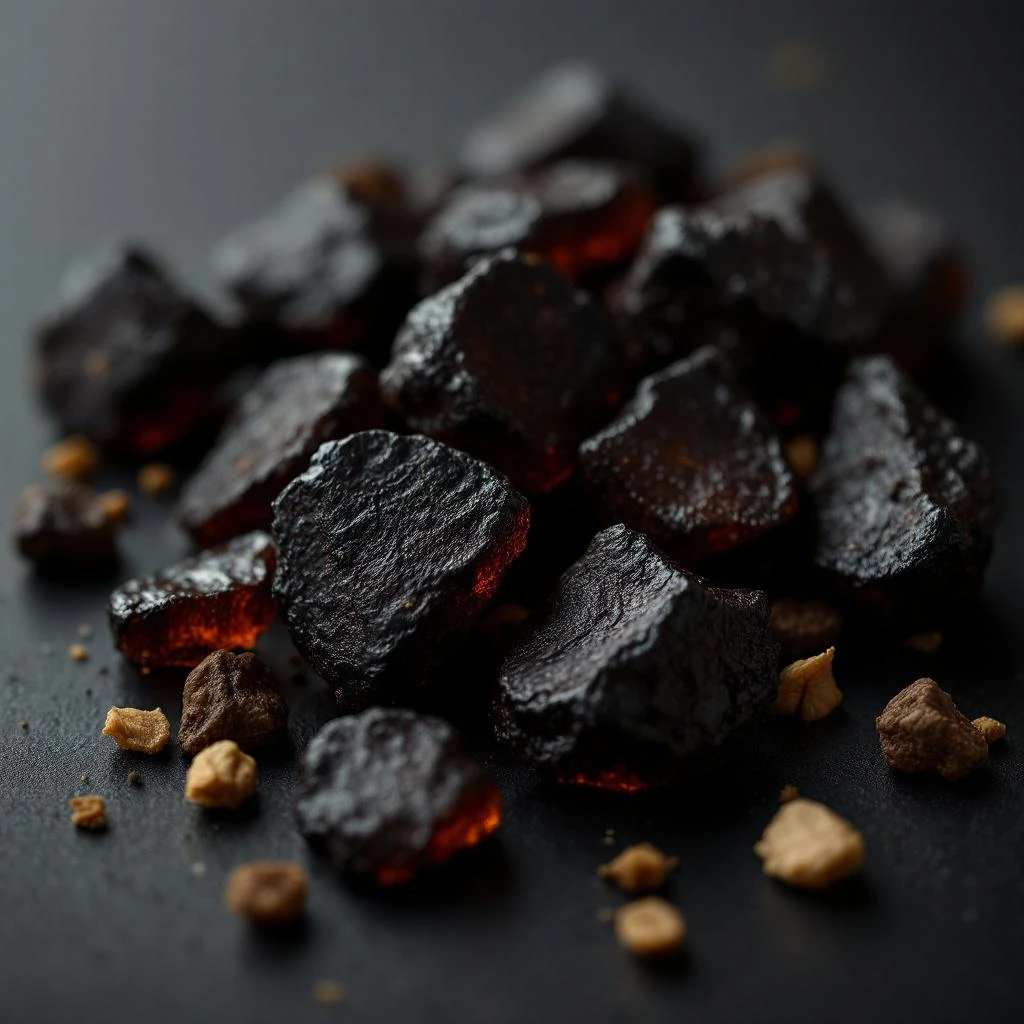
Birch brings smoky leather, tar, and wintergreen to perfumery. Distilled from bark and twigs, it anchors woodier compositions with a dry, mineral edge.
Character
How it smells
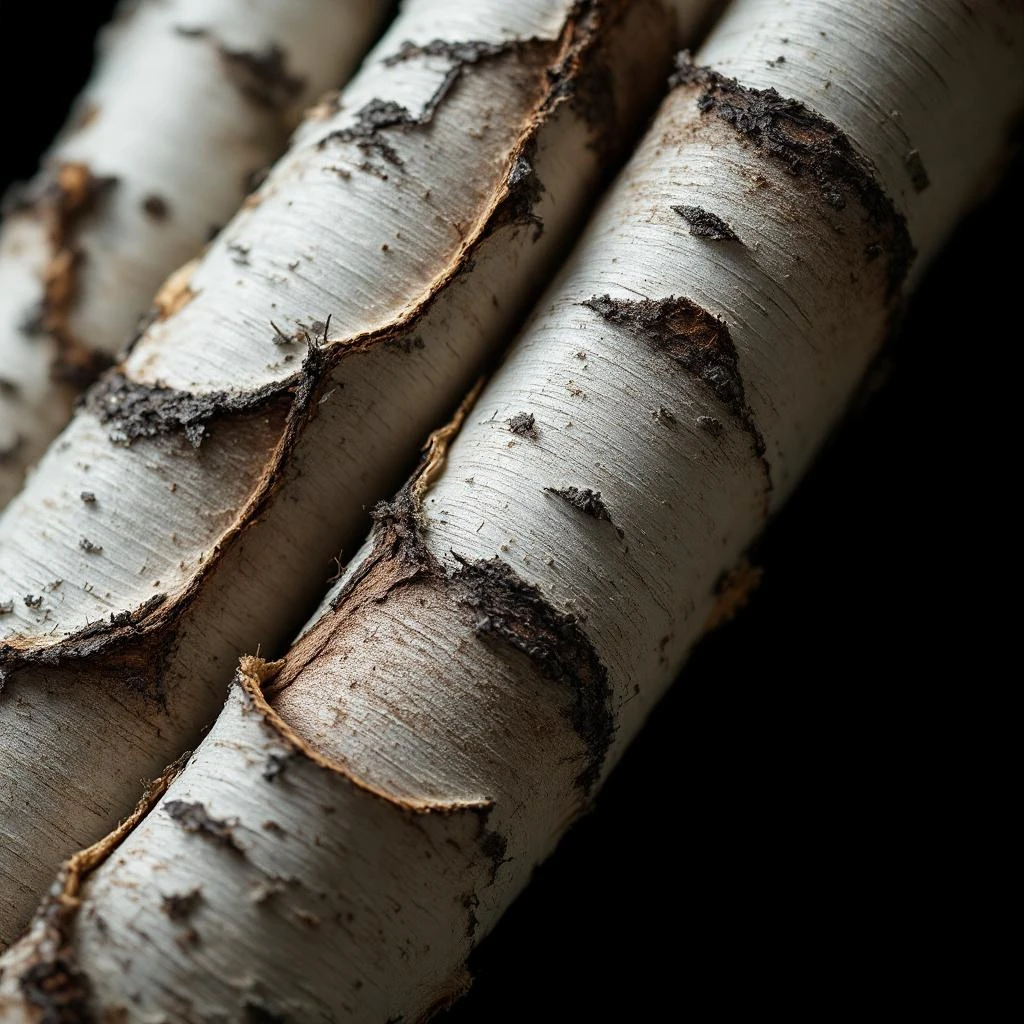
Smoke, leather, and frost.
Birch tar oil has been used since the 1700s to scent Russian leather, giving rise to the iconic smell of bookbindings and saddlery.








Origin
Russia
Birch has carried aromatic and practical significance across northern Eurasia for millennia. Indigenous peoples of Siberia and Scandinavia used birch bark tar as an adhesive, waterproofing agent, and ritual substance thousands of years ago. Archaeological finds suggest birch tar was the earliest known tar used by humans, with samples dating back to the Paleolithic.
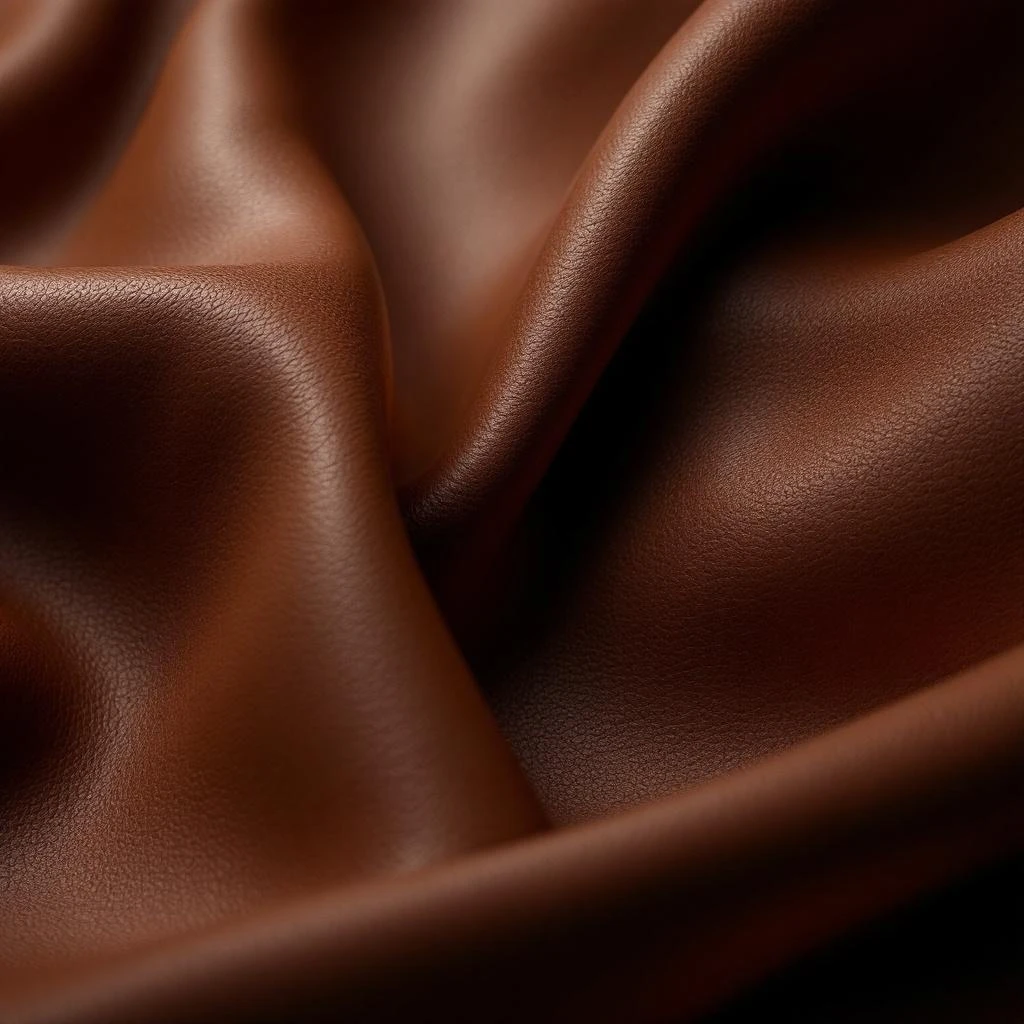
By the 12th century, Russian artisans had perfected birch bark oil as a leather preservative, and the resulting "Russia leather" became a prized export to Europe. The distinctive smell of this leather, smoky, phenolic, and faintly medicinal, entered the European imagination through bookbindings, traveling cases, and uniform accessories. When modern perfumery emerged in 19th-century Paris, birch tar became a staple for leather accords.
Michel Roudnitska reportedly used it in compositions for Dior, and birch tar remains central to classic leather fragrances today. North American birch species contribute a sweeter, wintergreen-heavy profile, distinct from European varieties. The note spans prehistory to haute perfumery, a thread of smoke and bark running through centuries of craft.
Wears it best
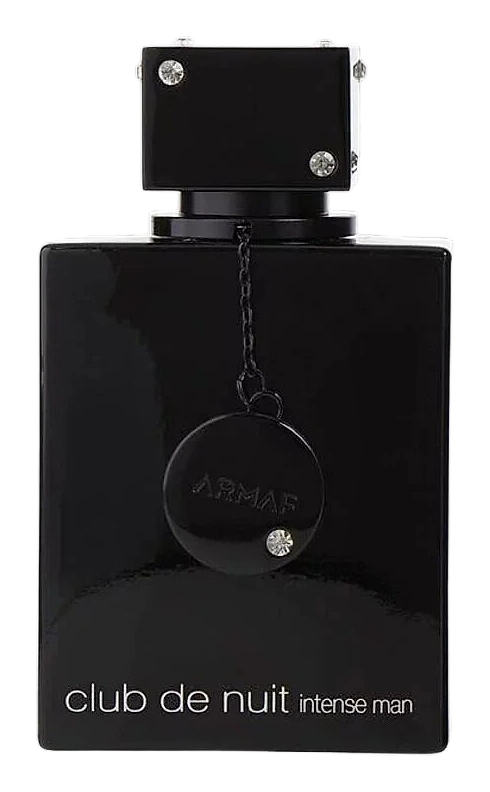
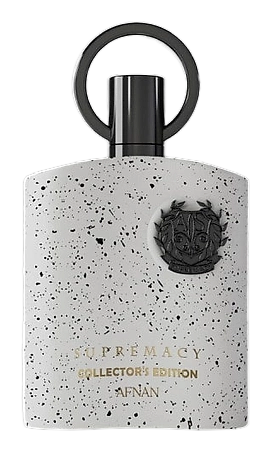
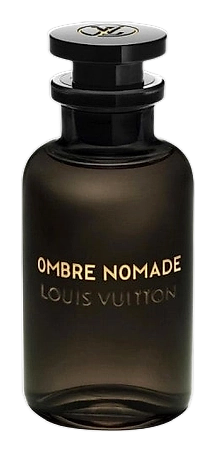
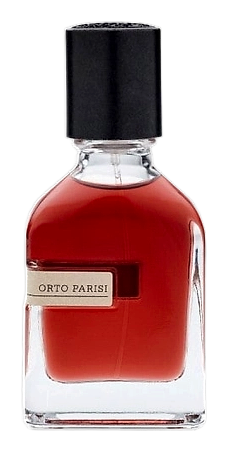
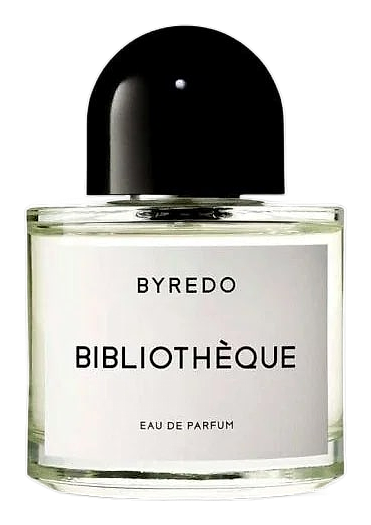
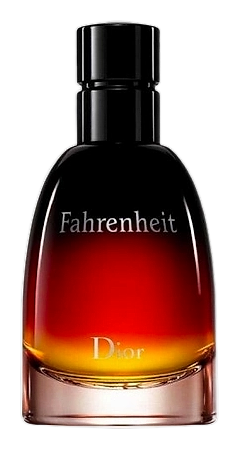
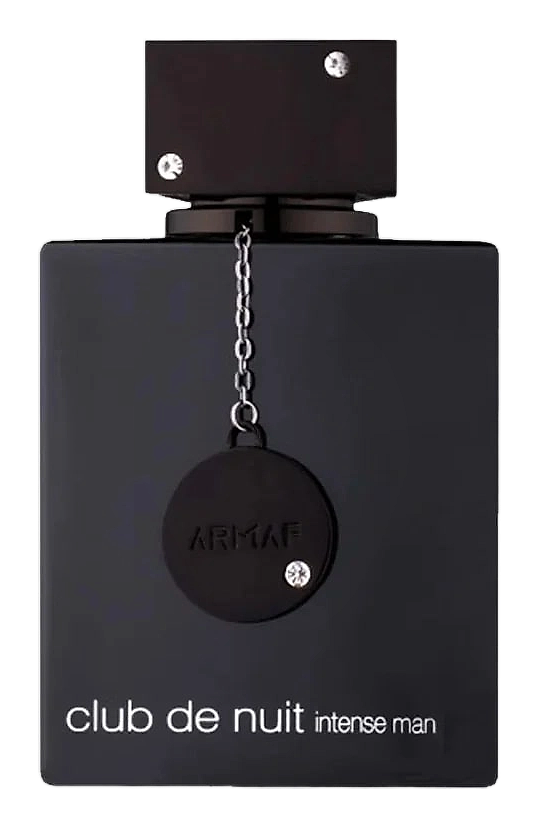
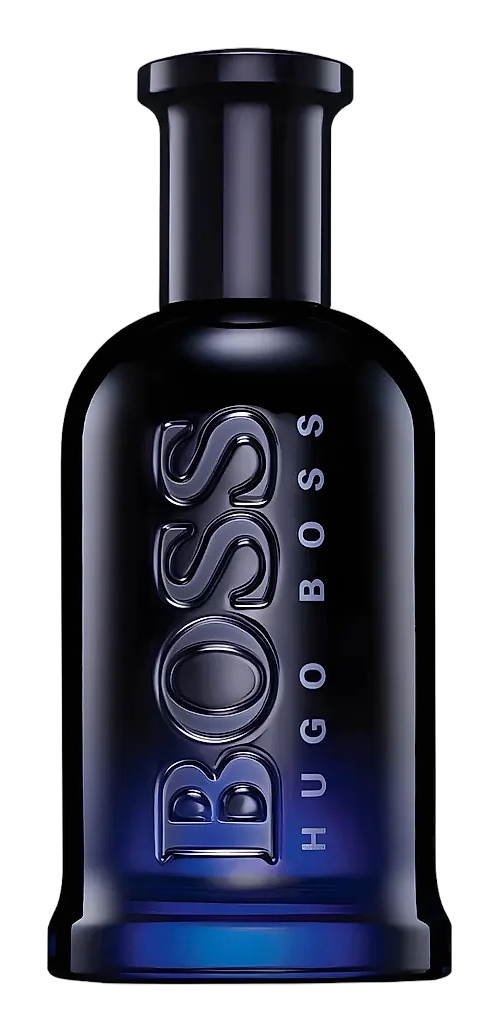
Fragrances featuring Birch



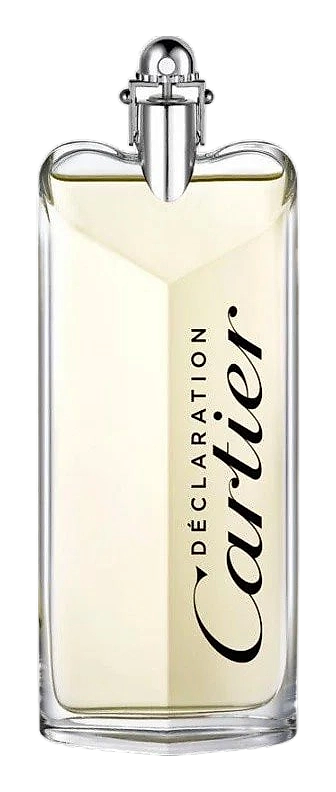
Brands
Brands known for Birch
Good to know
Questions, answered
The essentials on Birch in perfumery: how it smells, where it comes from, and how it behaves on skin.
What does birch smell like in perfume?
Birch delivers a dry, smoky character layered with leather and tar. Distilled twig oil adds a cool wintergreen facet. The overall impression is mineral, woody, and faintly medicinal, like cold bark after a fire.
What is the difference between birch tar and birch essential oil?
Birch tar comes from destructive distillation of wood and bark, producing a dark, smoky liquid. Birch essential oil is steam-distilled from twigs and contains methyl salicylate, giving it a sharper, wintergreen-like profile.
Where does birch used in perfumery come from?
Most commercial birch material originates in Scandinavia and the Baltic states, where sustainable forestry programs harvest Betula pendula and Betula pubescens. Russia remains the historical center of birch tar production.
Is birch a natural or synthetic perfume ingredient?
Both. Natural birch oil and tar are widely available, but synthetic methyl salicylate and isolated betulin derivatives allow perfumers to recreate specific facets with greater consistency and lower cost.
What fragrance families use birch?
Birch anchors leathery, woody, and aromatic compositions. It pairs naturally with oud, patchouli, and tobacco in oriental fragrances, and with vetiver and cedar in masculine woody structures.
Why does birch smell like leather?
Birch tar oil contains phenolic compounds that replicate the aroma of tanned leather. Historically, birch tar was used to cure Russian leather, so the scent association is partly cultural memory encoded into the raw material itself.
What is the historical significance of birch in perfumery?
Birch tar shaped the iconic "Russian leather" note that influenced 19th-century European perfumery. Archeological evidence shows birch tar was used as far back as the Paleolithic, making it one of humanity's oldest fragrance materials.
Is birch safe in fragrance?
Birch oil is generally regarded as safe when used at typical fragrance concentrations. Wintergreen-rich birch oils contain methyl salicylate, which requires careful dosing in leave-on products due to dermal absorption limits.